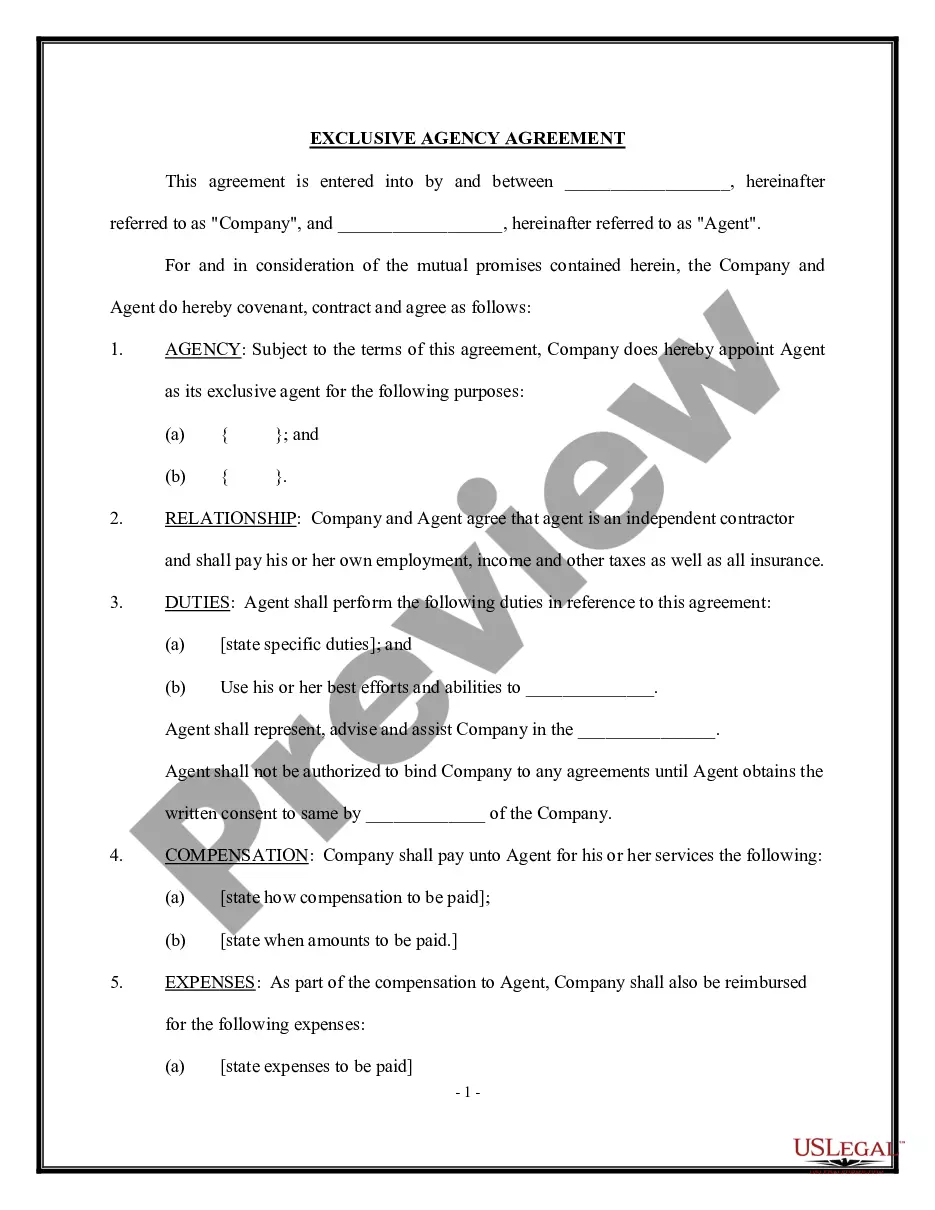
Foreclosure Letter For Home Loan In Houston
Description








Get your form ready online
Our built-in tools help you complete, sign, share, and store your documents in one place.
Make edits, fill in missing information, and update formatting in US Legal Forms—just like you would in MS Word.
Download a copy, print it, send it by email, or mail it via USPS—whatever works best for your next step.
Sign and collect signatures with our SignNow integration. Send to multiple recipients, set reminders, and more. Go Premium to unlock E-Sign.
If this form requires notarization, complete it online through a secure video call—no need to meet a notary in person or wait for an appointment.
We protect your documents and personal data by following strict security and privacy standards.

Make edits, fill in missing information, and update formatting in US Legal Forms—just like you would in MS Word.

Download a copy, print it, send it by email, or mail it via USPS—whatever works best for your next step.

Sign and collect signatures with our SignNow integration. Send to multiple recipients, set reminders, and more. Go Premium to unlock E-Sign.

If this form requires notarization, complete it online through a secure video call—no need to meet a notary in person or wait for an appointment.

We protect your documents and personal data by following strict security and privacy standards.
Looking for another form?



Form popularity
FAQ
The Stages of Foreclosure Stage 1: Default of Payment. Stage 2: Notice of Default. Stage 3: Notice of Sale. Stage 4: Foreclosure Sale. Stage 5: Eviction.
A servicer that receives a complete loss mitigation application more than 37 days before a foreclosure sale must take two steps within 30 days: • First, the servicer must evaluate the borrower for all loss mitigation options available to the borrower from the owner or investor of the borrower's mortgage loan.
The Texas Foreclosure Process in 3 Steps Step 1: Notice of Default and Intent to Accelerate. Step 2: Notice of Sale. Step 3: The Foreclosure Sale.
Public records Throughout the foreclosure process, various legal notices must be filed in your County Recorder's Office. This information is public record and available to anyone. Just visit your county's office and you can search for a Notice of Default (NOD), lis pendens or Notice of Sale.
One way to attack a foreclosure is to argue that the foreclosing party does not have standing to foreclose. If the foreclosing party cannot produce the promissory note on which the loan is based, the court likely will dismiss the case.
Courts Handle the Foreclosure Process in Kentucky When it is determined that a borrower is in default on a loan, the lender files a foreclosure suit with the circuit court. Typically, the homeowner does not respond to the filing, so the court issues a default judgment for the lender.
Government Agencies and Other Options for Finding Foreclosures U.S. Department of Housing and Urban Development (HUD) Federal National Mortgage Association's (Fannie Mae) HomePath website. Department of the Treasury, which lists homes seized by the Internal Revenue Service.
Most foreclosures are public records, requiring a notice of default to be filed against the property. A title co can help with that.
In a non-judicial foreclosure, after the 20-day "right to reinstate" period has expired and at least 21 days before the sale, the servicer must provider the borrower with a Notice of Sale, letting them know the date and earliest time of the sale.
Public records Throughout the foreclosure process, various legal notices must be filed in your County Recorder's Office. This information is public record and available to anyone. Just visit your county's office and you can search for a Notice of Default (NOD), lis pendens or Notice of Sale.