Verified Complaint Form Sample For New York In Hennepin
Description








Get your form ready online
Our built-in tools help you complete, sign, share, and store your documents in one place.
Make edits, fill in missing information, and update formatting in US Legal Forms—just like you would in MS Word.
Download a copy, print it, send it by email, or mail it via USPS—whatever works best for your next step.
Sign and collect signatures with our SignNow integration. Send to multiple recipients, set reminders, and more. Go Premium to unlock E-Sign.
If this form requires notarization, complete it online through a secure video call—no need to meet a notary in person or wait for an appointment.
We protect your documents and personal data by following strict security and privacy standards.

Make edits, fill in missing information, and update formatting in US Legal Forms—just like you would in MS Word.

Download a copy, print it, send it by email, or mail it via USPS—whatever works best for your next step.

Sign and collect signatures with our SignNow integration. Send to multiple recipients, set reminders, and more. Go Premium to unlock E-Sign.

If this form requires notarization, complete it online through a secure video call—no need to meet a notary in person or wait for an appointment.

We protect your documents and personal data by following strict security and privacy standards.
Looking for another form?







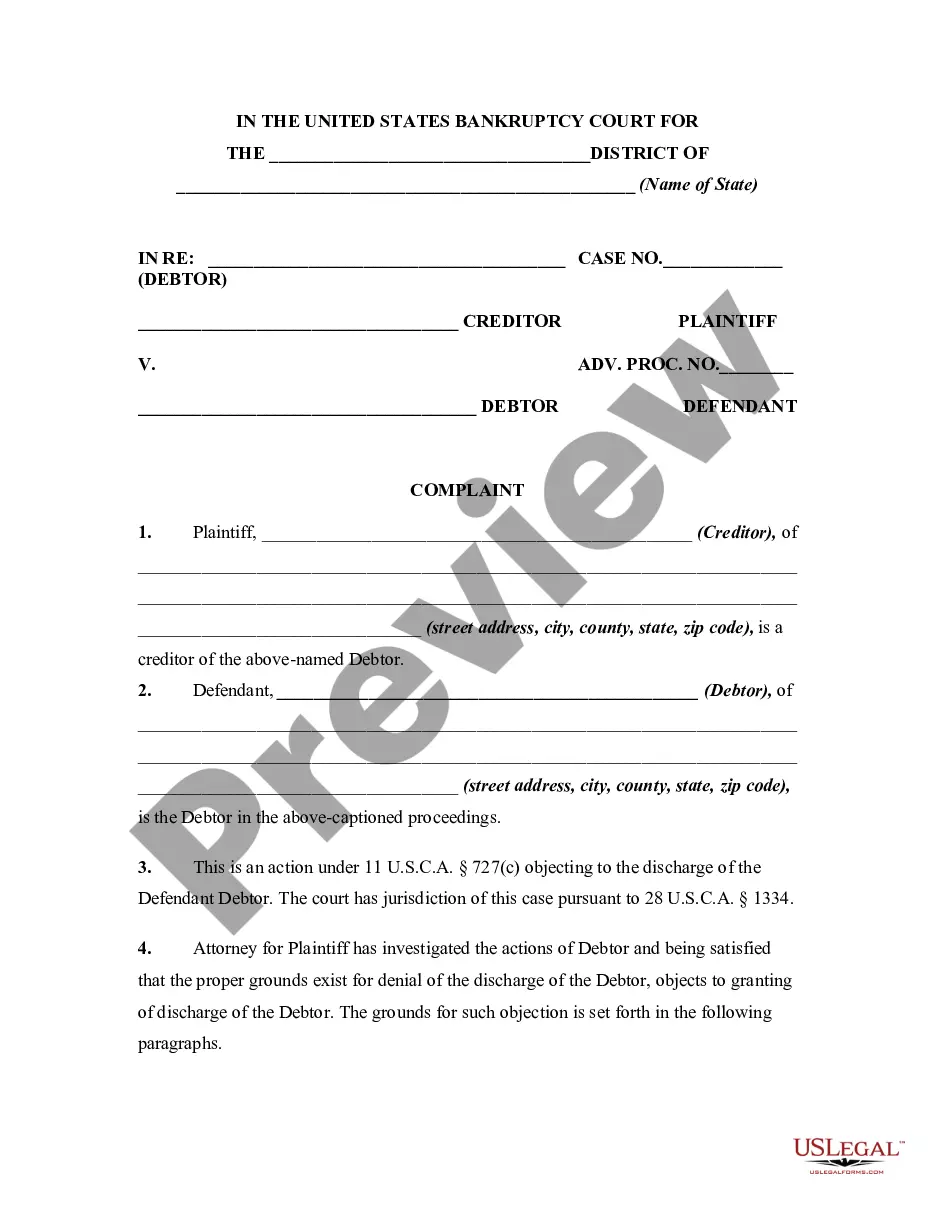

Form popularity
FAQ
Typically, a plaintiff verifies a complaint by attaching a page at the end containing a statement made under oath that: The plaintiff has reviewed the complaint. The plaintiff knows or believes that all allegations that the plaintiff has personal knowledge of to be true.
A caption identifying the plaintiff and defendant, and the court in which the complaint is being filed. A brief description of the parties (e.g., their name and address). Allegations demonstrating that the court has subject matter jurisdiction, personal jurisdiction, and venue to adjudicate the claims in the complaint.
Unless a rule or statute specifically states otherwise, a pleading need not be verified or accompanied by an affidavit.
A pleading must be in writing and must be signed by all persons joining in it. All pleadings filed in proceedings under the Probate Code must be verified. If two or more persons join in a pleading, it may be verified by any of them.
Unless a rule or statute specifically states otherwise, a pleading need not be verified or accompanied by an affidavit.
Verification of complaints is largely optional under the CPLR. There are some statutes, however, that require a verified complaint in certain circumstances. See New York Statute Search; see also Overview – Initiating a Special Proceeding.
Once a summons and complaint or summons with notice have been served, a defendant must respond in writing within a limited period of time. The response is sent to the plaintiff's attorney or directly to the plaintiff, if the plaintiff is appearing is self represented.
A summons with notice or summons and complaint must be served within 120 days of filing with the County Clerk.
An unverified complaint is a legal document that has not been signed or sworn to under oath by the person making the complaint.
