Complaint Replevin Form With Court In Harris
Description








Get your form ready online
Our built-in tools help you complete, sign, share, and store your documents in one place.
Make edits, fill in missing information, and update formatting in US Legal Forms—just like you would in MS Word.
Download a copy, print it, send it by email, or mail it via USPS—whatever works best for your next step.
Sign and collect signatures with our SignNow integration. Send to multiple recipients, set reminders, and more. Go Premium to unlock E-Sign.
If this form requires notarization, complete it online through a secure video call—no need to meet a notary in person or wait for an appointment.
We protect your documents and personal data by following strict security and privacy standards.

Make edits, fill in missing information, and update formatting in US Legal Forms—just like you would in MS Word.

Download a copy, print it, send it by email, or mail it via USPS—whatever works best for your next step.

Sign and collect signatures with our SignNow integration. Send to multiple recipients, set reminders, and more. Go Premium to unlock E-Sign.

If this form requires notarization, complete it online through a secure video call—no need to meet a notary in person or wait for an appointment.

We protect your documents and personal data by following strict security and privacy standards.
Looking for another form?
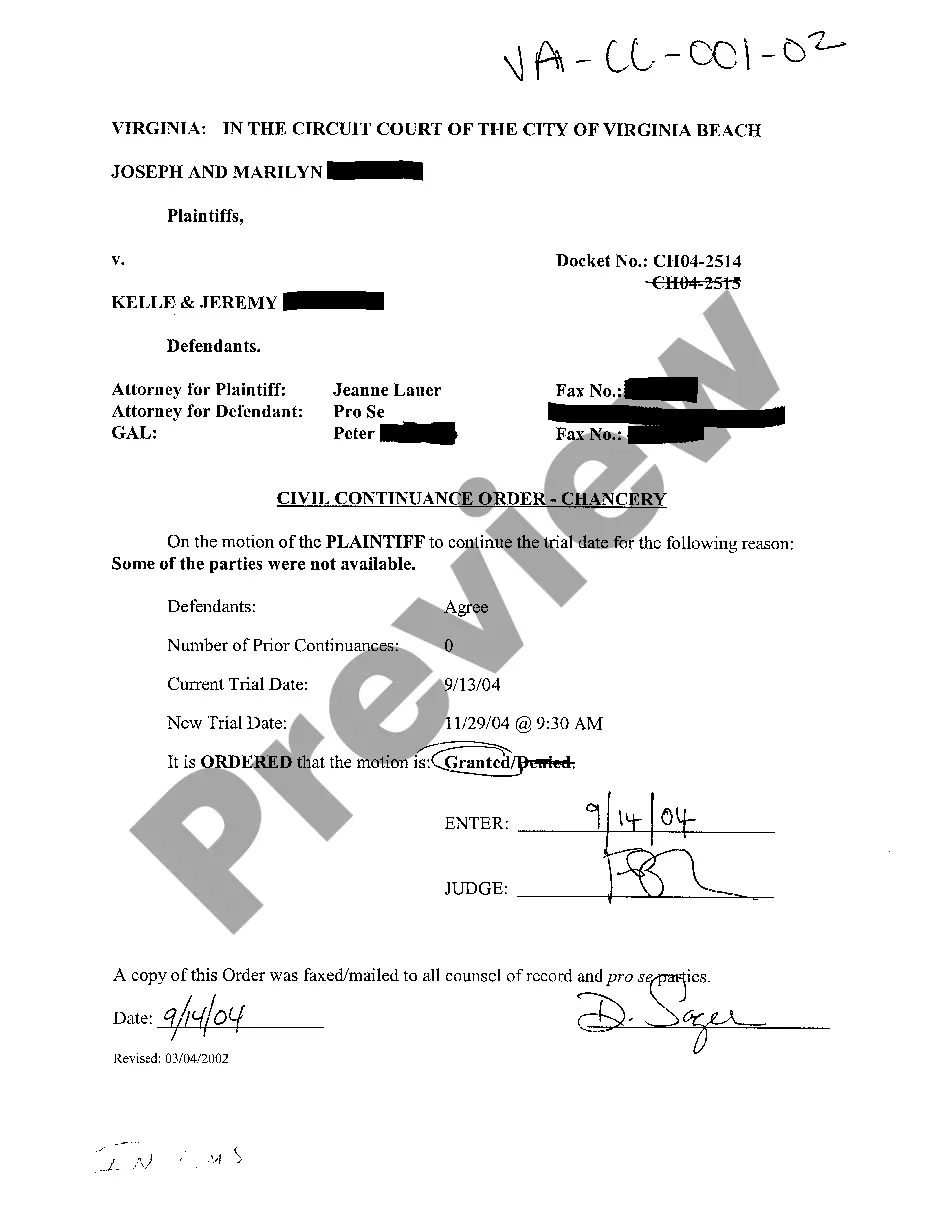
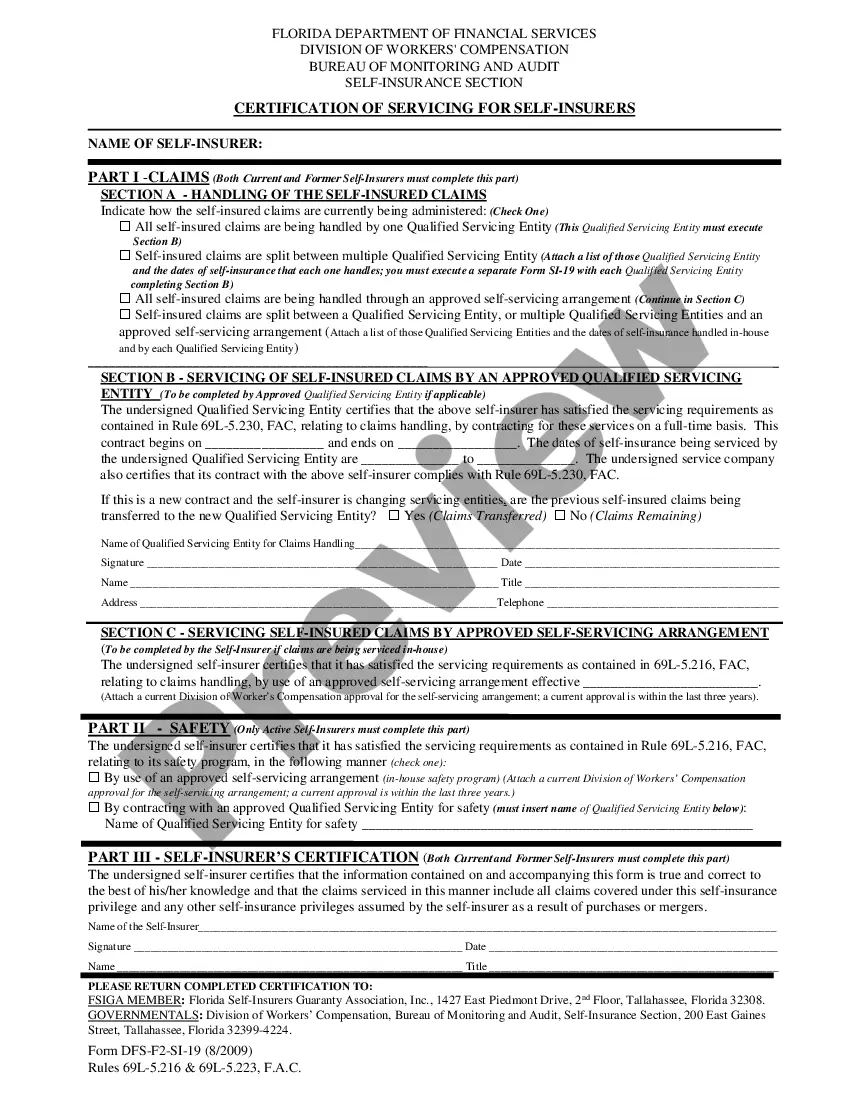
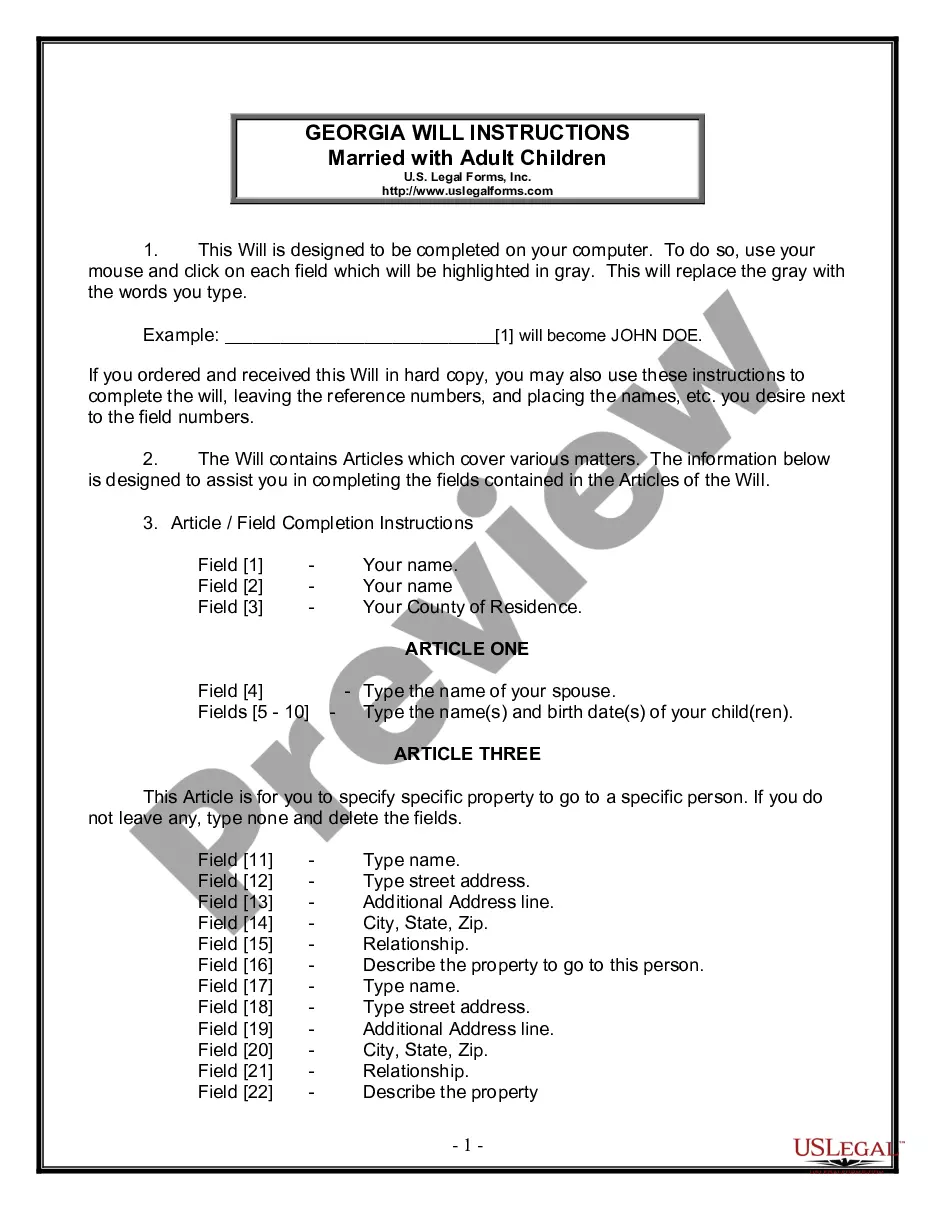
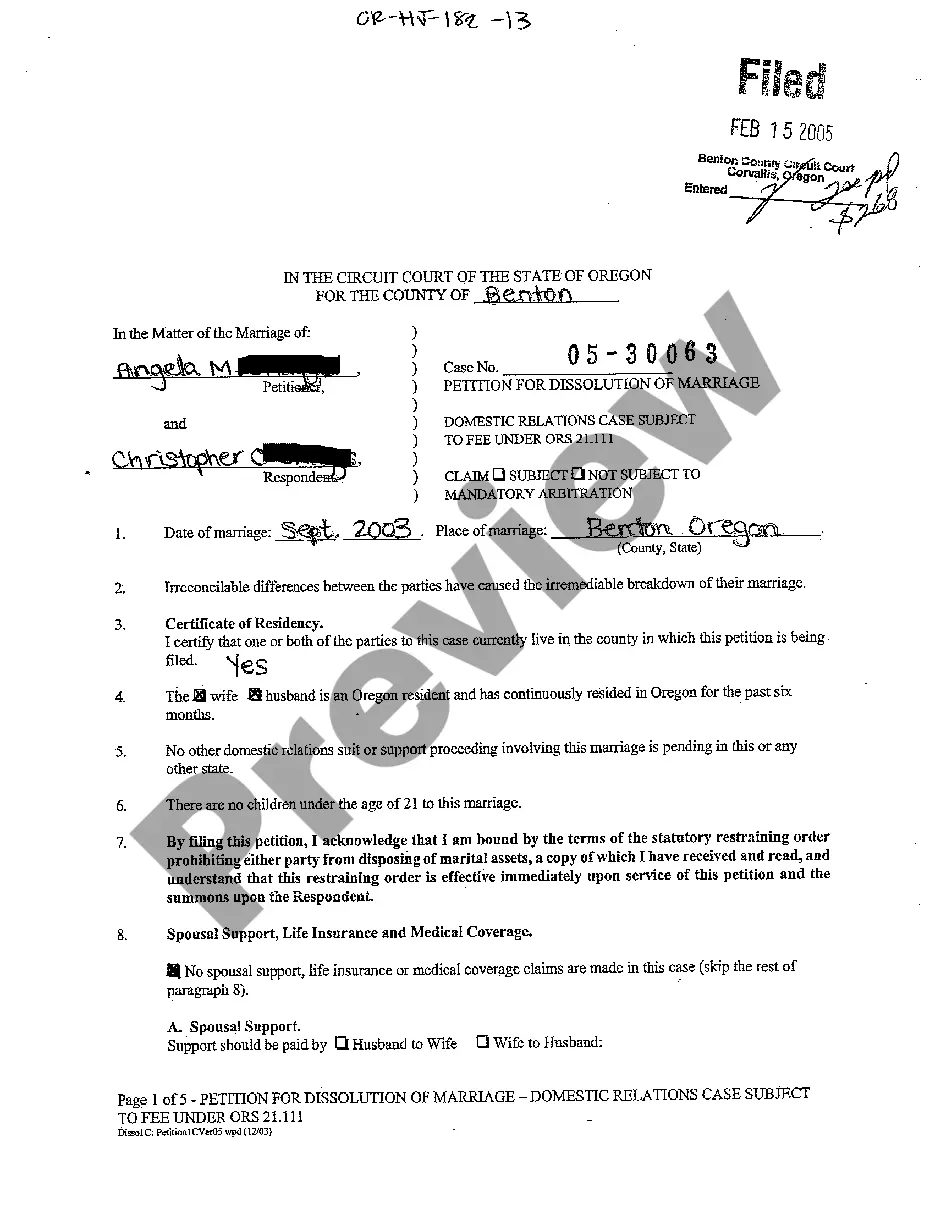

Form popularity
FAQ
How Do You Fill Out an Answer Form? Step 1: Deny or Verify the Pleas From the Complaint. Step 2: Raise Your Defenses and Counterclaims. Step 3: Sign the Unsworn Declaration. Step 4: Fill Out the Certificate of Service. Step 5: File Your Forms With the Justice Court Clerk Within 14 Days.
In Harris County, you can file your pro se petition and waiver in-person at the Harris County Civil Intake Office located on the first floor of the Civil Courthouse located at 201 Caroline Street. Civil intake office hours are 8 AM - PM Monday to Friday.
To file in person, take your answer (and copies) to the district clerk's office in the county where the plaintiff filed the case. At the clerk's office: Turn in your answer form (and copies). Ask the clerk if there are local rules or procedures you need to know about for your case.
To file online, go to E-File Texas ( ) 11 and follow the instructions. To file in person, take your answer (and copies) to the district clerk's office in the county where the plaintiff filed the case. At the clerk's office: Turn in your answer form (and copies).
On a separate page or pages, write a short and plain statement of the answer to the allegations in the complaint. Number the paragraphs. The answer should correspond to each paragraph in the complaint, with paragraph 1 of the answer corresponding to paragraph 1 of the complaint, etc.
The limit to the amount that a person can sue for in small claims cases is $20,000. Justice courts can also settle landlord/tenant disputes such as evictions and repairs.
Procedure for Obtaining, in Court, a Writ of Replevin The filing of a complaint begins a replevin action. As in other civil actions, the defendant is brought into Court by the service of the summons and the complaint. If the plaintiff establishes the cause of action, the Court must enter an Order granting possession.
The process of starting a replevin action usually begins with filing a complaint. It also requires filing an affidavit in the county or district court where the property is. The affidavit: States that the plaintiff claims rightful ownership or entitlement to possession of the property.
