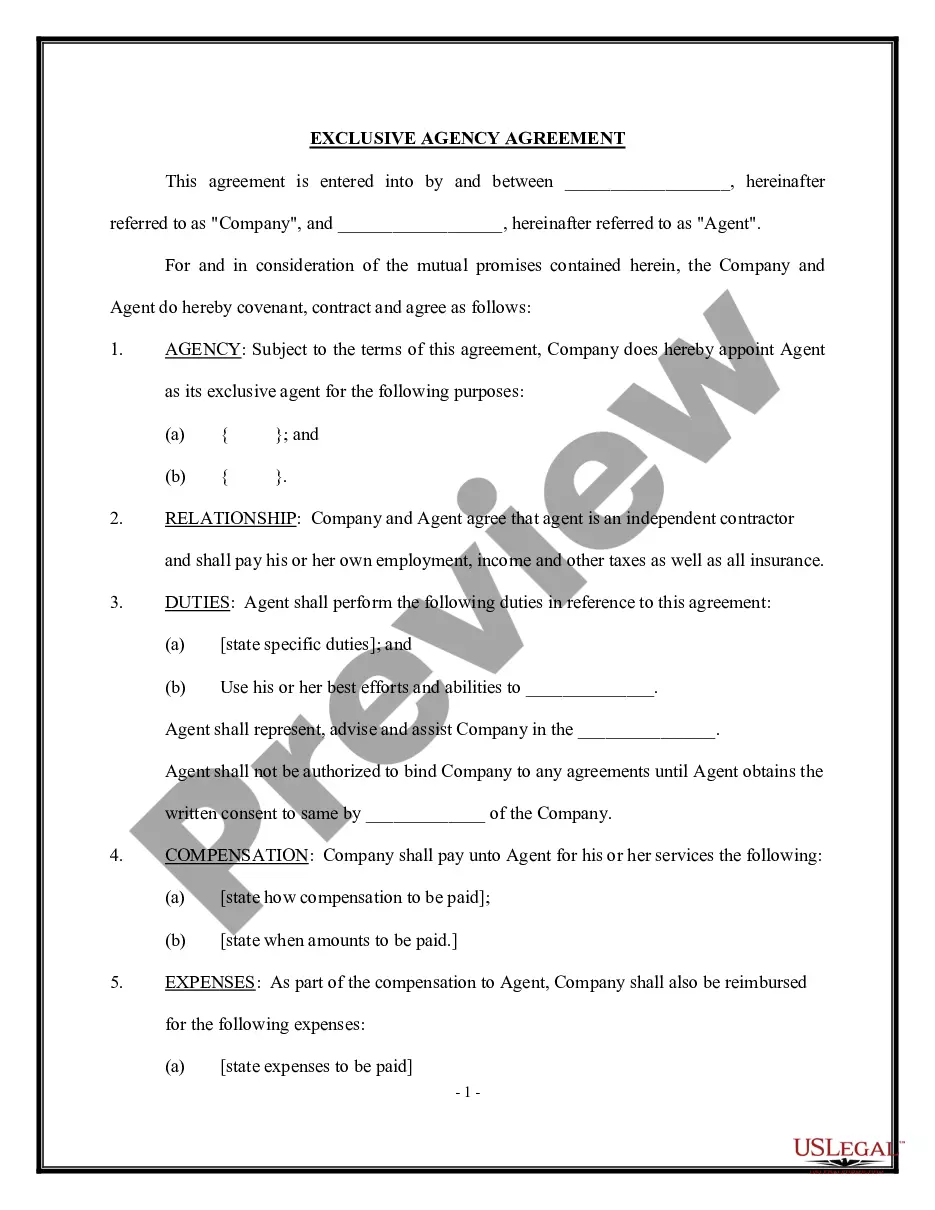
Foreclosure Letter Format In Georgia
Description








Get your form ready online
Our built-in tools help you complete, sign, share, and store your documents in one place.
Make edits, fill in missing information, and update formatting in US Legal Forms—just like you would in MS Word.
Download a copy, print it, send it by email, or mail it via USPS—whatever works best for your next step.
Sign and collect signatures with our SignNow integration. Send to multiple recipients, set reminders, and more. Go Premium to unlock E-Sign.
If this form requires notarization, complete it online through a secure video call—no need to meet a notary in person or wait for an appointment.
We protect your documents and personal data by following strict security and privacy standards.

Make edits, fill in missing information, and update formatting in US Legal Forms—just like you would in MS Word.

Download a copy, print it, send it by email, or mail it via USPS—whatever works best for your next step.

Sign and collect signatures with our SignNow integration. Send to multiple recipients, set reminders, and more. Go Premium to unlock E-Sign.

If this form requires notarization, complete it online through a secure video call—no need to meet a notary in person or wait for an appointment.

We protect your documents and personal data by following strict security and privacy standards.
Looking for another form?







Form popularity
FAQ
Follow these simple steps to foreclose your home loan Inform the lender. Lenders have hundreds of loans running simultaneously. Get all the paperwork in order. Assessment of payments. Get a NOC. Remove Lien on the property. Retrieve security cheques. Get a New Encumbrance Certificate (EC) ... Retrieve the documents.
A Notice of Intention to Foreclose is your lender telling you that they are planning to foreclose on your property because you are behind on your mortgage payments.
It can be very complicated, however, it may be broken down into four basic steps. Step 1 – A 30-day Notice of Intent to Foreclose. A lender is required by law to notify the borrower 30 days prior to scheduling a foreclosure sale. Step 2 – Publicized Sale. Step 3 – Reinstating the Loan. Step 4 – A Foreclosure Sale.
What to include in a hardship letter The date, your name, address and phone number. The lender/servicer and loan number. The date or approximate time frame when the hardship started. The expected timeframe of hardship — short term (six months or less) or long term. Describe your goal. State the facts, not emotions.
In fact most Responses to complaints are formal pleadings. You can go to the clerk of the court and examine files that have answers in them if you wish to see the format. If you send a letter, simply explain to the court what you are requesting from the bank in order to try to keep your home.
This right provides the owner every reasonable opportunity to reacquire the property; provided, however, that the guidelines and requirements below are followed. The redemption must take place within 12 months of the date of the sale or at any time after the sale until the right to redeem is foreclosed.
In Georgia, most home foreclosures happen without a court hearing. Before the foreclosure sale, the Bank must send you a notice that it will foreclose and publish notice of the sale in the local newspaper. Then the home is sold on the courthouse steps.
Reinstating the Mortgage Loan Reinstating a loan (bringing it current by paying all past-due amounts) stops a foreclosure because the borrower catches up on the defaulted payments. Some states have a law permitting a delinquent borrower to reinstate the loan by a specific deadline.
The Stages of Foreclosure Stage 1: Default of Payment. Stage 2: Notice of Default. Stage 3: Notice of Sale. Stage 4: Foreclosure Sale. Stage 5: Eviction.