Replevin For A Cow For Meat In Franklin
Description








Get your form ready online
Our built-in tools help you complete, sign, share, and store your documents in one place.
Make edits, fill in missing information, and update formatting in US Legal Forms—just like you would in MS Word.
Download a copy, print it, send it by email, or mail it via USPS—whatever works best for your next step.
Sign and collect signatures with our SignNow integration. Send to multiple recipients, set reminders, and more. Go Premium to unlock E-Sign.
If this form requires notarization, complete it online through a secure video call—no need to meet a notary in person or wait for an appointment.
We protect your documents and personal data by following strict security and privacy standards.

Make edits, fill in missing information, and update formatting in US Legal Forms—just like you would in MS Word.

Download a copy, print it, send it by email, or mail it via USPS—whatever works best for your next step.

Sign and collect signatures with our SignNow integration. Send to multiple recipients, set reminders, and more. Go Premium to unlock E-Sign.

If this form requires notarization, complete it online through a secure video call—no need to meet a notary in person or wait for an appointment.

We protect your documents and personal data by following strict security and privacy standards.
Looking for another form?


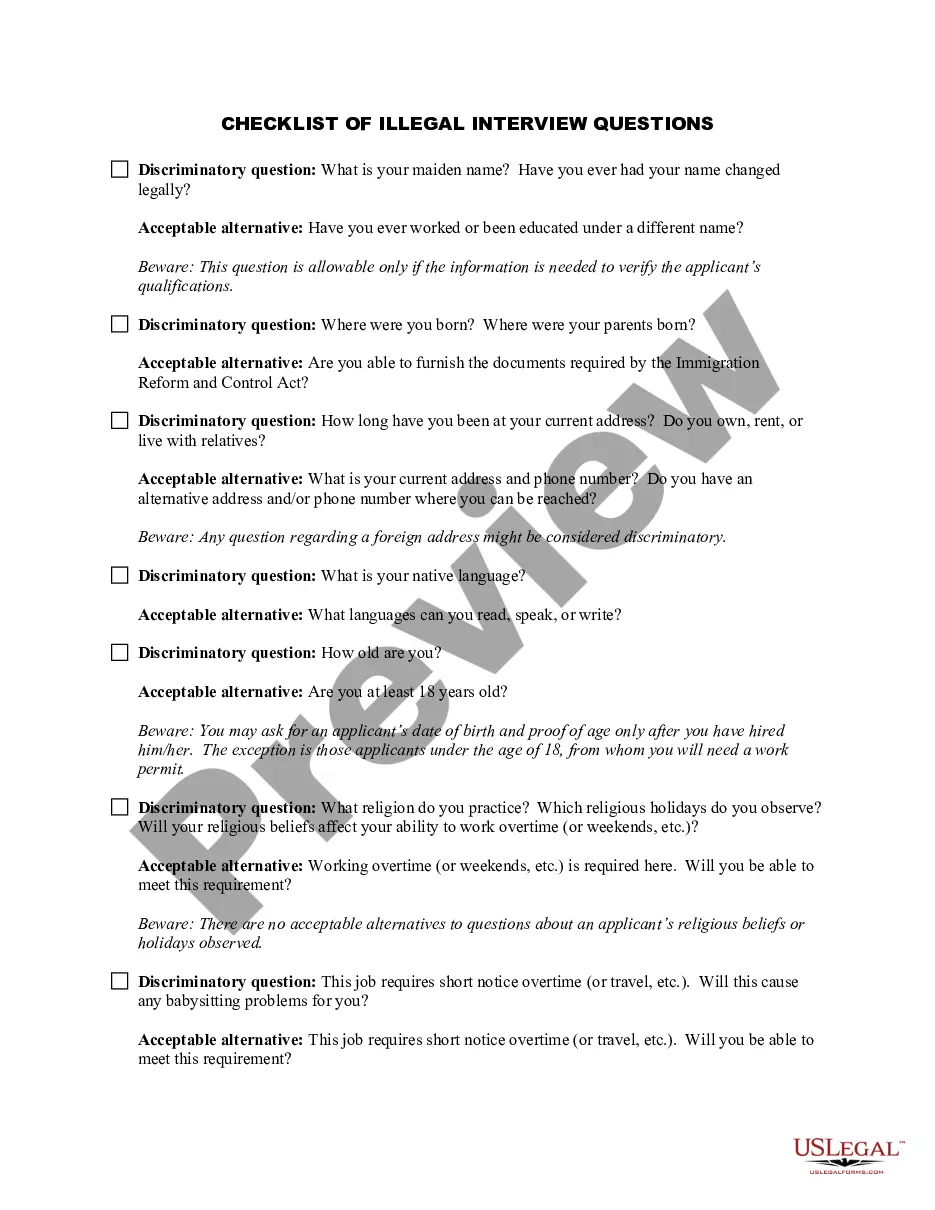
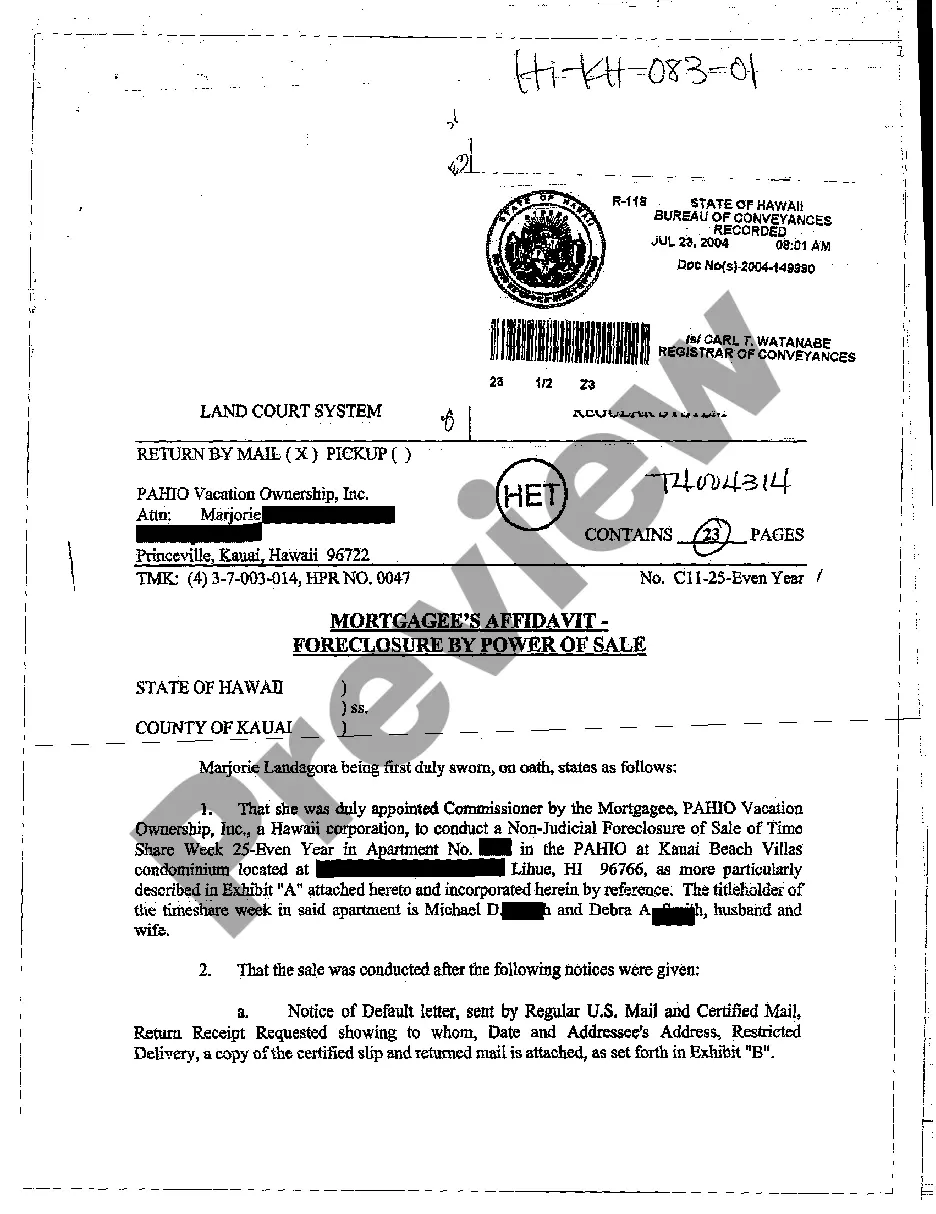

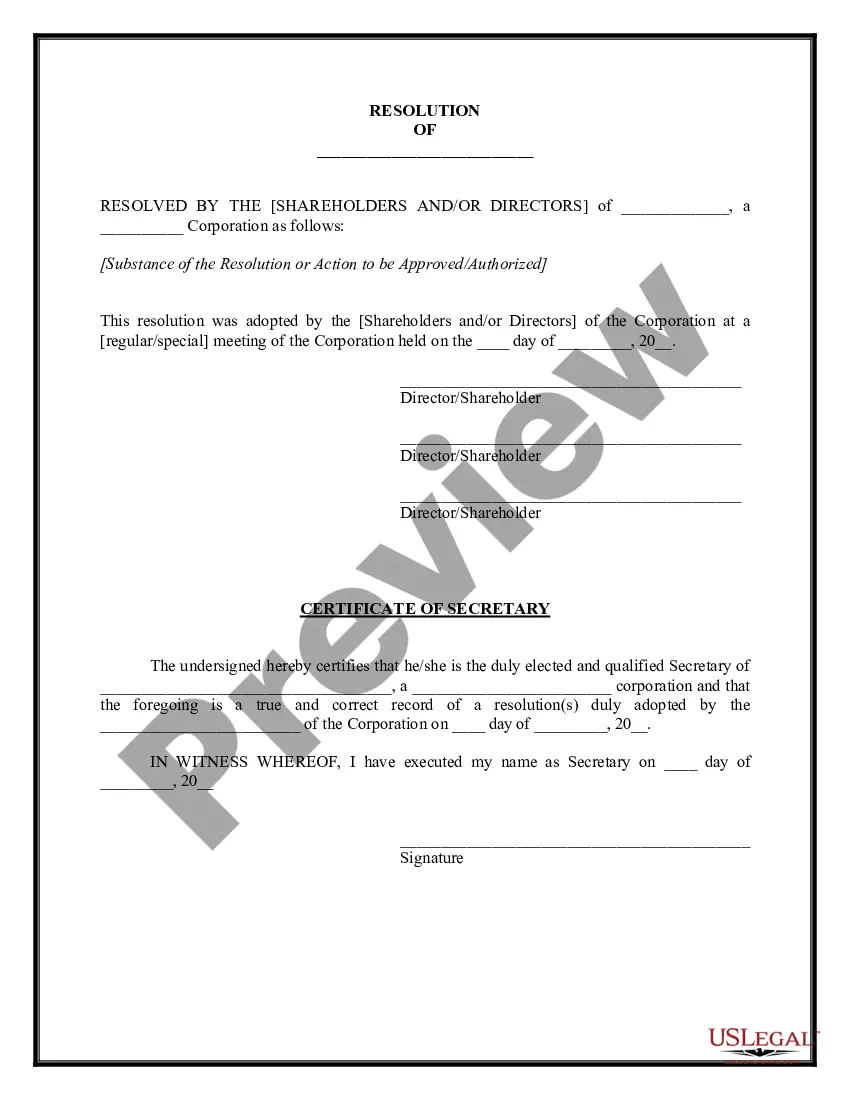




Form popularity
FAQ
For example, a bank might file a replevin action against a borrower to repossess the borrower's car after he missed too many payments. Replevin can also refer to a writ authorizing the retaking of property by its rightful owner (i.e., the remedy sought by replevin actions).
Replevin - The notice requirements for repossession apply because replevin is merely a judicial repossession used when the collateral cannot be recovered by self-help methods and its coverage ends once the creditor has recovered the collateral. The court must return the property to the debtor who posts proper bond.
Replevin is a legal action to ask for the return of your personal property which is being kept from you by another person without your permission. You must own or have a property interest in the property you want returned. The person who has the property must be wrongfully keeping it at the time you file your action.
The process of starting a replevin action usually begins with filing a complaint. It also requires filing an affidavit in the county or district court where the property is. The affidavit: States that the plaintiff claims rightful ownership or entitlement to possession of the property.
The Complaint: The complaint in replevin typically must include: (i) a description of the property to be replevied; (ii) its value; (iii) its location if known; and (iv) the material facts upon which the claim is based – in other words, why the filing party is entitled to seize the property that has been taken.
An average cow weighing between 544 and 635 kilograms can yield approximately 100 kilograms of beef. This translates to around 54 to 82 individual ribeye steaks. However, it's important to note that the size of each ribeye steak can vary depending on personal preferences and the butchering process.
When you buy half a cow, you'll get approximately 75 -100 lbs of ground beef, and the rest will be roasts, steaks, and other cuts like brisket, ribs, stew meat, soup bones, and organ meats (liver, heart and tongue.)
pound beef animal will yield a hot carcass weight of approximately 750 pounds. Once cooled, the carcass weight will be approximately 730 pounds. When deboned and trimmed, there will be approximately 500 pounds of trimmed and de boned meat for wrapping and freezing.
There are four sections Yang moves through: 1. ROUND: bottom round roast beef, eye round roast beef, sirloin tip steak, london broil steak, shank (osso buco) 2. LOIN: sirloin steak, tenderloin steak, flank steak, filet mignon, New York strip steak 3. RIB: skirt steak, ribeye steak 4.
There are 8 main primal cuts of beef: chuck, rib, loin (consisting of the short loin and the sirloin), round, flank, plate, brisket, and shank. Divided by groups of muscles, the meat from each primal has its own unique flavor, texture, and level of fat and marbling due to how hard the muscles were worked.
