Writ Of Replevin Form With Two Points In Fairfax
Description








Get your form ready online
Our built-in tools help you complete, sign, share, and store your documents in one place.
Make edits, fill in missing information, and update formatting in US Legal Forms—just like you would in MS Word.
Download a copy, print it, send it by email, or mail it via USPS—whatever works best for your next step.
Sign and collect signatures with our SignNow integration. Send to multiple recipients, set reminders, and more. Go Premium to unlock E-Sign.
If this form requires notarization, complete it online through a secure video call—no need to meet a notary in person or wait for an appointment.
We protect your documents and personal data by following strict security and privacy standards.

Make edits, fill in missing information, and update formatting in US Legal Forms—just like you would in MS Word.

Download a copy, print it, send it by email, or mail it via USPS—whatever works best for your next step.

Sign and collect signatures with our SignNow integration. Send to multiple recipients, set reminders, and more. Go Premium to unlock E-Sign.

If this form requires notarization, complete it online through a secure video call—no need to meet a notary in person or wait for an appointment.

We protect your documents and personal data by following strict security and privacy standards.
Looking for another form?
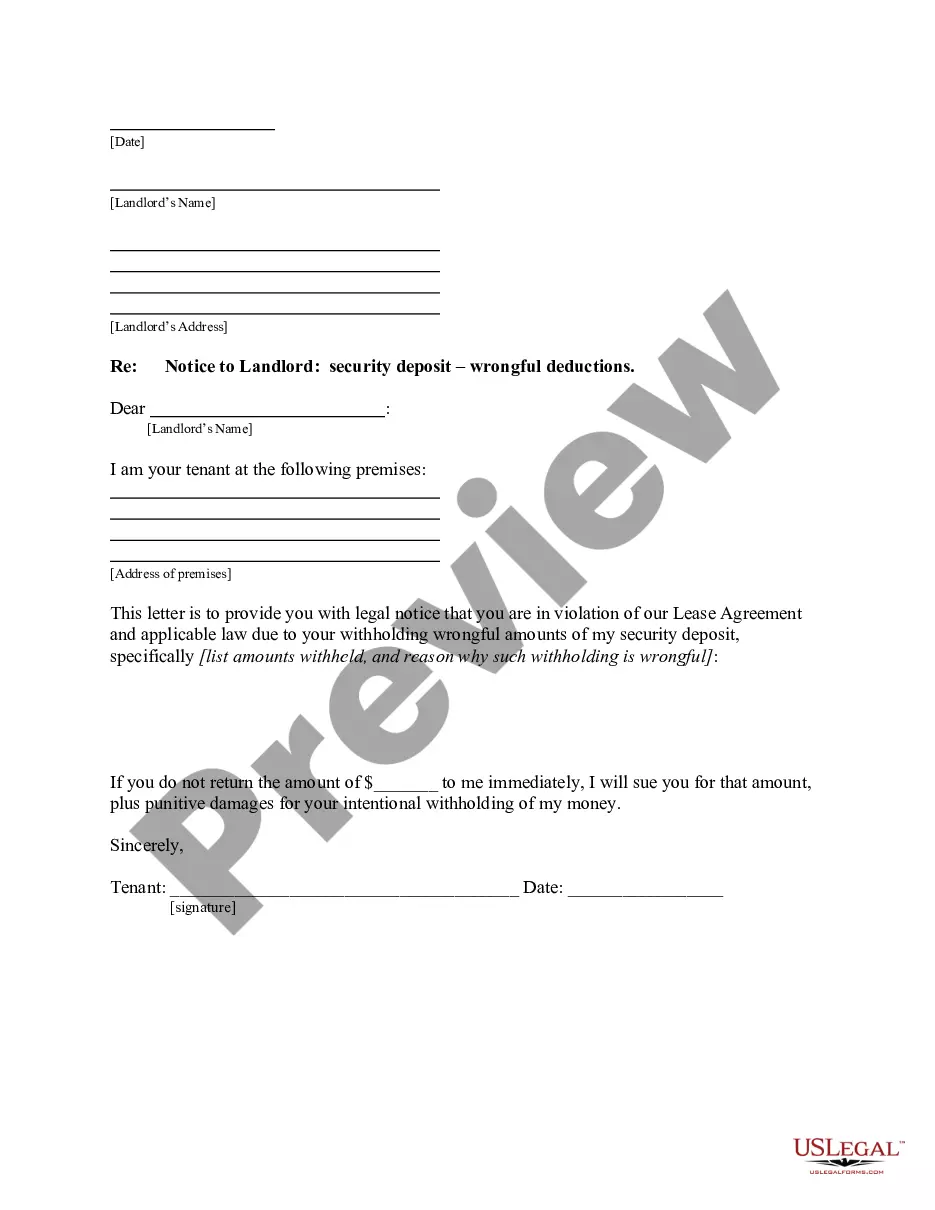
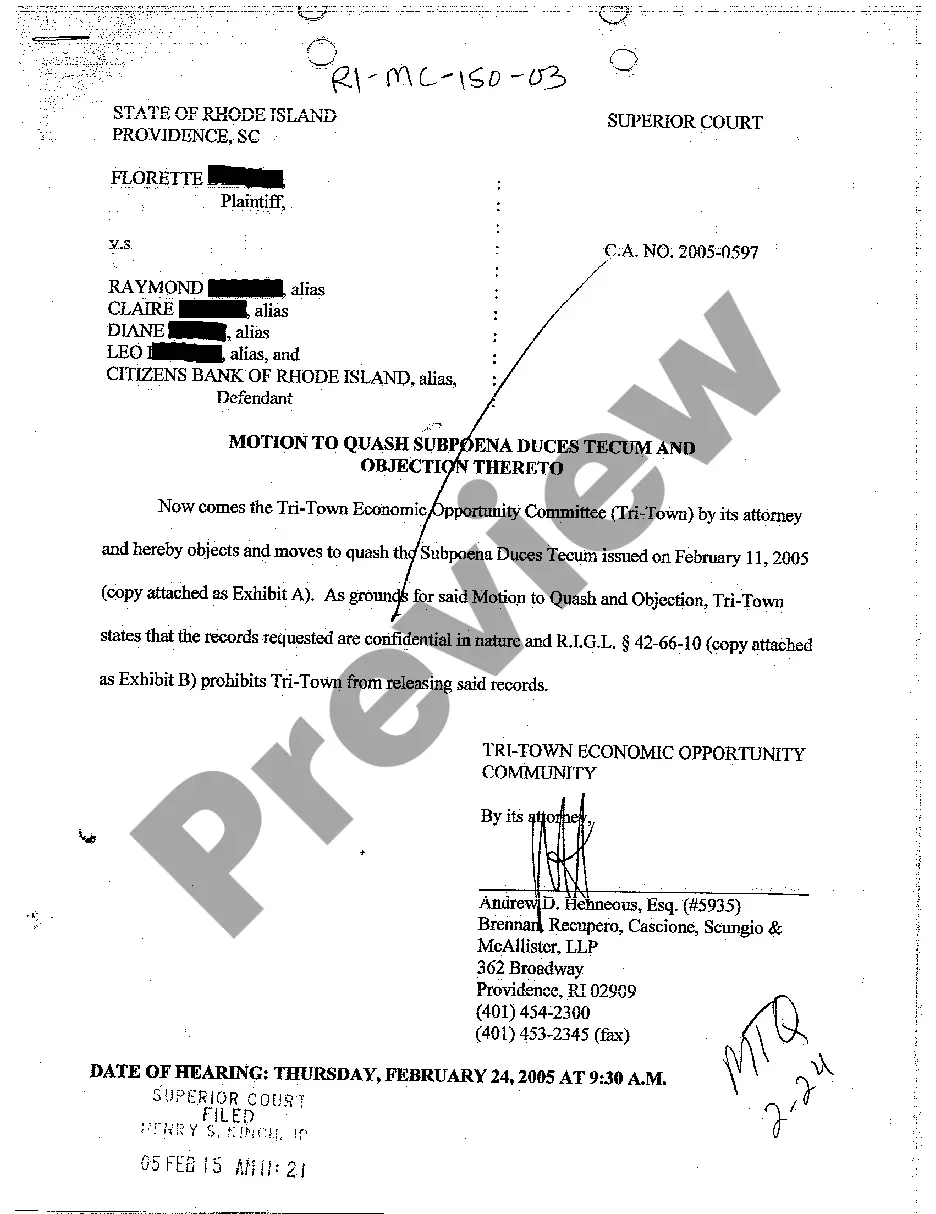



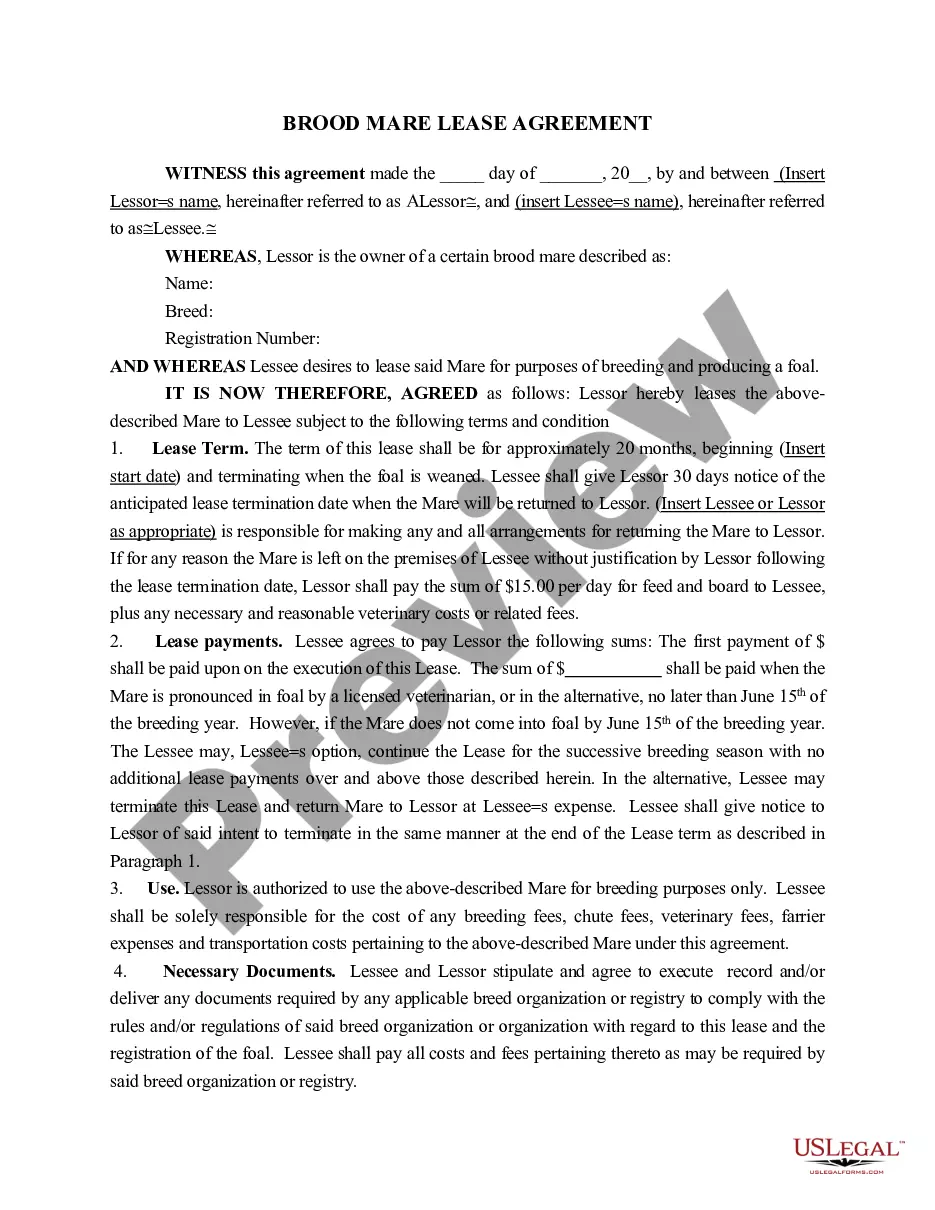
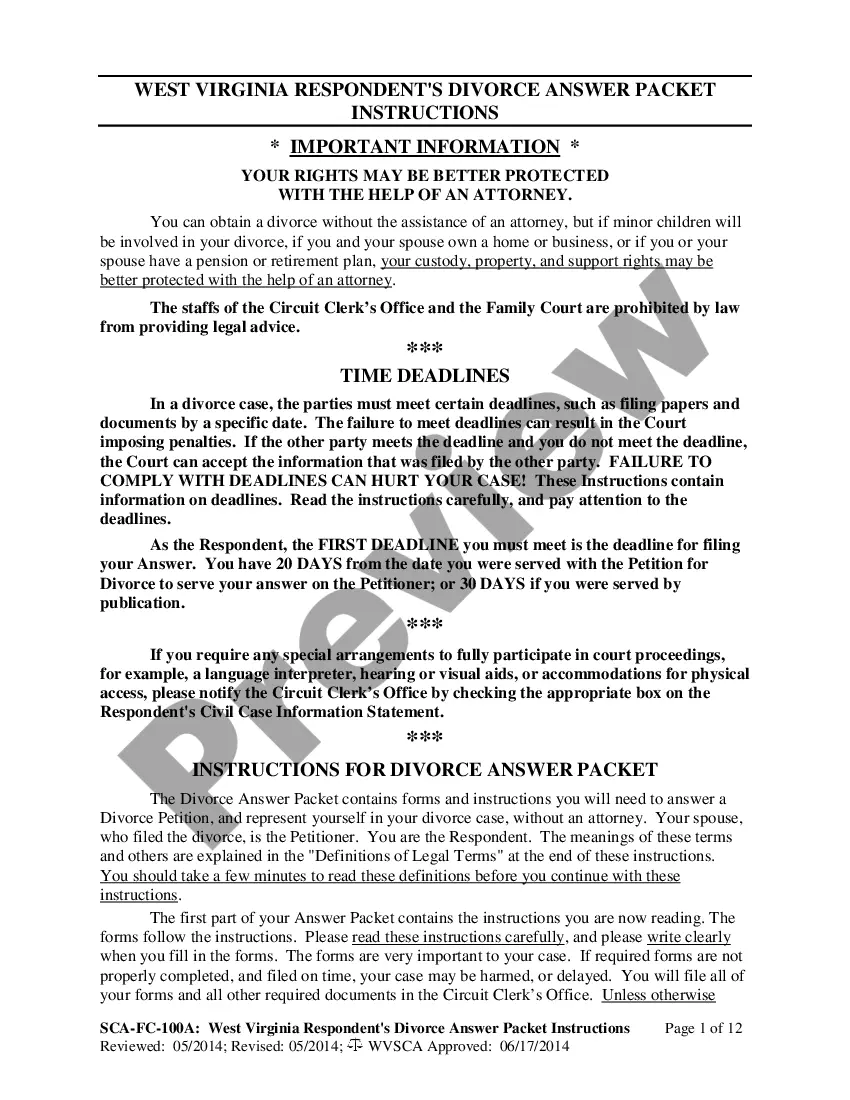
Form popularity
FAQ
Writs of eviction, in case of unlawful entry and detainer, shall be issued within 180 days from the date of judgment for possession and shall be made returnable within 30 days from the date of issuing the writ, and any executed writ shall be returned to the issuing clerk by the sheriff executing such writ.
Judgment for possession is entered, your landlord must file a writ of restitution to evict you. Your landlord must wait two days after the judgment is entered to file the writ. The writ becomes “live” or active three days after it is filed. Writs last for 75 days, so you can be evicted within that period.
This process authorizes the Sheriff to go to the debtor's residence and inventory and/or seize property for collection of the debt. The Writ of Fieri Facias is good for ninety (90) days from the date of issuance. This means the Sheriff has ninety (90) days in which to execute the process.
Writs of assistance are valid from the date of issue and cease to be valid six months after the end of the reign of the monarch under which the order was issued.
Levy Information - A writ of fieri facias is a post-judgment legal process issued by the Clerk's Office at the request of the judgment creditor or agent, which commands the sheriff to assist in enforcing the judgment by following the instructions of the writ.
The process of starting a replevin action usually begins with filing a complaint. It also requires filing an affidavit in the county or district court where the property is. The affidavit: States that the plaintiff claims rightful ownership or entitlement to possession of the property.
File a motion for a writ of replevin. The motion must be accompanied by an affidavit or verified complaint that supports the allegations in your complaint. The affidavit must also state that you will post a replevin bond with the court. The amount of the bond will be set by the court.
File a motion for a writ of replevin. The motion must be accompanied by an affidavit or verified complaint that supports the allegations in your complaint. The affidavit must also state that you will post a replevin bond with the court. The amount of the bond will be set by the court.
The Complaint: The complaint in replevin typically must include: (i) a description of the property to be replevied; (ii) its value; (iii) its location if known; and (iv) the material facts upon which the claim is based – in other words, why the filing party is entitled to seize the property that has been taken.
