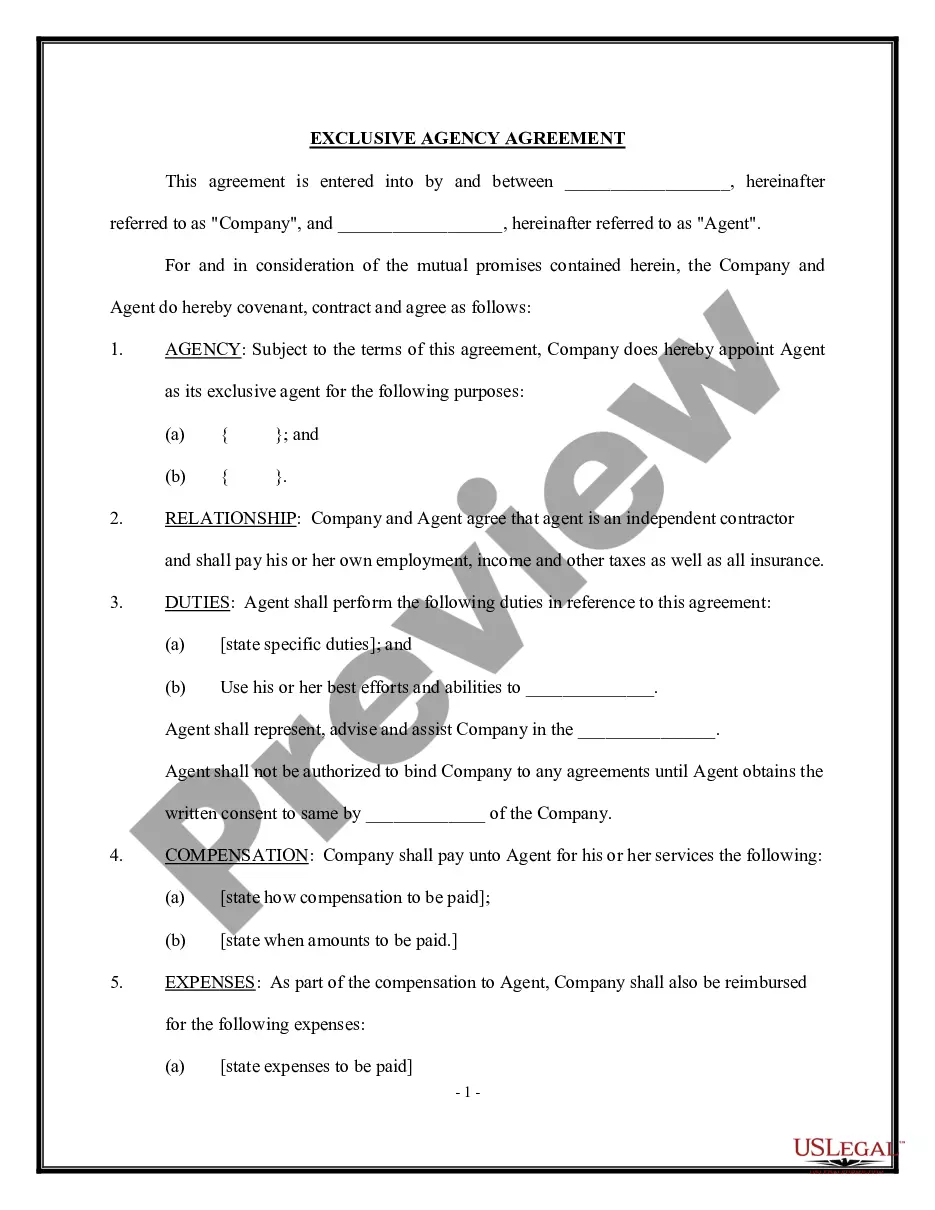
Foreclosure Letter For Home Loan In Dallas
Description


Get your form ready online
Our built-in tools help you complete, sign, share, and store your documents in one place.
Make edits, fill in missing information, and update formatting in US Legal Forms—just like you would in MS Word.
Download a copy, print it, send it by email, or mail it via USPS—whatever works best for your next step.
Sign and collect signatures with our SignNow integration. Send to multiple recipients, set reminders, and more. Go Premium to unlock E-Sign.
If this form requires notarization, complete it online through a secure video call—no need to meet a notary in person or wait for an appointment.
We protect your documents and personal data by following strict security and privacy standards.

Make edits, fill in missing information, and update formatting in US Legal Forms—just like you would in MS Word.

Download a copy, print it, send it by email, or mail it via USPS—whatever works best for your next step.

Sign and collect signatures with our SignNow integration. Send to multiple recipients, set reminders, and more. Go Premium to unlock E-Sign.

If this form requires notarization, complete it online through a secure video call—no need to meet a notary in person or wait for an appointment.

We protect your documents and personal data by following strict security and privacy standards.
Looking for another form?



Form popularity
FAQ
A servicer that receives a complete loss mitigation application more than 37 days before a foreclosure sale must take two steps within 30 days: • First, the servicer must evaluate the borrower for all loss mitigation options available to the borrower from the owner or investor of the borrower's mortgage loan.
The Stages of Foreclosure Stage 1: Default of Payment. Stage 2: Notice of Default. Stage 3: Notice of Sale. Stage 4: Foreclosure Sale. Stage 5: Eviction.
In a non-judicial foreclosure, after the 20-day "right to reinstate" period has expired and at least 21 days before the sale, the servicer must provider the borrower with a Notice of Sale, letting them know the date and earliest time of the sale.
Under Texas law, the lender must use a quasi-judicial process to foreclose this kind of loan. In this process, the lender must get a court order approving the foreclosure before conducting a nonjudicial foreclosure. Also, Texas law doesn't allow deficiency judgments following the foreclosure of a home equity loan.
Texas homeowners Most foreclosures are non-judicial types. This means court approval isn't required and speeds up the process. Many Texas foreclosures take 160 days. This is much faster than the national average of 922 days in foreclosure for the second quarter of 2021.
In non-judicial foreclosures, the trustee or a substitute trustee will be the one to conduct the sale. These auctions can sometimes be referred to as a "trustee sale" or "substitute trustee" sale.
In fact most Responses to complaints are formal pleadings. You can go to the clerk of the court and examine files that have answers in them if you wish to see the format. If you send a letter, simply explain to the court what you are requesting from the bank in order to try to keep your home.
The Texas Foreclosure Process in 3 Steps Step 1: Notice of Default and Intent to Accelerate. Step 2: Notice of Sale. Step 3: The Foreclosure Sale.
We can outline the key timeline events in the Texas foreclosure process. Generally, homeowners fall into default after missing 3-6 months of mortgage payments. Upon reaching at least 120 days behind on payments, homeowners may receive a notice of default.