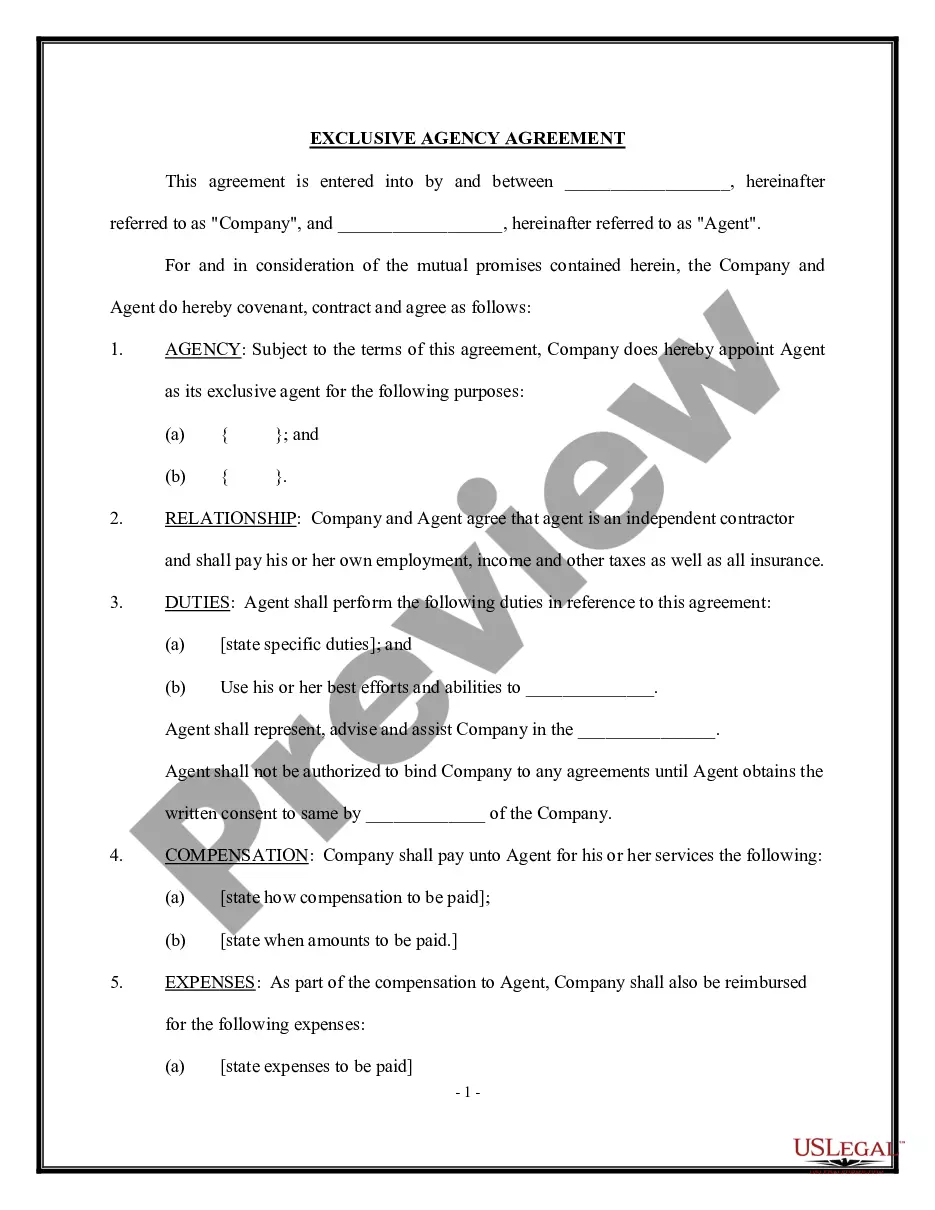
Foreclosure Letter For Home Loan In Contra Costa
Description








Get your form ready online
Our built-in tools help you complete, sign, share, and store your documents in one place.
Make edits, fill in missing information, and update formatting in US Legal Forms—just like you would in MS Word.
Download a copy, print it, send it by email, or mail it via USPS—whatever works best for your next step.
Sign and collect signatures with our SignNow integration. Send to multiple recipients, set reminders, and more. Go Premium to unlock E-Sign.
If this form requires notarization, complete it online through a secure video call—no need to meet a notary in person or wait for an appointment.
We protect your documents and personal data by following strict security and privacy standards.

Make edits, fill in missing information, and update formatting in US Legal Forms—just like you would in MS Word.

Download a copy, print it, send it by email, or mail it via USPS—whatever works best for your next step.

Sign and collect signatures with our SignNow integration. Send to multiple recipients, set reminders, and more. Go Premium to unlock E-Sign.

If this form requires notarization, complete it online through a secure video call—no need to meet a notary in person or wait for an appointment.

We protect your documents and personal data by following strict security and privacy standards.
Looking for another form?







Form popularity
FAQ
Affidavit of Death – A document recorded to verify the death and identify the decedent as a former interest holder in the specifically-described or referred to real property. Agreement – Specifies agreement to terms and conditions relating to real property.
However, you may still have the opportunity to pursue mortgage reinstatement after the property has entered the foreclosure process. But once the foreclosure sale is finalized, you may no longer be eligible to reinstate your mortgage. If your home is in foreclosure, reach out to your lender.
Notice of Default – Foreclosure starts when your lender records a Notice of Default against your property with the Registrar Recorder's office. The Notice of Default tells you the total amount you owe including missed payments and foreclosure fees.
In California, lenders can foreclose either: Without going to court (non-judicial) By going to court (judicial)
21 days later, the property can be sold If no one else bids, your home goes to the lender. The successful bidder gets a trustee's deed once the sale is complete. You have up until 5 days before the foreclosure sale to stop the process. This is called “reinstatement” of the loan.
California's new foreclosure laws emphasize homeowners' rights and aim to reduce the stress associated with foreclosure. Some of the most impactful changes include: Enhanced Notification: Lenders must give more straightforward notices with specific timelines, allowing titleholders to understand their options.
A California borrower only has a right of redemption if the property is foreclosed through the court system in a judicial foreclosure. The redemption period is set by the court and is no longer than one year.
Notification of foreclosure-prevention options: Your servicer must try to contact you at least 30 days before starting the foreclosure process to discuss your financial situation and explore your options to avoid foreclosure.