Declaratory Judgement Expenses In Tarrant
Description

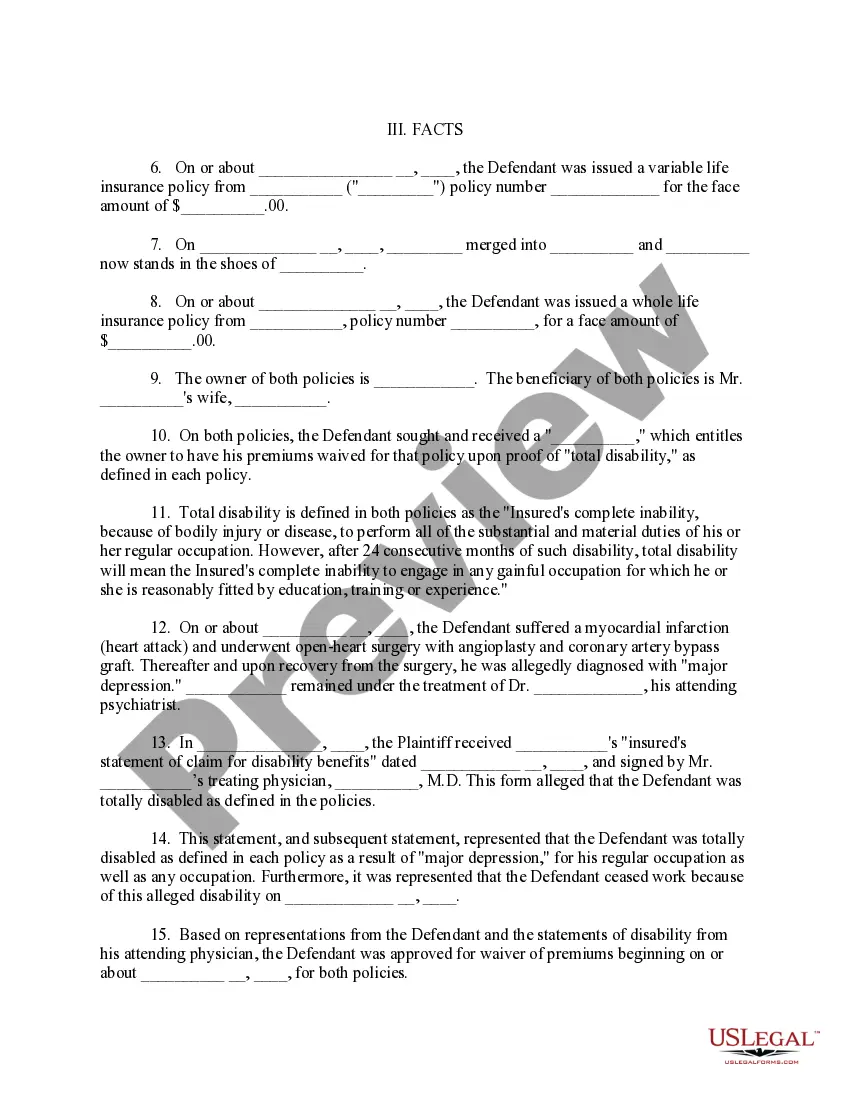
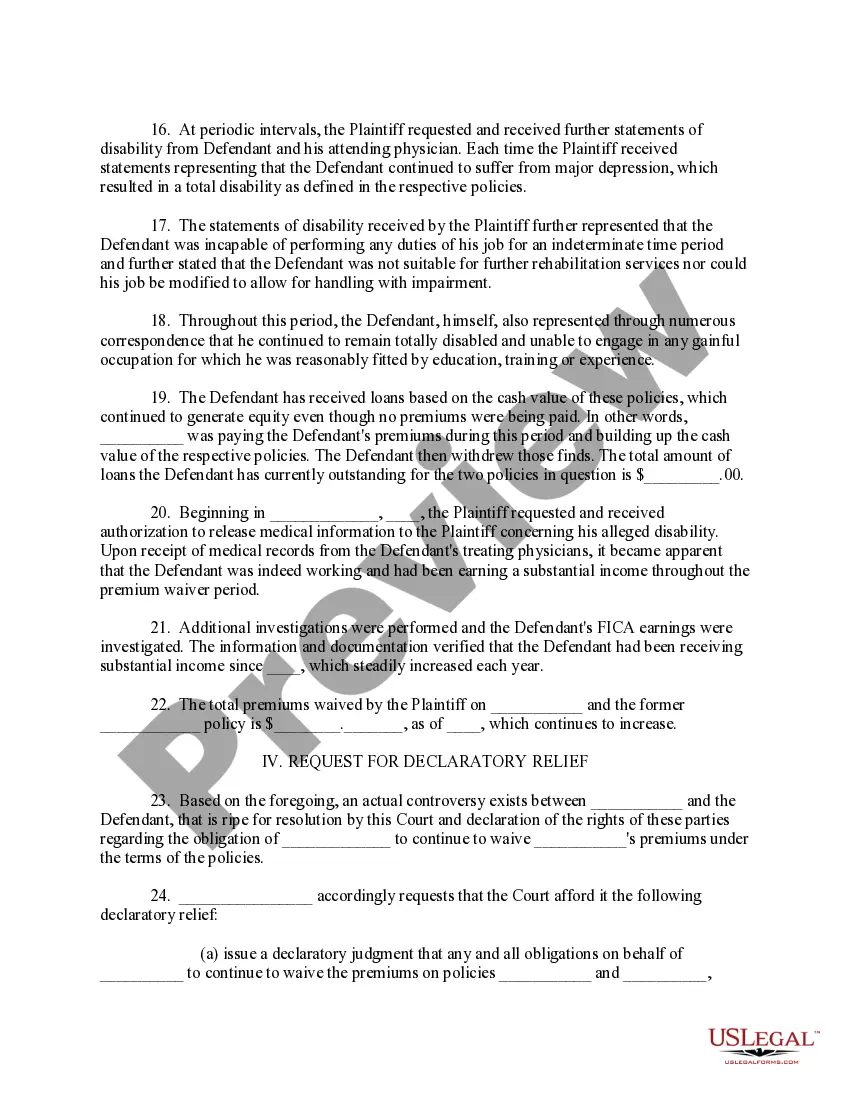
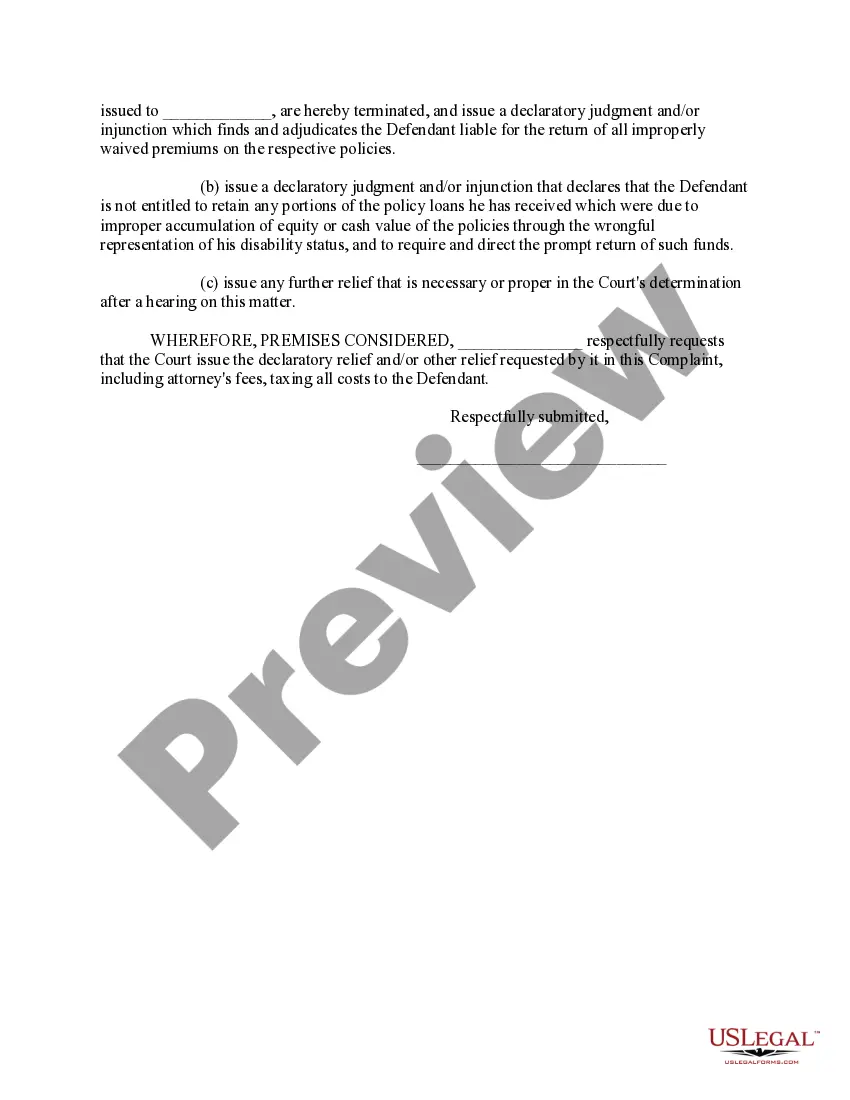



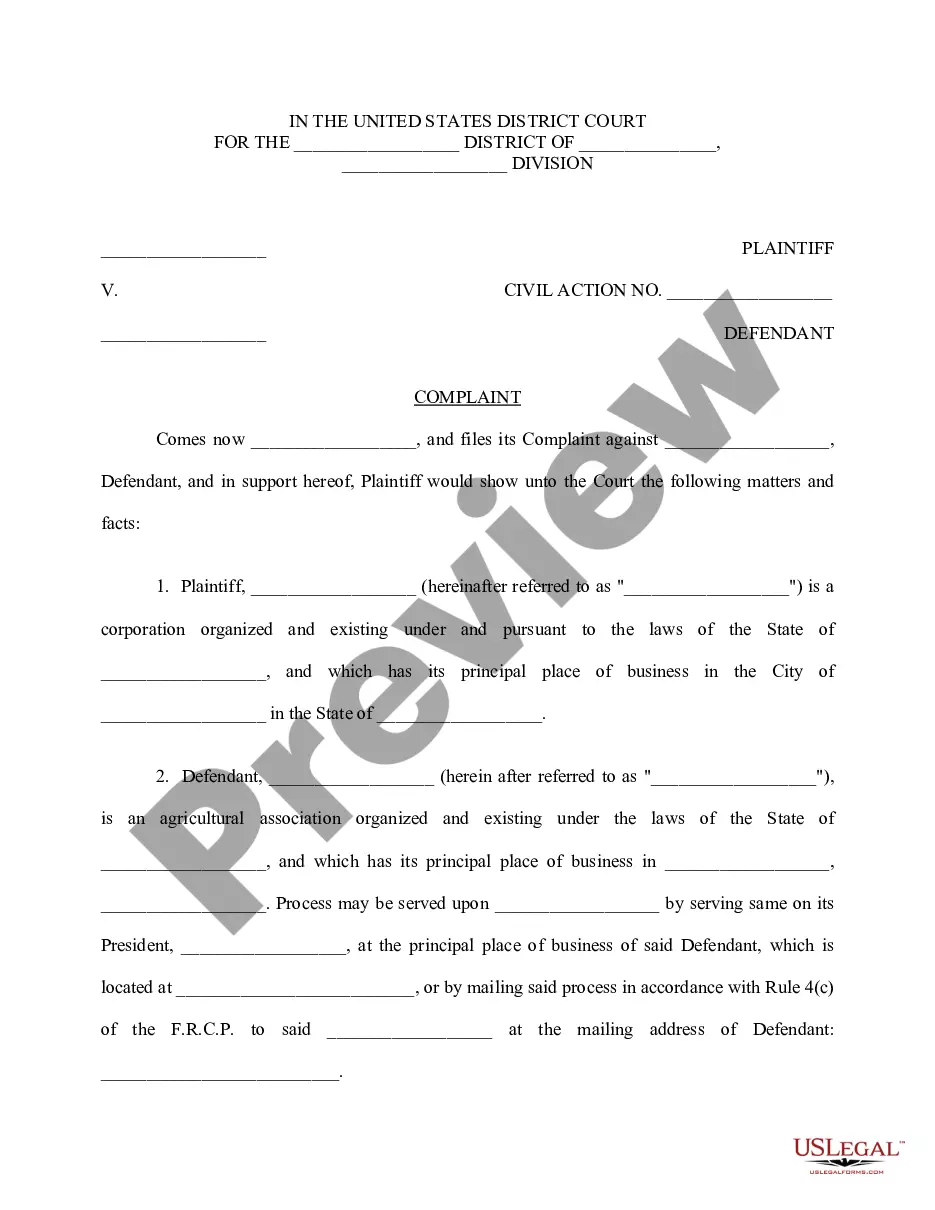
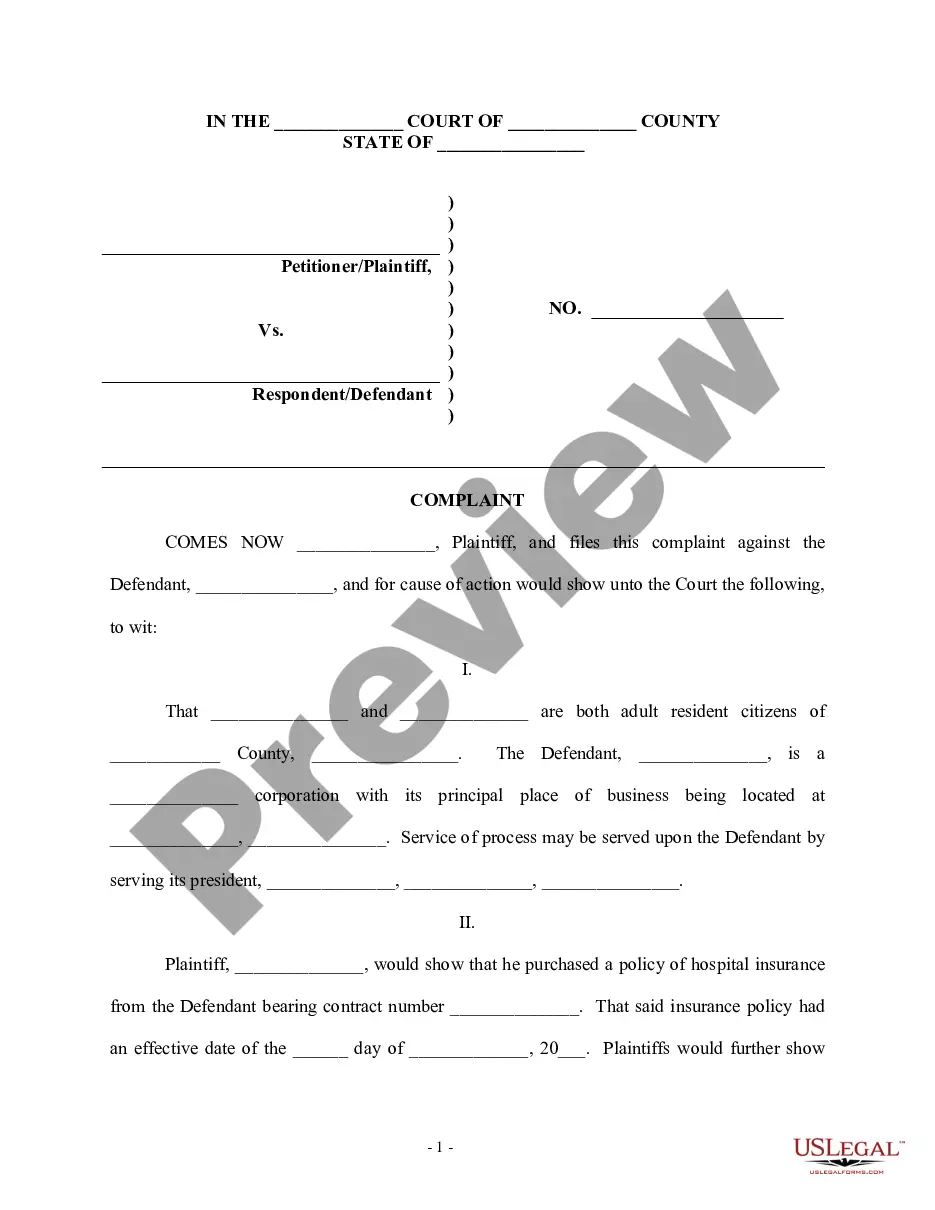
Get your form ready online
Our built-in tools help you complete, sign, share, and store your documents in one place.
Make edits, fill in missing information, and update formatting in US Legal Forms—just like you would in MS Word.
Download a copy, print it, send it by email, or mail it via USPS—whatever works best for your next step.
Sign and collect signatures with our SignNow integration. Send to multiple recipients, set reminders, and more. Go Premium to unlock E-Sign.
If this form requires notarization, complete it online through a secure video call—no need to meet a notary in person or wait for an appointment.
We protect your documents and personal data by following strict security and privacy standards.

Make edits, fill in missing information, and update formatting in US Legal Forms—just like you would in MS Word.

Download a copy, print it, send it by email, or mail it via USPS—whatever works best for your next step.

Sign and collect signatures with our SignNow integration. Send to multiple recipients, set reminders, and more. Go Premium to unlock E-Sign.

If this form requires notarization, complete it online through a secure video call—no need to meet a notary in person or wait for an appointment.

We protect your documents and personal data by following strict security and privacy standards.
Looking for another form?

Form popularity
FAQ
In other words, the declaratory judgment results in a ruling on the legal issues, while injunctive relief is the action taken based on that ruling. A plaintiff will seek permanent injunctive relief.
Declaratory relief is an equitable remedy, which is available to an interested person in a case "of actual controversy relating to the legal rights and duties of the respective parties. . . ." (Code Civ. Proc., § 1060; see Dills v. Delira Corp. (1956) 145 Cal.
The statute of limitations for breach of contract and the declaratory judgment is generally four years from the date of the accident.
Declaratory judgment and injunction Order (Injunctive Relief) are different in nature but same in purpose. The effects and outcomes may be varying ing to situation and requirements. The judgment doesn't award the remedies but the injunctive relief awards the remedies on the temporary or permanent base.
Declaratory judgment and injunction Order (Injunctive Relief) are different in nature but same in purpose. The effects and outcomes may be varying ing to situation and requirements. The judgment doesn't award the remedies but the injunctive relief awards the remedies on the temporary or permanent base.
Under federal law, the Declaratory Judgment Act allows declaratory relief when this law applies to a particular case. Declaratory relief is given when the court makes a decision about the case before it gets to the point of trial, including the rights and obligations of each party.
Declaratory judgments can provide legal certainty to each party in a matter when this could resolve or assist in a disagreement. Often an early resolution of legal rights will resolve some or all of the other issues in a matter.
A declaratory judgment is typically requested when a party is threatened with a lawsuit but the lawsuit has not yet been filed; or when a party or parties believe that their rights under law and/or contract might conflict; or as part of a counterclaim to prevent further lawsuits from the same plaintiff (for example, ...
An example of this in a case involving contracts would be a party seeking an interpretation of the contract to determine their rights. Another example would be an insured individual seeking a specific determination of their rights and surrounding circumstances regarding insurance coverage under a specific policy.
A declaratory judgment is typically requested when a party is threatened with a lawsuit but the lawsuit has not yet been filed; or when a party or parties believe that their rights under law and/or contract might conflict; or as part of a counterclaim to prevent further lawsuits from the same plaintiff (for example, ...
