Farm Would Business For Fork In Travis
Description



Get your form ready online
Our built-in tools help you complete, sign, share, and store your documents in one place.
Make edits, fill in missing information, and update formatting in US Legal Forms—just like you would in MS Word.
Download a copy, print it, send it by email, or mail it via USPS—whatever works best for your next step.
Sign and collect signatures with our SignNow integration. Send to multiple recipients, set reminders, and more. Go Premium to unlock E-Sign.
If this form requires notarization, complete it online through a secure video call—no need to meet a notary in person or wait for an appointment.
We protect your documents and personal data by following strict security and privacy standards.

Make edits, fill in missing information, and update formatting in US Legal Forms—just like you would in MS Word.

Download a copy, print it, send it by email, or mail it via USPS—whatever works best for your next step.

Sign and collect signatures with our SignNow integration. Send to multiple recipients, set reminders, and more. Go Premium to unlock E-Sign.

If this form requires notarization, complete it online through a secure video call—no need to meet a notary in person or wait for an appointment.

We protect your documents and personal data by following strict security and privacy standards.
Looking for another form?




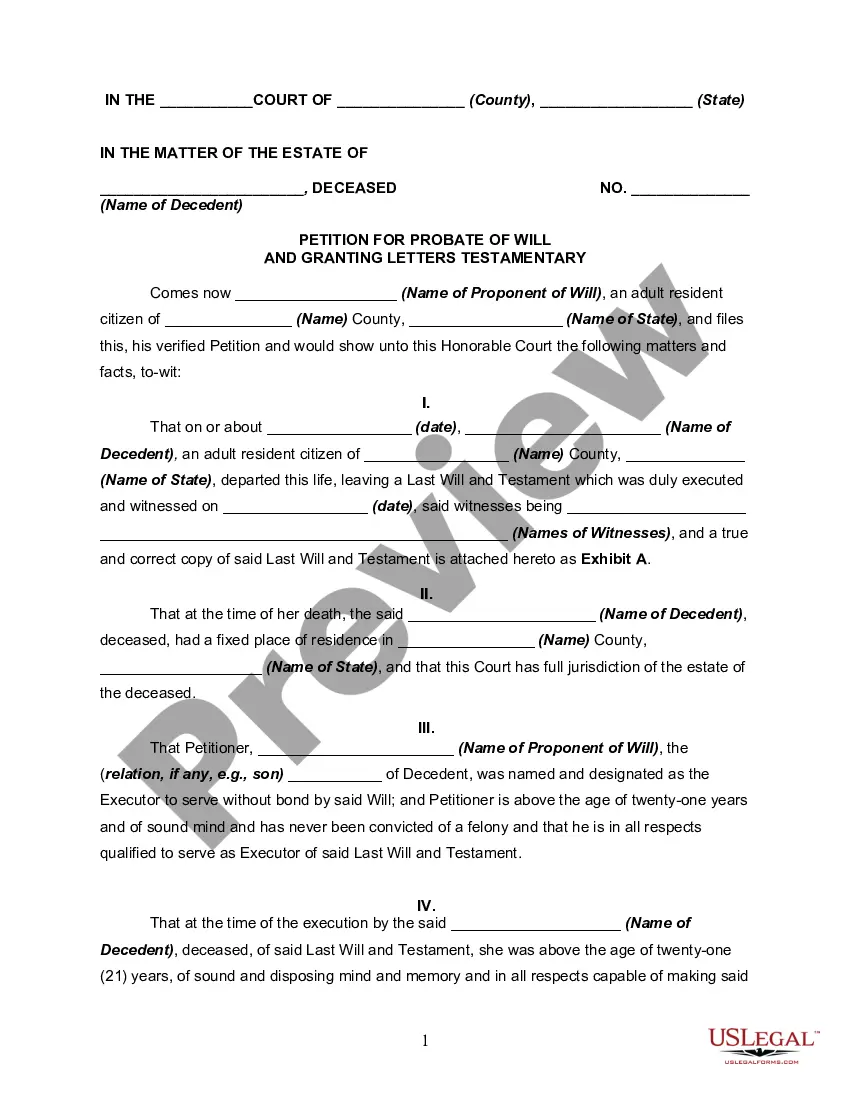

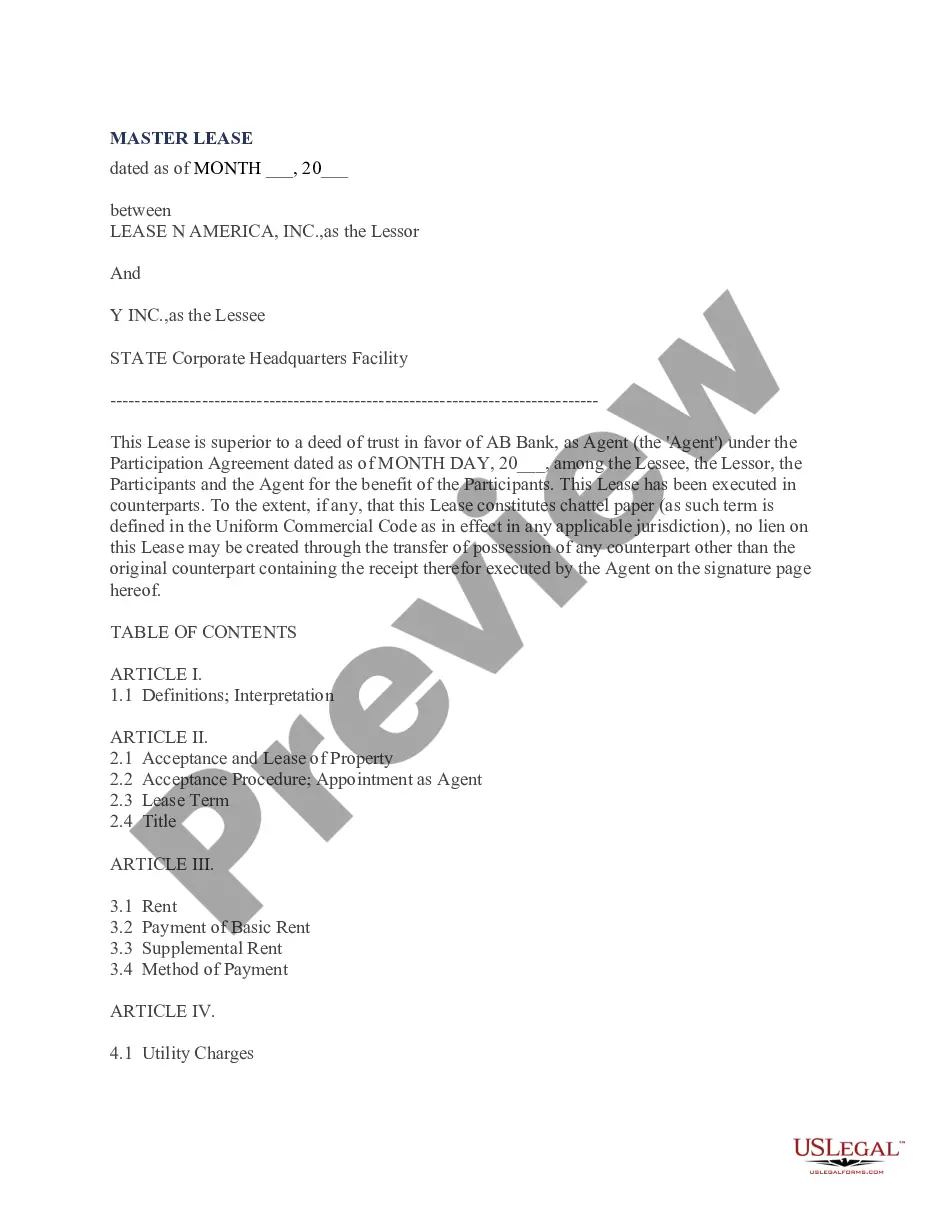
Form popularity
FAQ
Farm to fork is a concept that encompasses the various stages of food production and consumption, emphasizing a more direct connection between the production of food on farms and its consumption on our plates.
More than 1.5 million acres of farms around the city complement the larger operations such as Blue Diamond Almond Growers that are based in the city, and a year-round growing season ensures that Sacramento chefs have ample access to an unmatched agricultural bounty to prepare fresh and delicious dishes any time of the ...
A Culinary Guide to Sacramento, California's Farm-to-Fork Capital| Visit California.
Farm to fork is a concept that encompasses the various stages of food production and consumption, emphasising a more direct connection between the production of food on farms and its consumption on our plates.
Labor costs and extra efforts involved in ensuring that food is local, fresh, and sustainably sourced contribute to pricier meals. Smaller farms tend to prioritize quality over quantity and have a hard time duplicating the lower produce and animal product costs generated by massive corporations.
Farm-to-table (or farm-to-fork, and in some cases farm-to-school) is a social movement which promotes serving local food at restaurants and school cafeterias, preferably through direct acquisition from the producer (which might be a winery, brewery, ranch, fishery, or other type of food producer which is not strictly a ...
As a beginning farmer you will need a federal tax ID number , also known as an Employer Identification Number (EIN). An EIN is used to identify a business entity, hire employees, apply for business licenses, permits, and more. The EIN is necessary for reporting to the IRS. You may apply for an EIN online .
Generally speaking, there is no minimum acreage for farm tax exemption. There may, however, be specific acreage minimums required to be considered for certain land classifications such as a “greenbelt” property.
The difference between the initial value of the asset and the current value stems from various factors, including wear-and- tear, reduced expected life, and so on. The difference– or the reduction in asset value– is called depreciation.
