Farm Would Business Formula In Tarrant
Description

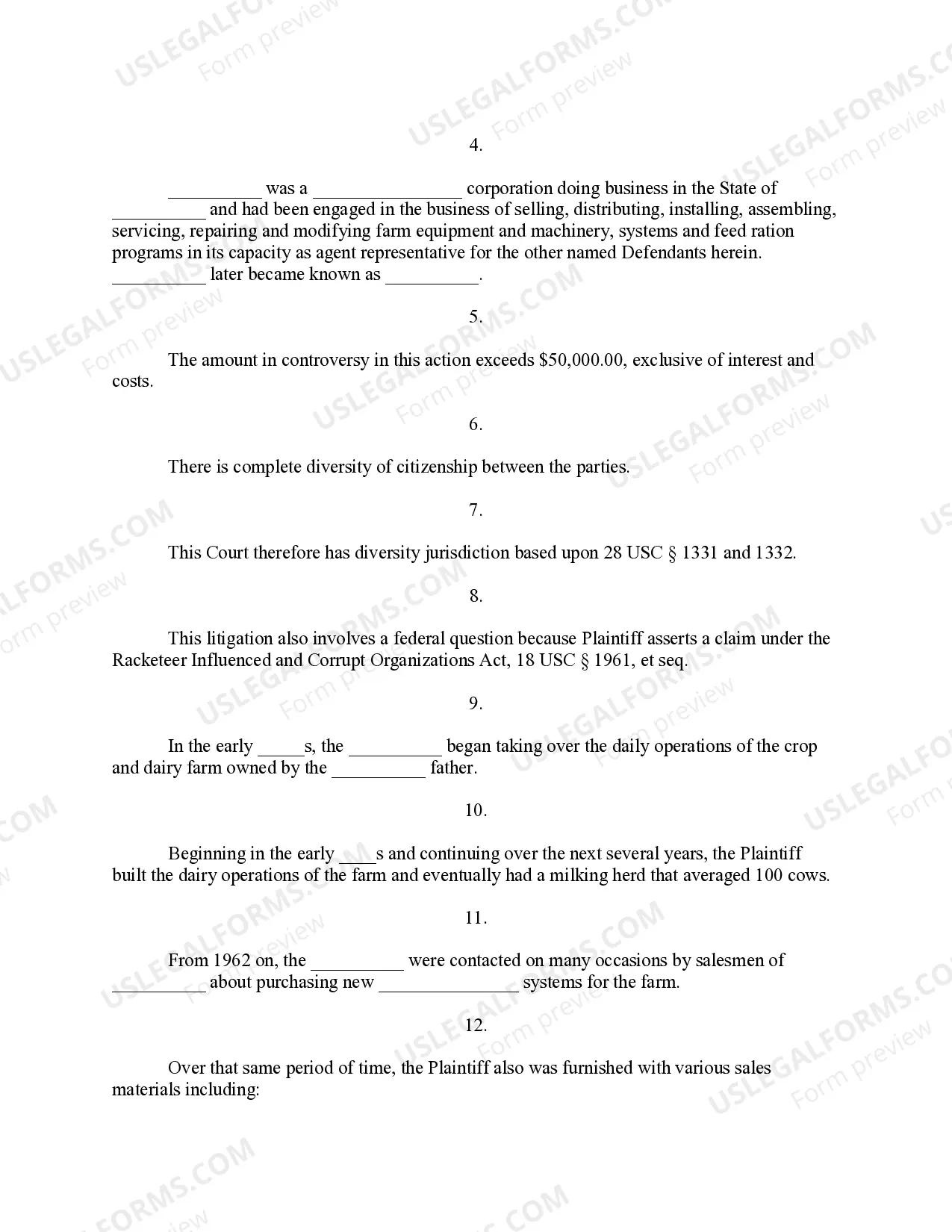
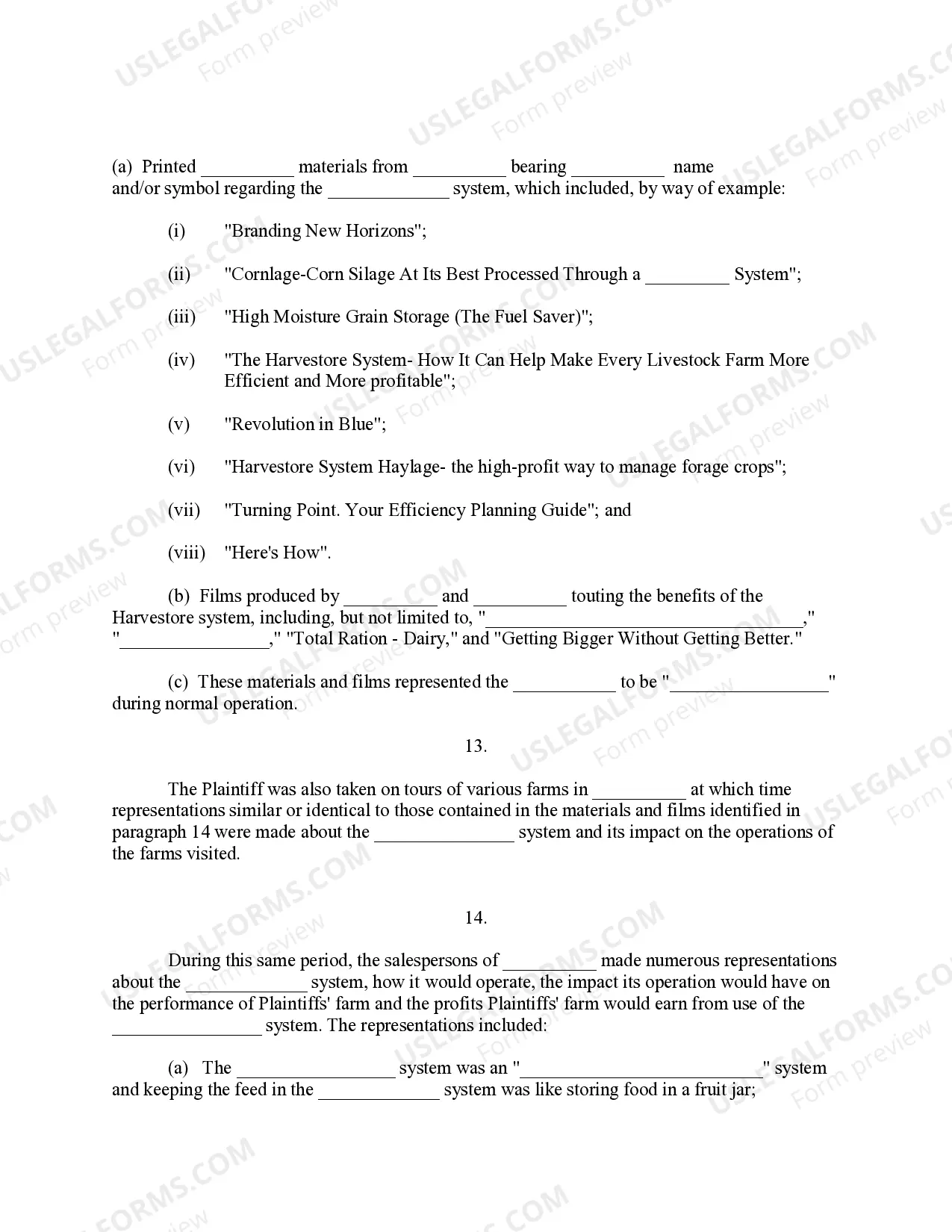
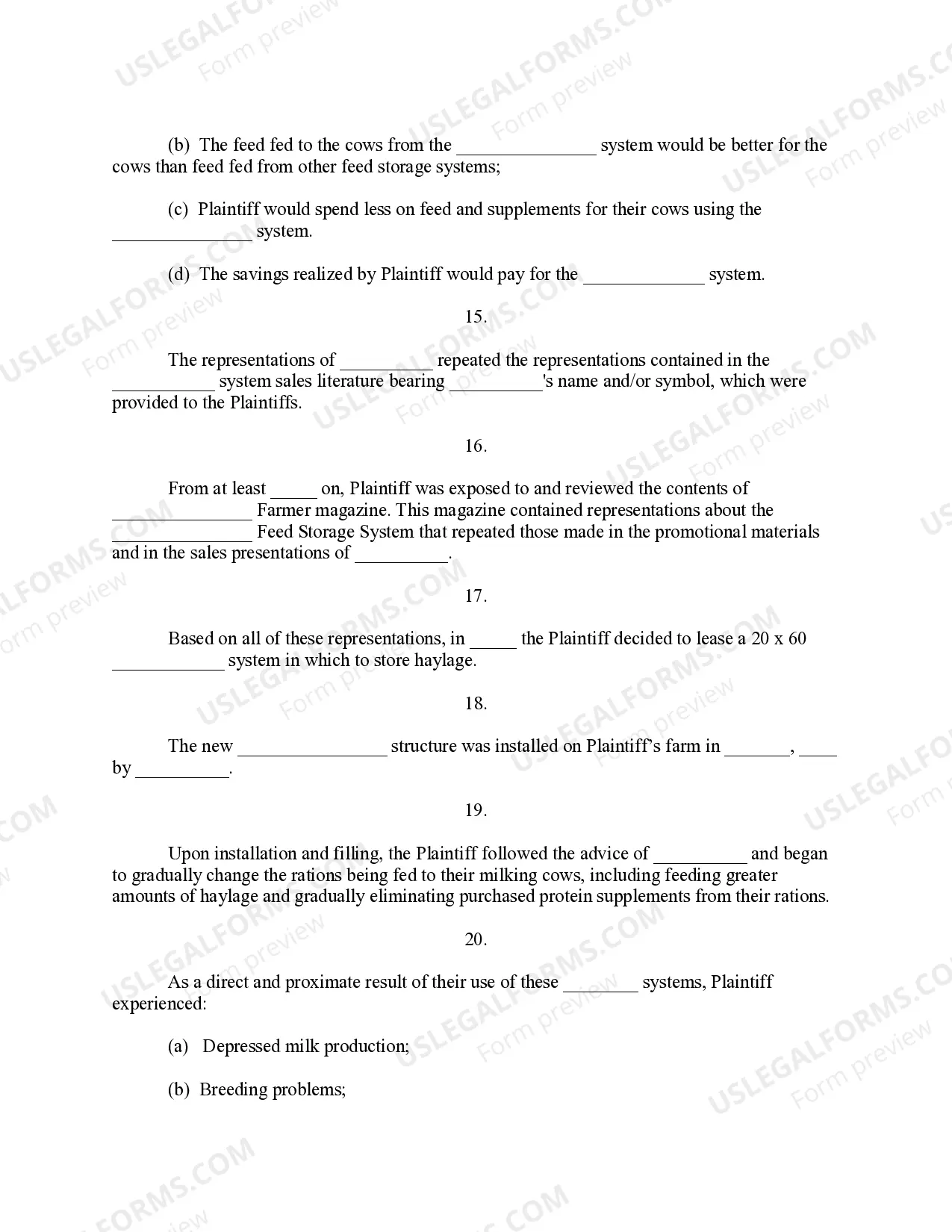
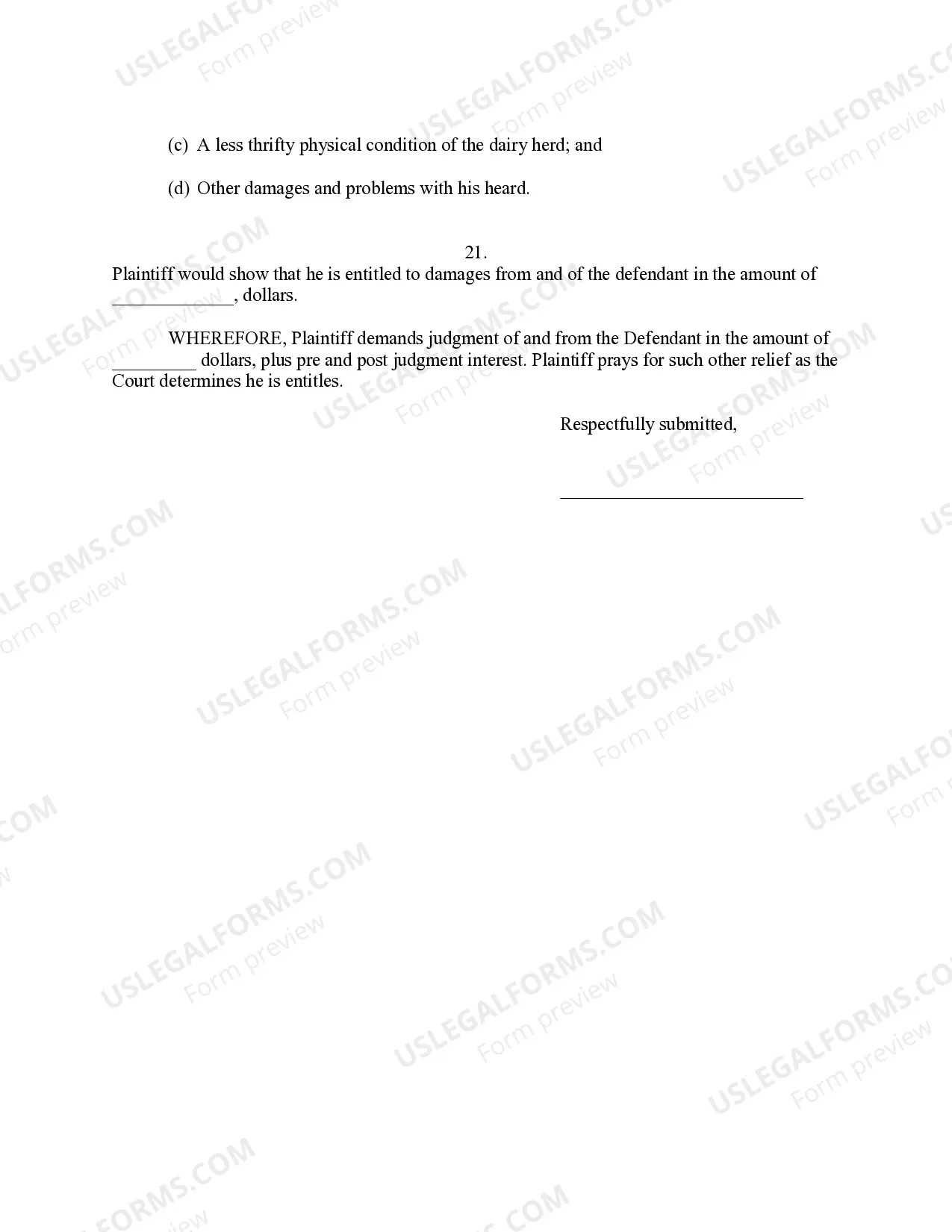


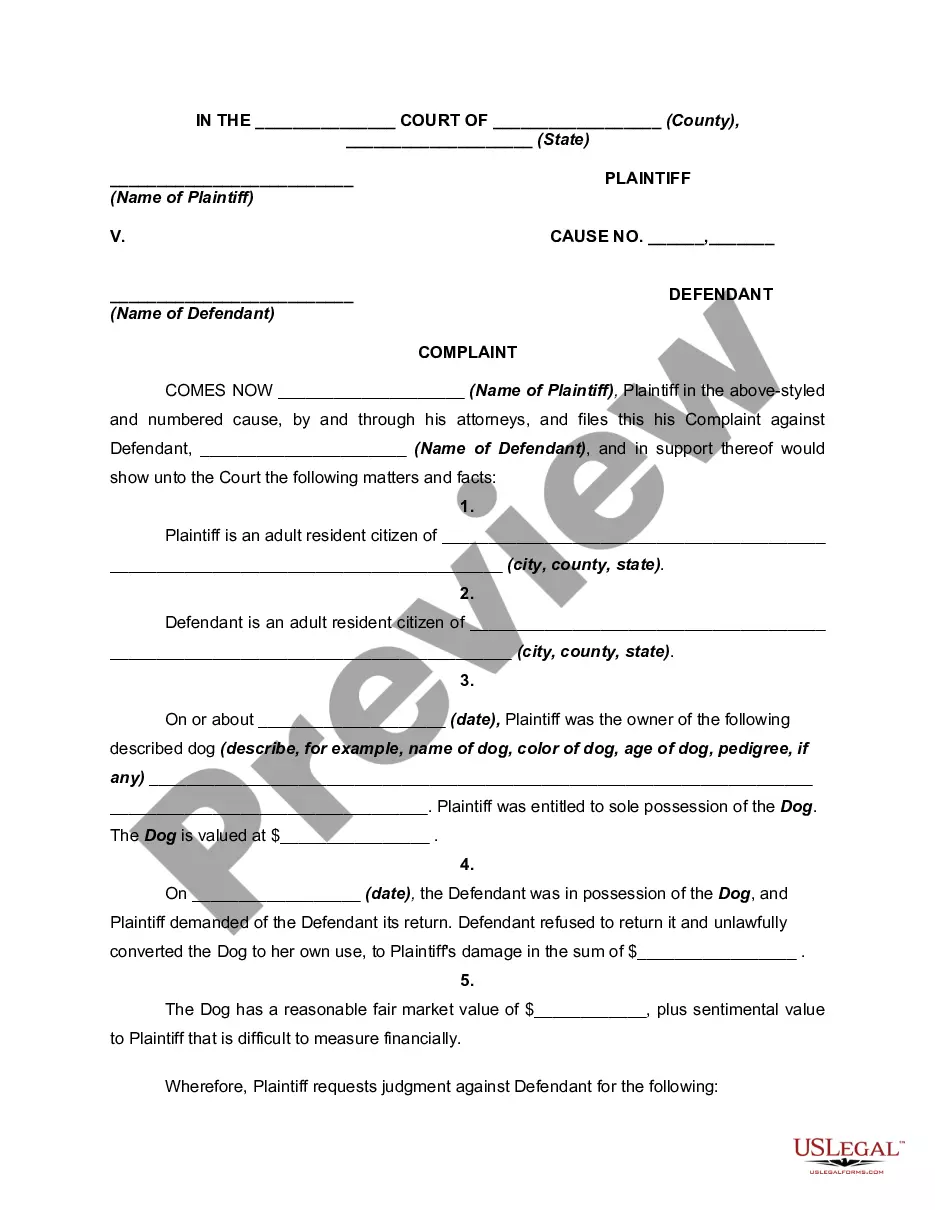
Get your form ready online
Our built-in tools help you complete, sign, share, and store your documents in one place.
Make edits, fill in missing information, and update formatting in US Legal Forms—just like you would in MS Word.
Download a copy, print it, send it by email, or mail it via USPS—whatever works best for your next step.
Sign and collect signatures with our SignNow integration. Send to multiple recipients, set reminders, and more. Go Premium to unlock E-Sign.
If this form requires notarization, complete it online through a secure video call—no need to meet a notary in person or wait for an appointment.
We protect your documents and personal data by following strict security and privacy standards.

Make edits, fill in missing information, and update formatting in US Legal Forms—just like you would in MS Word.

Download a copy, print it, send it by email, or mail it via USPS—whatever works best for your next step.

Sign and collect signatures with our SignNow integration. Send to multiple recipients, set reminders, and more. Go Premium to unlock E-Sign.

If this form requires notarization, complete it online through a secure video call—no need to meet a notary in person or wait for an appointment.

We protect your documents and personal data by following strict security and privacy standards.
Looking for another form?









Form popularity
FAQ
Make Money Off Your Homestead: Turn Your Hobby Farm into a Profitable Business Find Your Niche and Create Your Brand. Develop Strong Business Practices. Form an LLC. Create a Product Brochure. Find Creative Ways to Sell Your Products. Be Patient and Stay Focused.
Generally speaking, there is no minimum acreage for farm tax exemption. There may, however, be specific acreage minimums required to be considered for certain land classifications such as a “greenbelt” property.
Here are some essential steps to guide you through the process: Define your farming business concept. Conduct market research. Develop a business plan. Obtain licenses and certifications. Secure financing. Acquire land and necessary. Implement farming operations. Establish sales and distribution channels.
As a beginning farmer you will need a federal tax ID number , also known as an Employer Identification Number (EIN). An EIN is used to identify a business entity, hire employees, apply for business licenses, permits, and more. The EIN is necessary for reporting to the IRS. You may apply for an EIN online .
Benefits of forming an LLC for your farm This means if the farm faces a lawsuit or debt, the owners' personal property is generally protected. Flexible management structure. LLCs offer more flexibility in management compared to corporations.
Beginning in 2018, farming and ranching property, if within the 3-, 5-, 7-, and 10-year recovery periods, is generally depreciated using the 200 percent declining balance method with half-year convention. Farmers may elect, however, to depreciate this property using the 150 percent declining balance method.
Gross farm income reflects the total value of agricultural output plus Government farm program payments. Net farm income (NFI) reflects income after expenses from production in the calendar year and is calculated by subtracting farm expenses from gross farm income.
One such definition is found in IRC Section 2032A(e)(4) relative to estate tax valuation; it reads as follows: The term “farm” includes stock, dairy, poultry, fruit, furbearing animal, and truck farms, plantations, ranches, nurseries, ranges, greenhouses or other similar structures used primarily for the raising of ...
There is no minimum acreage required in order for your property to be considered a farm.
One such definition is found in IRC Section 2032A(e)(4) relative to estate tax valuation; it reads as follows: The term “farm” includes stock, dairy, poultry, fruit, furbearing animal, and truck farms, plantations, ranches, nurseries, ranges, greenhouses or other similar structures used primarily for the raising of ...
