Torts For Dummies In Utah
Description





Get your form ready online
Our built-in tools help you complete, sign, share, and store your documents in one place.
Make edits, fill in missing information, and update formatting in US Legal Forms—just like you would in MS Word.
Download a copy, print it, send it by email, or mail it via USPS—whatever works best for your next step.
Sign and collect signatures with our SignNow integration. Send to multiple recipients, set reminders, and more. Go Premium to unlock E-Sign.
If this form requires notarization, complete it online through a secure video call—no need to meet a notary in person or wait for an appointment.
We protect your documents and personal data by following strict security and privacy standards.

Make edits, fill in missing information, and update formatting in US Legal Forms—just like you would in MS Word.

Download a copy, print it, send it by email, or mail it via USPS—whatever works best for your next step.

Sign and collect signatures with our SignNow integration. Send to multiple recipients, set reminders, and more. Go Premium to unlock E-Sign.

If this form requires notarization, complete it online through a secure video call—no need to meet a notary in person or wait for an appointment.

We protect your documents and personal data by following strict security and privacy standards.
Looking for another form?








Form popularity
FAQ
About Small Claims Small claims cases are governed by Utah Code Title 78a, Chapter 8. There are simplified rules for Small Claims found in the Rules of Small Claims Procedures of the Utah Code. The maximum amount you may sue for in Small Claims action is $15,000.
A: It usually takes at least 45 days to get a judgment in Small Claims Court. The plaintiff files an affidavit with the court clerk. The clerk schedules a hearing and writes that date on the plaintiff's affidavit. Then the affidavit with that hearing date must be served on the defendant.
Small claims court is worth it when you know you are deterring someone from potentially harming others the same way they harmed you. You may also want to help others determine whether to do business with that person or corporation in the future, as court decisions are part of the public record.
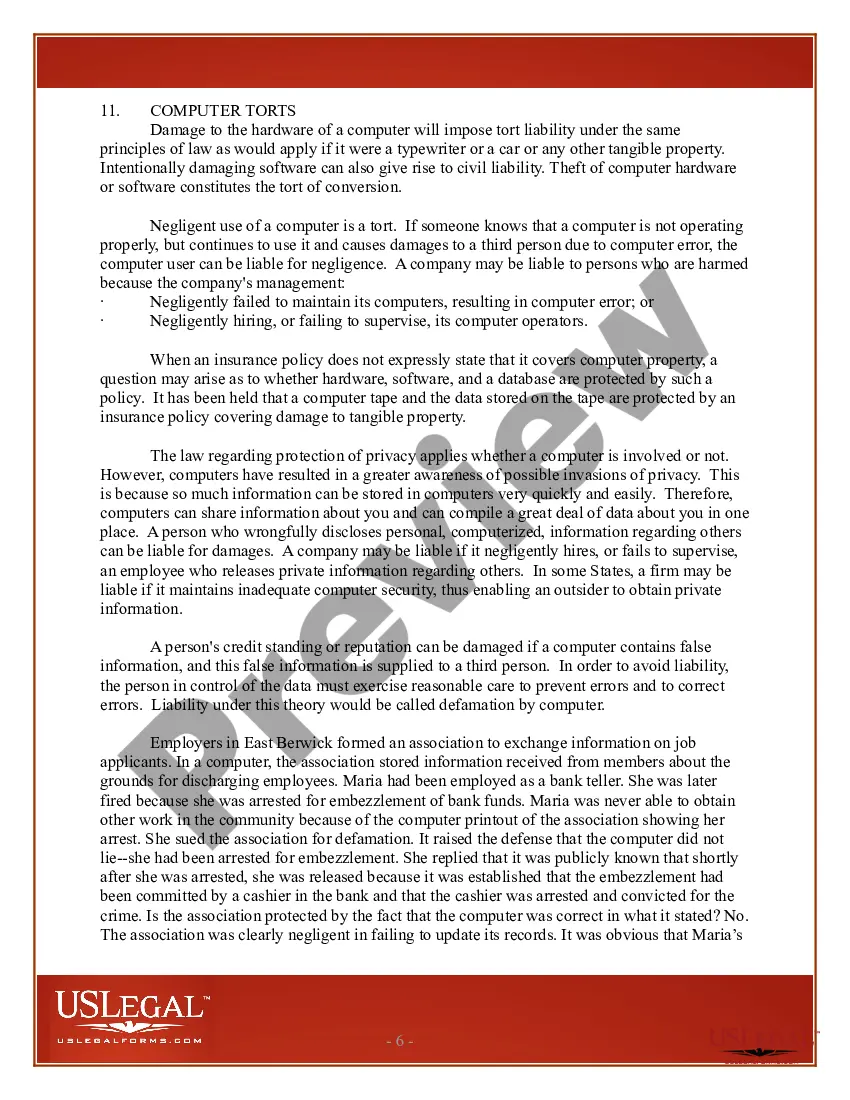
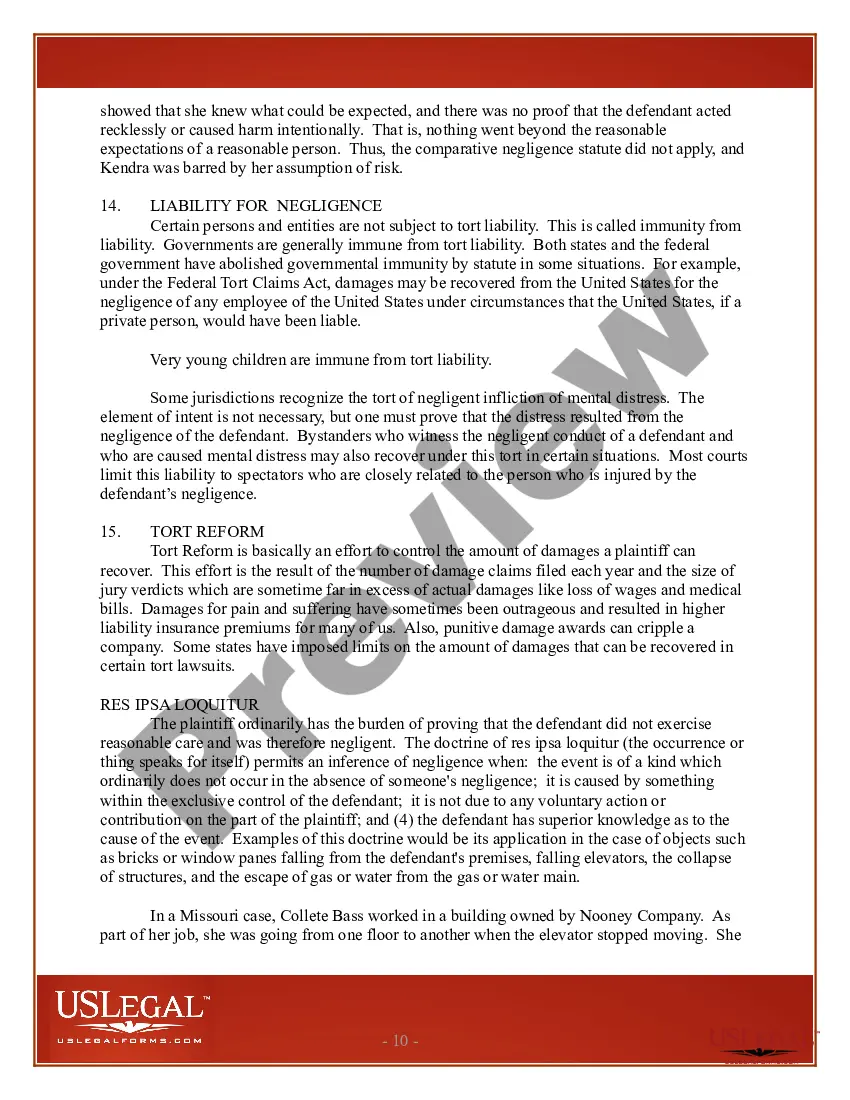
Ing to Utah law, a tort claim is any cause of action arising because of a personal injury or property damage. In these civil cases, an individual alleges that a second party, through purposeful or negligent conduct, caused that person to endure a loss or injury.
A tort is an act or omission that causes legally cognizable harm to persons or property. Tort law, in turn, is the body of rules concerned with remedying harms caused by a person's wrongful or injurious actions.
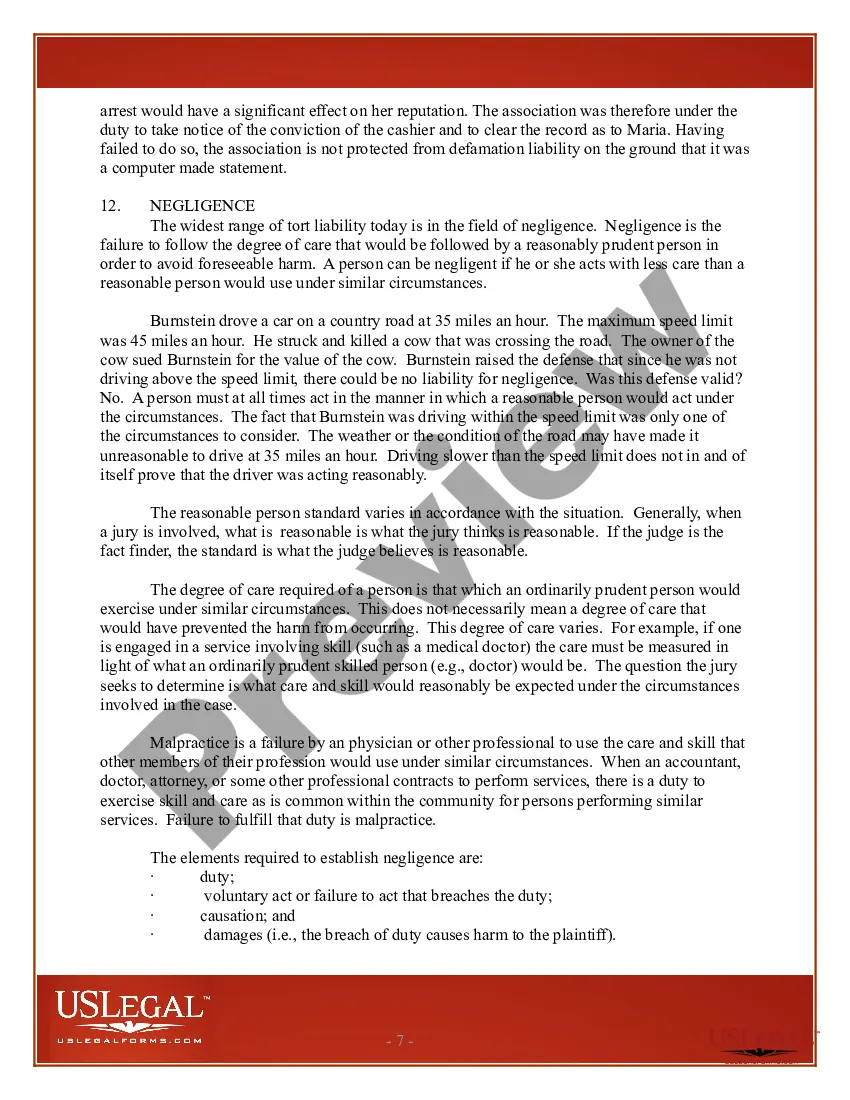
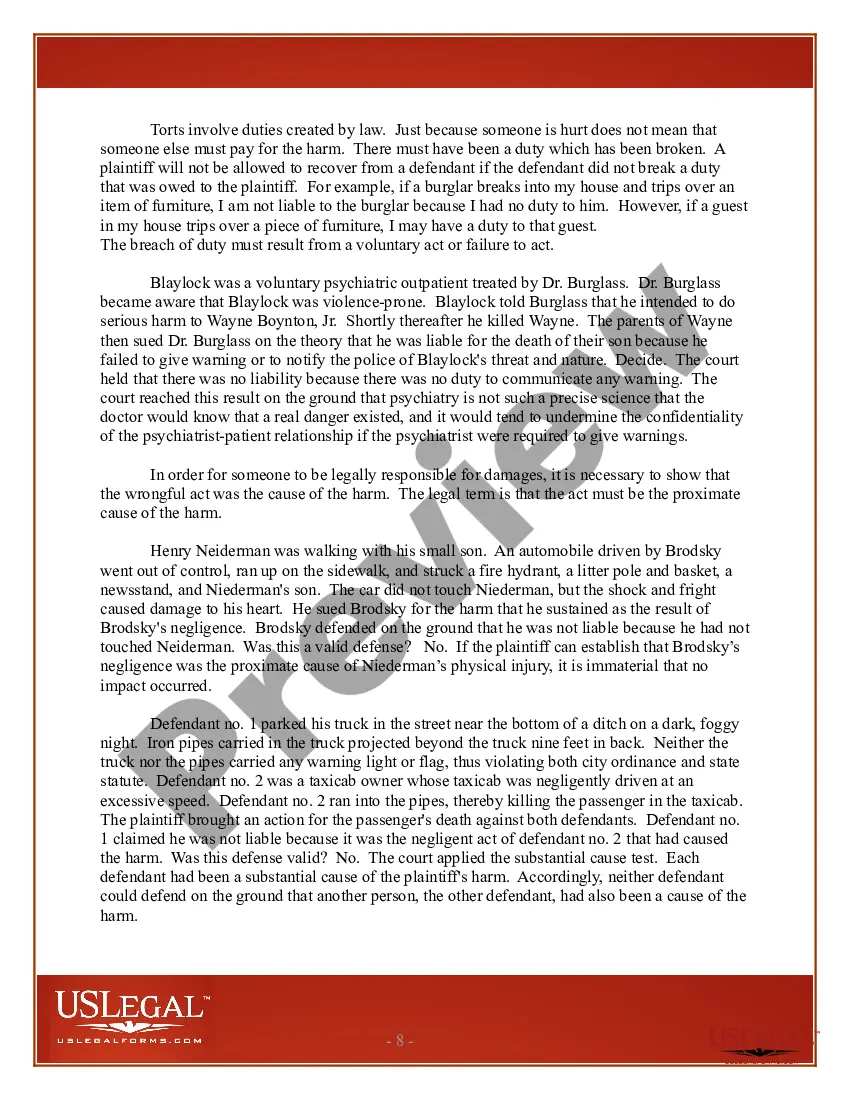
Torts fall into three general categories: Intentional torts (e.g., intentionally hitting a person); Negligent torts (e.g., causing an accident by failing to obey traffic rules); and. Strict liability torts (e.g., liability for making and selling defective products - see Products Liability).
Tort law is considered to be a form of restorative justice since it seeks to remedy losses or injury by providing monetary compensation. There are three main categories of tort law, including suits alleging negligence, intentional harm, and strict liability.
To file a claim, complete these steps: Complete Standard Form 95. Explain in detail what happened, using additional pages if necessary. Attach all documents that support your claim, which may include the following. Submit the completed Standard Form 95 and supporting documents to the OPM Office of the General Counsel.
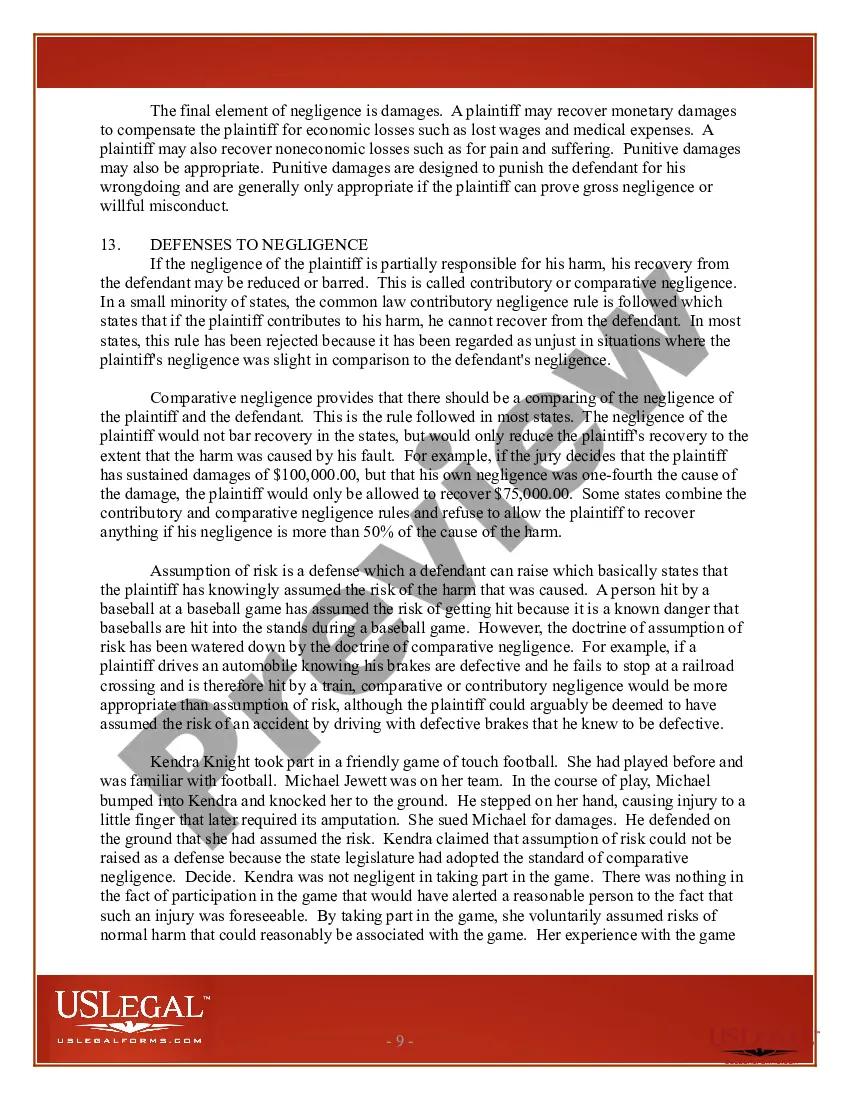
Utah is a modified comparative negligence state. Under Utah Code 78B-5-818, a plaintiff's comparative fault alone will not bar that person from financial recovery. The plaintiff's fault, however, cannot exceed the fault of the defendant. Utah has a 50 percent bar on comparative negligence.