Tort Negligence Liability For Mental Harm In San Antonio
Description





Get your form ready online
Our built-in tools help you complete, sign, share, and store your documents in one place.
Make edits, fill in missing information, and update formatting in US Legal Forms—just like you would in MS Word.
Download a copy, print it, send it by email, or mail it via USPS—whatever works best for your next step.
Sign and collect signatures with our SignNow integration. Send to multiple recipients, set reminders, and more. Go Premium to unlock E-Sign.
If this form requires notarization, complete it online through a secure video call—no need to meet a notary in person or wait for an appointment.
We protect your documents and personal data by following strict security and privacy standards.

Make edits, fill in missing information, and update formatting in US Legal Forms—just like you would in MS Word.

Download a copy, print it, send it by email, or mail it via USPS—whatever works best for your next step.

Sign and collect signatures with our SignNow integration. Send to multiple recipients, set reminders, and more. Go Premium to unlock E-Sign.

If this form requires notarization, complete it online through a secure video call—no need to meet a notary in person or wait for an appointment.

We protect your documents and personal data by following strict security and privacy standards.
Looking for another form?








Form popularity
FAQ
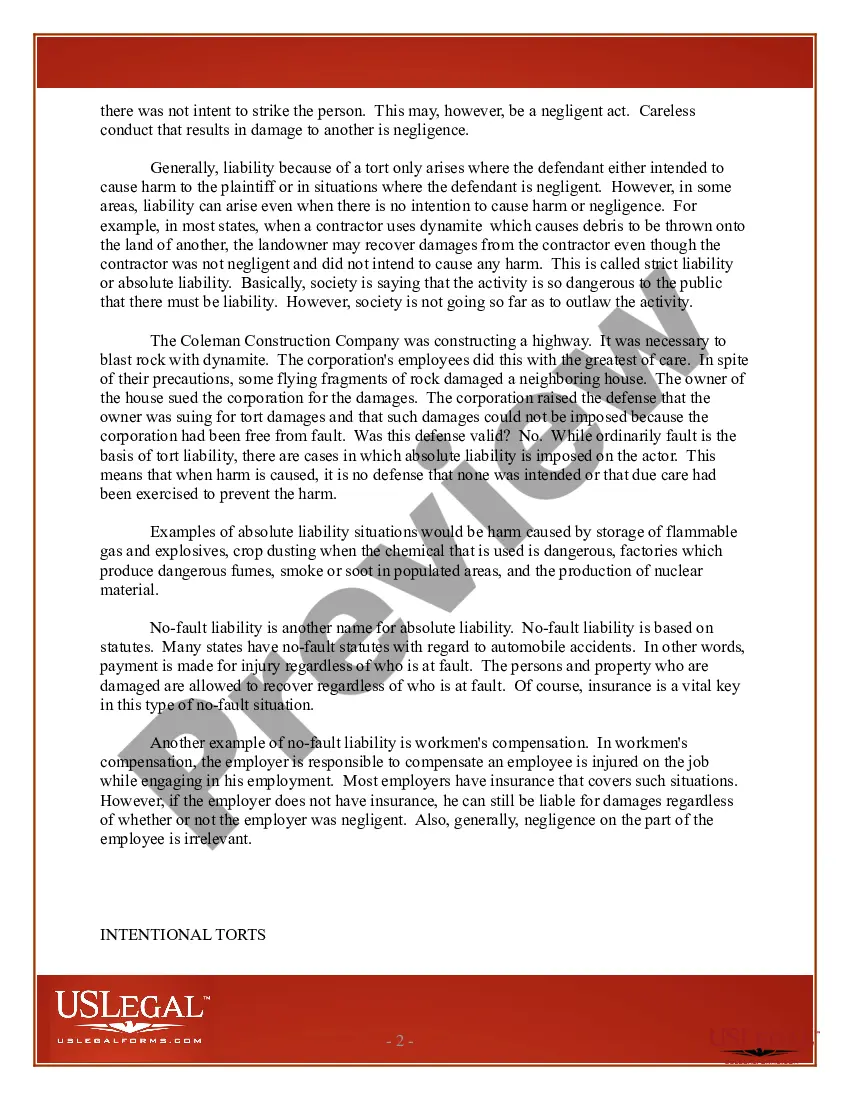
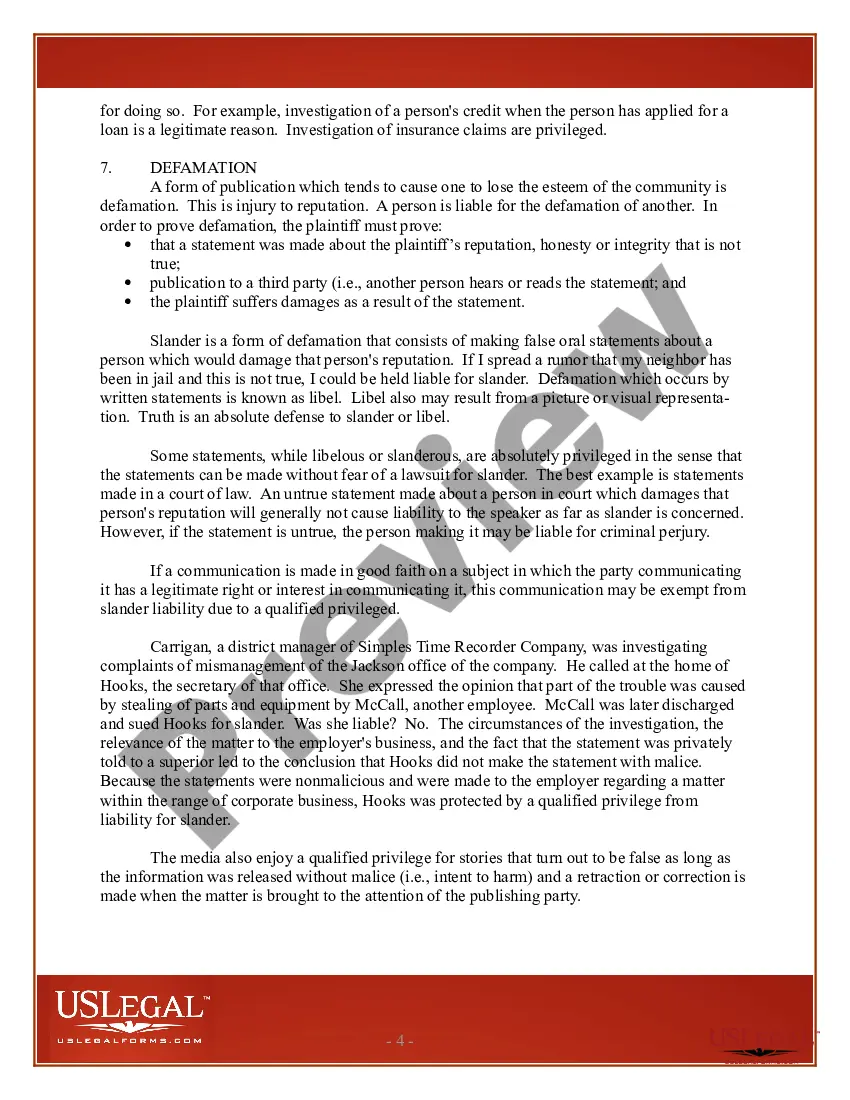
The tort of intentional infliction of emotional distress has four elements: (1) the defendant must act intentionally or recklessly; (2) the defendant's conduct must be extreme and outrageous; and (3) the conduct must be the cause (4) of severe emotional distress.
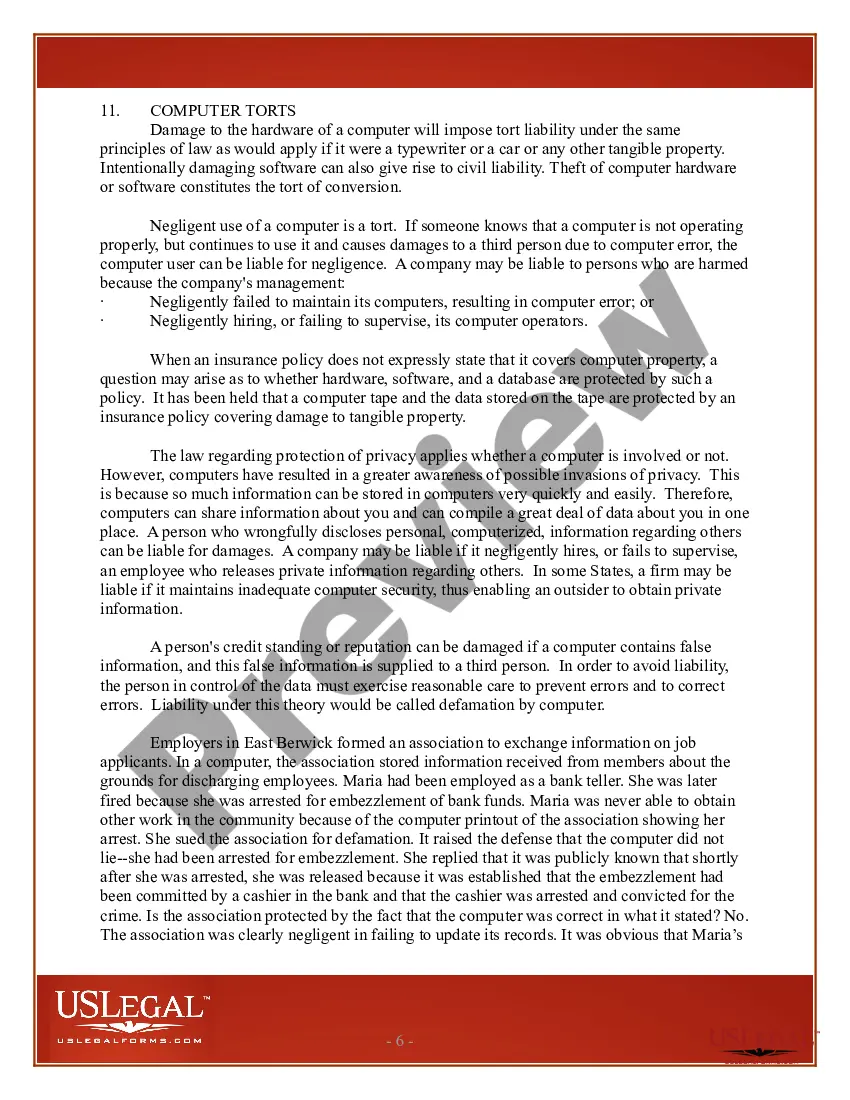
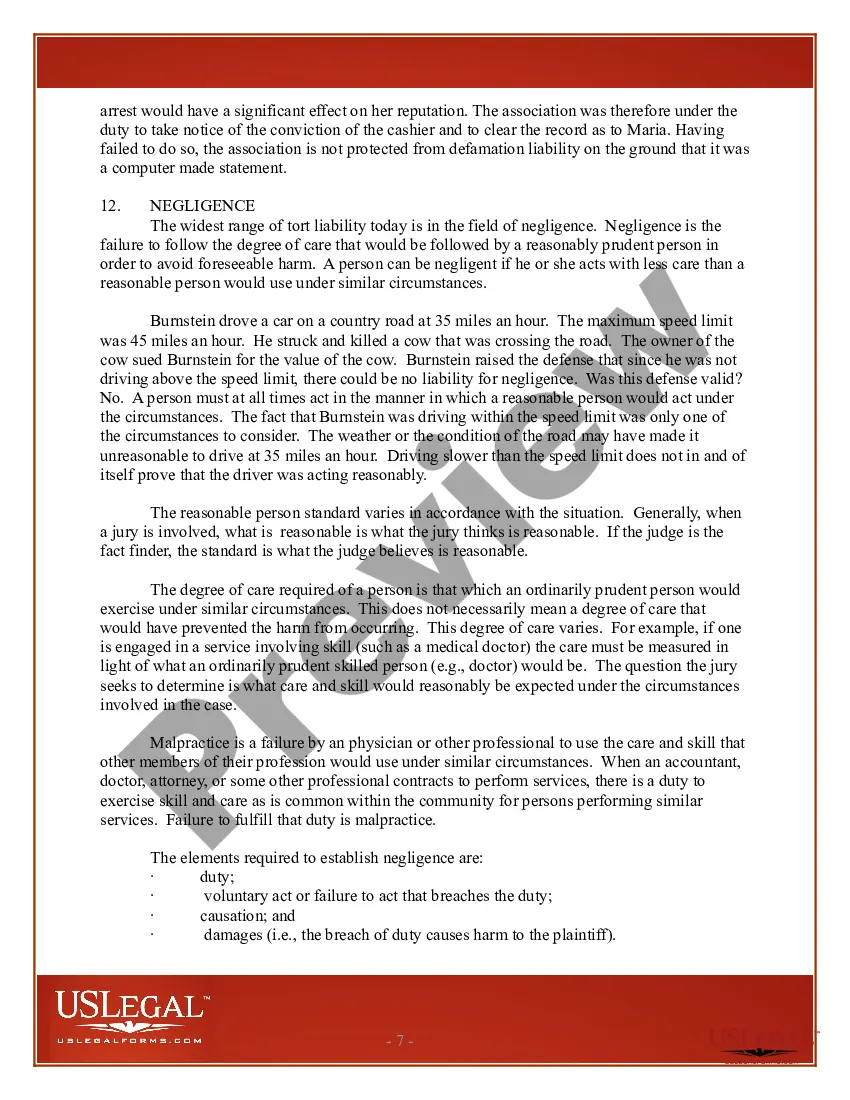
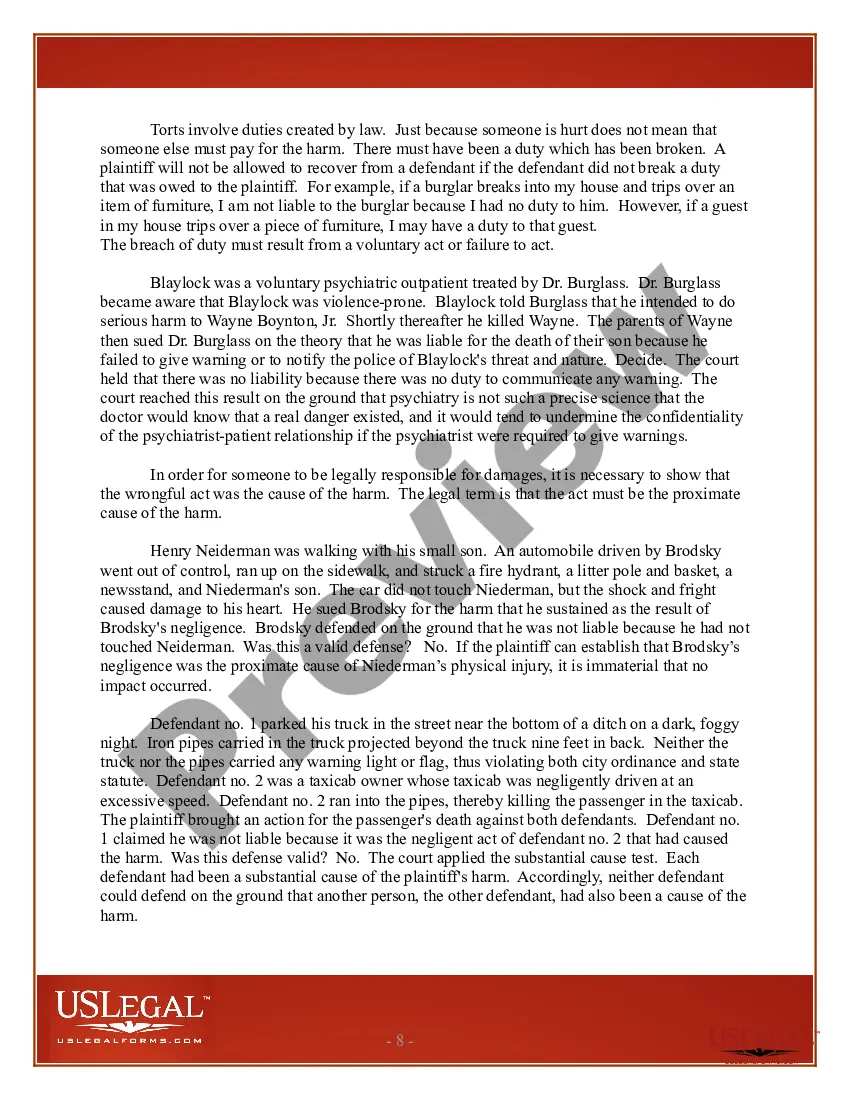
These legal elements include a professional duty owed to a patient, breach of duty, proximate cause or causal con- nection elicited by a breach of duty, and resulting in- juries or damages suffered. 1 These 4 elements apply to all cases of negligence regardless of specialty or clin- ician level.
How to Prove Emotional Abuse in Court Document any abusive behavior in a journal. Preserve any evidence of emotional abuse, like texts or medical records. Speak to any witnesses who can testify to the abuse. Ask for a psychological evaluation during your court case.
IIED occurs when a person, through extreme or outrageous behavior intentionally (or recklessly) causes severe emotional distress, mental trauma and/or bodily harm to another. There need not be bodily harm to establish this tort.
The acronym NEID is used to refer to a type of emotional distress claim that arises when someone's negligence causes another person to suffer severe emotional distress. In Texas, NEID claims are not recognized as an independent tort, meaning that you cannot sue for NEID without also suffering a physical injury.
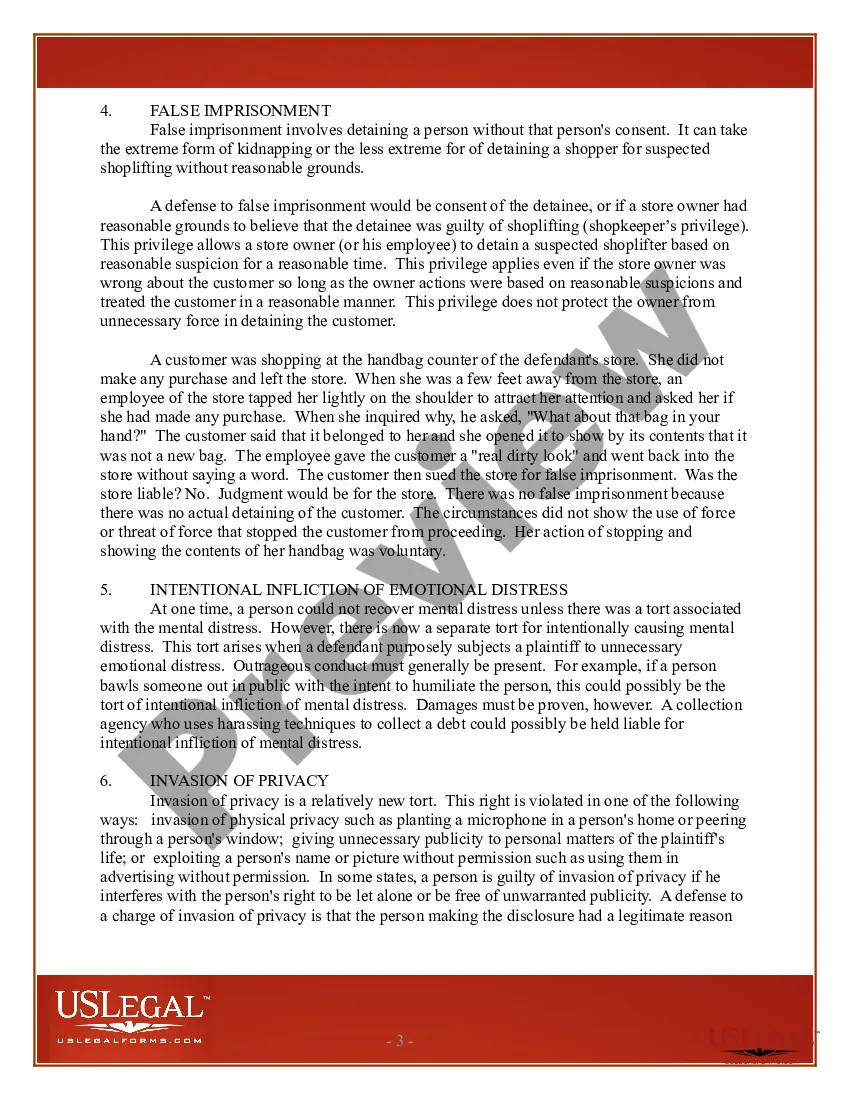
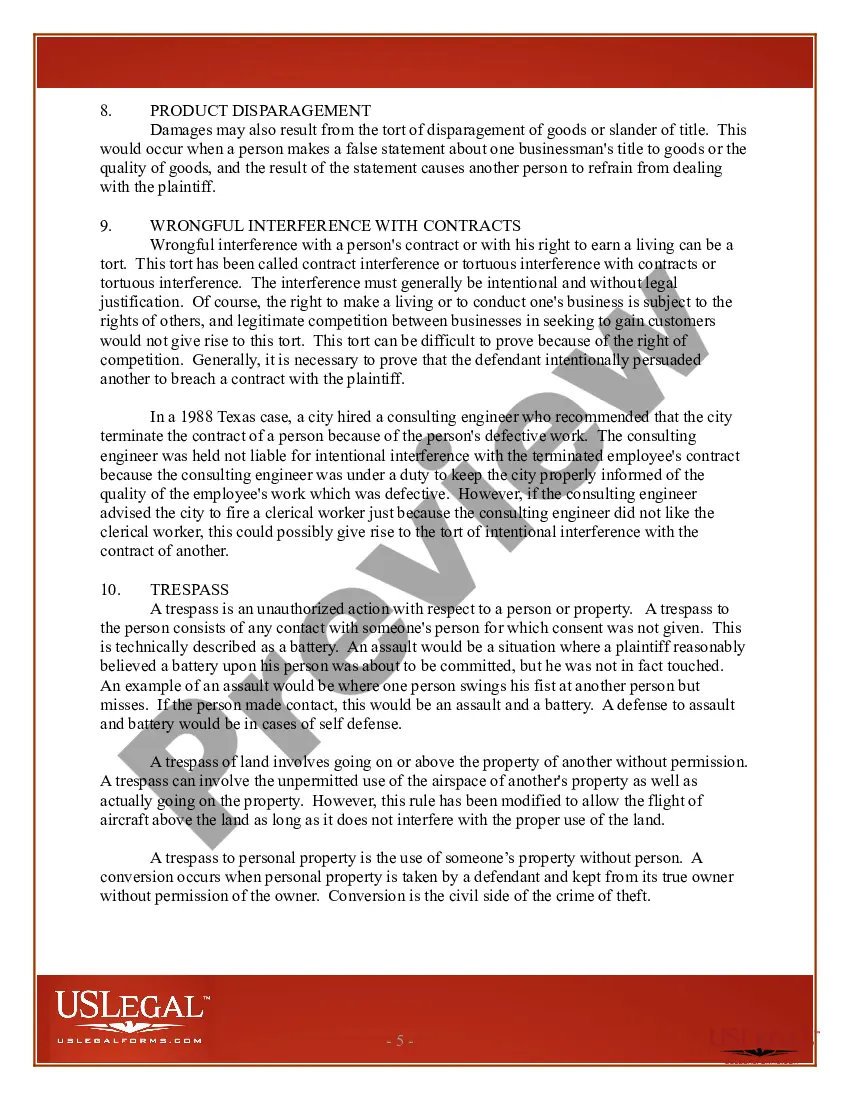
Examples of Intentional Infliction of Emotional Distress claims can include racial insults, sex discrimination, false imprisonment and conduct that threatens your physical security (although a physical injury is not necessary).
The tort of intentional infliction of emotional distress has four elements: (1) the defendant must act intentionally or recklessly; (2) the defendant's conduct must be extreme and outrageous; and (3) the conduct must be the cause (4) of severe emotional distress.
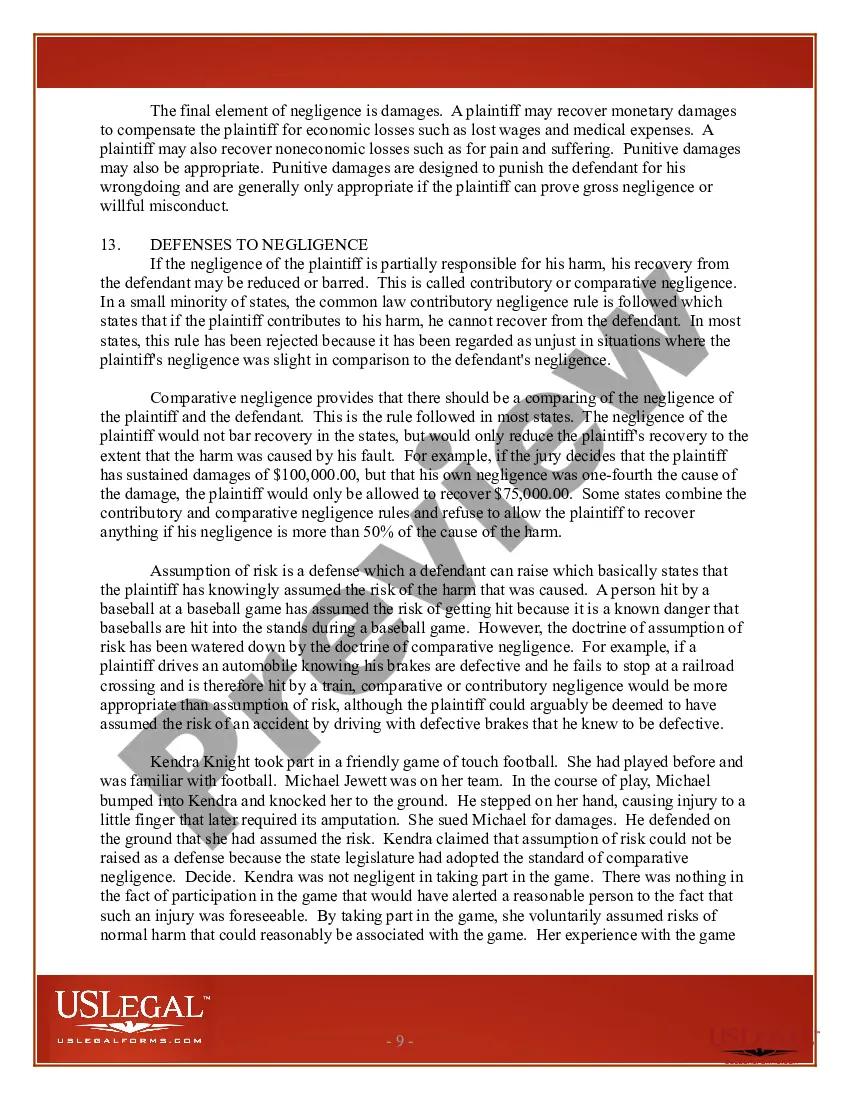
There is no specific formula for calculating the amount of compensation you can recover for emotional distress in a personal injury case. The amount you can recover will depend on several factors, including the severity of your emotional distress and the impact it has had on your life.
There is no specific formula for calculating the amount of compensation you can recover for emotional distress in a personal injury case. The amount you can recover will depend on several factors, including the severity of your emotional distress and the impact it has had on your life.
