Tort Form Meaning In San Antonio
Description

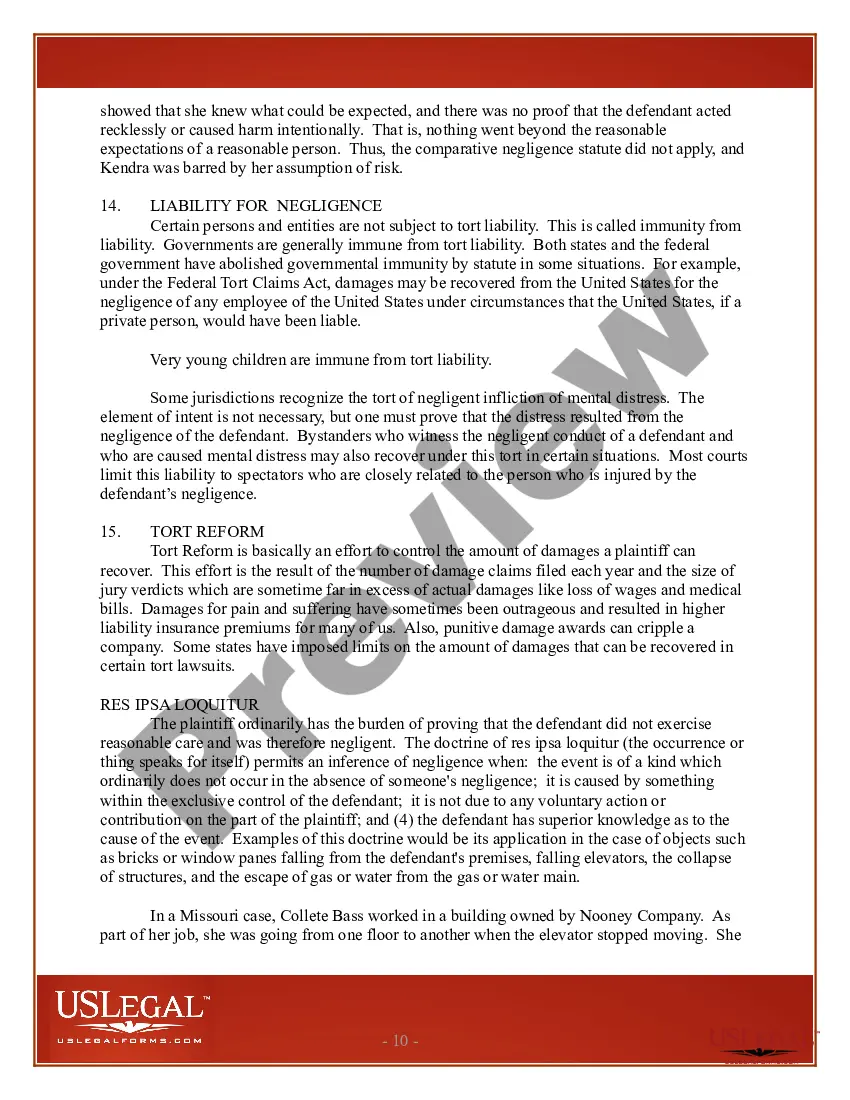




Get your form ready online
Our built-in tools help you complete, sign, share, and store your documents in one place.
Make edits, fill in missing information, and update formatting in US Legal Forms—just like you would in MS Word.
Download a copy, print it, send it by email, or mail it via USPS—whatever works best for your next step.
Sign and collect signatures with our SignNow integration. Send to multiple recipients, set reminders, and more. Go Premium to unlock E-Sign.
If this form requires notarization, complete it online through a secure video call—no need to meet a notary in person or wait for an appointment.
We protect your documents and personal data by following strict security and privacy standards.

Make edits, fill in missing information, and update formatting in US Legal Forms—just like you would in MS Word.

Download a copy, print it, send it by email, or mail it via USPS—whatever works best for your next step.

Sign and collect signatures with our SignNow integration. Send to multiple recipients, set reminders, and more. Go Premium to unlock E-Sign.

If this form requires notarization, complete it online through a secure video call—no need to meet a notary in person or wait for an appointment.

We protect your documents and personal data by following strict security and privacy standards.
Looking for another form?








Form popularity
FAQ
Damage Caps Under the Texas Tort Claims Act Under Section 101.023 of the Texas Civil Practice and Remedies Code, damages for personal injury or death are capped at: $250,000 per person, and. $500,000 per occurrence.
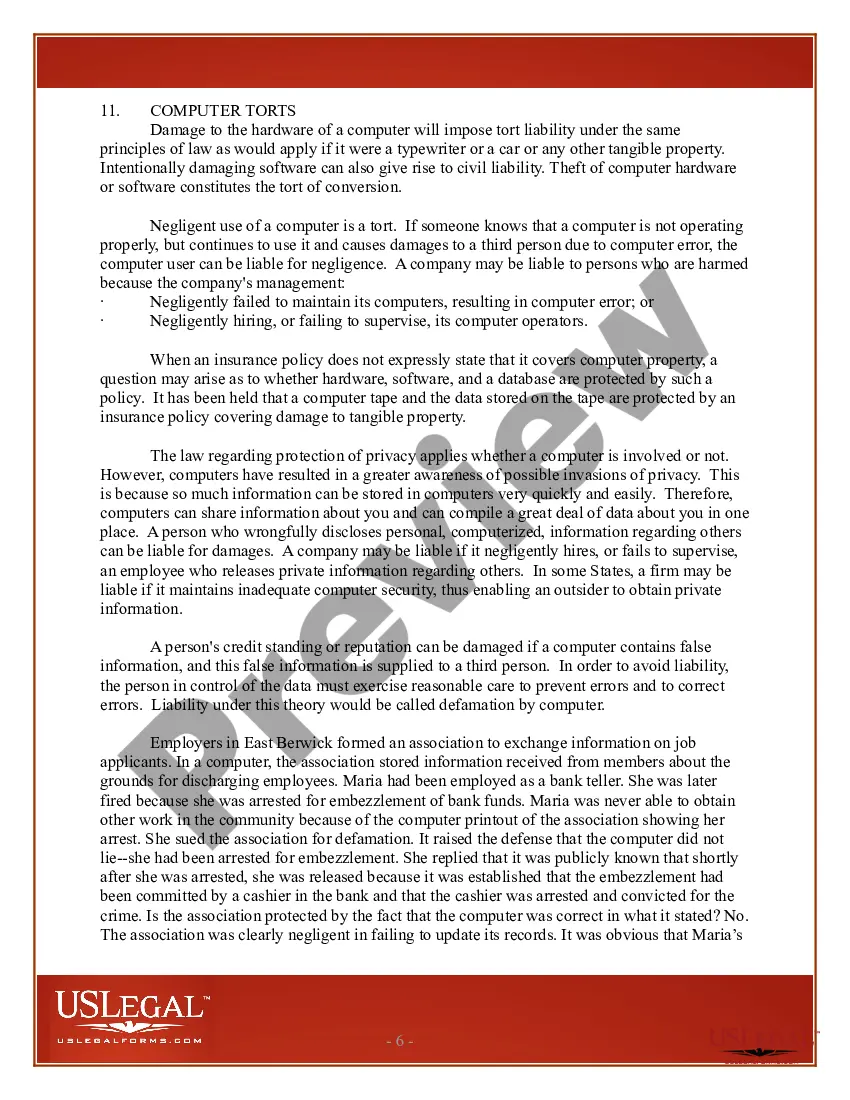
Torts: A tort is a wrongful act that injures or interferes with another's person or property. A tort case is a civil court proceeding. The accused is the "defendant" and the victim is a "plaintiff."
In Texas, tort cases are civil actions involving negligence that lead to physical injury, financial damage, property damage, and emotional injuries. Tort cases also cover breach of civil rights, medical malpractice, worker's compensation, libel, slander, and anti-retaliation claims.
A tort is a civil wrong, other than breach of contract, that causes a claimant to suffer loss or harm, resulting in legal liability for the person who commits the tortious act. Tort law can be contrasted with criminal law, which deals with criminal wrongs that are punishable by the state.
A tort is an act or omission that causes legally cognizable harm to persons or property. Tort law, in turn, is the body of rules concerned with remedying harms caused by a person's wrongful or injurious actions.
California Tort Claims Act Filing a claim gives the agency the opportunity to settle the claim before a lawsuit is filed and to investigate the claim so that it can properly defend itself, or to correct the conditions or practices that led to the claim.
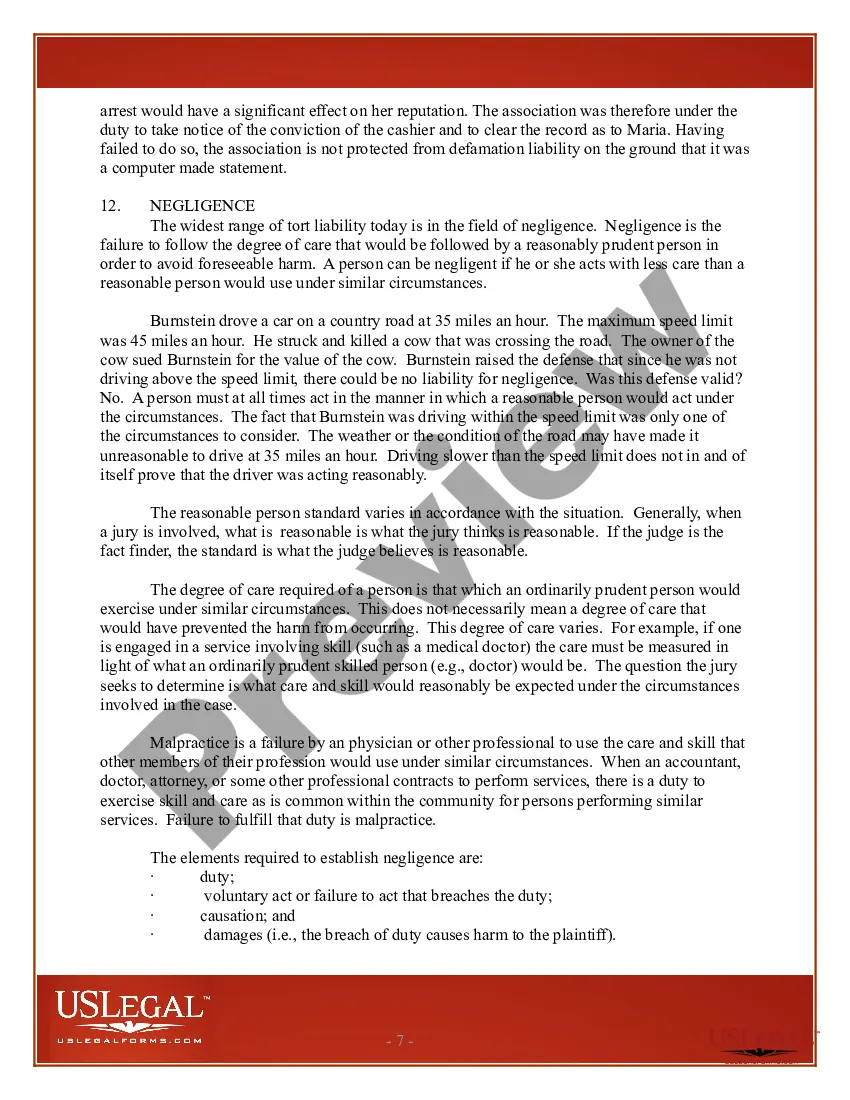
Negligence is by far the most common type of tort. Unlike intentional torts, negligence cases do not involve deliberate actions. Negligence occurs when a person fails to act carefully enough and another person gets hurt as a result. For this type of case, a person must owe a duty to another person.
From this perspective, to make a claim in tort a claimant must show that they have (or had) a right, exercisable against the defendant, that has been infringed. However, the claimant's right is not a right exercisable against the defendant as it is not a property right (which is exercisable against the world).
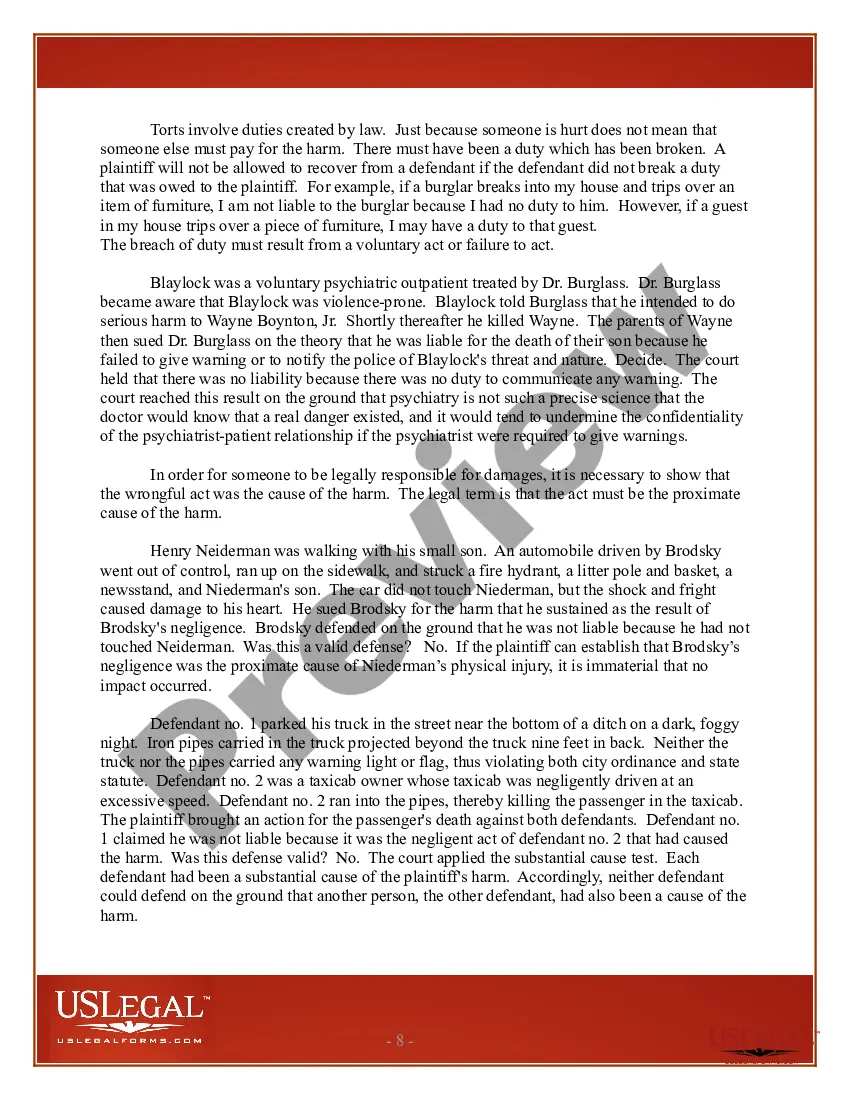
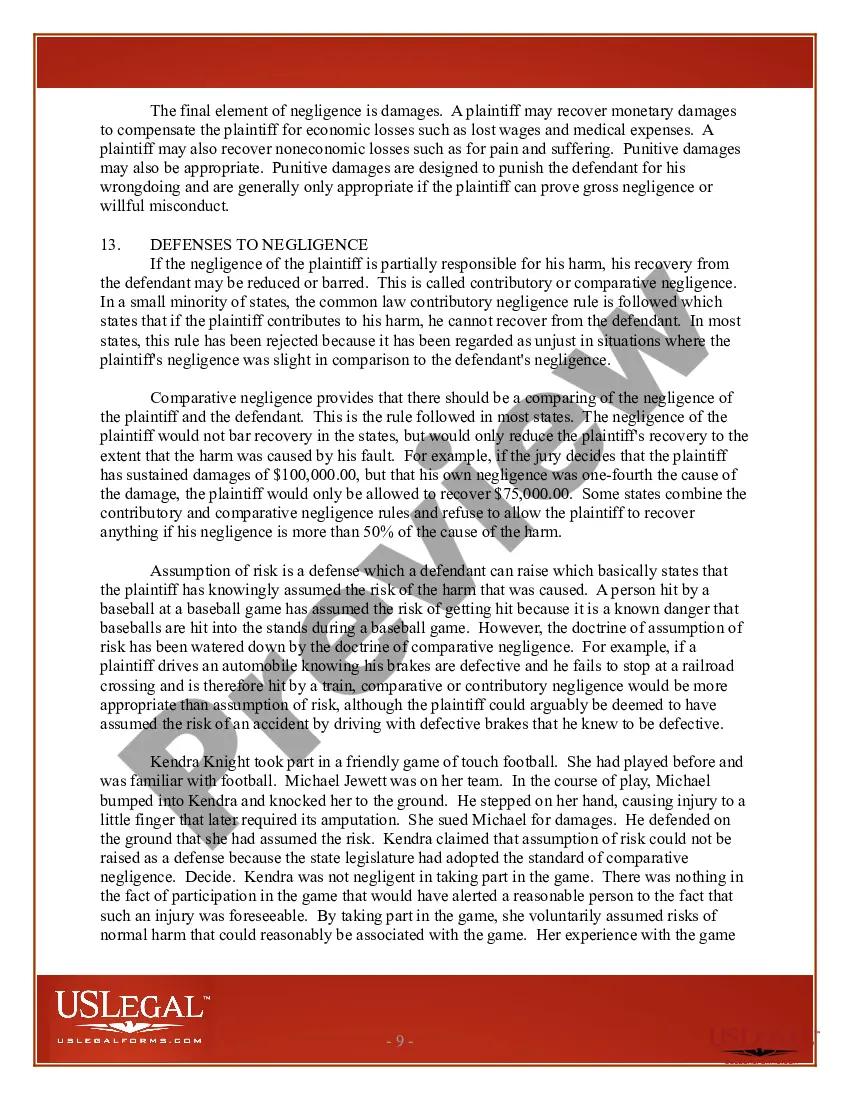
Negligence Torts This usually involves car accidents, slip and fall accidents, or medical malpractice. To succeed in a negligence claim, you must prove duty, breach, causation, and damages.
Identifying the Four Tort Elements The accused had a duty, in most personal injury cases, to act in a way that did not cause you to become injured. The accused committed a breach of that duty. An injury occurred to you. The breach of duty was the proximate cause of your injury.