Tort Negligence Liability For Mental Harm In Ohio
Description




Get your form ready online
Our built-in tools help you complete, sign, share, and store your documents in one place.
Make edits, fill in missing information, and update formatting in US Legal Forms—just like you would in MS Word.
Download a copy, print it, send it by email, or mail it via USPS—whatever works best for your next step.
Sign and collect signatures with our SignNow integration. Send to multiple recipients, set reminders, and more. Go Premium to unlock E-Sign.
If this form requires notarization, complete it online through a secure video call—no need to meet a notary in person or wait for an appointment.
We protect your documents and personal data by following strict security and privacy standards.

Make edits, fill in missing information, and update formatting in US Legal Forms—just like you would in MS Word.

Download a copy, print it, send it by email, or mail it via USPS—whatever works best for your next step.

Sign and collect signatures with our SignNow integration. Send to multiple recipients, set reminders, and more. Go Premium to unlock E-Sign.

If this form requires notarization, complete it online through a secure video call—no need to meet a notary in person or wait for an appointment.

We protect your documents and personal data by following strict security and privacy standards.
Looking for another form?







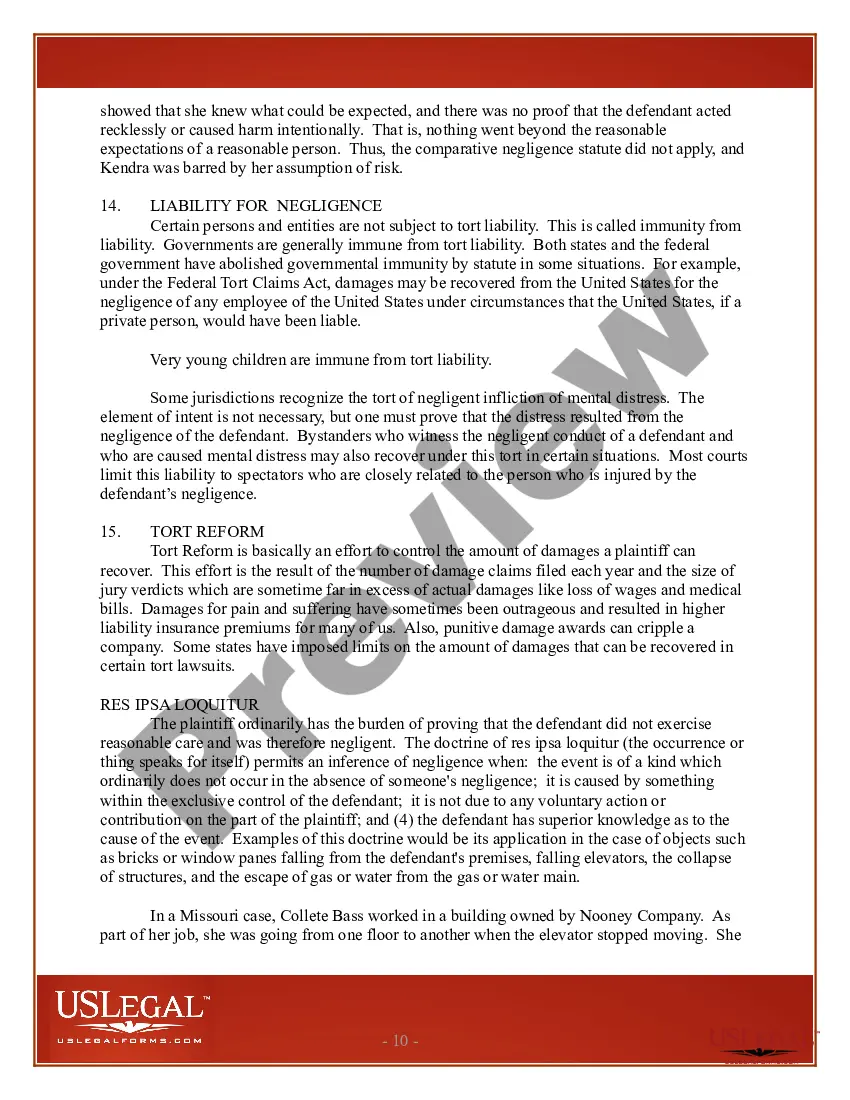
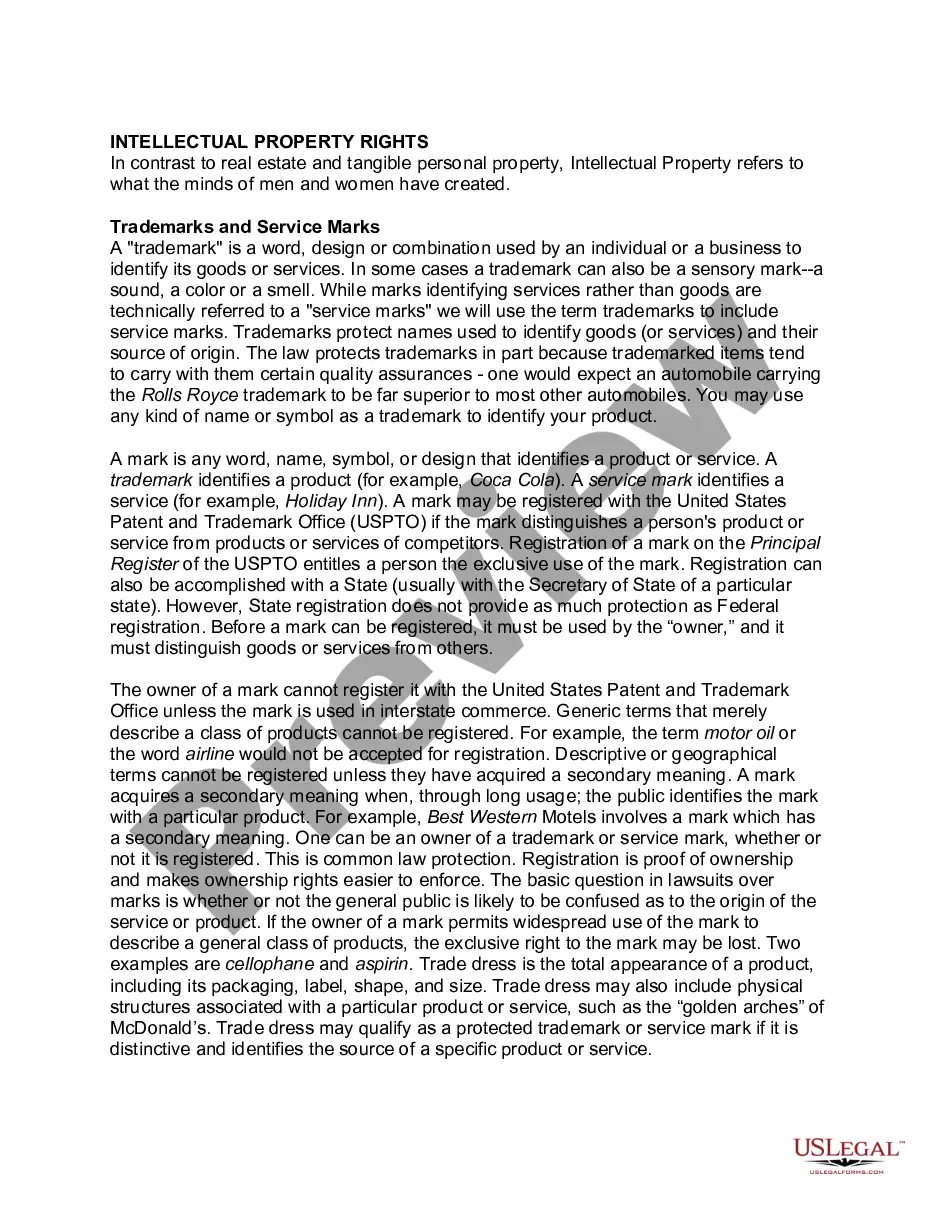
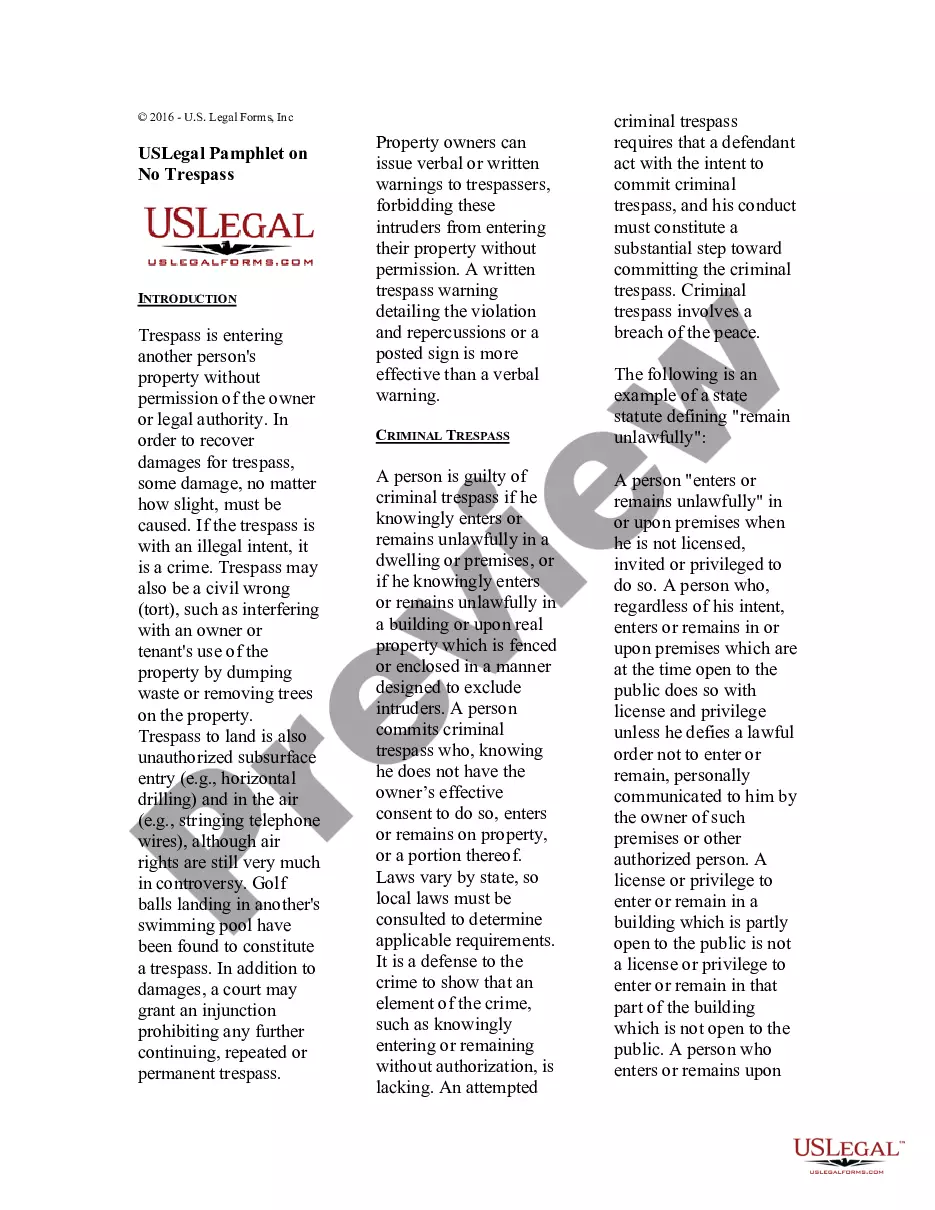
Form popularity
FAQ
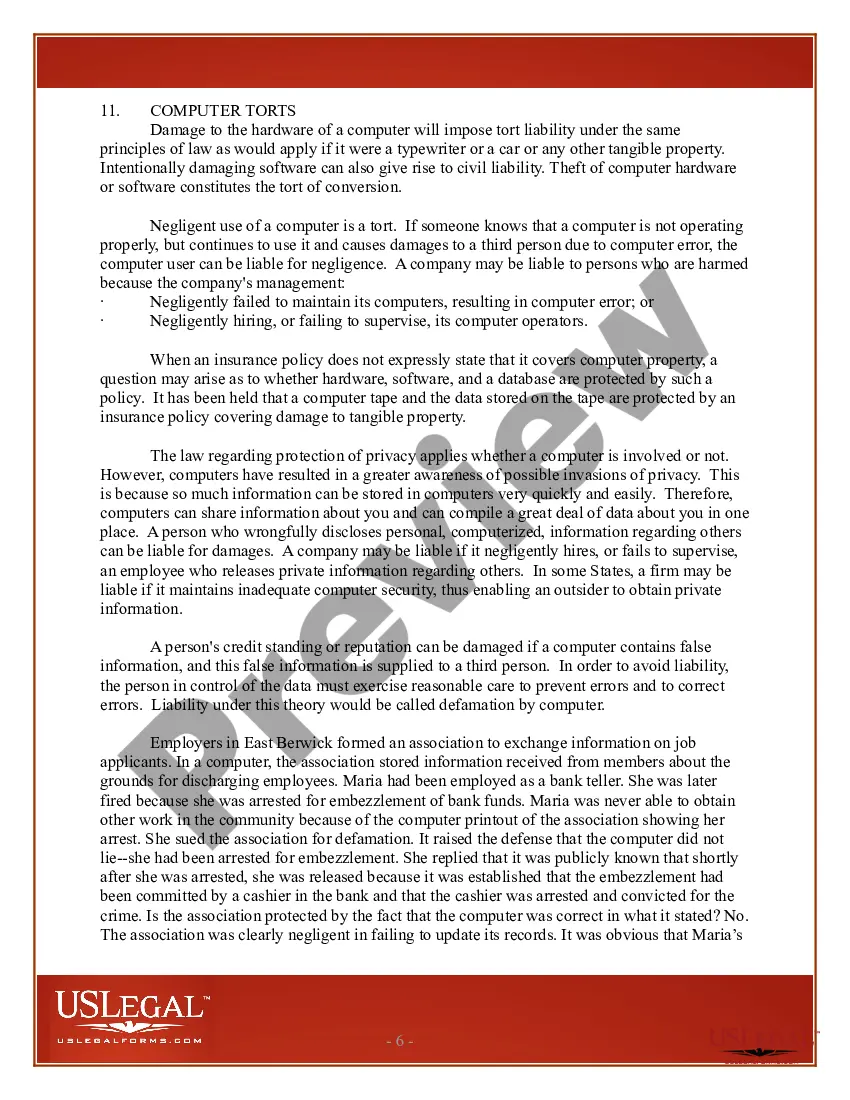
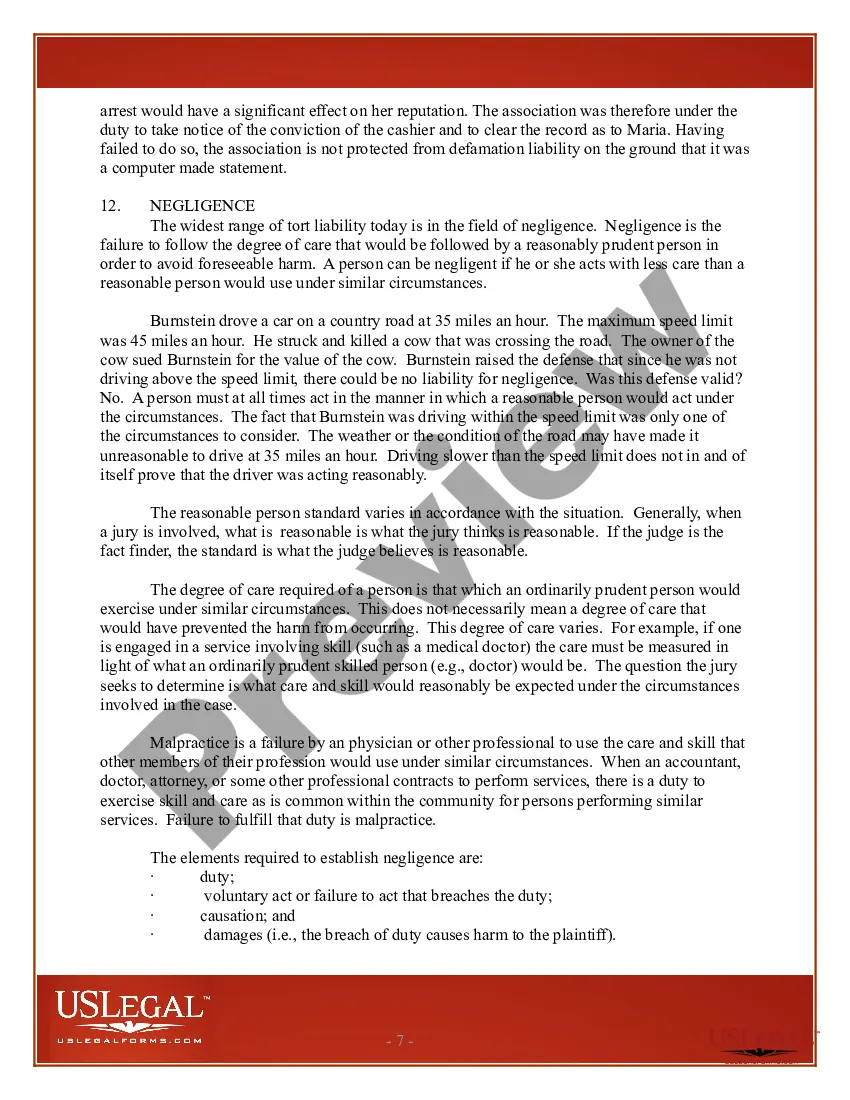
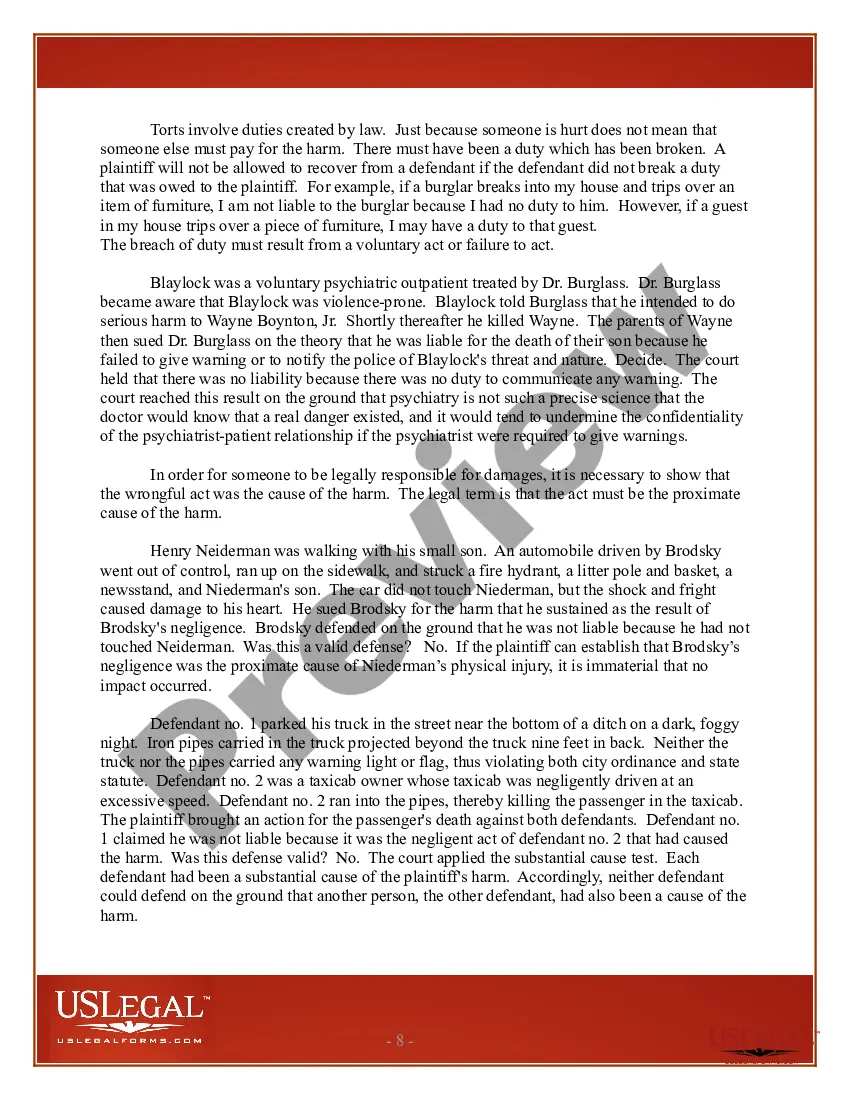
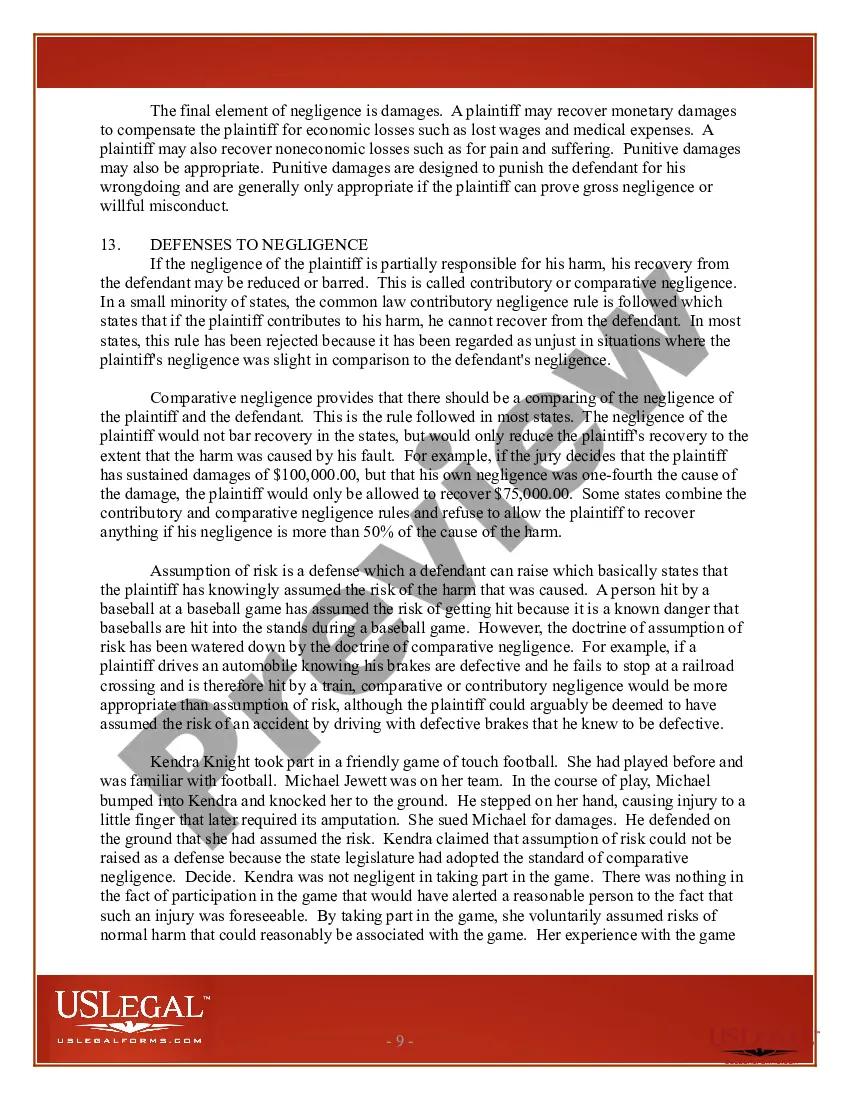
Emotional distress is recognized as a compensable damage in a California personal injury case. If a victim can prove that he or she suffered emotional distress as an outcome of the accused party's negligence, he or she can recover compensation. Negligence refers to the failure to act with proper care.
(1) Punitive or exemplary damages are recoverable from a defendant in question in a tort action on a basis other than that the actions or omissions of that defendant demonstrate malice or aggravated or egregious fraud or on a basis other than that the defendant in question as principal or master knowingly authorized, ...
For intentional infliction of emotional distress the statute of limitations is four years and for negligent infliction, two years. Ohio Rev. Code § 2305.09(D); 2305.10.
Just as you can seek compensation for physical injuries resulting from another person's negligence or recklessness, you are entitled to financial compensation for emotional damages.
Under Ohio law, the current cap is the greater of $250,000 or three times the economic damages, with a maximum limit of $350,000 per plaintiff and $500,000 per accident. While this cap applies to most personal injury claims, there is an exception.
A cause of action for the negligent infliction of serious emotional distress may be stated where the plaintiff-bystander reasonably appreciated the peril which took place, whether or not the victim suffered actual physical harm, and, that as a result of this cognizance or fear of peril, the plaintiff suffered serious ...
The distinction between the liability of a lunatic or insane person in civil actions for torts committed by him, and in crimi- nal prosecutions, is well defined, and it has always been held, and upon sound reason, that though not punishable criminally, he is liable to a civil action for any tort he may commit."
Outcome: The Ohio Supreme Court reversed and remanded, holding that a plaintiff may state a cause of action for negligent infliction of serious emotional distress without the manifestation of a resulting physical injury.
Ohio's Tort Reform: House Bill 350: In 2005, Ohio enacted House Bill 350, commonly known as tort reform legislation. Under this law, caps were introduced on noneconomic damages in personal injury cases. The cap is set at $250,000 or three times the economic damages, up to a maximum of $350,000 per plaintiff.
