Tort Negligence Liability For Dummies In Nassau
Description

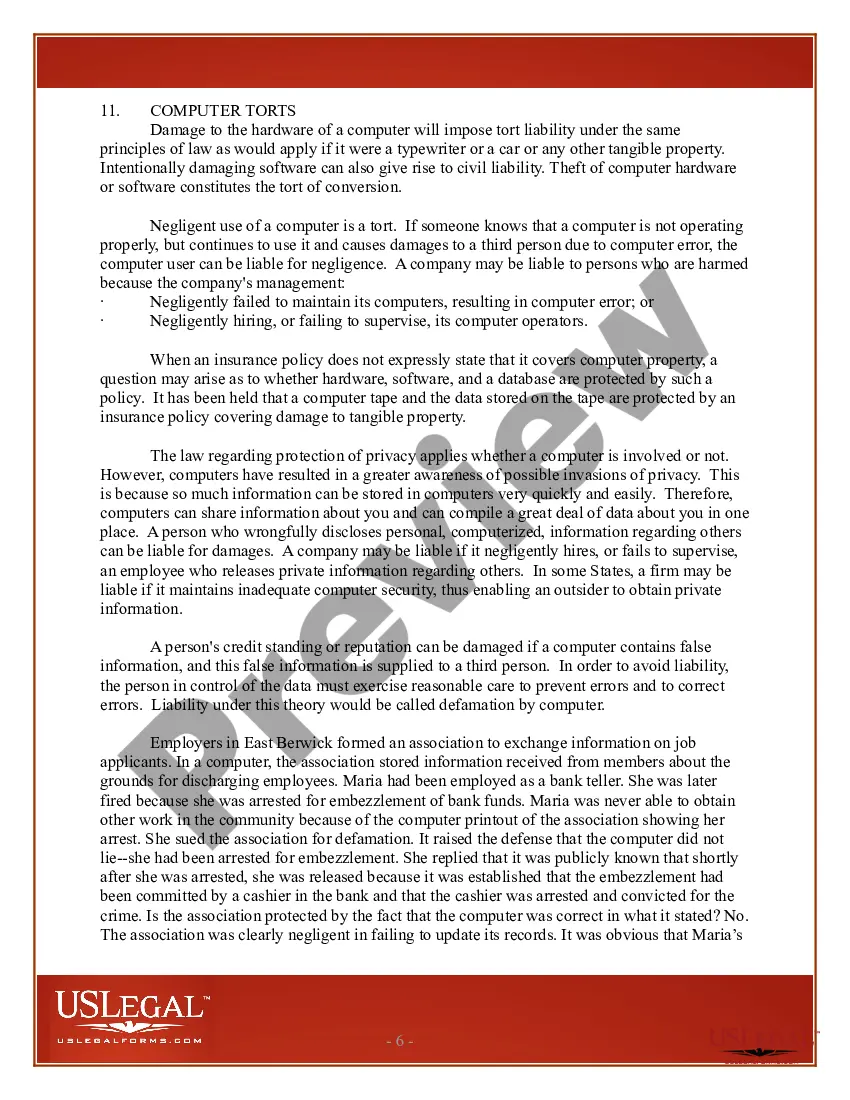
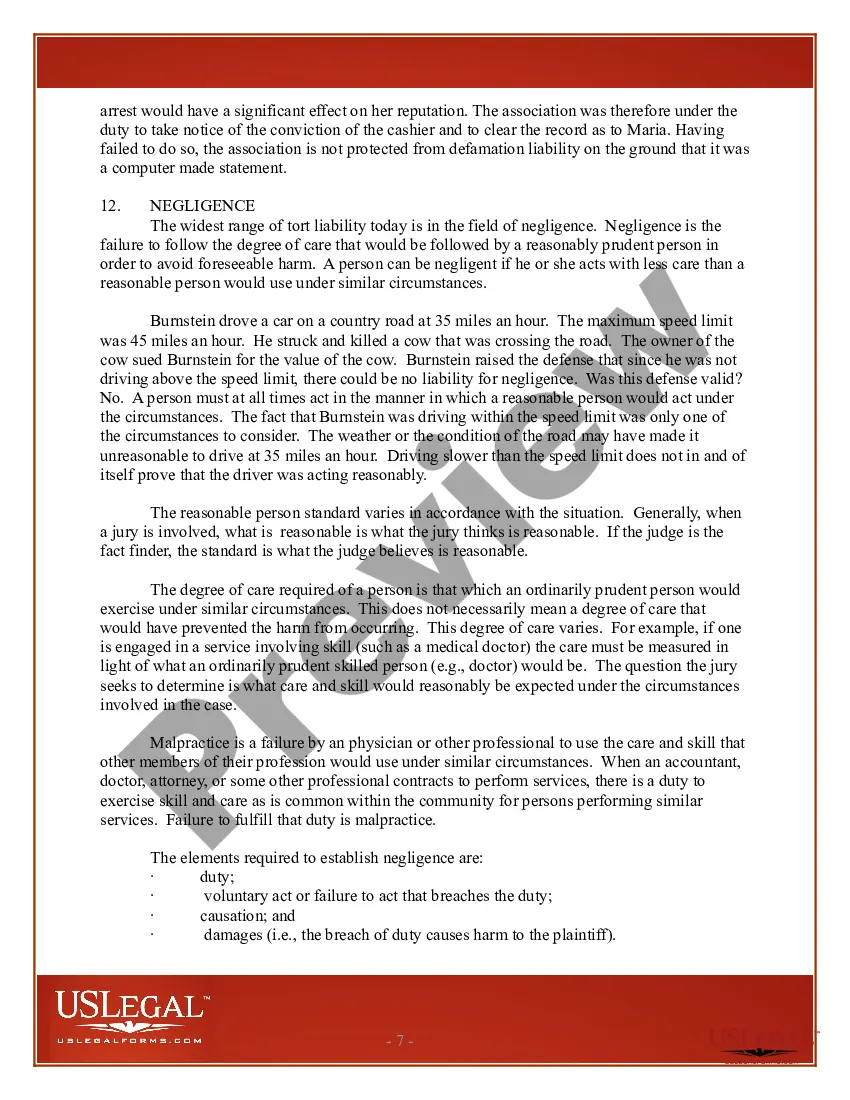
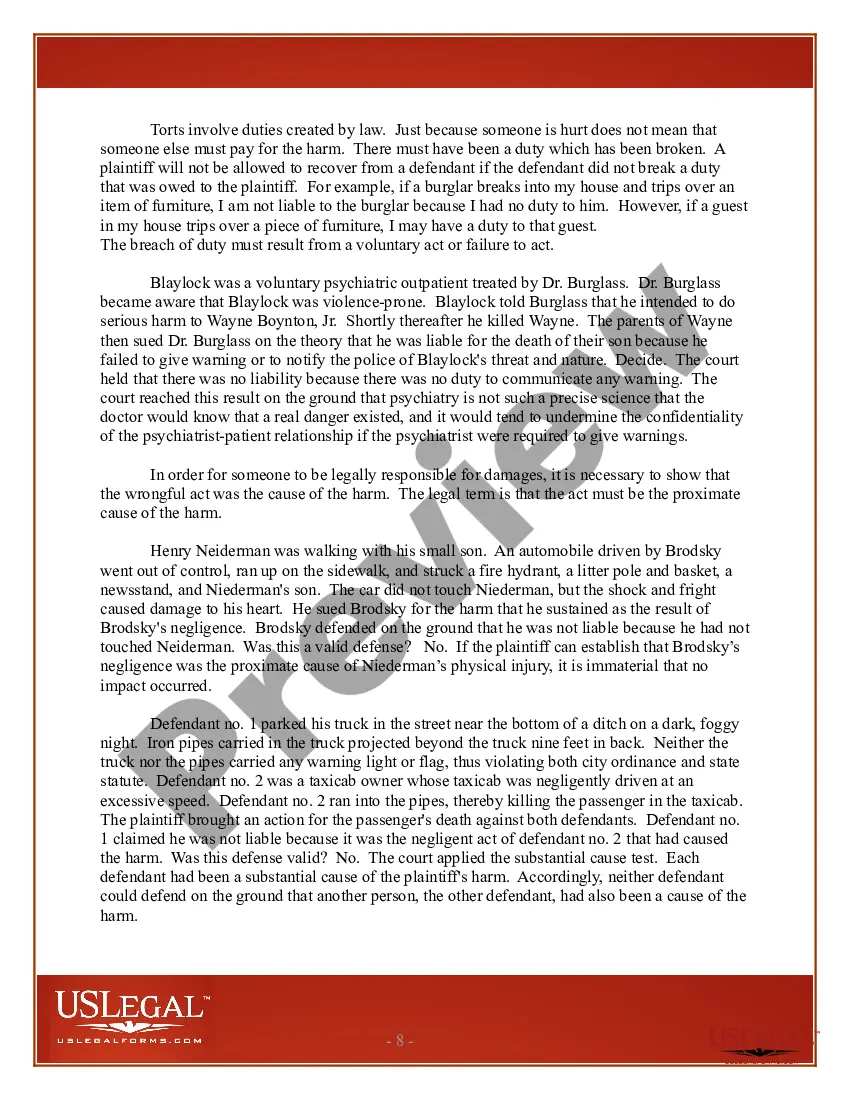
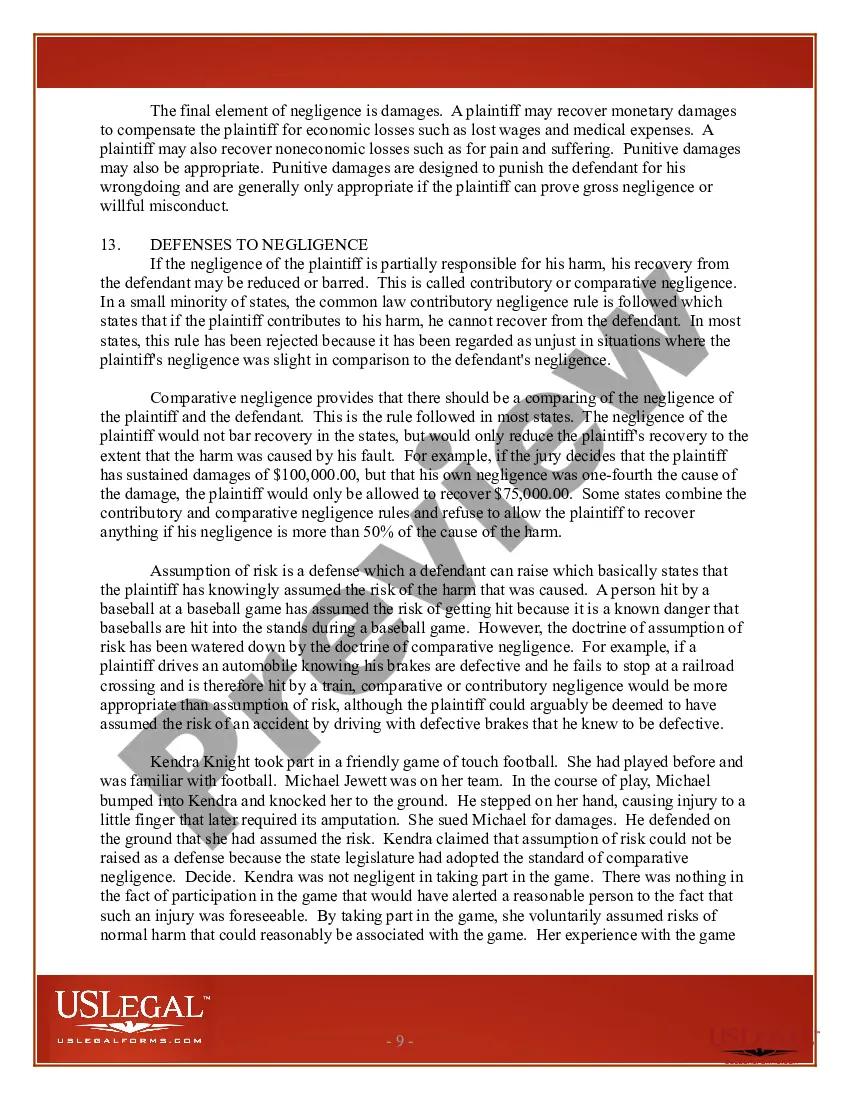
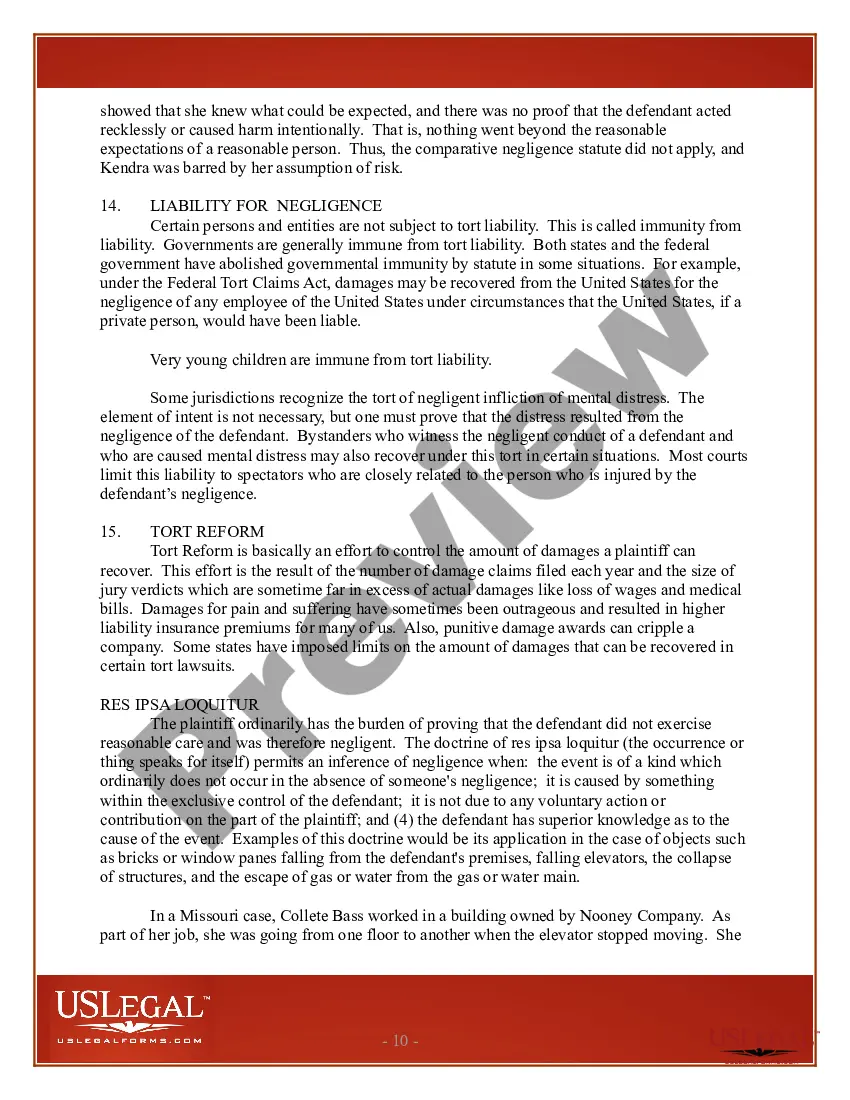




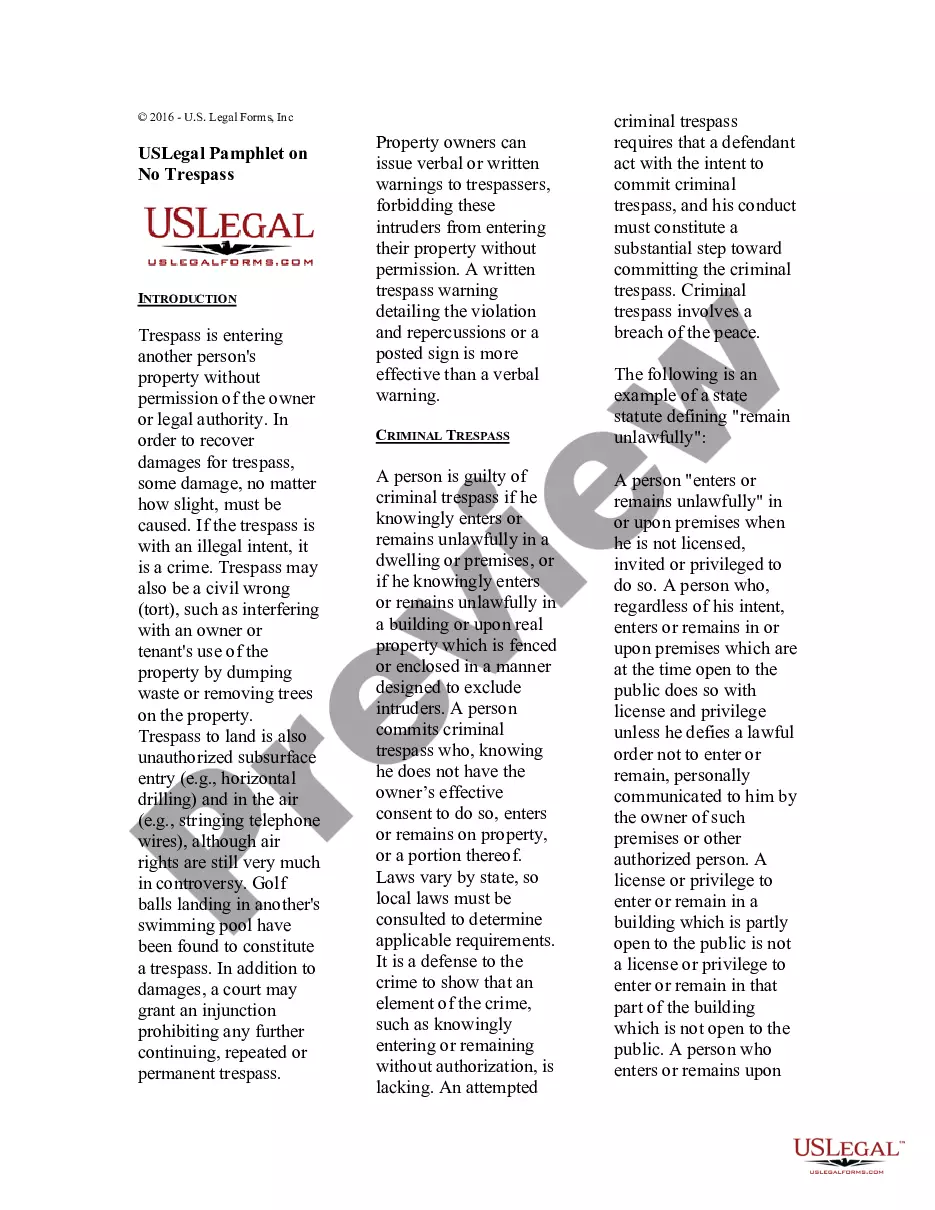
Get your form ready online
Our built-in tools help you complete, sign, share, and store your documents in one place.
Make edits, fill in missing information, and update formatting in US Legal Forms—just like you would in MS Word.
Download a copy, print it, send it by email, or mail it via USPS—whatever works best for your next step.
Sign and collect signatures with our SignNow integration. Send to multiple recipients, set reminders, and more. Go Premium to unlock E-Sign.
If this form requires notarization, complete it online through a secure video call—no need to meet a notary in person or wait for an appointment.
We protect your documents and personal data by following strict security and privacy standards.

Make edits, fill in missing information, and update formatting in US Legal Forms—just like you would in MS Word.

Download a copy, print it, send it by email, or mail it via USPS—whatever works best for your next step.

Sign and collect signatures with our SignNow integration. Send to multiple recipients, set reminders, and more. Go Premium to unlock E-Sign.

If this form requires notarization, complete it online through a secure video call—no need to meet a notary in person or wait for an appointment.

We protect your documents and personal data by following strict security and privacy standards.
Looking for another form?








Form popularity
FAQ
Under California law, there are four legal principles of negligence required for a claim include duty of care, breach of duty of care, causation, and damages.
So you should say something like: “In order to sue B in negligence for compensation for injury to his leg, A will have to show that: (1) B owed him a duty of care; (2) B breached that duty of care; (3) B's breach caused A to suffer the leg injury for which he wants compensation; and (4) that loss is actionable (that is ...
Analyzing Tort Essay Exam Problems List the people in the problem. Identify the injured people. Identify the relationships between the injured persons and all other persons, injured or uninjured. Identify unnamed persons or legal entities who breached a duty to the plaintiff.
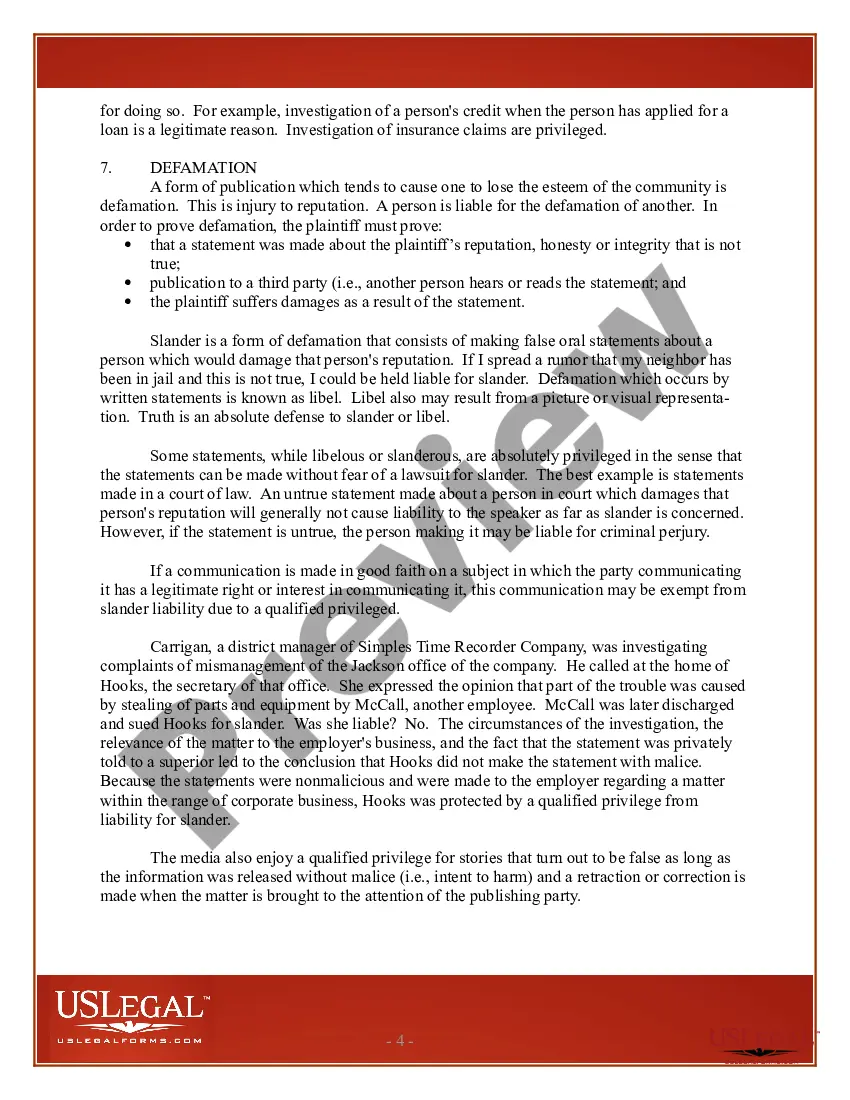
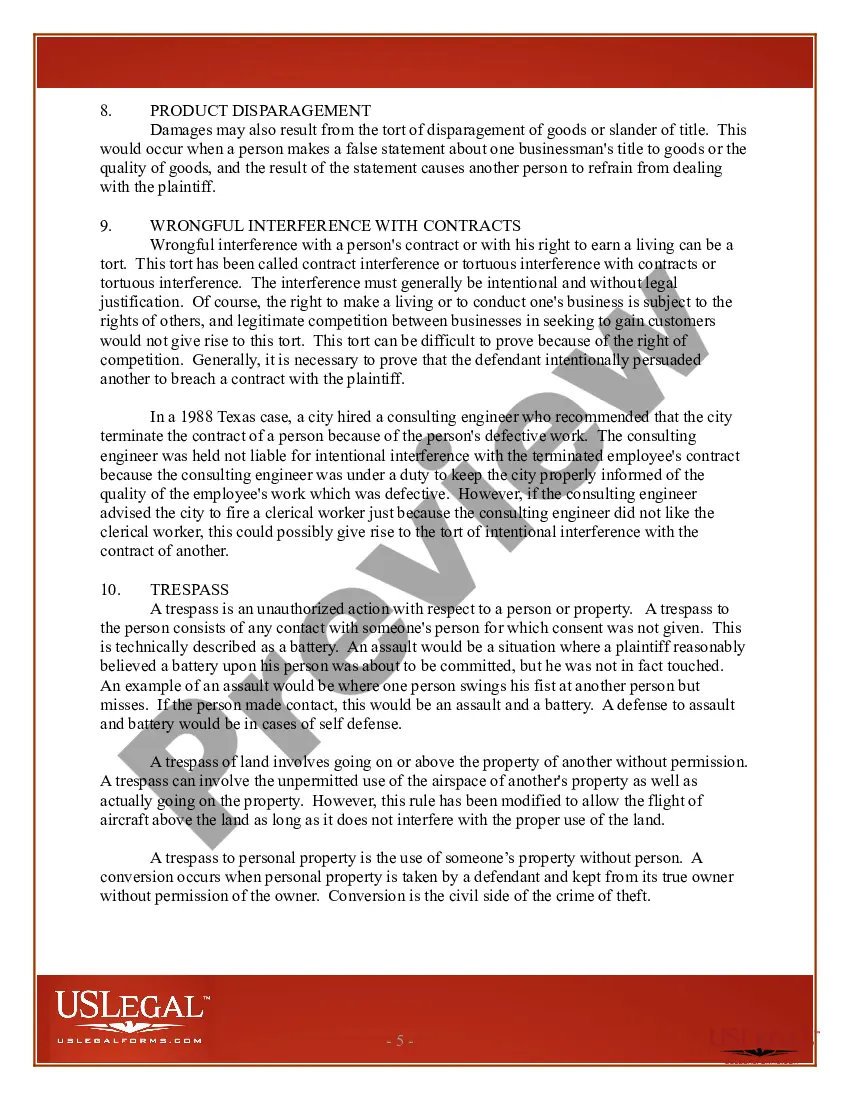
State the parties to the claim in the format claimant vs defendant (e.g., Ms A v Ms B). State the harm that the claimant has suffered. State which torts (there may be more than one) are relevant. Define the torts. Apply the elements of the tort, discussing any issues that may arise.
These legal elements include a professional duty owed to a patient, breach of duty, proximate cause or causal con- nection elicited by a breach of duty, and resulting in- juries or damages suffered. 1 These 4 elements apply to all cases of negligence regardless of specialty or clin- ician level.
Doing so means you and your lawyer must prove the five elements of negligence: duty, breach of duty, cause, in fact, proximate cause, and harm. Your lawyer may help you meet the elements necessary to prove your claim, build a successful case, and help you receive the monetary award you deserve.
Analyzing Tort Essay Exam Problems List the people in the problem. Identify the injured people. Identify the relationships between the injured persons and all other persons, injured or uninjured. Identify unnamed persons or legal entities who breached a duty to the plaintiff.
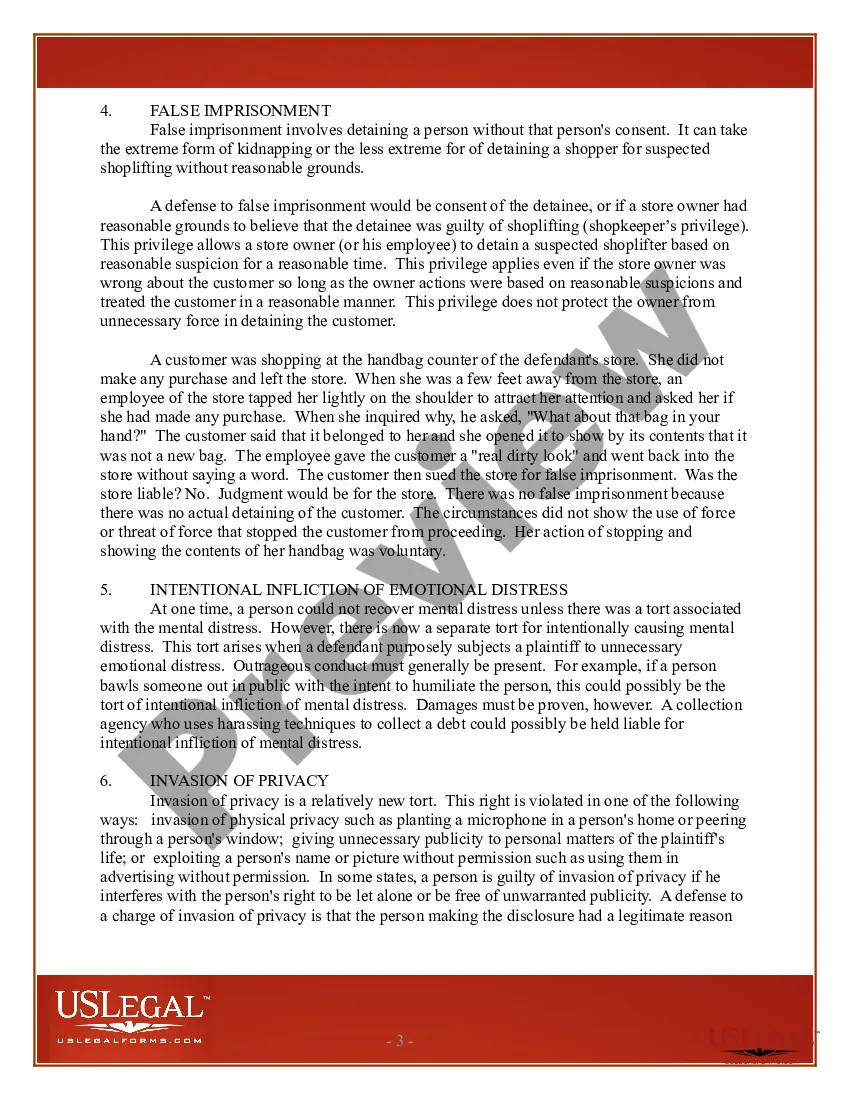
Most civil lawsuits for injuries allege the wrongdoer was negligent. To win in a negligence lawsuit, the victim must establish 4 elements: (1) the wrongdoer owed a duty to the victim, (2) the wrongdoer breached the duty, (3) the breach caused the injury (4) the victim suffered damages.
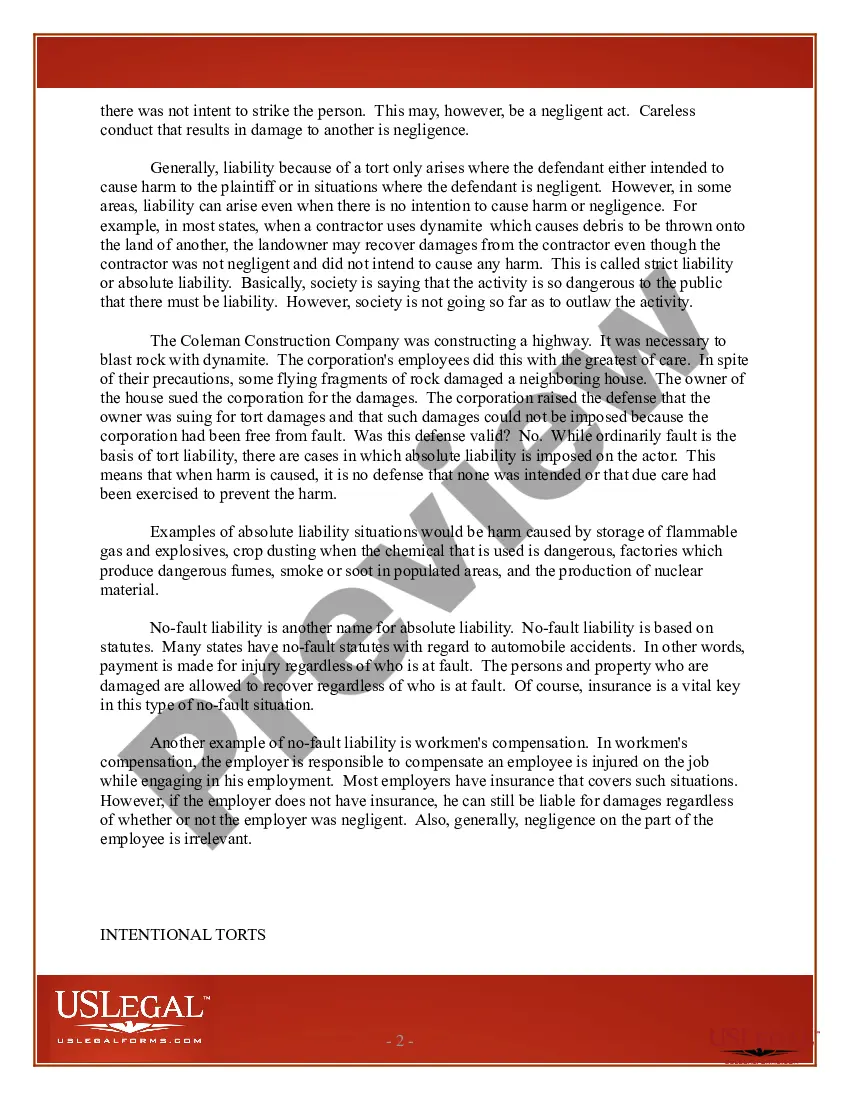
Tort liability is assigned using two basic standards: strict liability and negligence. Under strict liability, injurers are held fully liable for their victims' losses without regard for whether they were actually negligent or intended to harm anyone.