Tort Negligence Liability For Mental Harm In Middlesex
Description

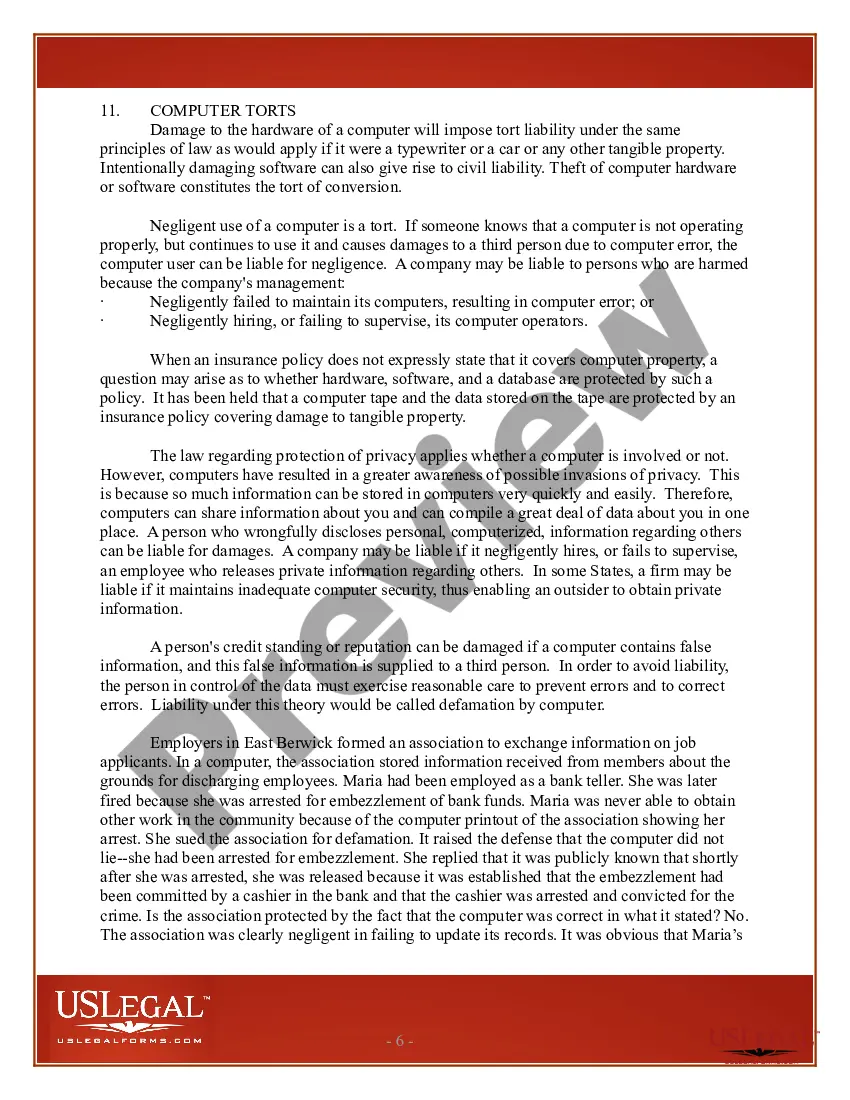
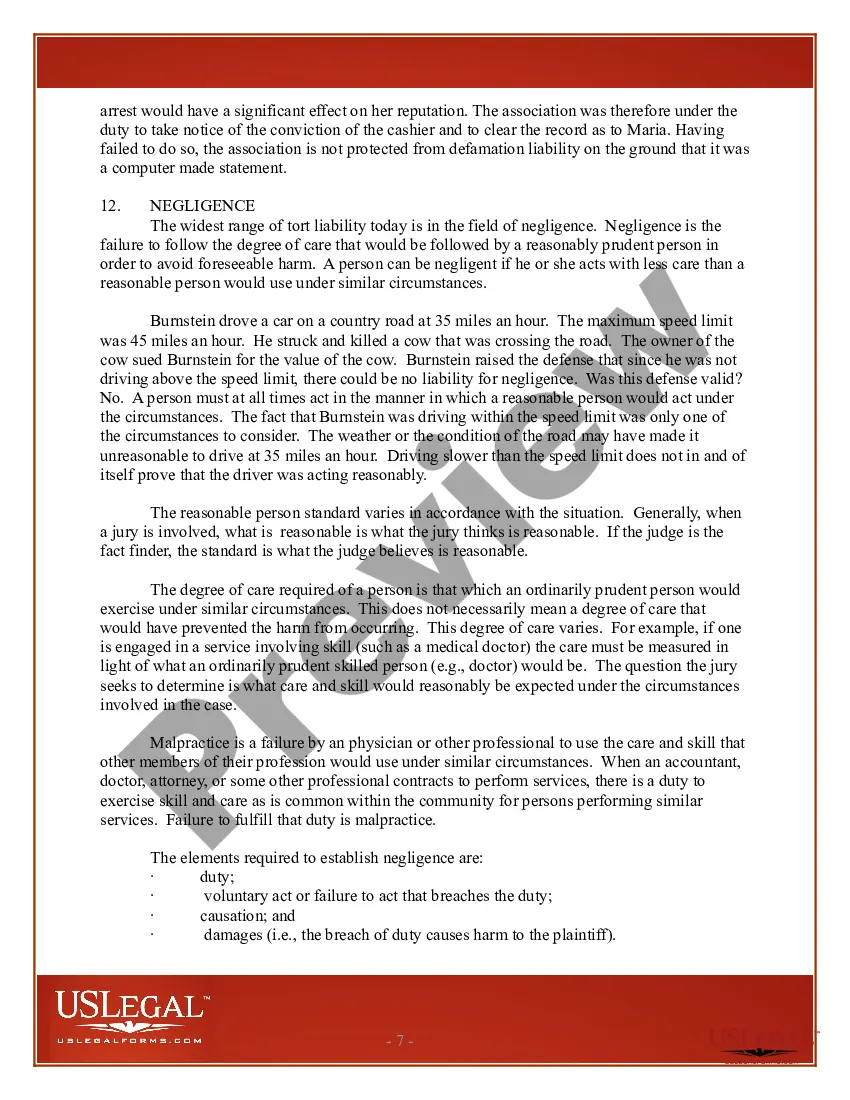
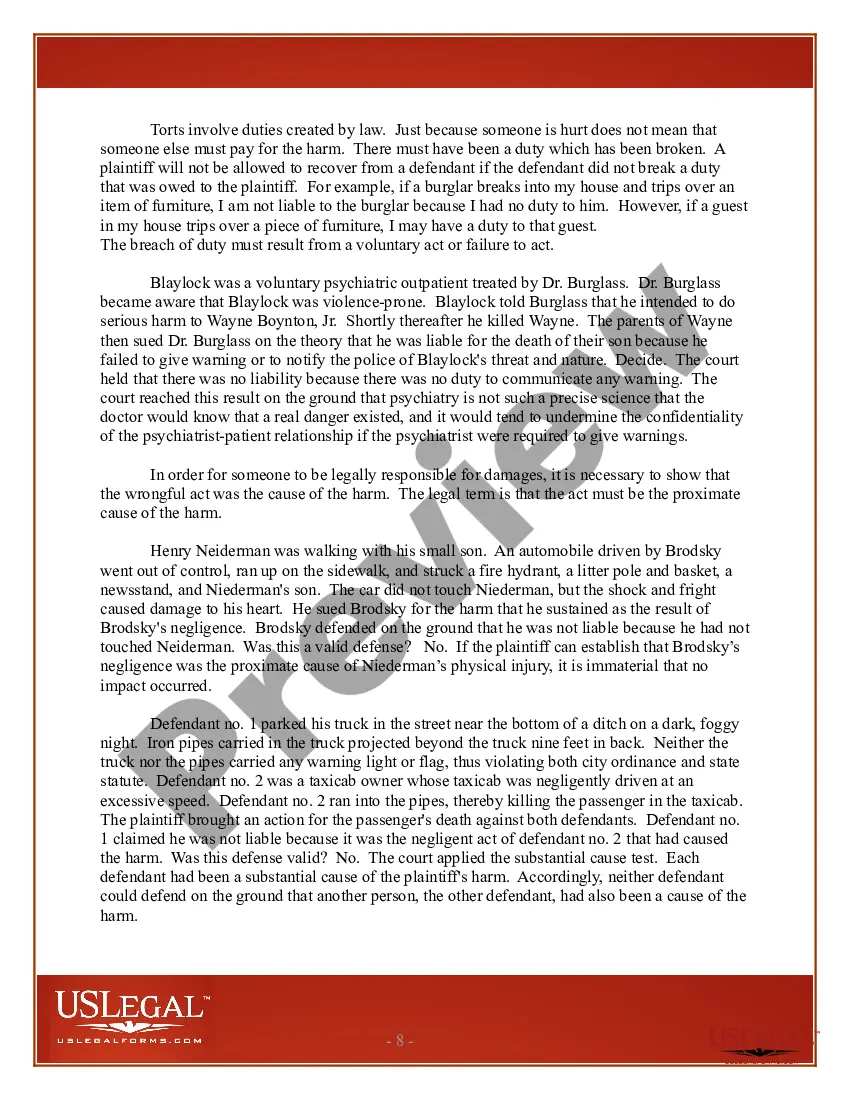
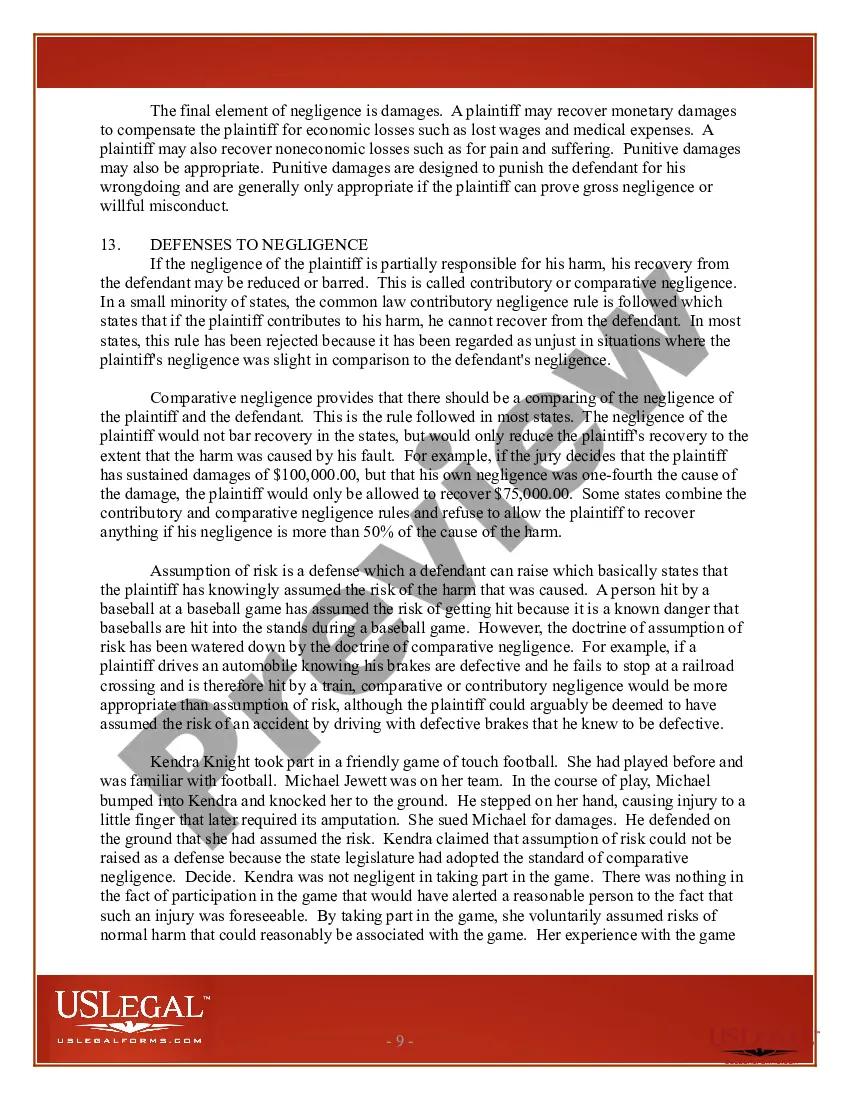
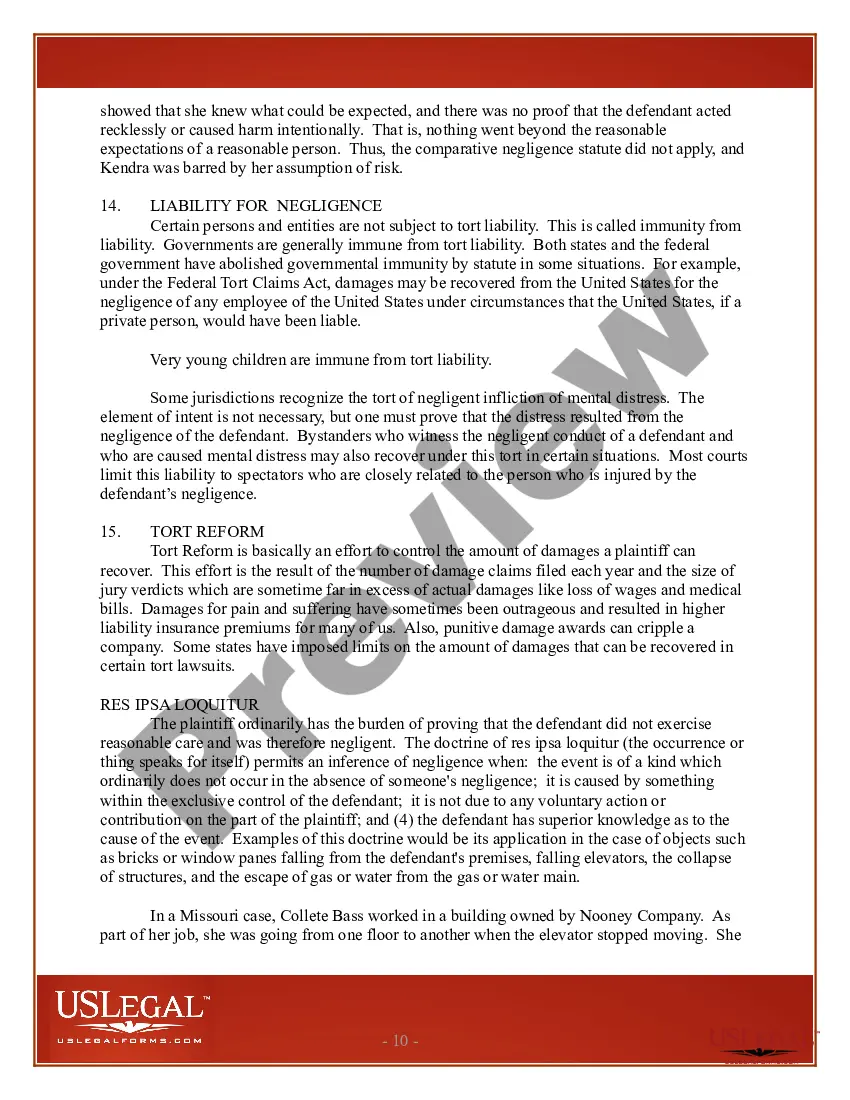



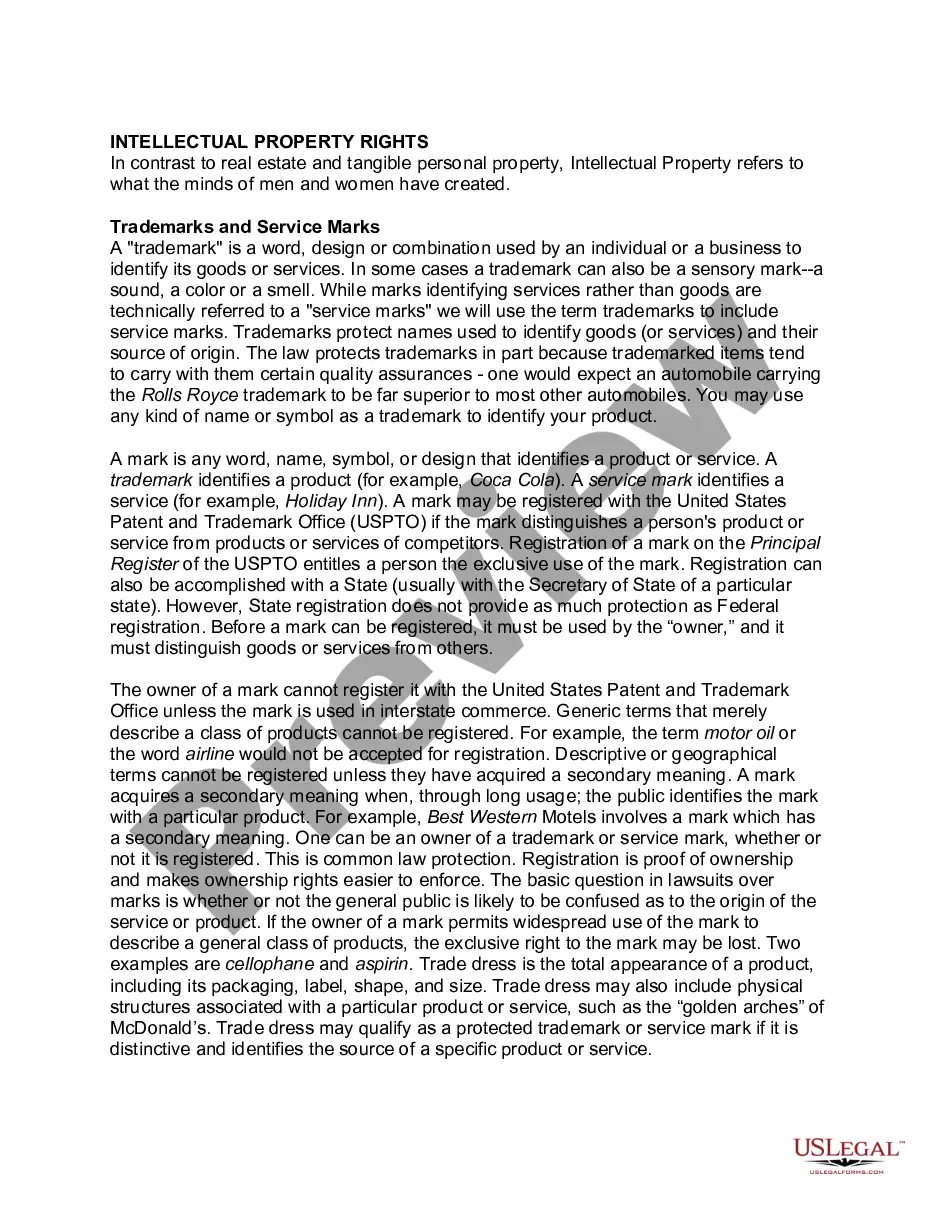
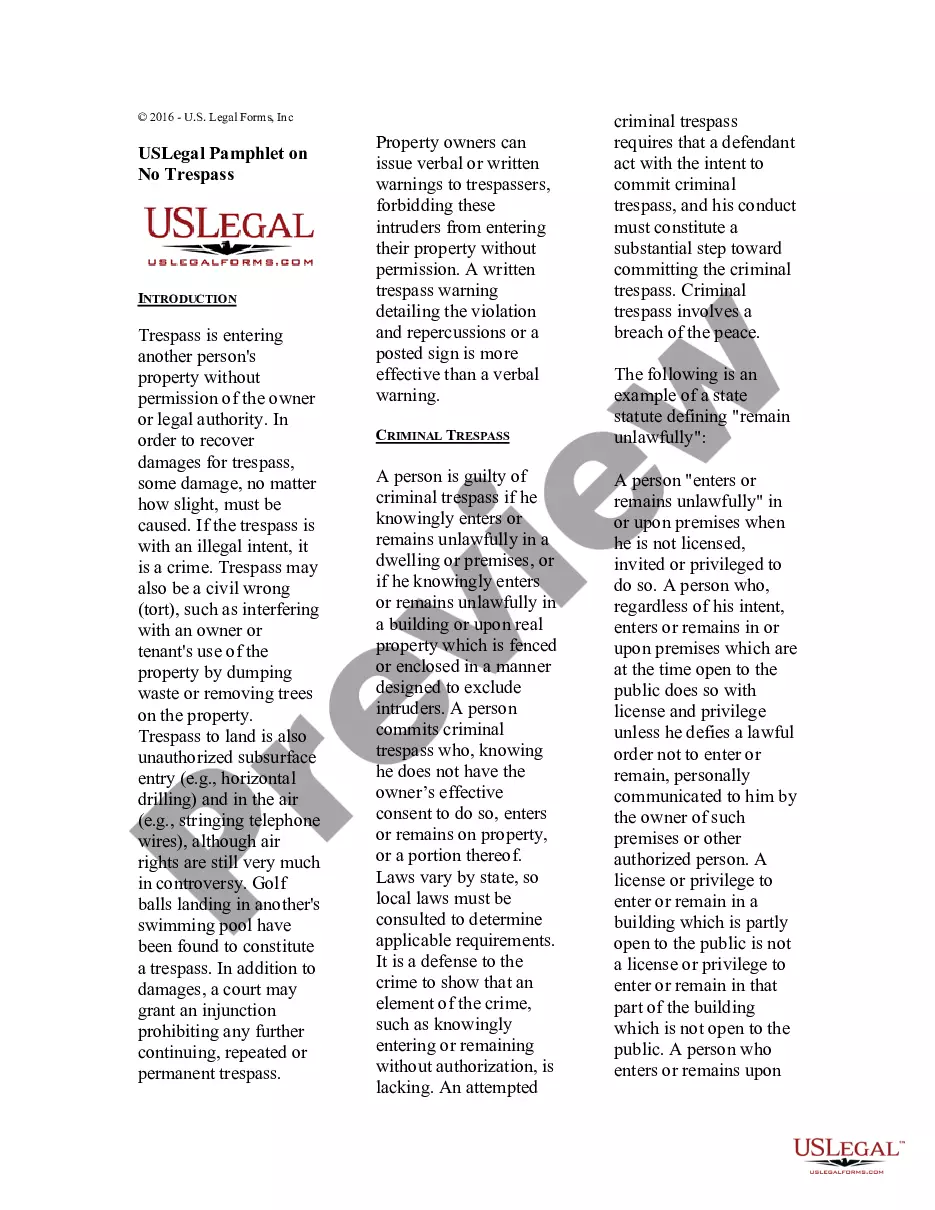
Get your form ready online
Our built-in tools help you complete, sign, share, and store your documents in one place.
Make edits, fill in missing information, and update formatting in US Legal Forms—just like you would in MS Word.
Download a copy, print it, send it by email, or mail it via USPS—whatever works best for your next step.
Sign and collect signatures with our SignNow integration. Send to multiple recipients, set reminders, and more. Go Premium to unlock E-Sign.
If this form requires notarization, complete it online through a secure video call—no need to meet a notary in person or wait for an appointment.
We protect your documents and personal data by following strict security and privacy standards.

Make edits, fill in missing information, and update formatting in US Legal Forms—just like you would in MS Word.

Download a copy, print it, send it by email, or mail it via USPS—whatever works best for your next step.

Sign and collect signatures with our SignNow integration. Send to multiple recipients, set reminders, and more. Go Premium to unlock E-Sign.

If this form requires notarization, complete it online through a secure video call—no need to meet a notary in person or wait for an appointment.

We protect your documents and personal data by following strict security and privacy standards.
Looking for another form?






Form popularity
FAQ
Intentional infliction of emotional distress (IIED) is a tort that occurs when one acts in a manner that intentionally or recklessly causes another to suffer severe emotional distress, such as issuing the threat of future harm.
First, there exists a garden variety emotional distress claim where you assert the claim but do not need to find and obtain a medical opinion by a therapist or psychiatrist. Generally, these claims are worth $30,000-$50,000.
Intentional infliction of emotional distress (IIED; sometimes called the tort of outrage) is a common law tort that allows individuals to recover for severe emotional distress caused by another individual who intentionally or recklessly inflicted emotional distress by behaving in an "extreme and outrageous" way.
In claims of negligently inflicted psychiatric illness, the plaintiff's reaction to a traumatic event is usually measured against a standard of normal susceptibility and disposition. This measurement is used to determine the question of whether the defendant should have reasonably foreseen the plaintiff's injury.
A mentally disordered defendant who commits negligence will be liable, even if his or her actions could be attributable to illness. Since a seventeenth-century dictum indicating that a 'lunatic' would be answerable in trespass,3. the courts have been unwilling to excuse mentally ill defendants' tortious liabilities.
The tort of intentional infliction of mental suffering goes by many names - intentional infliction of emotional harm, intentional infliction of emotional distress and so forth. Basically, this tort involves intentionally causing severe emotional harm to another individual.
1) the death or serious physical injury of another caused by defendant's negligence; 2) a marital or intimate, familial relationship between plaintiff and the injured person; 3) observation of the death or injury at the scene of the accident; 4) resulting severe emotional distress.
Overview. Intentional infliction of emotional distress (IIED) is a tort that occurs when one acts in a manner that intentionally or recklessly causes another to suffer severe emotional distress, such as issuing the threat of future harm.
Doing so means you and your lawyer must prove the five elements of negligence: duty, breach of duty, cause, in fact, proximate cause, and harm. Your lawyer may help you meet the elements necessary to prove your claim, build a successful case, and help you receive the monetary award you deserve.
These legal elements include a professional duty owed to a patient, breach of duty, proximate cause or causal con- nection elicited by a breach of duty, and resulting in- juries or damages suffered. 1 These 4 elements apply to all cases of negligence regardless of specialty or clin- ician level.
