Tort Negligence Liability For Psychiatric Damage In Mecklenburg
Description




Get your form ready online
Our built-in tools help you complete, sign, share, and store your documents in one place.
Make edits, fill in missing information, and update formatting in US Legal Forms—just like you would in MS Word.
Download a copy, print it, send it by email, or mail it via USPS—whatever works best for your next step.
Sign and collect signatures with our SignNow integration. Send to multiple recipients, set reminders, and more. Go Premium to unlock E-Sign.
If this form requires notarization, complete it online through a secure video call—no need to meet a notary in person or wait for an appointment.
We protect your documents and personal data by following strict security and privacy standards.

Make edits, fill in missing information, and update formatting in US Legal Forms—just like you would in MS Word.

Download a copy, print it, send it by email, or mail it via USPS—whatever works best for your next step.

Sign and collect signatures with our SignNow integration. Send to multiple recipients, set reminders, and more. Go Premium to unlock E-Sign.

If this form requires notarization, complete it online through a secure video call—no need to meet a notary in person or wait for an appointment.

We protect your documents and personal data by following strict security and privacy standards.
Looking for another form?








Form popularity
FAQ
To file a claim, complete these steps: Complete Standard Form 95. Explain in detail what happened, using additional pages if necessary. Attach all documents that support your claim, which may include the following. Submit the completed Standard Form 95 and supporting documents to the OPM Office of the General Counsel.
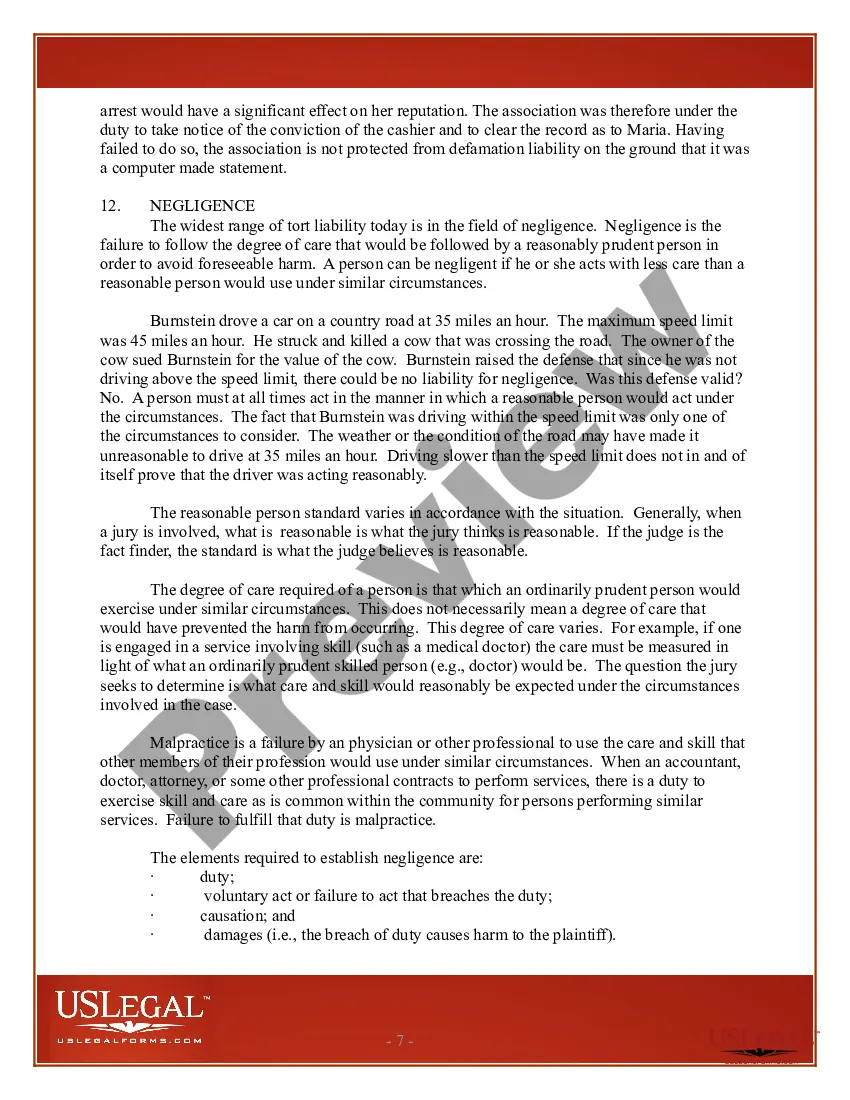
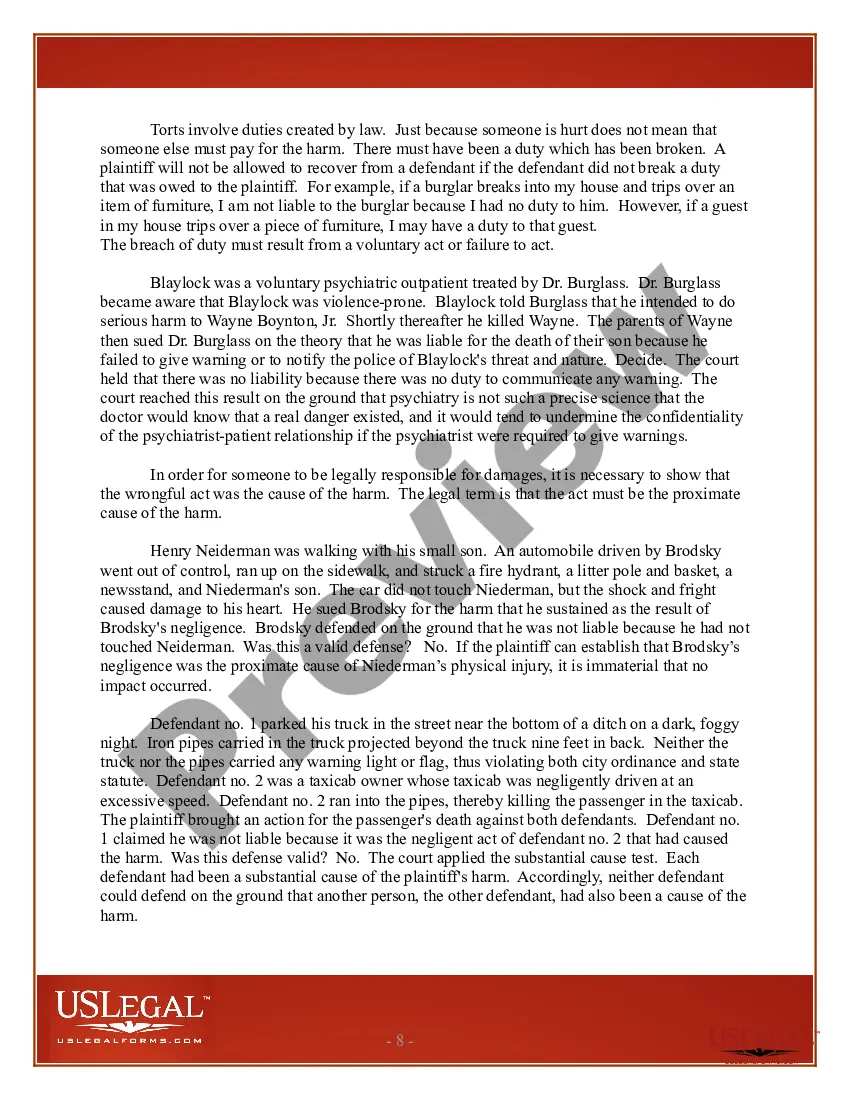
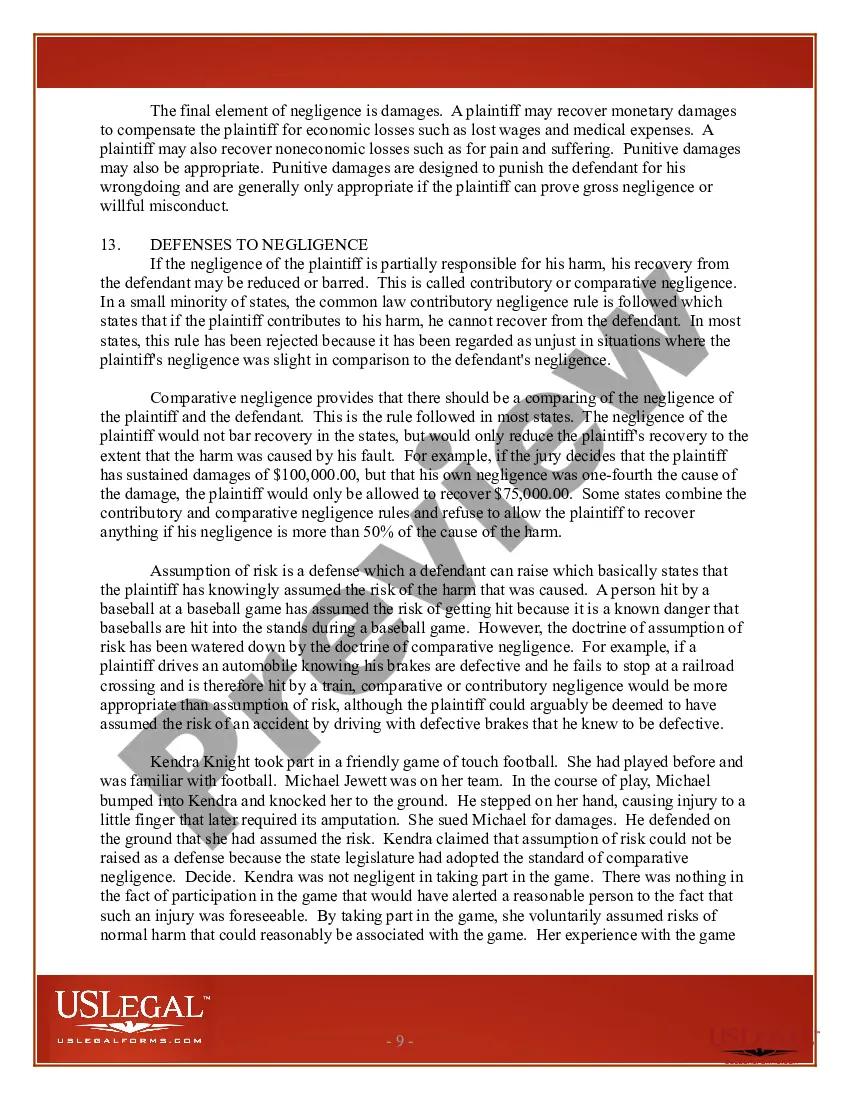
Under California law, there are four legal principles of negligence required for a claim include duty of care, breach of duty of care, causation, and damages.
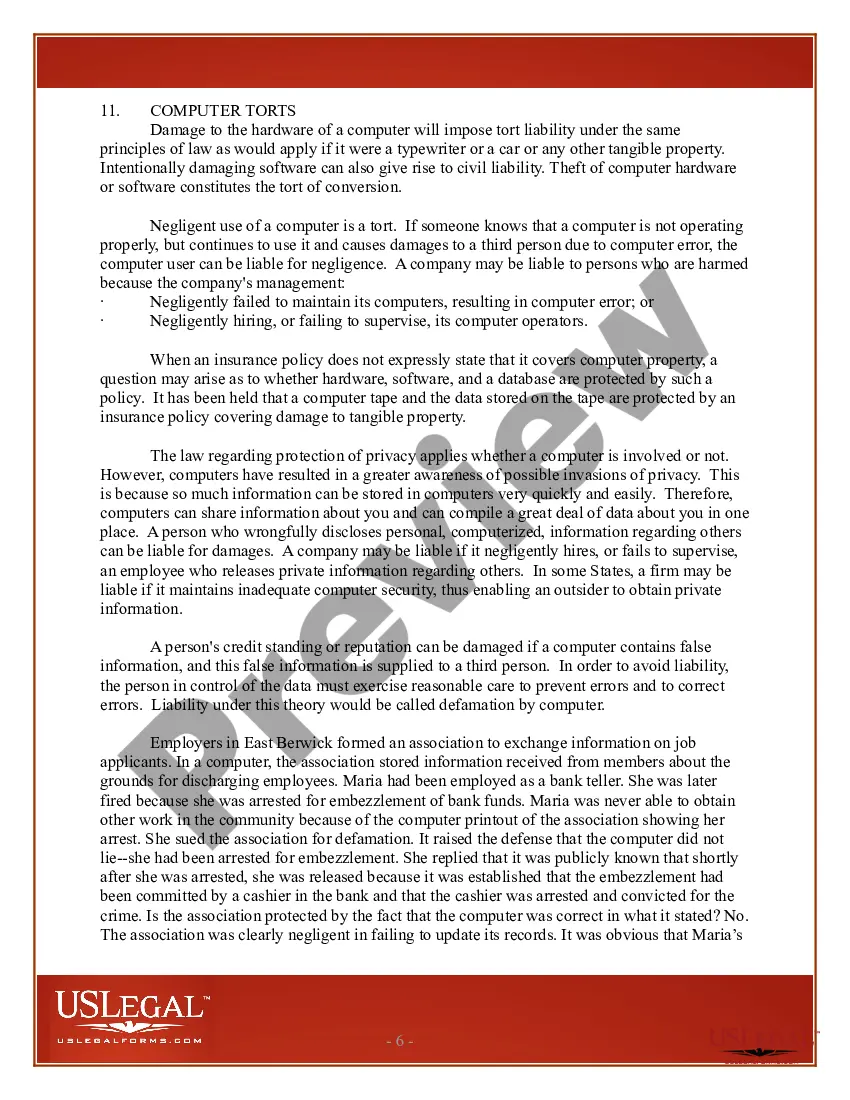
At 676, 483 S.E.2d at 81; McAllister, 347 N.C. at 645-46, 496 S.E.2d at 582-583 The Johnson Court required for a showing of NIED that: 1)the defendant negligently engaged in some act; 2) it was reasonably foreseeable that the conduct would cause the plaintiff severe emotional distress; and 3) the plaintiff did suffer ...
In claims of negligently inflicted psychiatric illness, the plaintiff's reaction to a traumatic event is usually measured against a standard of normal susceptibility and disposition. This measurement is used to determine the question of whether the defendant should have reasonably foreseen the plaintiff's injury.
It's very rare and depends entirely on the circumstances. There really has to be reprehensible conduct that the defendant knew or should have known would cause emotional injury to the plaintiff. Those types of cases require a lot of discovery and sometimes result in jury verdicts of a trivial amount.
The tort of intentional infliction of emotional distress has four elements: (1) the defendant must act intentionally or recklessly; (2) the defendant's conduct must be extreme and outrageous; and (3) the conduct must be the cause (4) of severe emotional distress. Hyatt, 943 S.W. 2d at 297.
However, California also permits those who only suffer emotional harm from another's negligence to recover damages in some situations. For example, if Bob accidentally caused an accident where Sarah saw her mother get injured, Sarah might suffer emotional distress due to Bob's negligence.
In an emotional distress claim, proving that the defendant acted with intent is key. This means showing that they knew or should have known their actions would cause serious distress. Your lawyer will start by gathering evidence such as emails or text messages, which can be crucial in establishing this intentionality.
To succeed in an NIED claim in North Carolina, the plaintiff, or injured person or their estate, must prove: The defendant behaved negligently. It was reasonably foreseeable that such behavior would cause severe emotional distress to the plaintiff. The conduct actually did cause the plaintiff severe emotional distress.
The Court again outlined the elements required to allege negligent infliction of emotional distress: (1) the plaintiff must suffer a physical injury; (2) the plaintiff's physical injury must be caused by the psychological trauma ; (3) the plaintiff must be involved in some way in the event which caused the negligent ...
