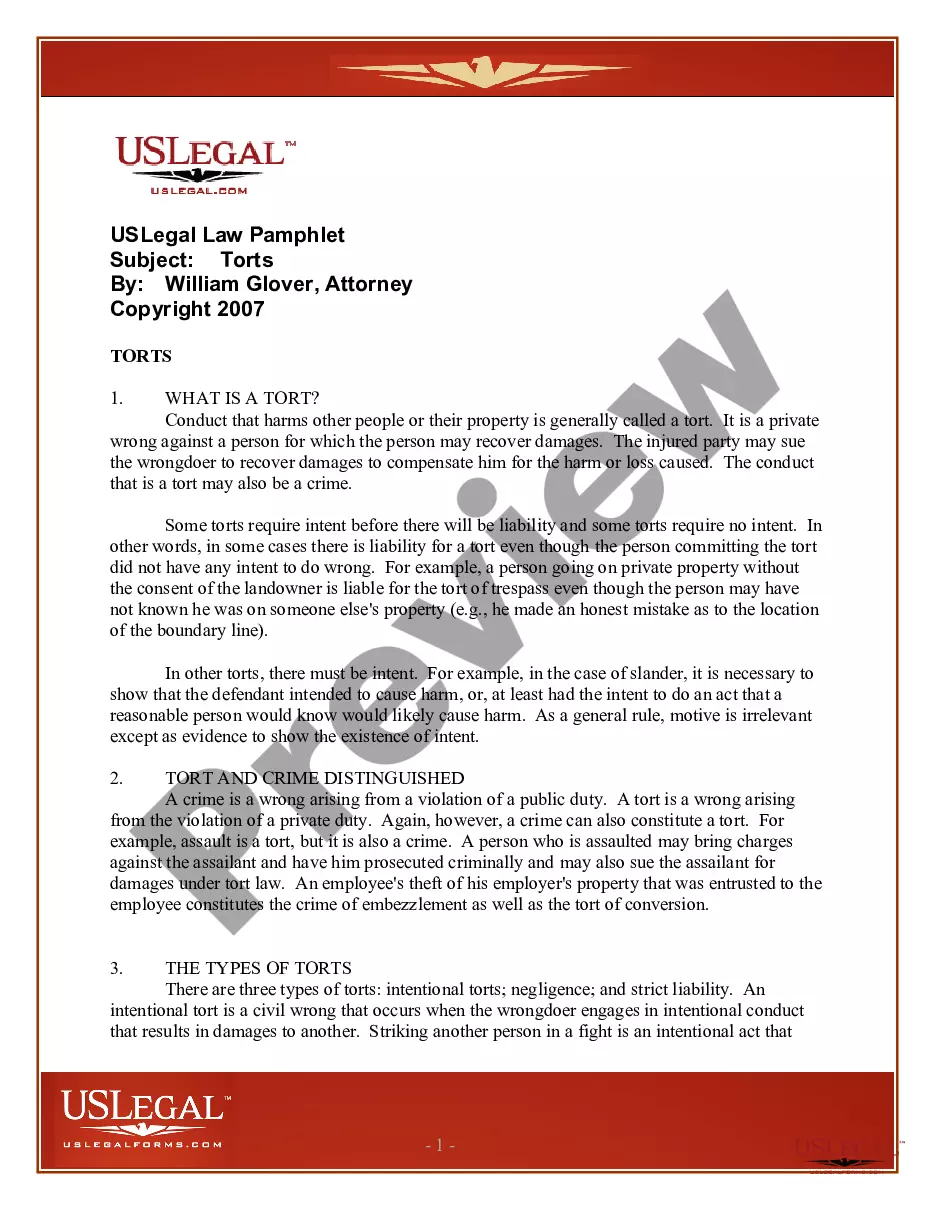
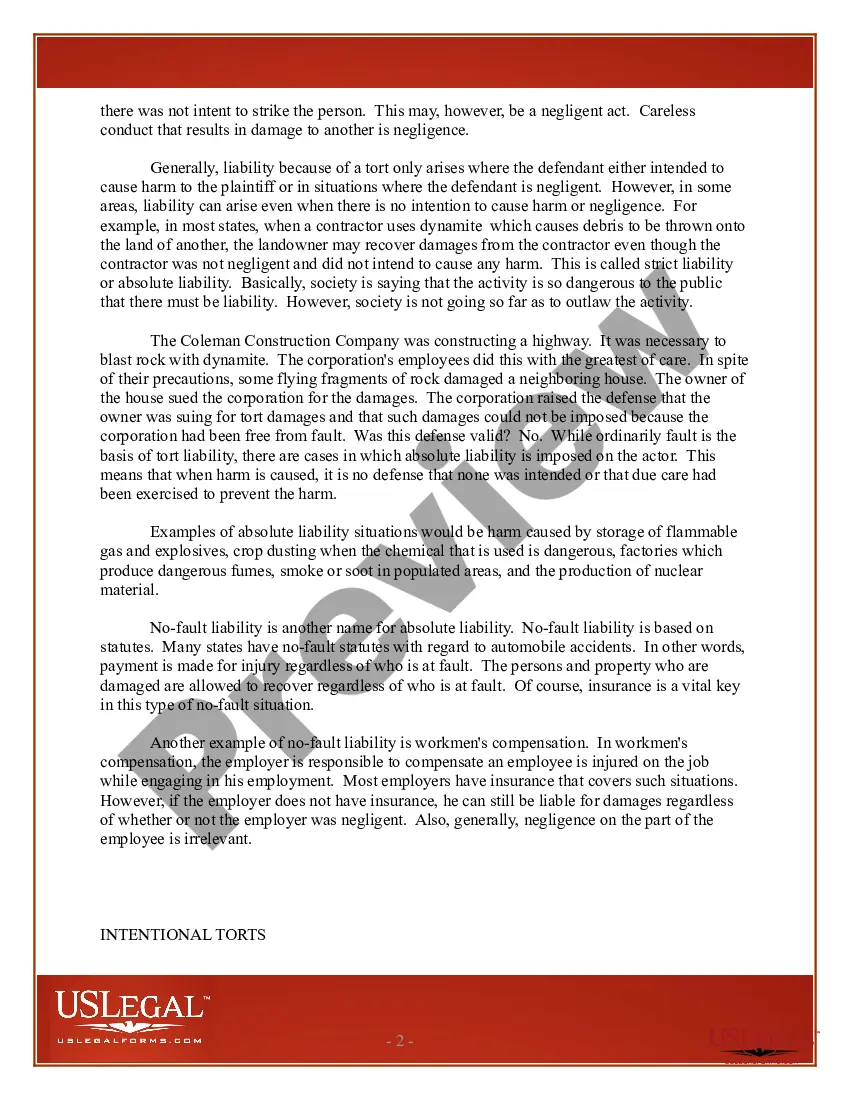
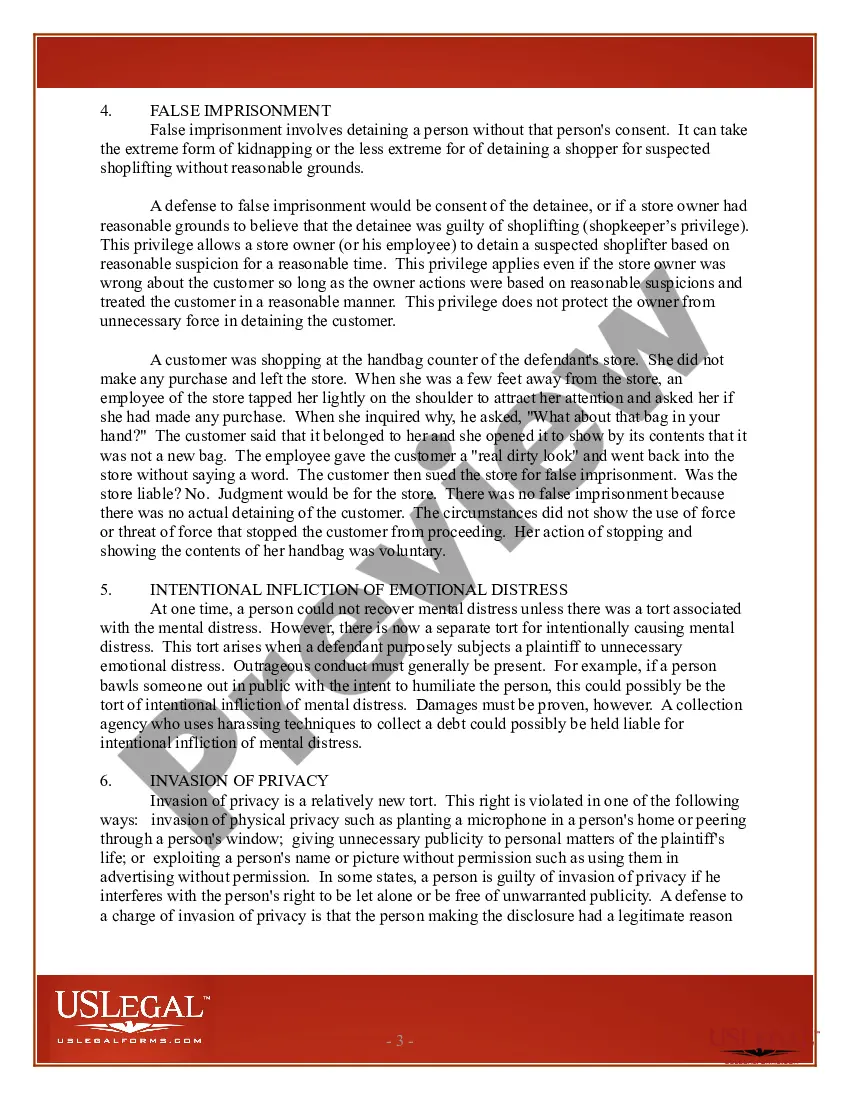
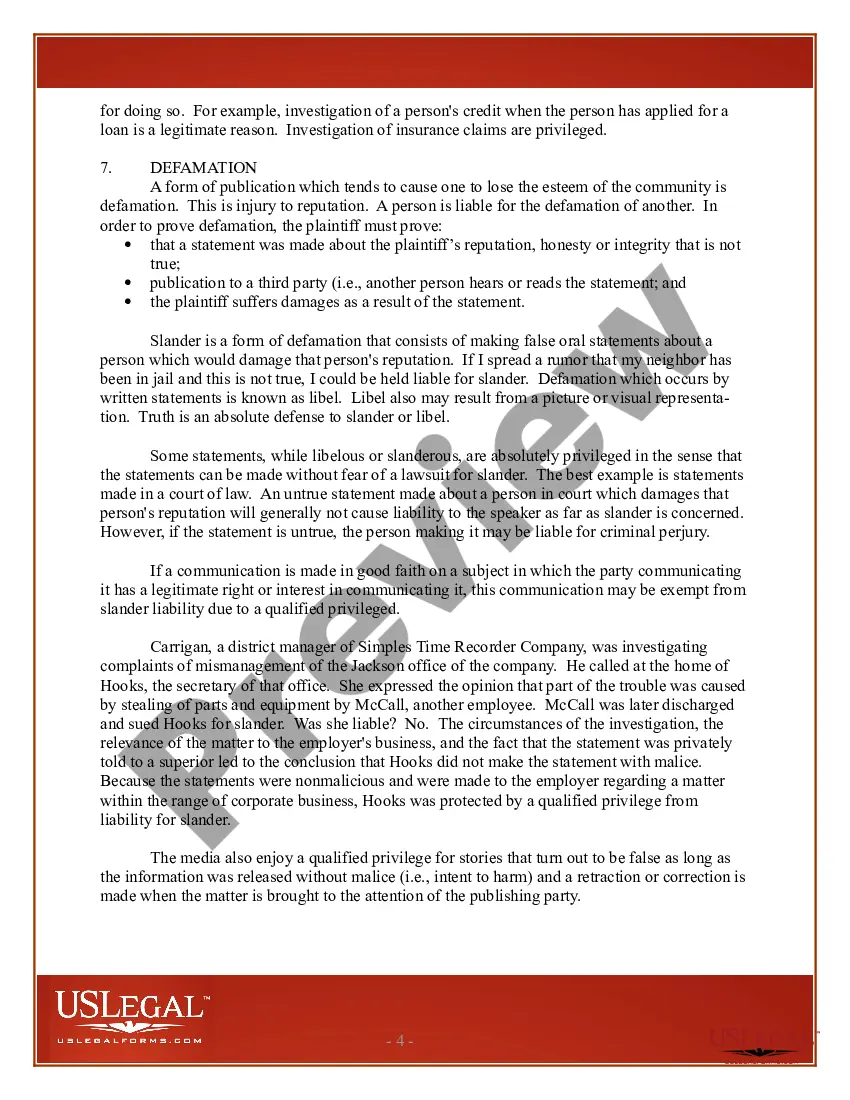
Tort Negligence Liability For Employers In Massachusetts
Description
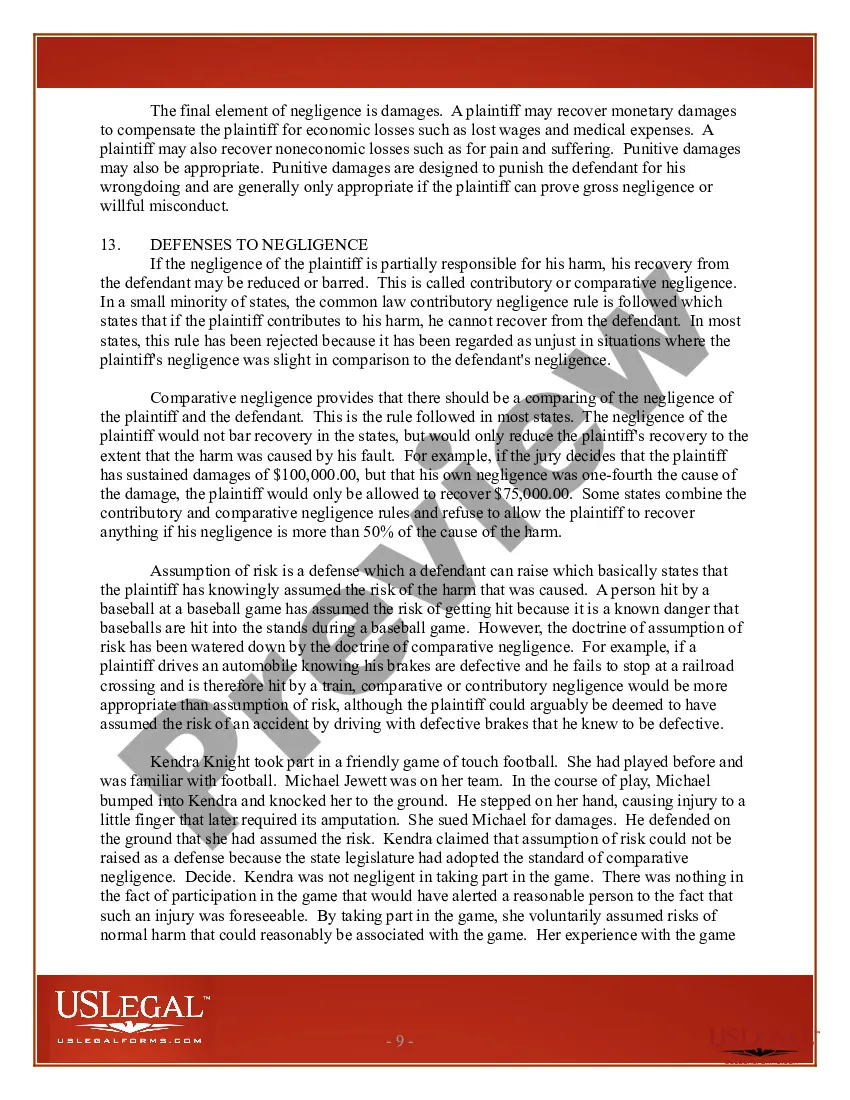
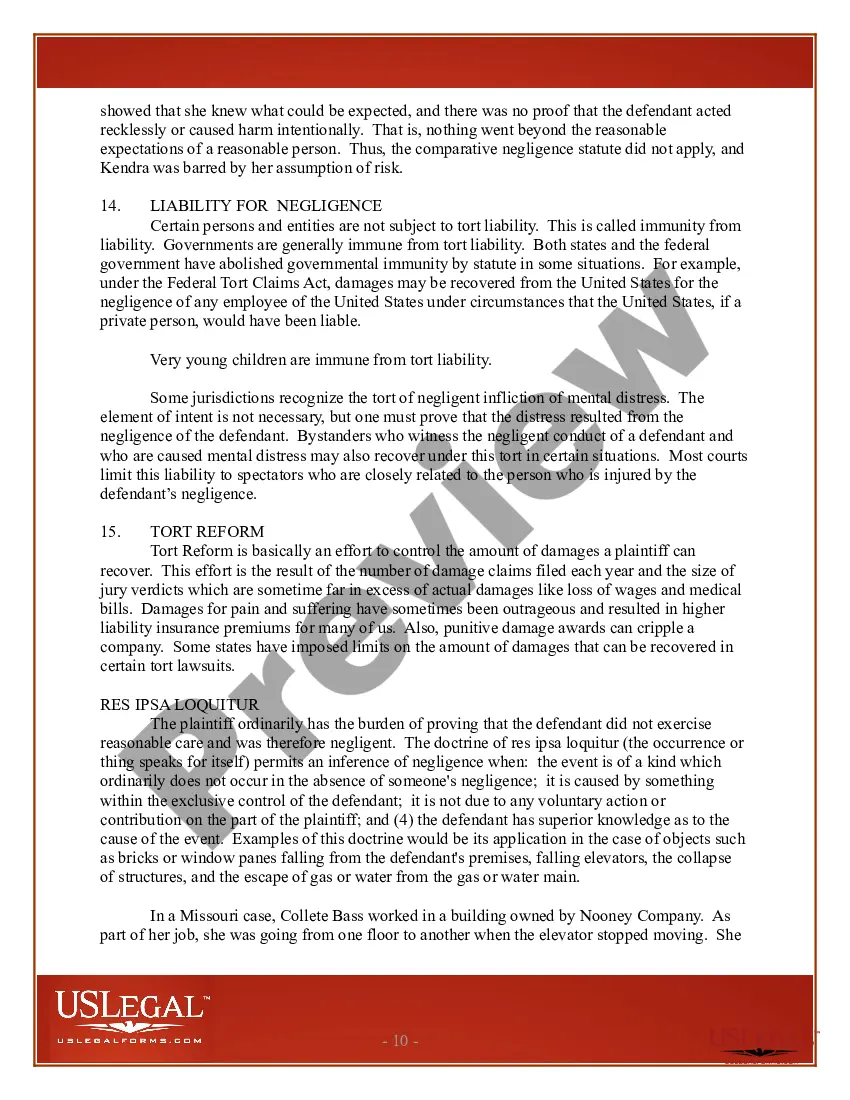


Get your form ready online
Our built-in tools help you complete, sign, share, and store your documents in one place.
Make edits, fill in missing information, and update formatting in US Legal Forms—just like you would in MS Word.
Download a copy, print it, send it by email, or mail it via USPS—whatever works best for your next step.
Sign and collect signatures with our SignNow integration. Send to multiple recipients, set reminders, and more. Go Premium to unlock E-Sign.
If this form requires notarization, complete it online through a secure video call—no need to meet a notary in person or wait for an appointment.
We protect your documents and personal data by following strict security and privacy standards.

Make edits, fill in missing information, and update formatting in US Legal Forms—just like you would in MS Word.

Download a copy, print it, send it by email, or mail it via USPS—whatever works best for your next step.

Sign and collect signatures with our SignNow integration. Send to multiple recipients, set reminders, and more. Go Premium to unlock E-Sign.

If this form requires notarization, complete it online through a secure video call—no need to meet a notary in person or wait for an appointment.

We protect your documents and personal data by following strict security and privacy standards.
Looking for another form?
Form popularity
FAQ
It is initiated by filing a complaint with the clerk of court ing to Rules 8–15 of the Massachusetts rules of civil procedure. The plaintiff may visit the applicable court in person, follow the court clerk's instructions, or file online using the guide and file provided on the court website.
Tort liability is predicated on the existence of proximate cause, which consists of both: (1) causation in fact, and (2) foreseeability. A plaintiff must prove that his or her injuries were the actual or factual result of the defendant's actions.
Intentional torts are usually not within the course and scope of employment. Employers may be vicariously liable for the intentional torts of their employees only if the employer tolerated the activities or did not properly screen the employees for dangerous tendencies.
The correct answer is A) Vicarious liability. Employers are generally considered liable for the actions and omissions of employees as performed and committed within the scope of their employment. This concept is known as vicarious liability.
The person, usually an employer, is responsible for the actions of their employee (or other subordinate) if that employee causes harm or injury to another person. Vicarious liability is typically considered a tort, which is an act or inaction that results in another person's harm or injury.
Respondeat superior refers to the legal doctrine generally used in tort law. Under the doctrine of respondeat superior, the employer or a principal could be held vicariously liable for an unlawful or unjust act of an employee or an agent.
In most cases, the answer is no, but there are some situations in which an employee may be able to file a claim or seek additional damages for a work-related accident or illness.
In California, an employer is vicariously liable for the negligent and wrongful acts of his employees that are committed within the scope of employment.
Respondeat superior refers to the legal doctrine generally used in tort law. Under the doctrine of respondeat superior, the employer or a principal could be held vicariously liable for an unlawful or unjust act of an employee or an agent.
In order to win your negligence claim, and obtain one or more of the types of damages available to you as an injured victim, your personal injury lawyer will have to prove four things: (1) duty; (2) breach; (3) causation; and (4) damages. More specifically, your attorney will have to prove the following: Duty.