Tort Negligence Liability For Employers In Florida
Description

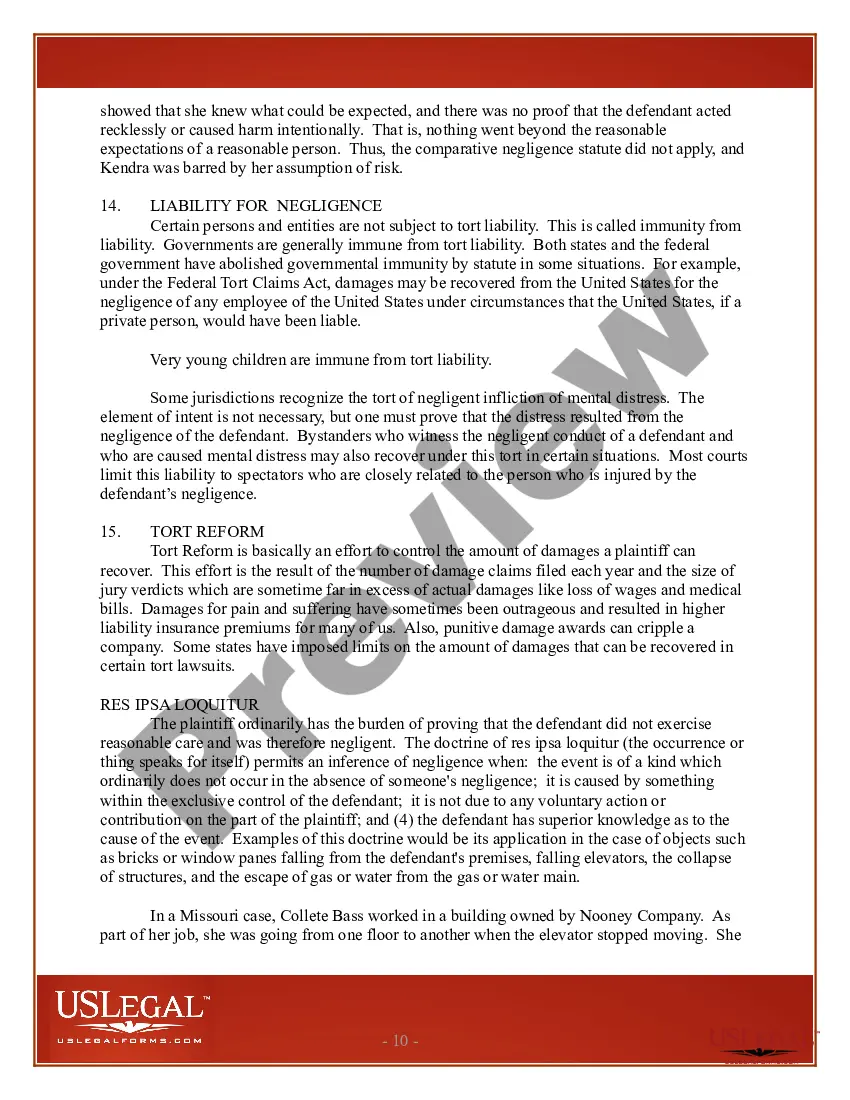




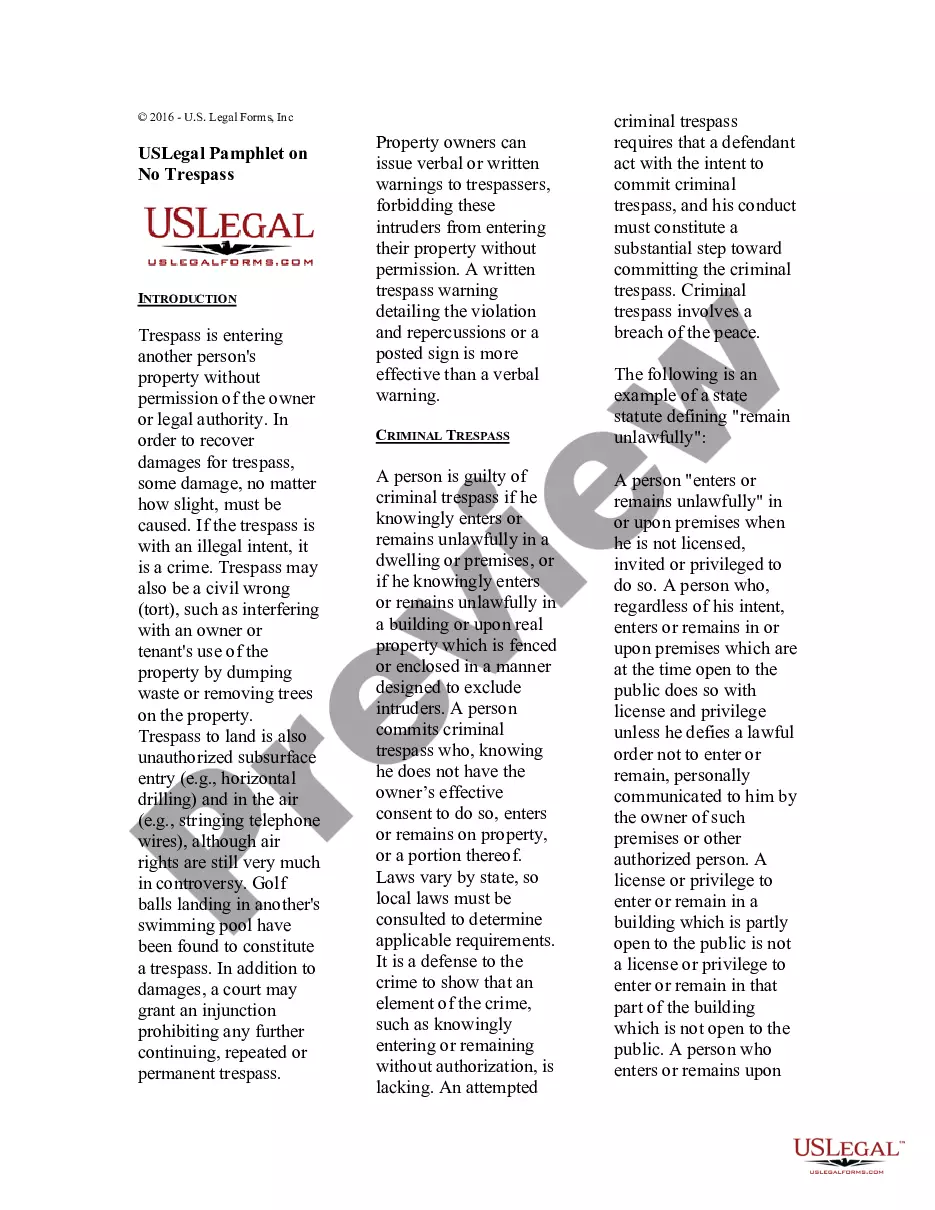
Get your form ready online
Our built-in tools help you complete, sign, share, and store your documents in one place.
Make edits, fill in missing information, and update formatting in US Legal Forms—just like you would in MS Word.
Download a copy, print it, send it by email, or mail it via USPS—whatever works best for your next step.
Sign and collect signatures with our SignNow integration. Send to multiple recipients, set reminders, and more. Go Premium to unlock E-Sign.
If this form requires notarization, complete it online through a secure video call—no need to meet a notary in person or wait for an appointment.
We protect your documents and personal data by following strict security and privacy standards.

Make edits, fill in missing information, and update formatting in US Legal Forms—just like you would in MS Word.

Download a copy, print it, send it by email, or mail it via USPS—whatever works best for your next step.

Sign and collect signatures with our SignNow integration. Send to multiple recipients, set reminders, and more. Go Premium to unlock E-Sign.

If this form requires notarization, complete it online through a secure video call—no need to meet a notary in person or wait for an appointment.

We protect your documents and personal data by following strict security and privacy standards.
Looking for another form?







Form popularity
FAQ
Respondeat superior refers to the legal doctrine generally used in tort law. Under the doctrine of respondeat superior, the employer or a principal could be held vicariously liable for an unlawful or unjust act of an employee or an agent.
The Florida Civil Rights Act and federal laws, such as Title VII of the Civil Rights Act of 1964 and the Americans with Disabilities Act, protect against wrongful termination. You might have grounds to sue your employer if you believe you were fired unlawfully.
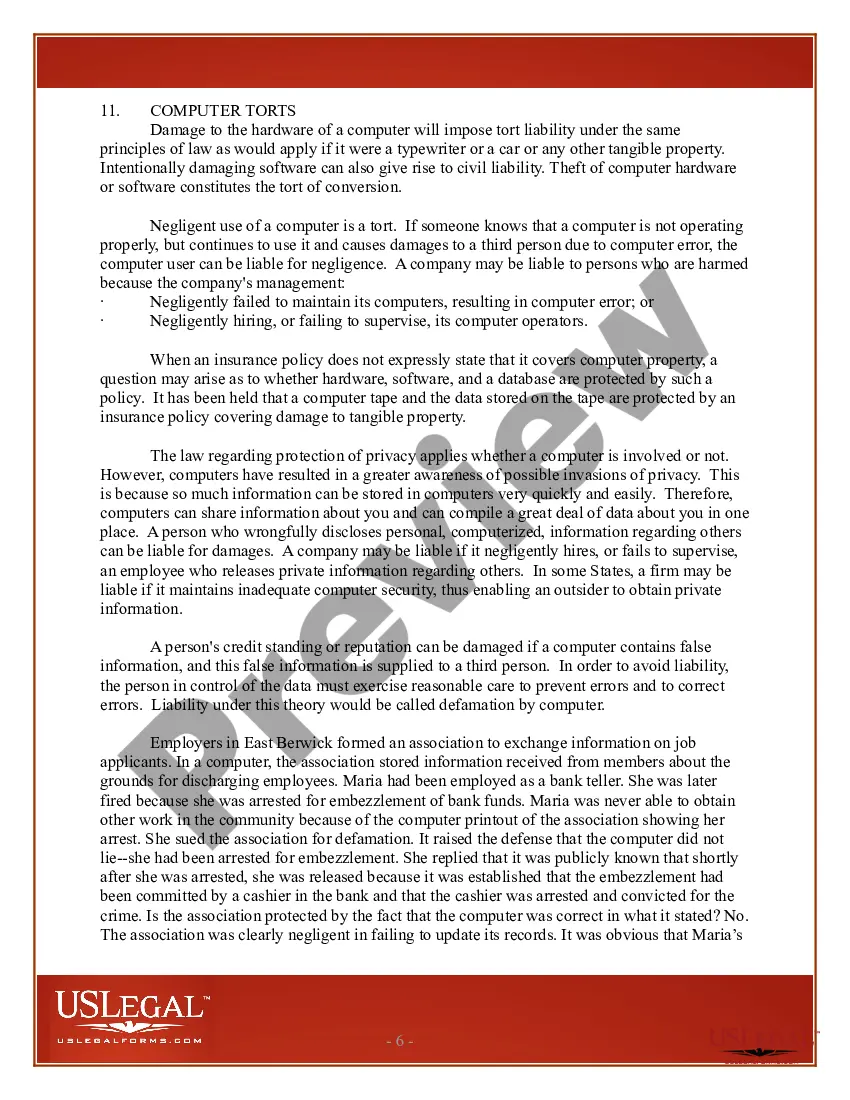
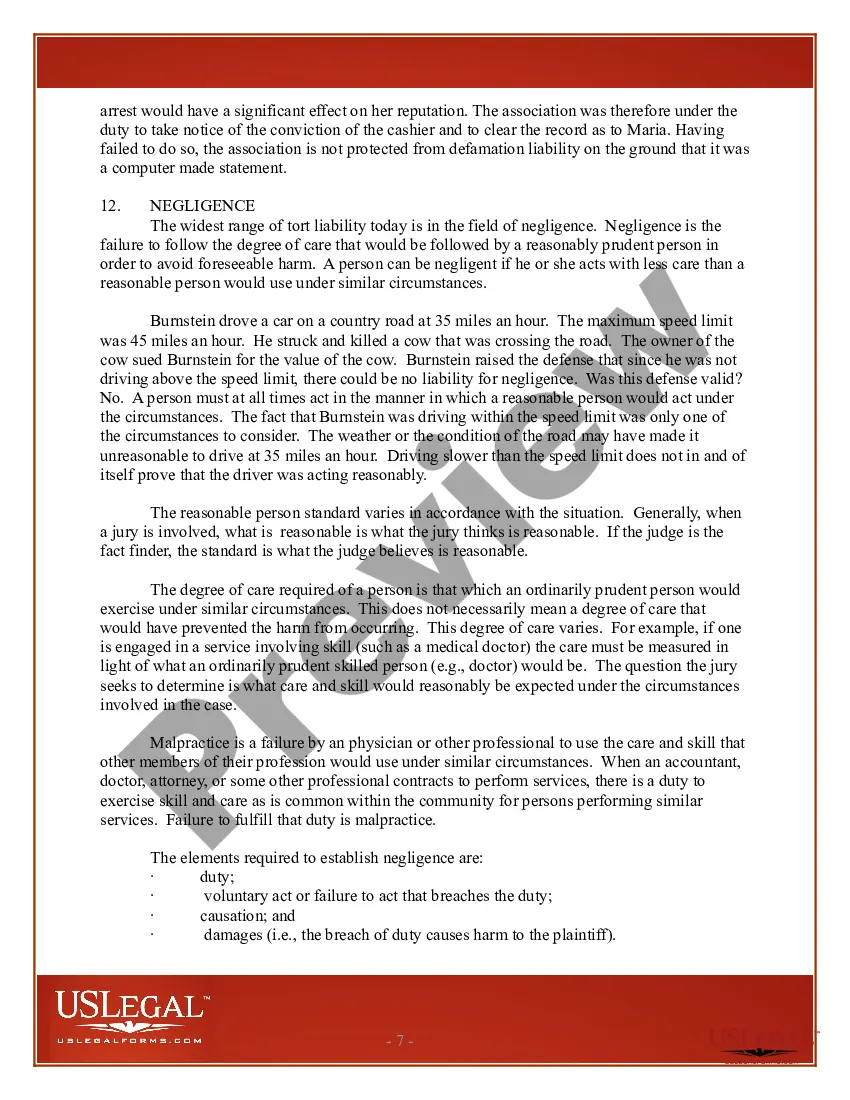
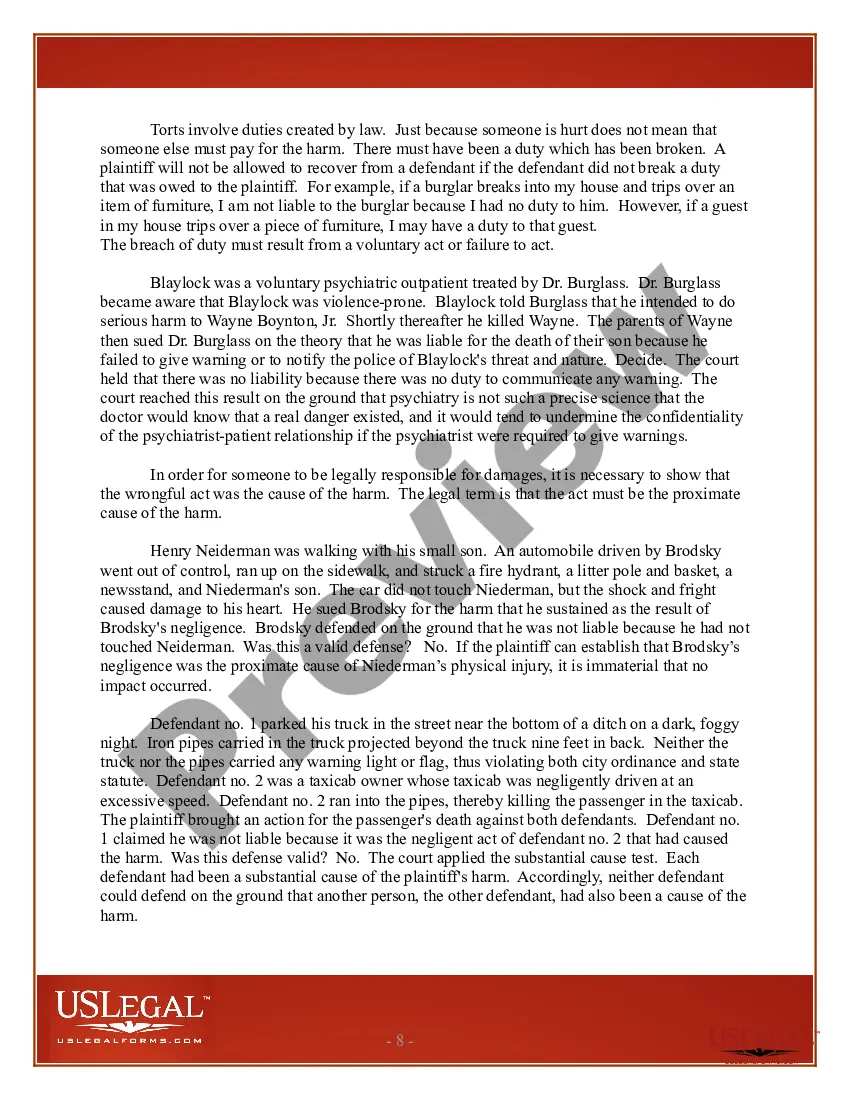
To recover on a negligence claim, the plaintiff must establish the existence of a legal duty on the part of the defendant, a breach of that duty, causation, and damages. United Blood Servs. v. Quintana, 827 P.
The answer depends on your claims and willingness to pursue litigation. If your claims are strong and you are invested in the litigation process, it can be very “worth it” to feel you are standing up for accountability, getting compensation for your injuries, and incentivizing the company to change its ways.
An example: An employer would be considered negligent if he failed to do a background check on a new hire to later find out that this employee was fired from a previous job for assaulting a co-worker.
In Florida, injured parties must file a Notice of Claim with the Department of Financial Services to preserve their right to file a lawsuit against a government entity. The notice of claim must be filed in writing within three years of the injury date (two years for wrongful death).
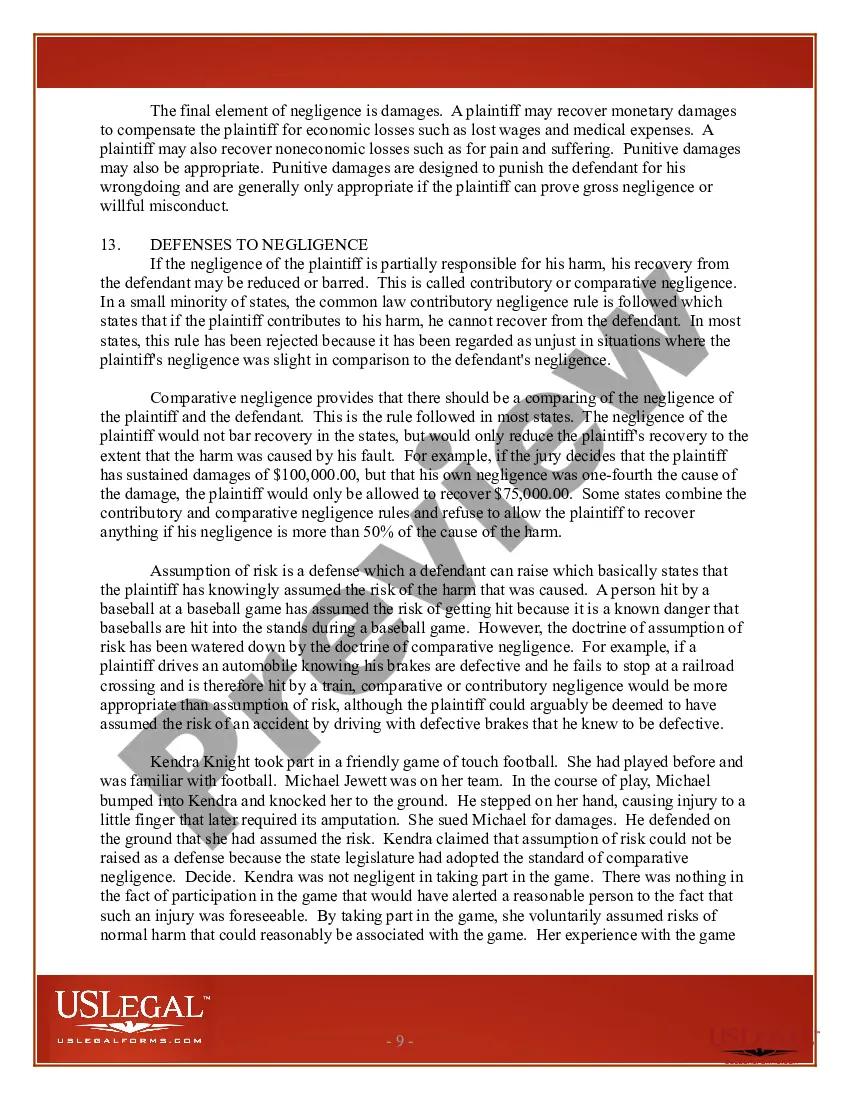
The definition of negligence is failing to exercise the degree of reasonable care expected of someone in order to minimize the risk of harm to another person. It serves as the legal basis for many personal injury cases including car accidents, slip and falls, and medical malpractice.
Yes, you can sue your employer for negligence at the workplace. However, you must be able to legally prove that the negligence has impacted you.
While seemingly straightforward, the concept of negligence itself can also be broken down into four types of negligence: gross negligence, comparative negligence, contributory negligence, and vicarious negligence or vicarious liability. Gross negligence refers to a more serious form of negligent conduct.
