Torts Form With 2 Points In Clark
Description

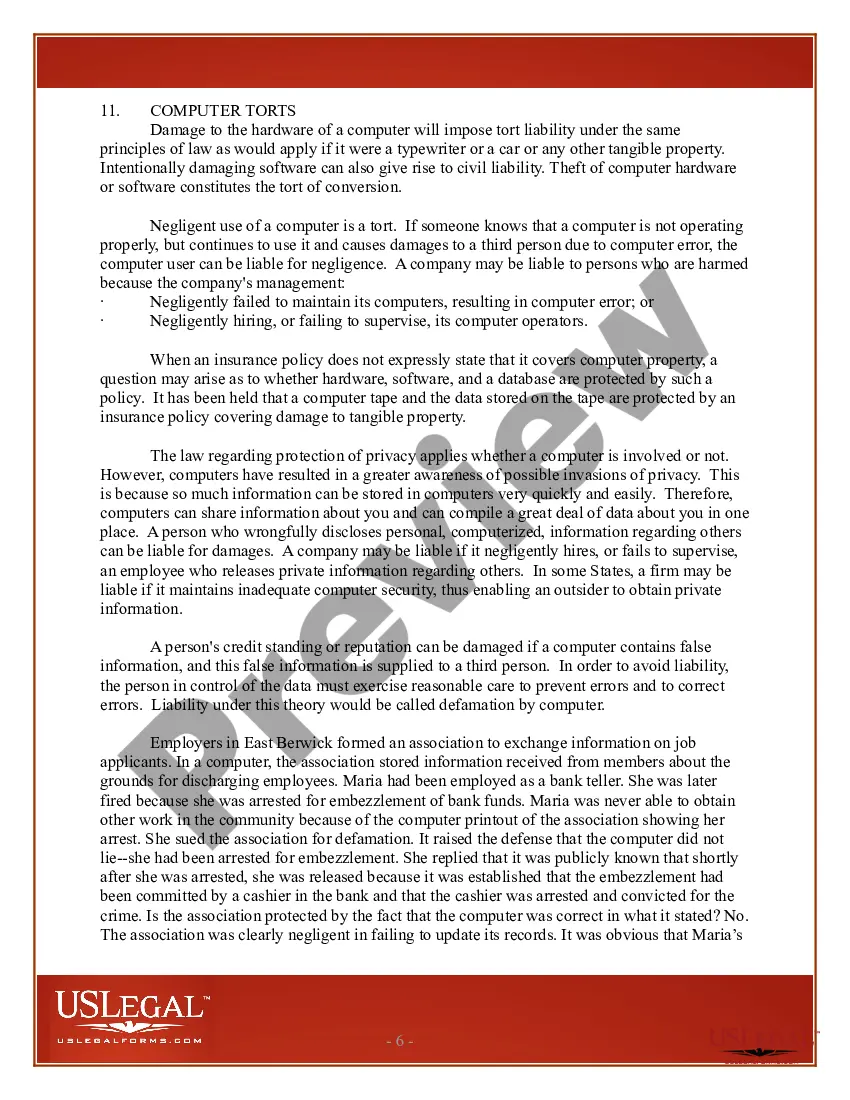
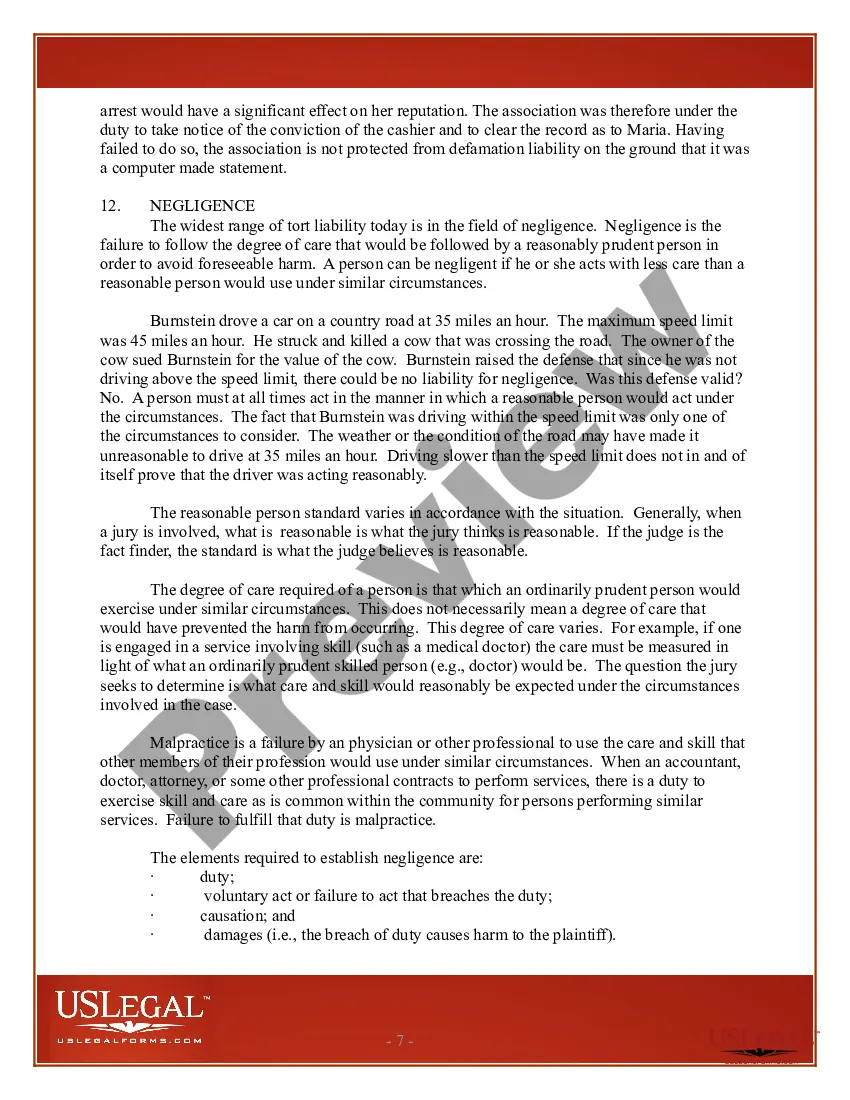
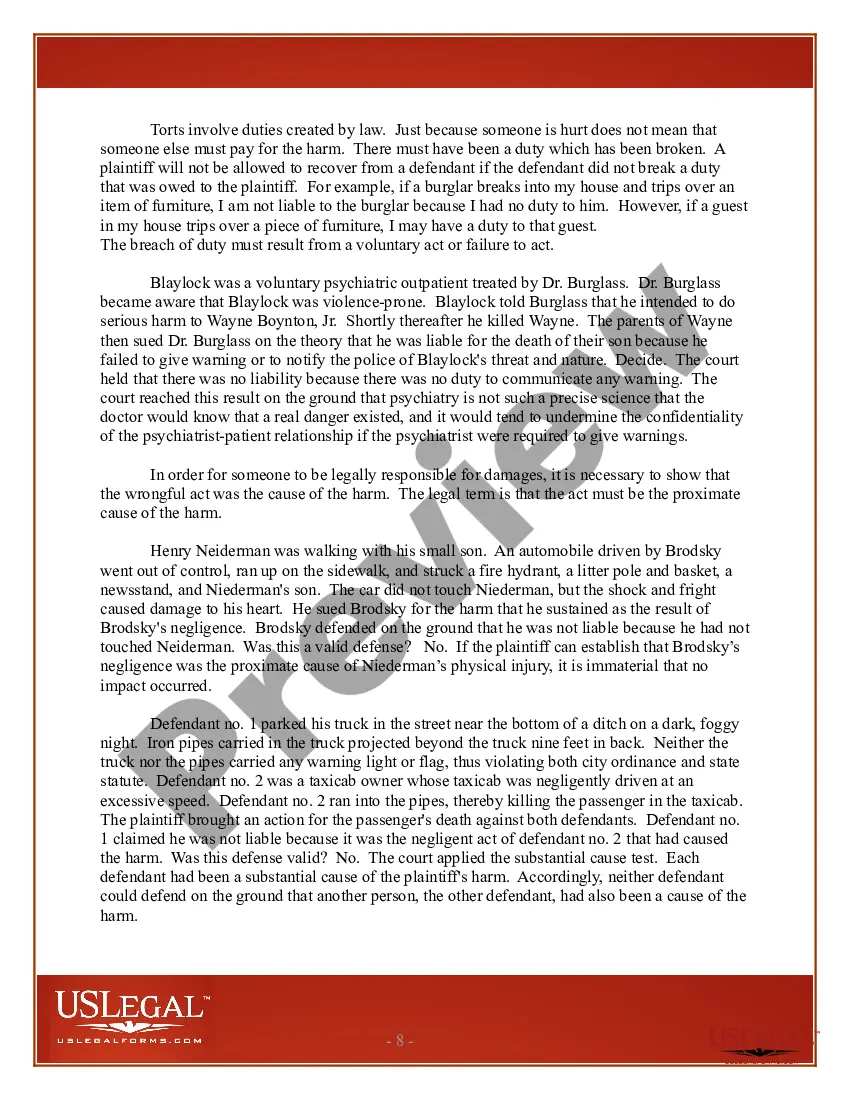
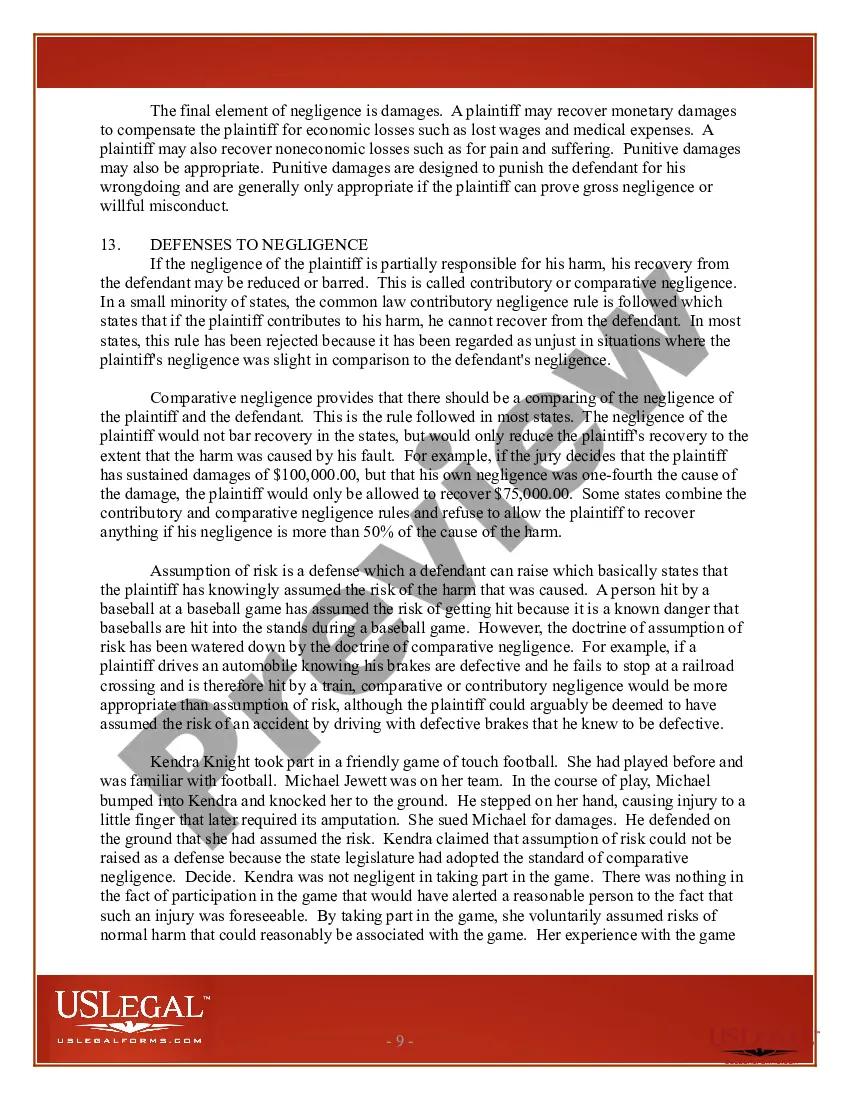
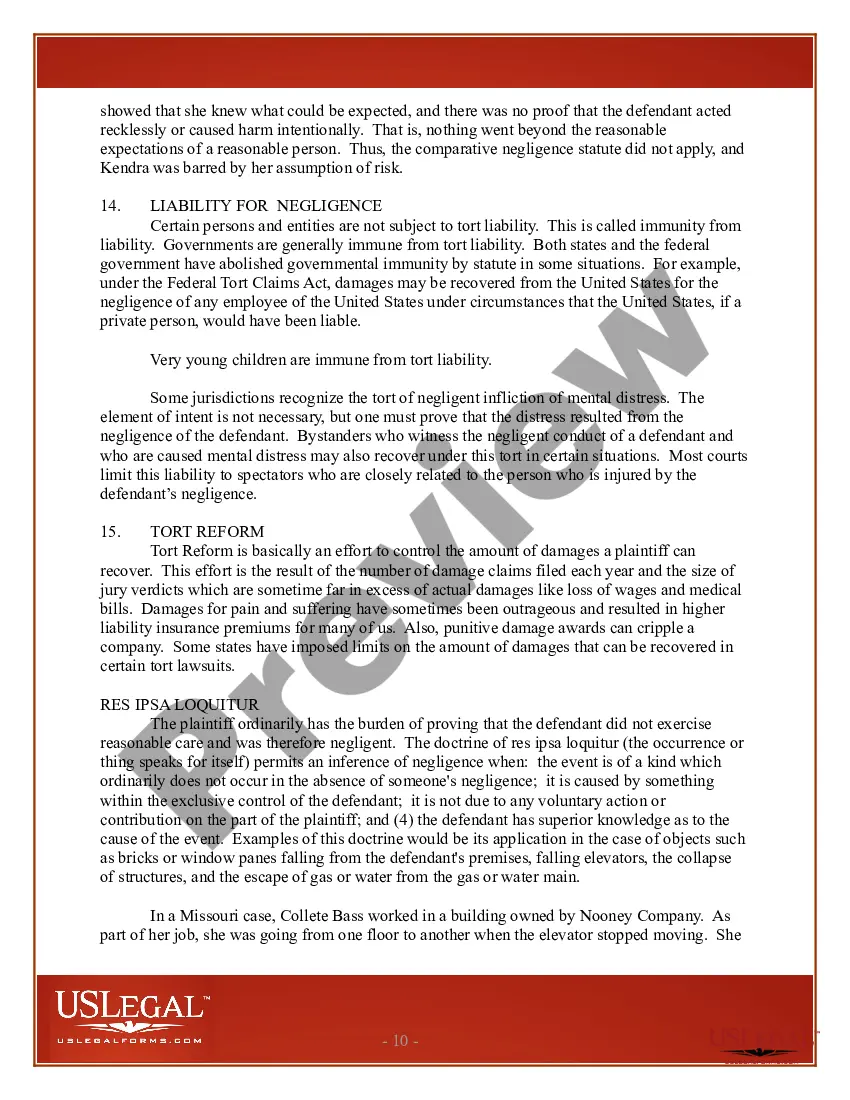




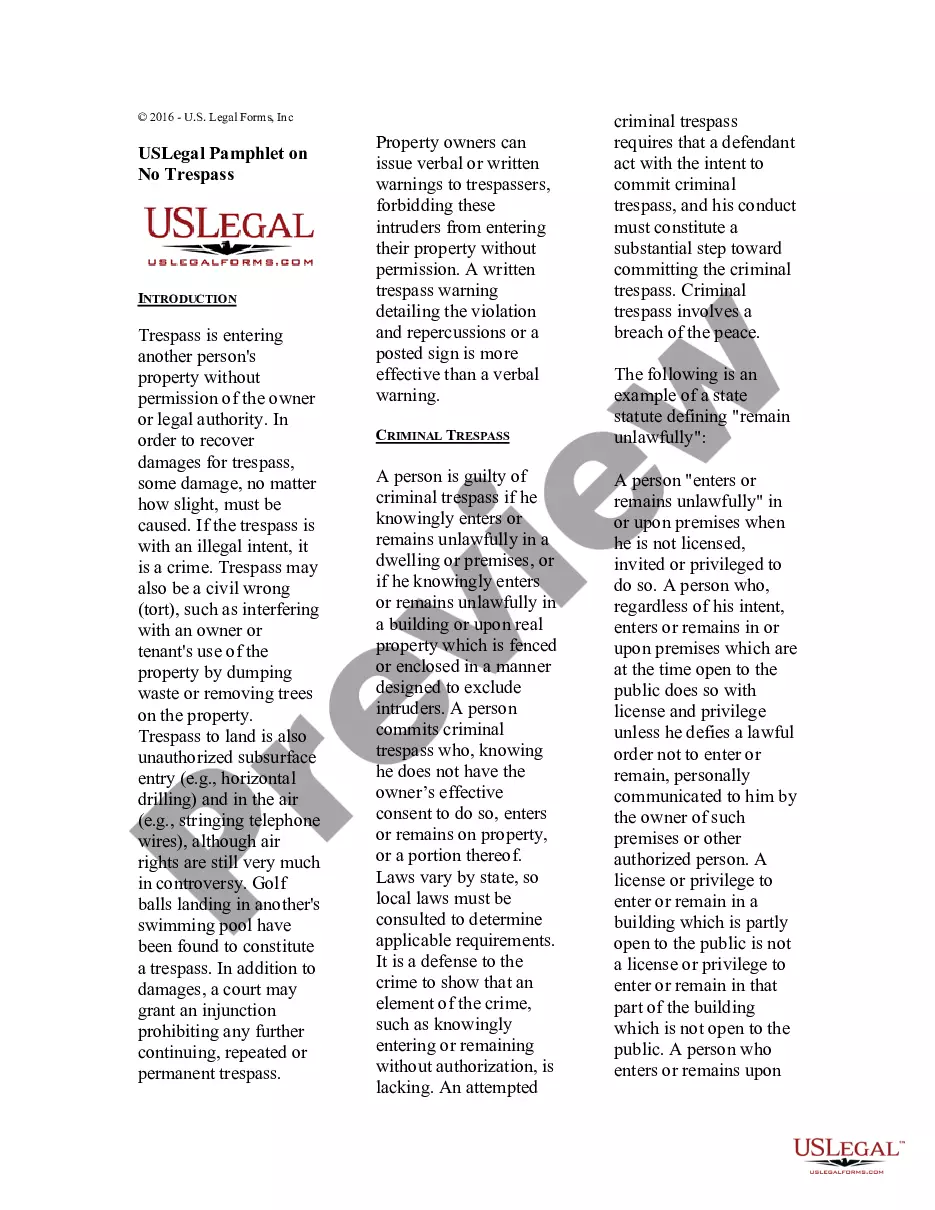
Get your form ready online
Our built-in tools help you complete, sign, share, and store your documents in one place.
Make edits, fill in missing information, and update formatting in US Legal Forms—just like you would in MS Word.
Download a copy, print it, send it by email, or mail it via USPS—whatever works best for your next step.
Sign and collect signatures with our SignNow integration. Send to multiple recipients, set reminders, and more. Go Premium to unlock E-Sign.
If this form requires notarization, complete it online through a secure video call—no need to meet a notary in person or wait for an appointment.
We protect your documents and personal data by following strict security and privacy standards.

Make edits, fill in missing information, and update formatting in US Legal Forms—just like you would in MS Word.

Download a copy, print it, send it by email, or mail it via USPS—whatever works best for your next step.

Sign and collect signatures with our SignNow integration. Send to multiple recipients, set reminders, and more. Go Premium to unlock E-Sign.

If this form requires notarization, complete it online through a secure video call—no need to meet a notary in person or wait for an appointment.

We protect your documents and personal data by following strict security and privacy standards.
Looking for another form?

Form popularity
FAQ
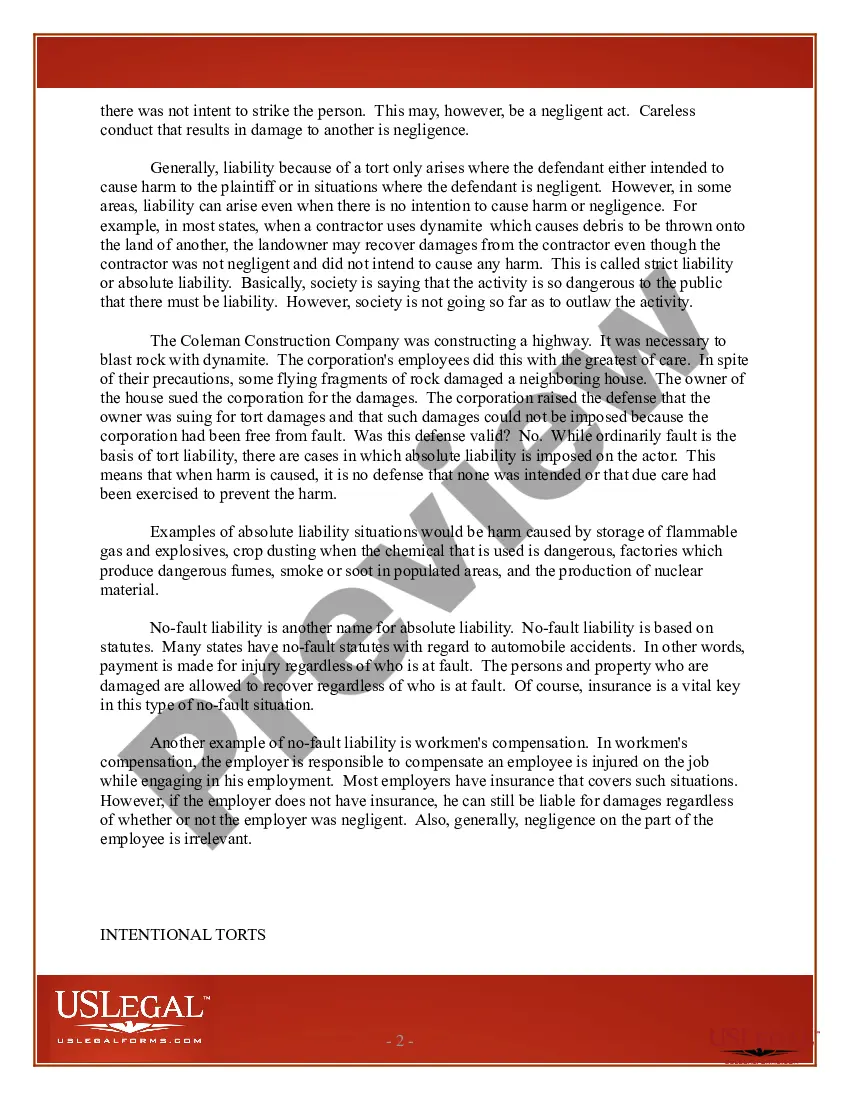
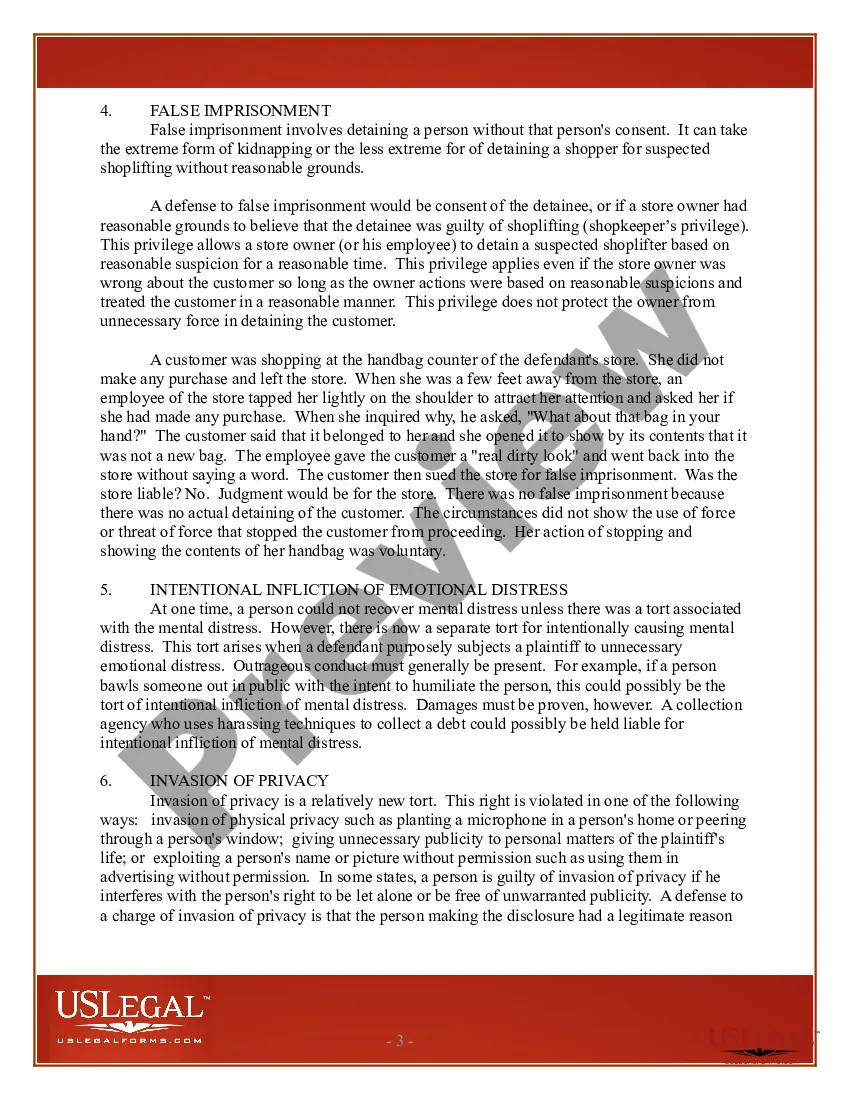
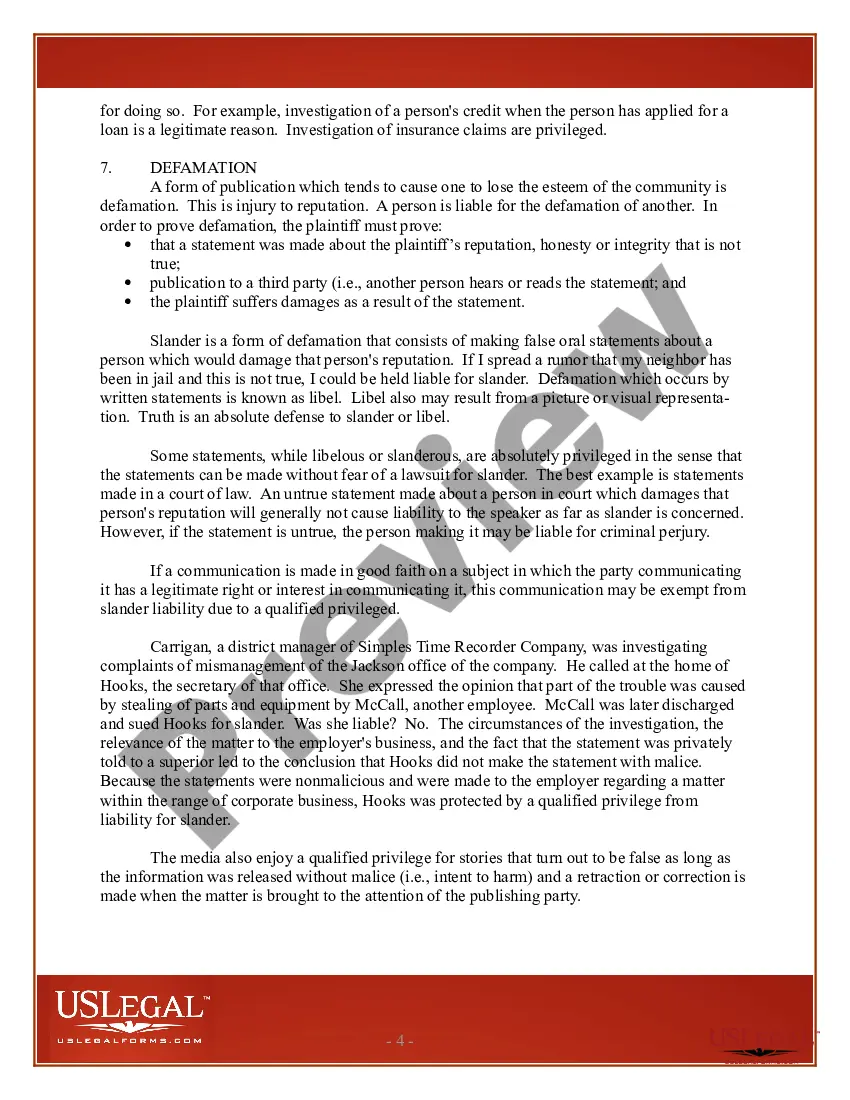
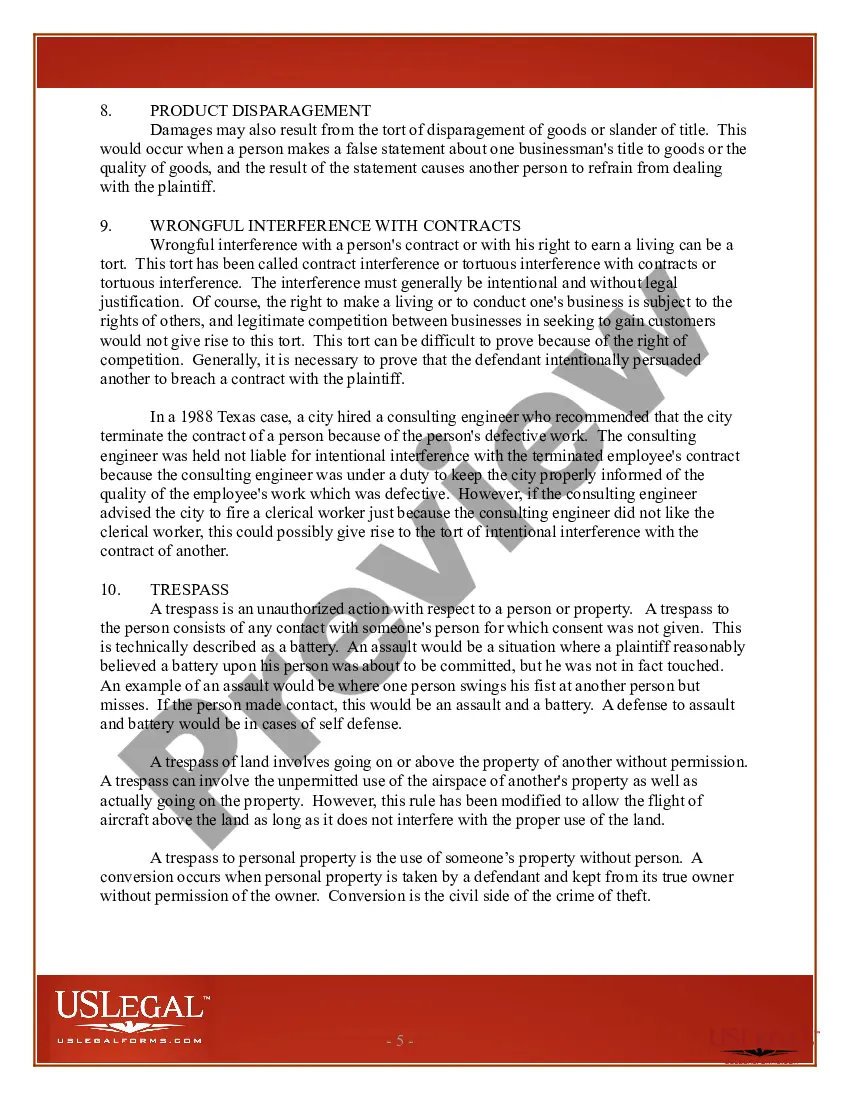
The first three of the personal intentional torts, assault, battery, and false imprisonment, involve traditional common law.
Identifying the Four Tort Elements The accused had a duty, in most personal injury cases, to act in a way that did not cause you to become injured. The accused committed a breach of that duty. An injury occurred to you. The breach of duty was the proximate cause of your injury.
Restatement (Second) of Torts §166 Takes the position that accidental entries into land are not actionable except in conjunction with “abnormally dangerous activities.”
Examples of unintentional torts may include: Slip and falls. Dog bites. Workplace accidents. Medical malpractice.
What's the Difference Between Negligence and an Intentional Tort? The primary difference in tort law between an intentional tort and negligence is that an intentional tort occurs when someone acts on purpose, while negligence happens when someone isn't careful enough to fulfill the necessary standard of care.
Exam Type: Short Format Takehome. This course concerns the legal protection afforded in civil proceedings against interference by others with security of one's person, property or intangible interests.
Torts fall into three general categories: Intentional torts (e.g., intentionally hitting a person); Negligent torts (e.g., causing an accident by failing to obey traffic rules); and. Strict liability torts (e.g., liability for making and selling defective products - see Products Liability).
In order to state a valid claim, the claimant must demonstrate that (1) he was injured or his property was damaged by a federal government employee; (2) the employee was acting within the scope of his official duties; (3) the employee was acting negligently or wrongfully; and (4) the negligent or wrongful act ...
The average settlement for the pain and suffering caused by a motor vehicle accident, which is the most common tort claim in Ontario, is $120,000. Given how difficult it is to determine the extent of pain and suffering endured as a result of a personal injury event, $120,000 would be a reasonable settlement to achieve.
Typical Tort Claim Settlement Timeline While a good portion of injury claims are settled before trial, the timeline to a settlement can vary widely. A settlement can be reached at any point before the judge makes their ruling, but it typically takes anywhere from a few months to a few years.