Types Of Torts With Examples In Bronx
Description

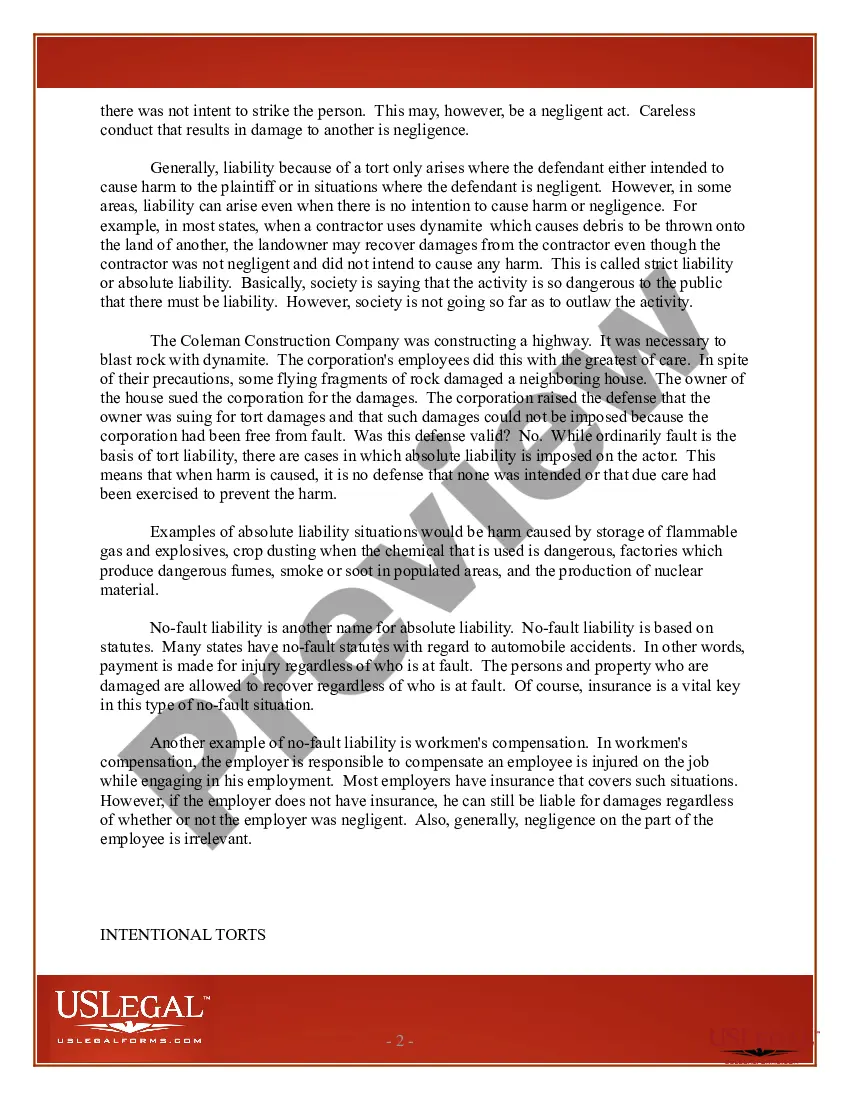
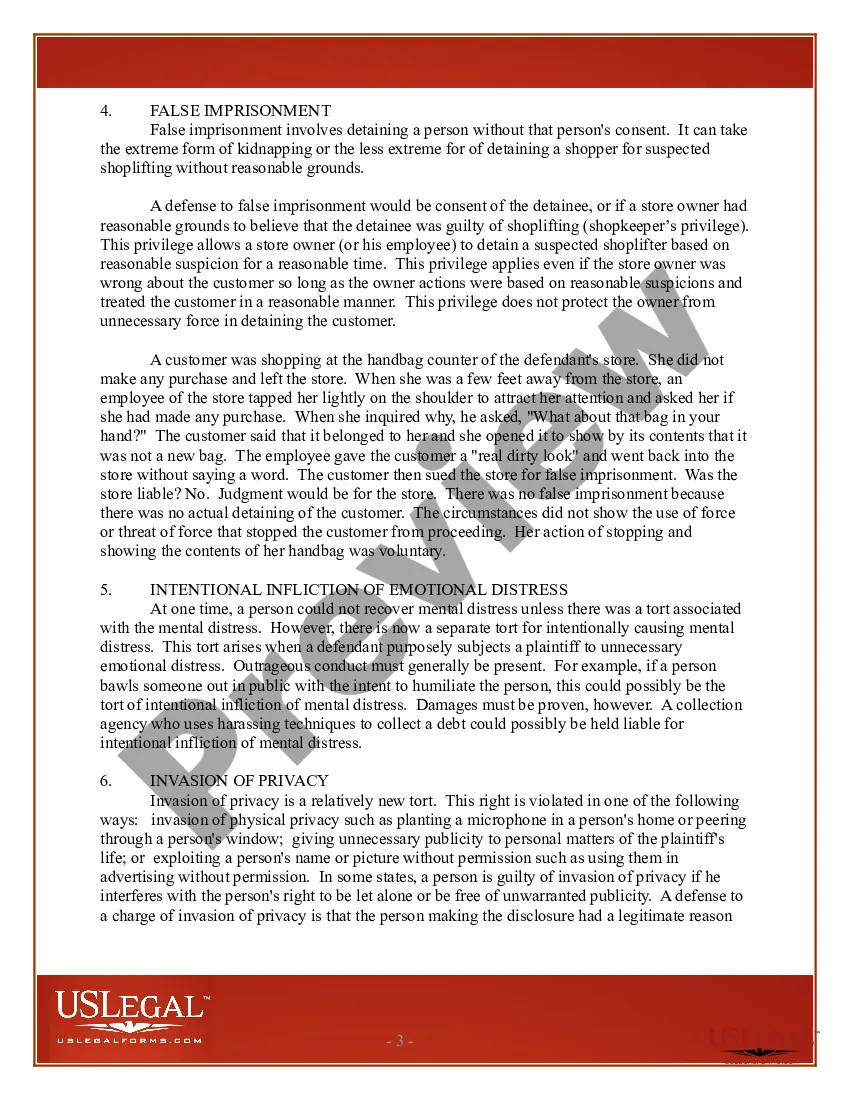
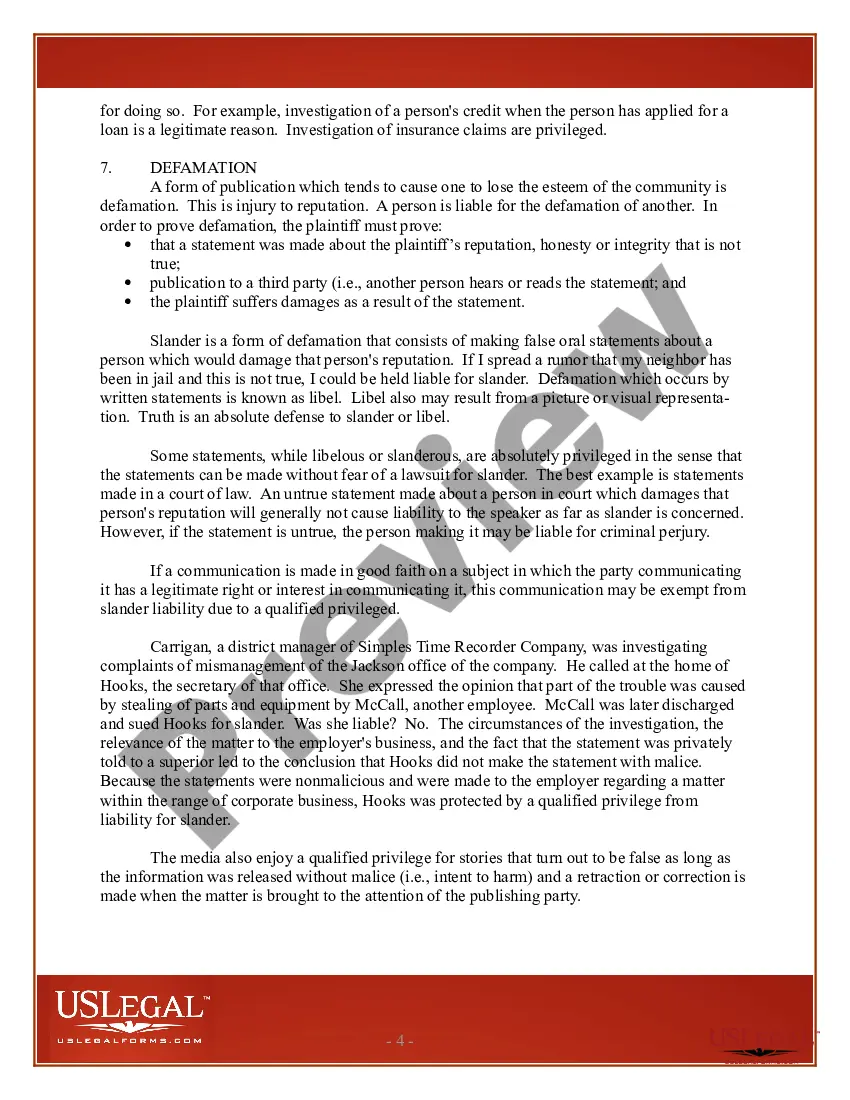
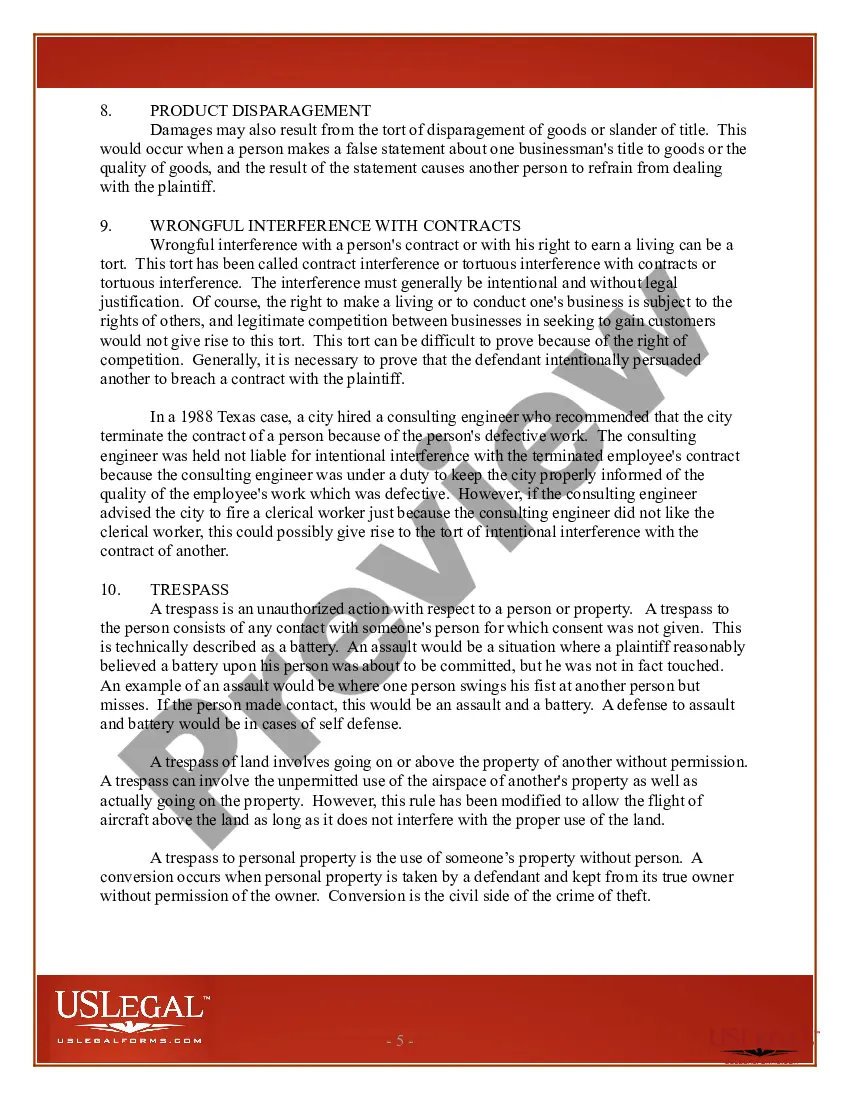
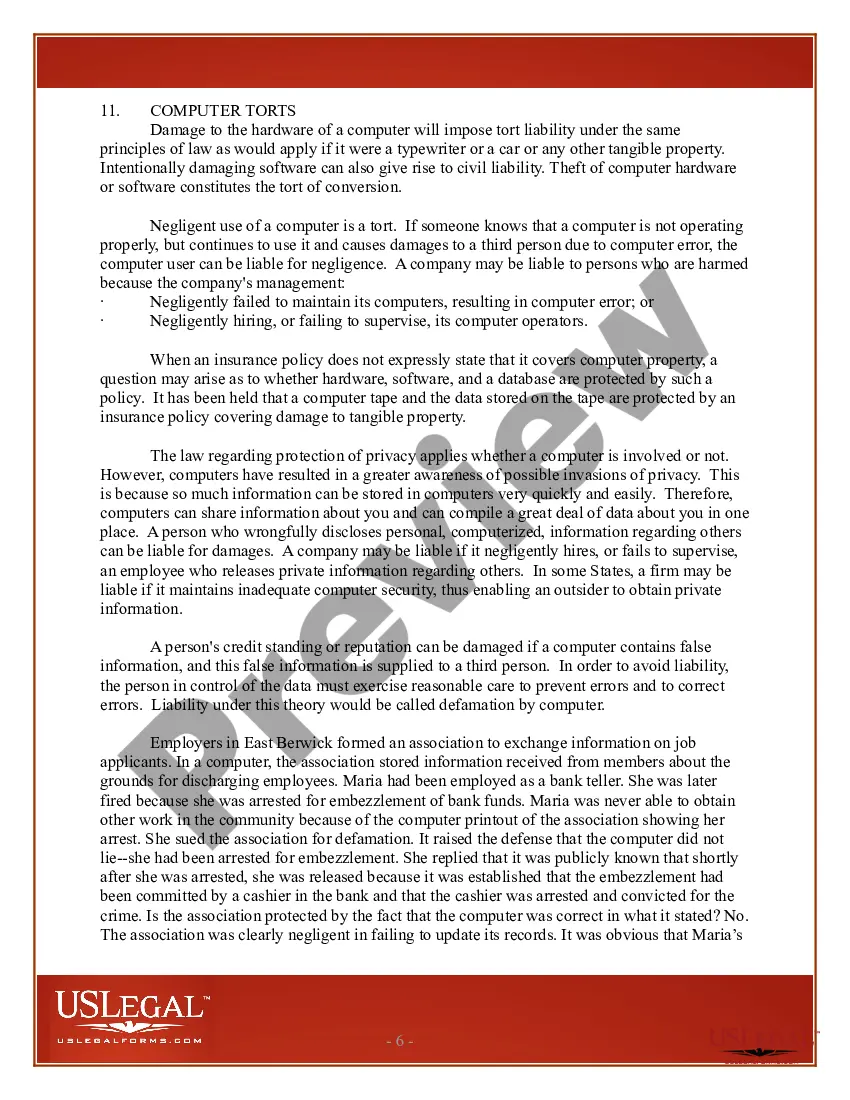
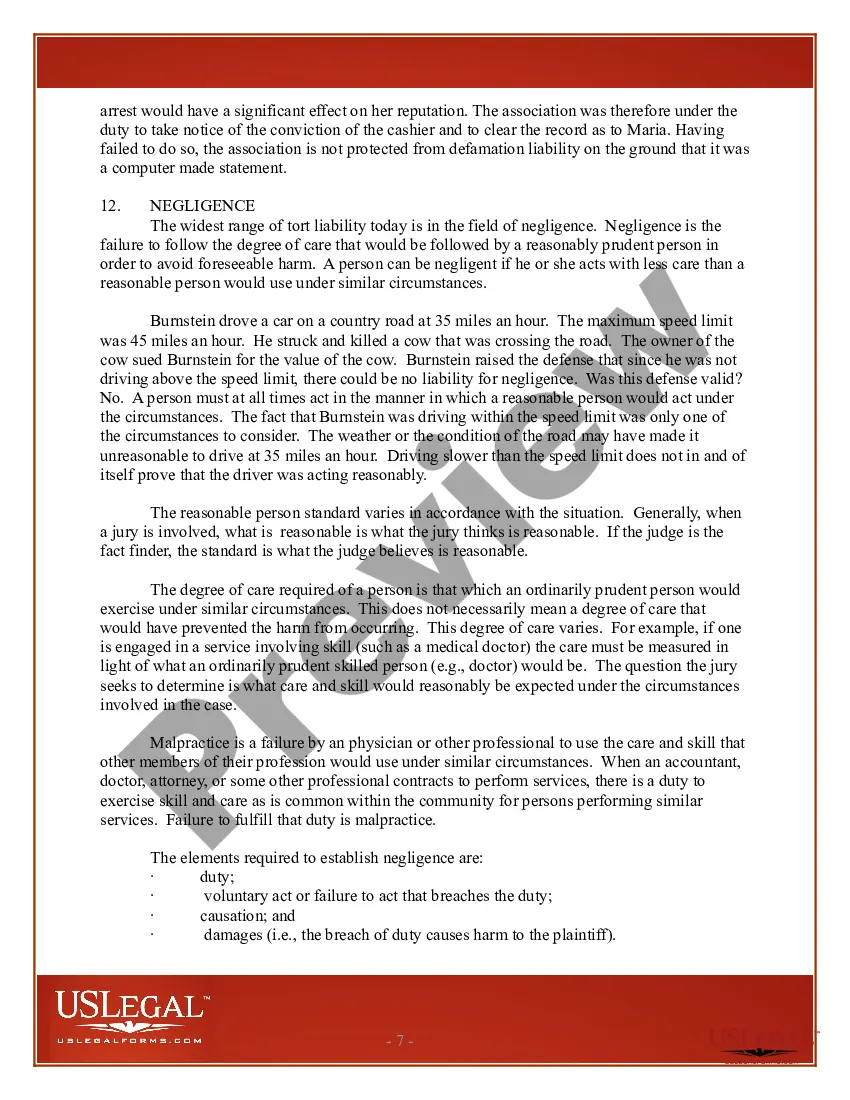
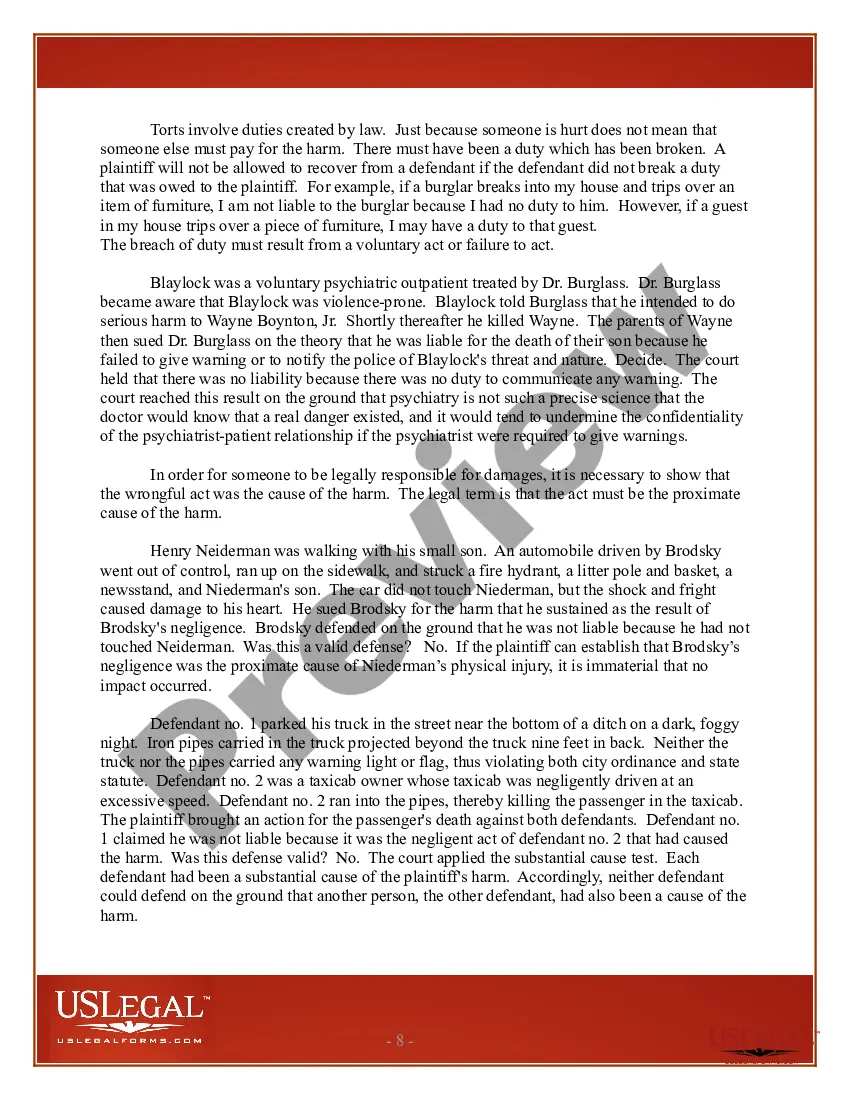
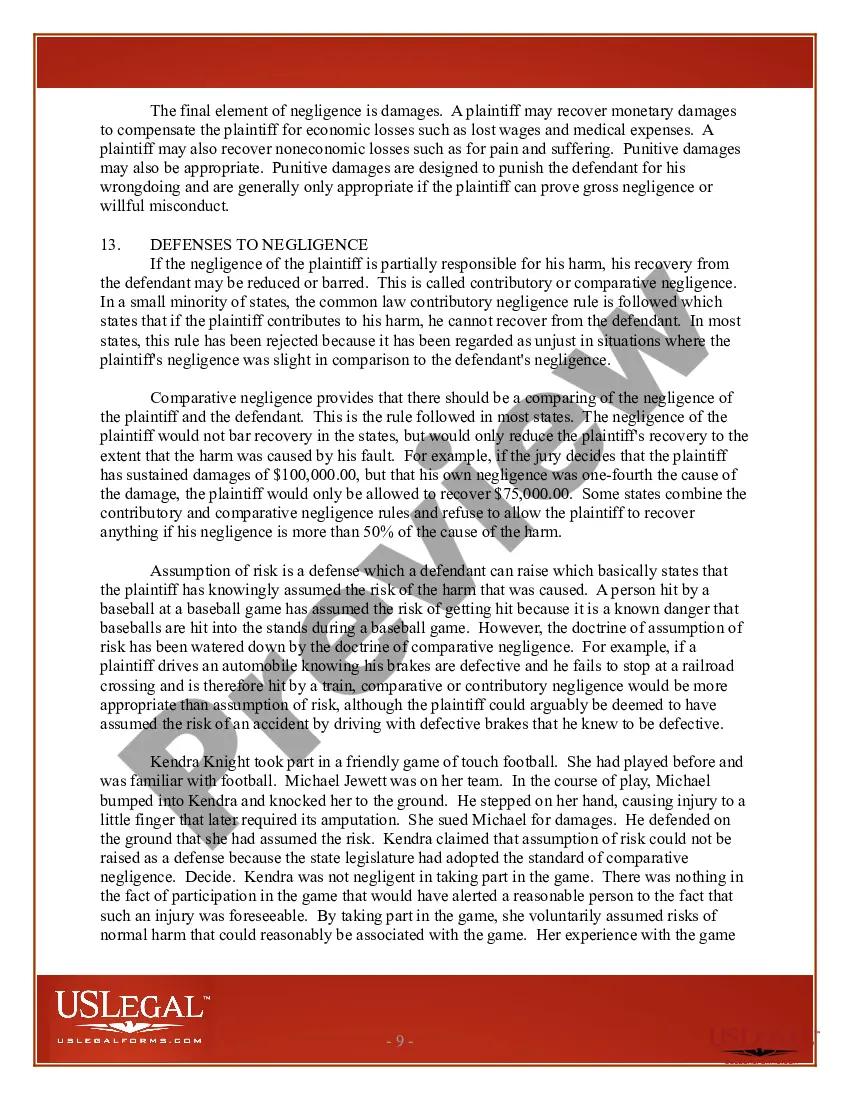



Get your form ready online
Our built-in tools help you complete, sign, share, and store your documents in one place.
Make edits, fill in missing information, and update formatting in US Legal Forms—just like you would in MS Word.
Download a copy, print it, send it by email, or mail it via USPS—whatever works best for your next step.
Sign and collect signatures with our SignNow integration. Send to multiple recipients, set reminders, and more. Go Premium to unlock E-Sign.
If this form requires notarization, complete it online through a secure video call—no need to meet a notary in person or wait for an appointment.
We protect your documents and personal data by following strict security and privacy standards.

Make edits, fill in missing information, and update formatting in US Legal Forms—just like you would in MS Word.

Download a copy, print it, send it by email, or mail it via USPS—whatever works best for your next step.

Sign and collect signatures with our SignNow integration. Send to multiple recipients, set reminders, and more. Go Premium to unlock E-Sign.

If this form requires notarization, complete it online through a secure video call—no need to meet a notary in person or wait for an appointment.

We protect your documents and personal data by following strict security and privacy standards.
Looking for another form?






Form popularity
FAQ
A tort claim is a personal injury claim due to alleged negligence on the part of the City or a City employee or involves property damage as a result of the alleged reckless behavior of a City employee in the course of that employee's work.
Although tort law is considered part of “civil law,” many other areas of civil law exist as well. These include divorce and family law, contract disputes, wills and property disputes. Any dispute between private individuals, as stated above, typically fall under civil law jurisdiction.
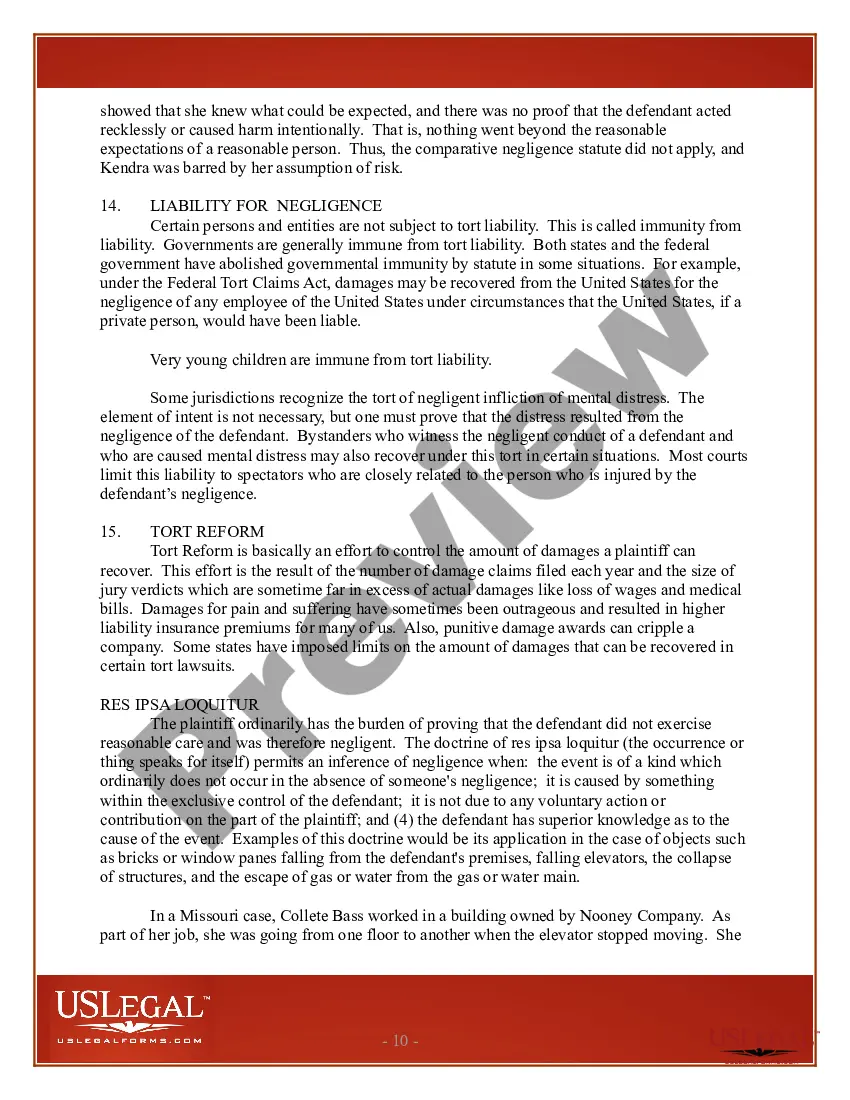
A tort is an injury to someone else's rights that can be addressed in a civil lawsuit. The word tort is related to the words torsion, torture, and extortion. The legal term for someone who causes this type of injury is called a tortfeasor.
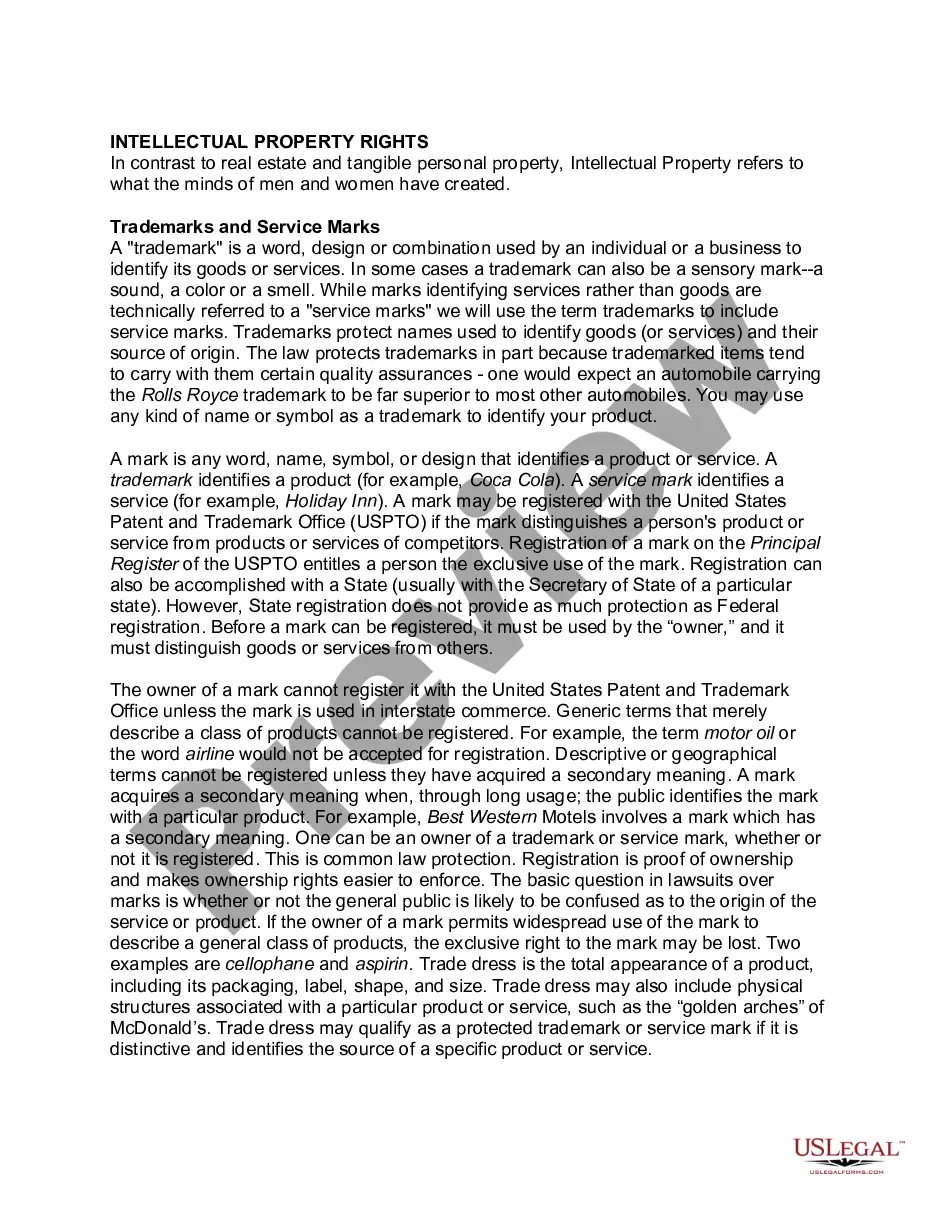
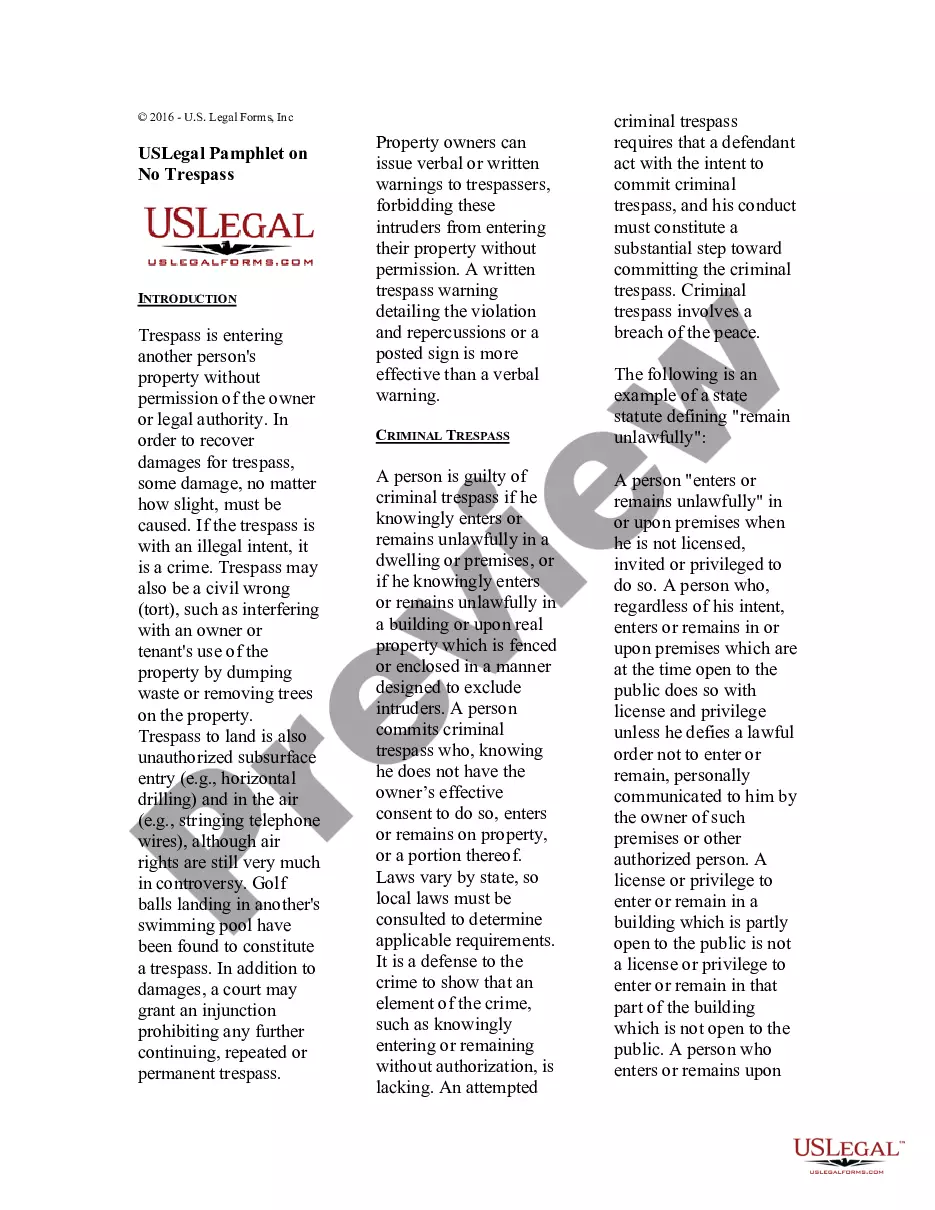
There are numerous specific torts including trespass, assault, battery, negligence, products liability, and intentional infliction of emotional distress. There are also separate areas of tort law including nuisance, defamation, invasion of privacy, and a category of economic torts.
About 75% of the cases were dis- posed through an agreed settlement or voluntary dismissal; 3% by a trial verdict. Twenty-eight percent of the approxi- mately 378,000 tort cases were un- contested (the defendant did not file an answer to the complaint).
A tort is an act or omission that causes legally cognizable harm to persons or property. Tort law, in turn, is the body of rules concerned with remedying harms caused by a person's wrongful or injurious actions.
A tort is a civil offense by one party against another. The lawsuit is not a tort; the lawsuit alleges a tort. For example, if you and I have a contract and I breach it, you file a suit against me as a result of my tort.
In New York, a tort is defined as any unlawful act that causes harm to another person, their property, reputation, or something similar. Example: In the majority of tort situations, the injured plaintiff may file a claim for their lost wages as a result of missing time from work due to their injury.
There are four common types of intentional torts that are seen in educational settings— Assault, Battery, False Imprisonment and Defamation.
A tort is a wrongful act by one party that harms someone else, resulting in legal liability. Legal scholars divide torts into three types based on the intention behind the act–intentional torts, negligent torts, and strict liability torts.
