Texas State Bar Association Withdrawal In Utah
Description
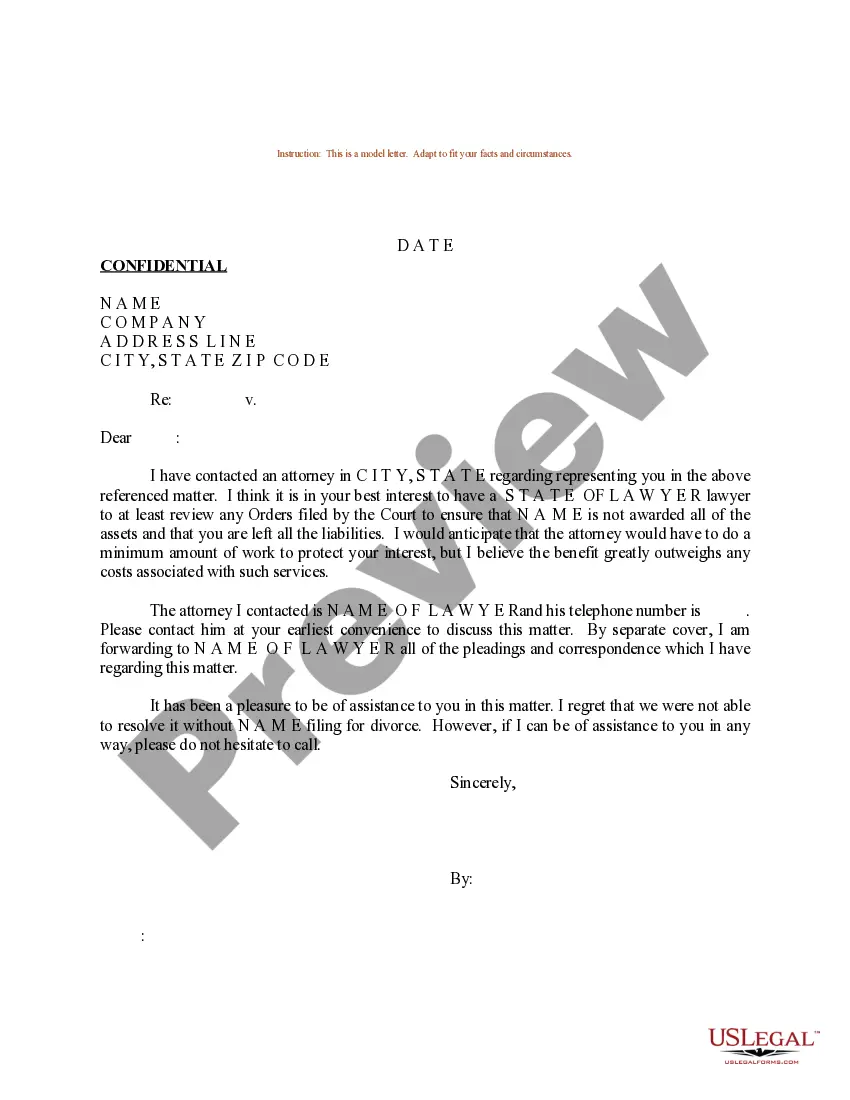
Get your form ready online
Our built-in tools help you complete, sign, share, and store your documents in one place.
Make edits, fill in missing information, and update formatting in US Legal Forms—just like you would in MS Word.
Download a copy, print it, send it by email, or mail it via USPS—whatever works best for your next step.
Sign and collect signatures with our SignNow integration. Send to multiple recipients, set reminders, and more. Go Premium to unlock E-Sign.
If this form requires notarization, complete it online through a secure video call—no need to meet a notary in person or wait for an appointment.
We protect your documents and personal data by following strict security and privacy standards.

Make edits, fill in missing information, and update formatting in US Legal Forms—just like you would in MS Word.

Download a copy, print it, send it by email, or mail it via USPS—whatever works best for your next step.

Sign and collect signatures with our SignNow integration. Send to multiple recipients, set reminders, and more. Go Premium to unlock E-Sign.

If this form requires notarization, complete it online through a secure video call—no need to meet a notary in person or wait for an appointment.

We protect your documents and personal data by following strict security and privacy standards.
Looking for another form?









Form popularity
FAQ
Attorneys licensed to practice law in another state or jurisdiction may seek full licensure in California or seek to practice law in California under limited circumstances through one of several State Bar special admissions programs.
To withdraw from a case, they will file a motion for withdrawal with the court. Termination only becomes official once the judge approves the form. If you hire a new lawyer, they will need to get the court's approval to represent you. They will do this by filing a motion to substitute counsel.
The general rule is a lawyer can only practice law in a state court when they have been admitted to the bar of that state. An exception would be when the attorney is admitted on a pro hac vice basis, where the out-of-state lawyer can practice with an in-state attorney acting as local counsel.
Many district courts require an attorney to be admitted to practice before the state courts of the state in which the federal court sits. NEW YORK: Has reciprocity with the following states: AK, CO, DC, GA, IL, IN, IA, KY, MA, MI, MN, MO, NE, NH, NC, ND, OH, OK, PA, TN, TX, UT, VA, WA, WV, WI, WY.
There is no bar reciprocity in California, though the state does offer a modified bar exam to those who have actively practiced law for at least four years immediately preceding their bar application.
In order to be licensed in Texas without taking the Texas Bar Examination, you must demonstrate that you: Hold a J.D. from an ABA-approved U.S. law school or satisfy each element of a Rule 13 exemption from the law study requirement. Are licensed to practice law in another state.
With 95,437 active members, the State Bar of Texas is one of the largest state bars in the United States. Unlike the American Bar Association (ABA), the State Bar of Texas (SBOT) is a mandatory bar.
Texas's additional reciprocity requirements include: Law Degree. A law degree from an ABA approved law school (determined at the time of enrollment or graduation and not at a later date). Character and Fitness.
The mission of the State Bar of Texas is to support the administration of the legal system, assure all citizens equal access to justice, foster high standards of ethical conduct for lawyers …