California State Bar Rules Of Professional Conduct In Montgomery
Description
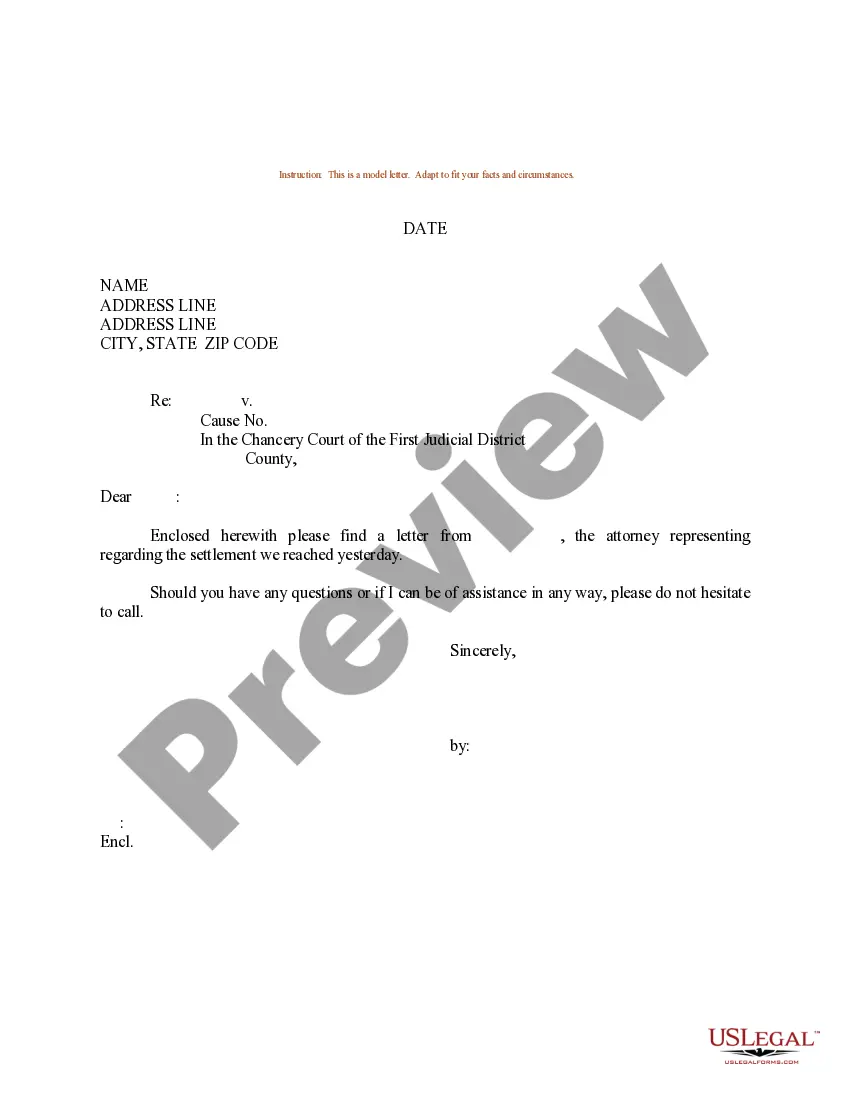
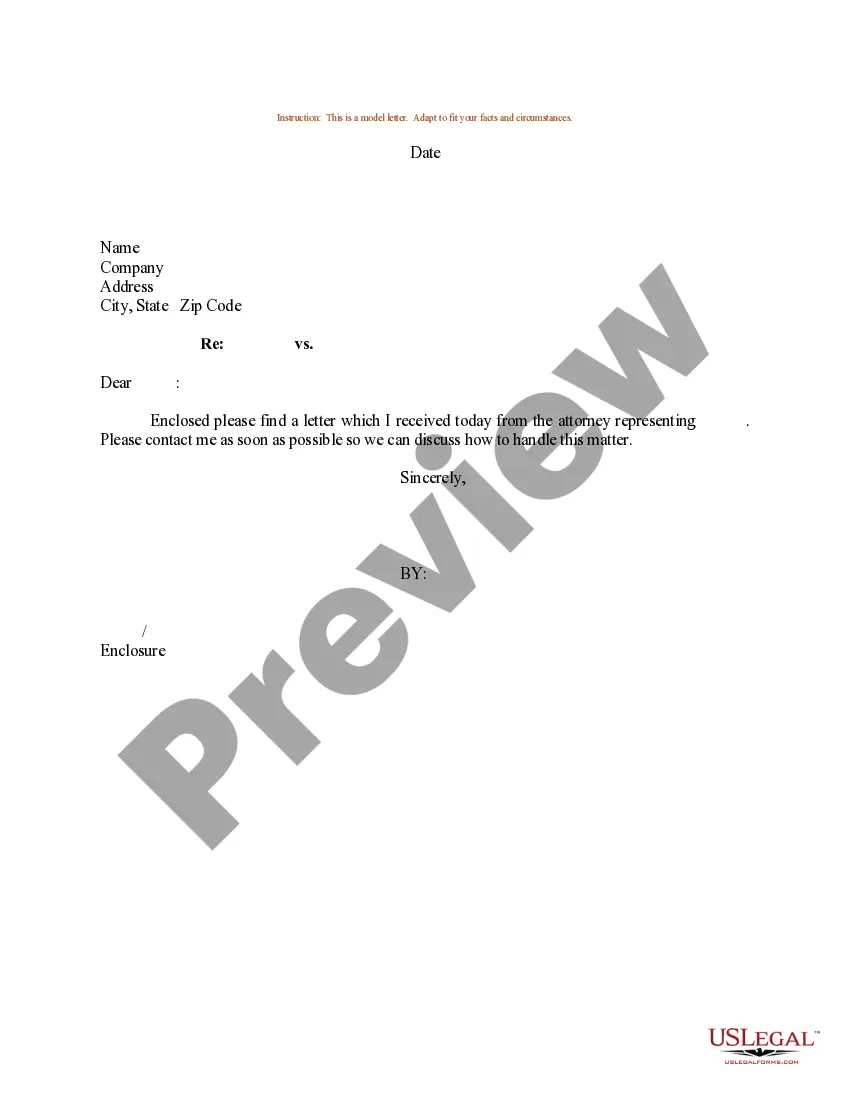
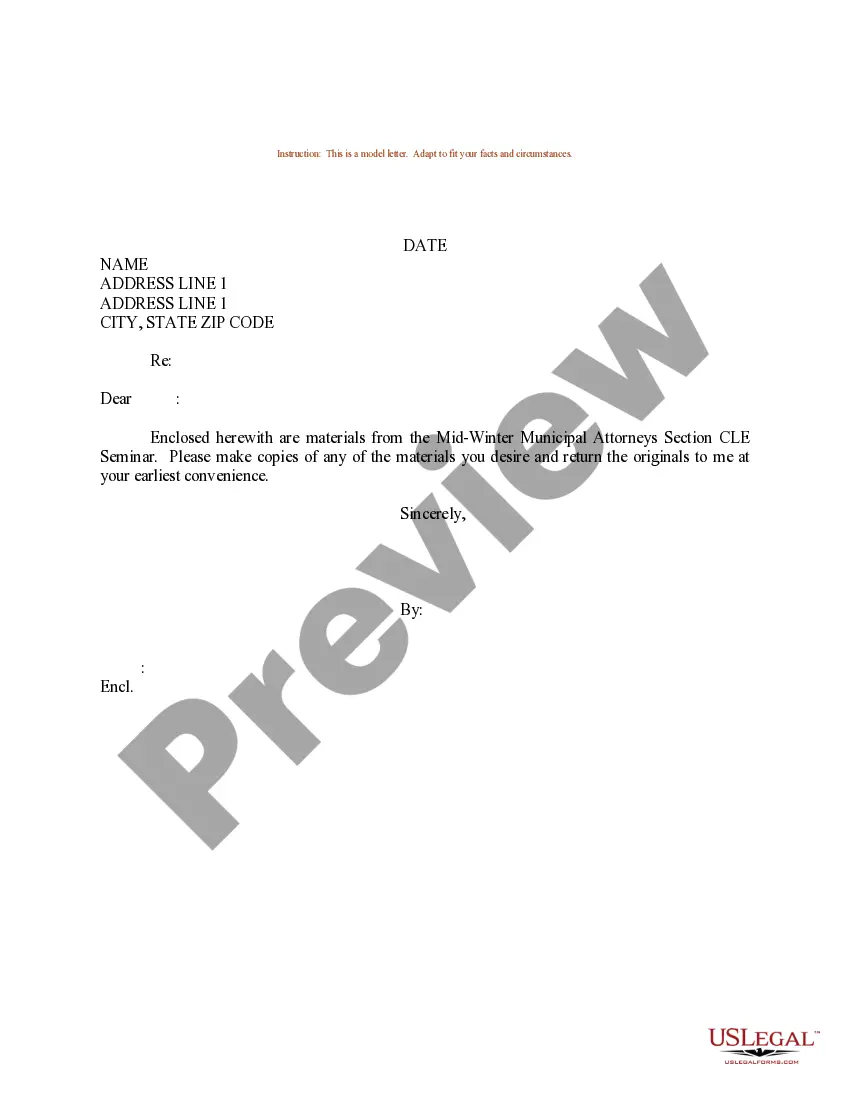
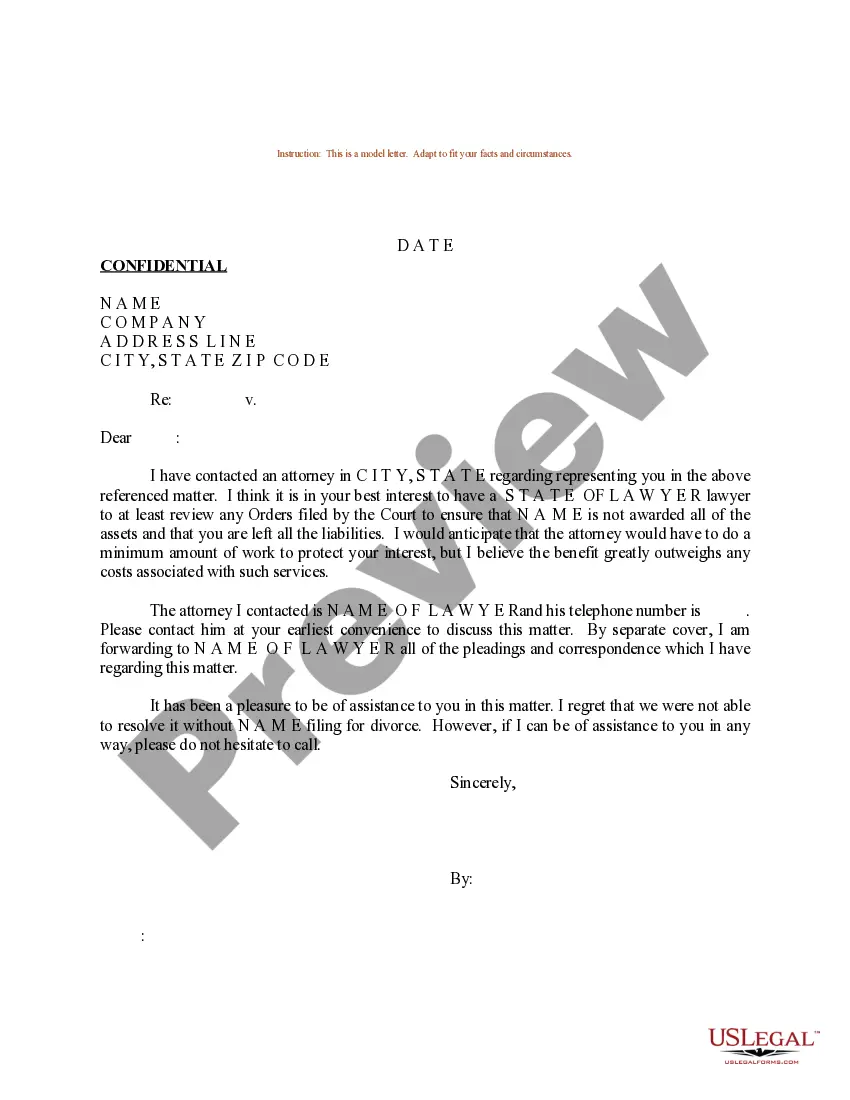
Get your form ready online
Our built-in tools help you complete, sign, share, and store your documents in one place.
Make edits, fill in missing information, and update formatting in US Legal Forms—just like you would in MS Word.
Download a copy, print it, send it by email, or mail it via USPS—whatever works best for your next step.
Sign and collect signatures with our SignNow integration. Send to multiple recipients, set reminders, and more. Go Premium to unlock E-Sign.
If this form requires notarization, complete it online through a secure video call—no need to meet a notary in person or wait for an appointment.
We protect your documents and personal data by following strict security and privacy standards.

Make edits, fill in missing information, and update formatting in US Legal Forms—just like you would in MS Word.

Download a copy, print it, send it by email, or mail it via USPS—whatever works best for your next step.

Sign and collect signatures with our SignNow integration. Send to multiple recipients, set reminders, and more. Go Premium to unlock E-Sign.

If this form requires notarization, complete it online through a secure video call—no need to meet a notary in person or wait for an appointment.

We protect your documents and personal data by following strict security and privacy standards.
Looking for another form?









Form popularity
FAQ
Rule 3.2 Delay of Litigation In representing a client, a lawyer shall not use means that have no substantial purpose other than to delay or prolong the proceeding or to cause needless expense.
(A) A member shall not aid any person or entity in the unauthorized practice of law.
Yes, the California bar exam is widely considered to be the most difficult of all state bar exams in the US. The California bar exam has a pass rate of 34%.
Intent to replace the multiple-choice questions provided by the NCBE with questions developed by a new vendor, and. Intent to change modalities to administer the exam remotely and in person at small test centers.
To further enhance accountability and ensure ethical behavior, a new rule has been introduced by the California State Bar: Rule of Professional Conduct 8.3. Effective August 1, 2023, this rule mandates lawyers to report credible evidence of certain conduct exhibited by other lawyers.
Proposed rule 4.1 prohibits a lawyer from making a false statement of fact or law to a third person and also requires a lawyer to disclose a material fact to avoid assisting a client in a criminal or fraudulent act, subject to the lawyer's duties under rule 1.6 and Business and Professions Code section 6068(e).
Rule 4.1 Truthfulness in Statements to Others In the course of representing a client a lawyer shall not knowingly: (a) make a false statement of material fact or law to a third person; or.
(A) A member shall not intentionally, recklessly, or repeatedly fail to perform legal services with competence.

