State Bar For Lawyers In King
Description
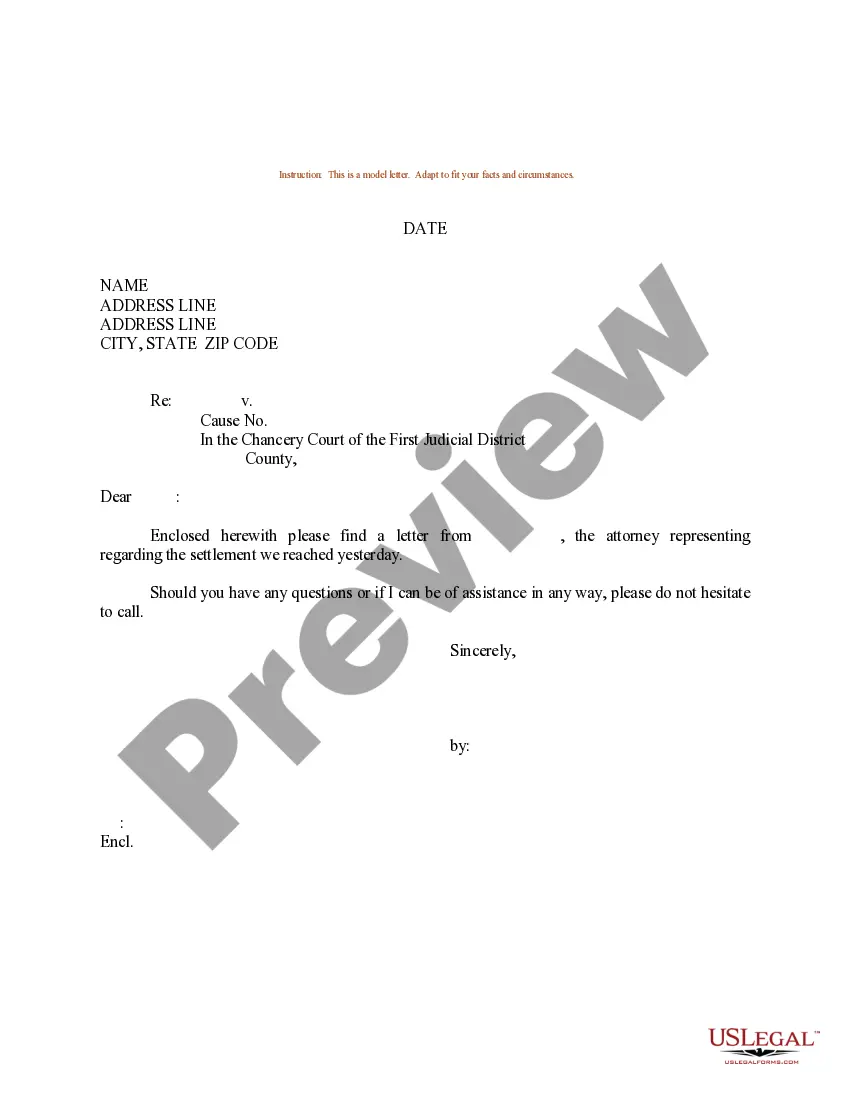
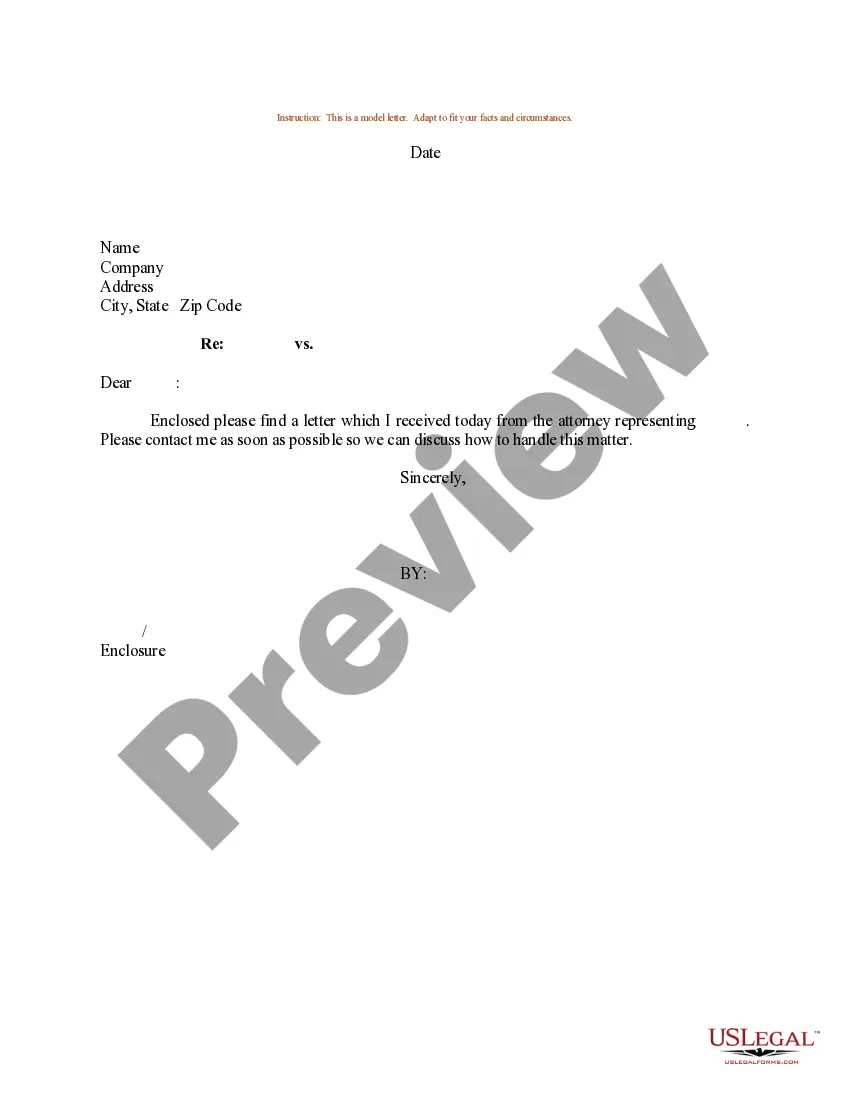
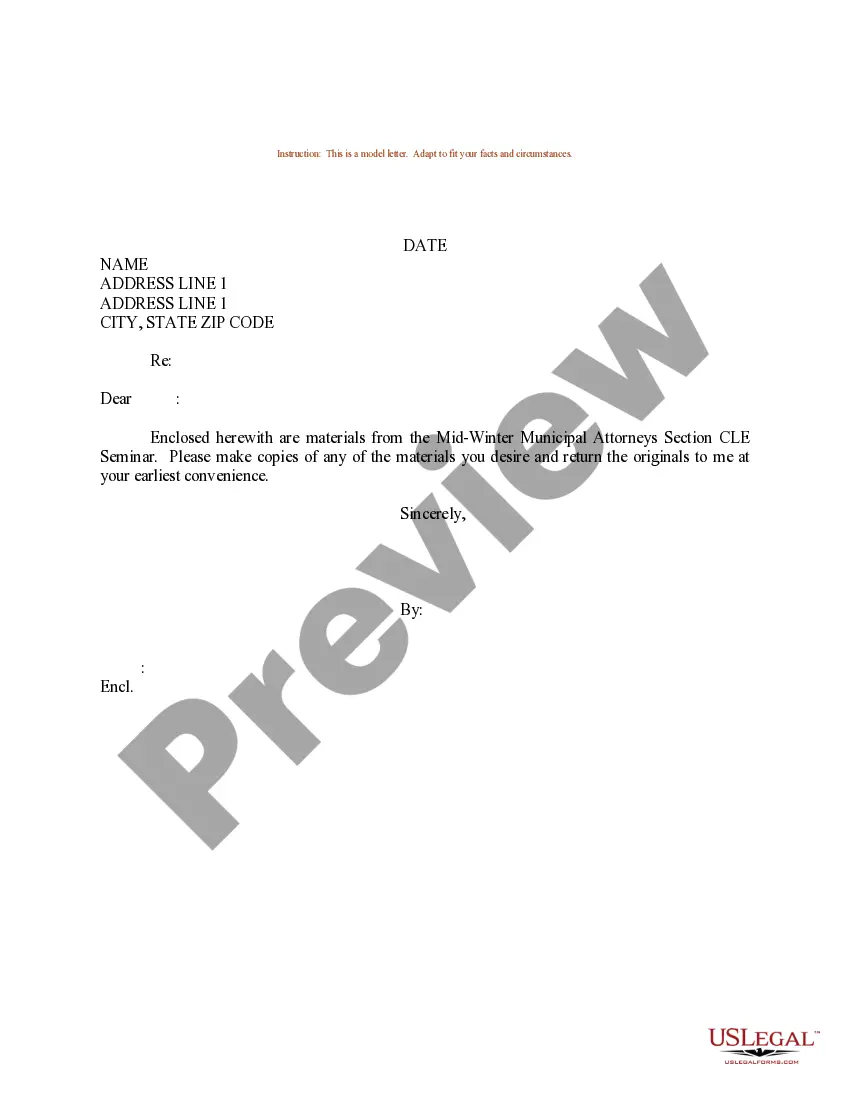
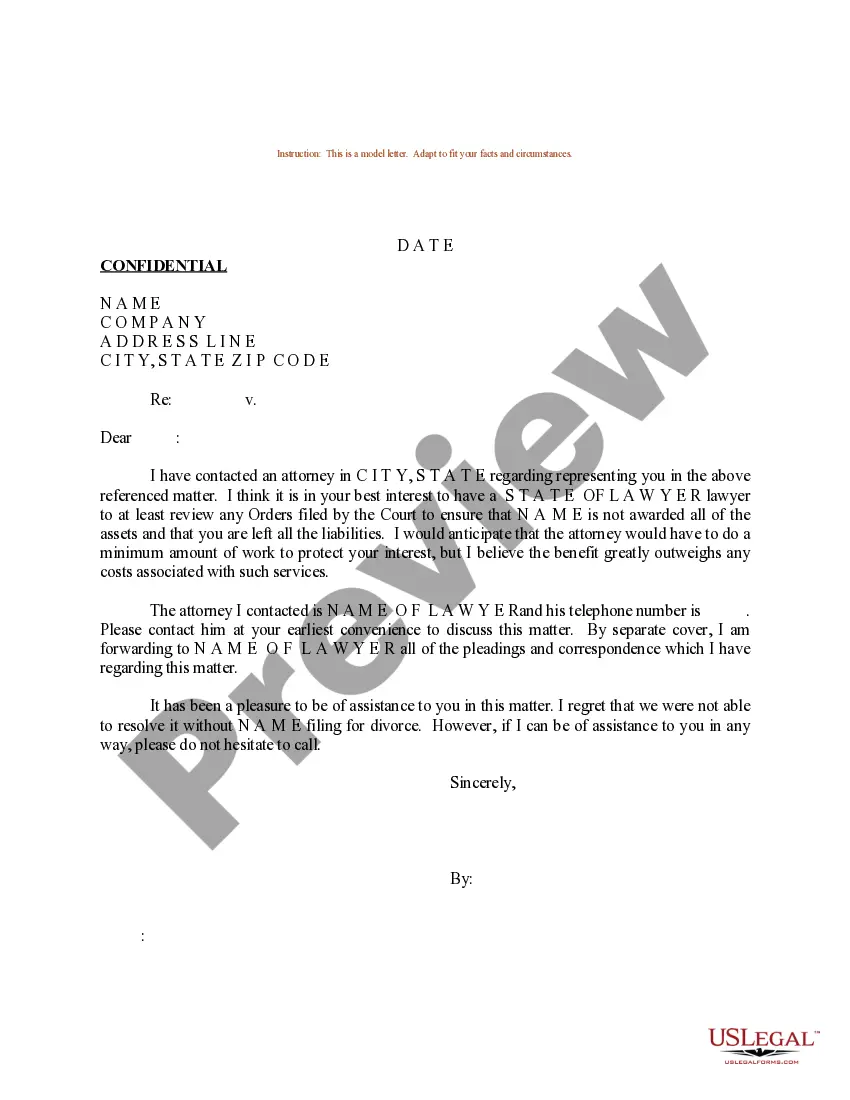
Get your form ready online
Our built-in tools help you complete, sign, share, and store your documents in one place.
Make edits, fill in missing information, and update formatting in US Legal Forms—just like you would in MS Word.
Download a copy, print it, send it by email, or mail it via USPS—whatever works best for your next step.
Sign and collect signatures with our SignNow integration. Send to multiple recipients, set reminders, and more. Go Premium to unlock E-Sign.
If this form requires notarization, complete it online through a secure video call—no need to meet a notary in person or wait for an appointment.
We protect your documents and personal data by following strict security and privacy standards.

Make edits, fill in missing information, and update formatting in US Legal Forms—just like you would in MS Word.

Download a copy, print it, send it by email, or mail it via USPS—whatever works best for your next step.

Sign and collect signatures with our SignNow integration. Send to multiple recipients, set reminders, and more. Go Premium to unlock E-Sign.

If this form requires notarization, complete it online through a secure video call—no need to meet a notary in person or wait for an appointment.

We protect your documents and personal data by following strict security and privacy standards.
Looking for another form?









Form popularity
FAQ
Each state establishes its own criteria for admission to the bar, and many states have reciprocal agreements. If you want to work in a state that has a reciprocal agreement with the state where you've taken and passed the bar, you can do so without needing to retake the bar.
Admission in multiple states Most attorneys seek and obtain admission only to the bar of one state, and then rely upon pro hac vice admissions for the occasional out-of-state matter. However, many new attorneys do seek admission in multiple states, either by taking multiple bar exams or applying for reciprocity.
California. There is no bar reciprocity in California, though the state does offer a modified bar exam to those who have actively practiced law for at least four years immediately preceding their bar application.
CALIFORNIA: The state does not offer reciprocity, but offers a shorter bar examination for attorneys licensed in other states with good standing for at least four years prior to application. COLORADO: Other states have to reciprocate for Colorado lawyers.
Mostly, no. Most practice areas are governed by state law, and those will require a State Bar license. Even fields of law that are primarily federal—bankruptcy, immigration, etc. —may require a State Bar license.
Lawyers are licensed by a state agency in each state. That agency can help you to find out if a person has a law license and is permitted to practice in a particular state.
What is my New York Bar number? Many states have Bar numbers; New York does not. The registration number, which appears on the biennial registration form, is used for internal Office of Court Administration record-keeping only.
Ing to the ABA, the most common attorney discipline complaints filed with the bar association involve: Neglect. Lack of communication. Misrepresentation or dishonesty. Scope of representation. Fee disputes.

