California State Bar Rules Of Professional Conduct In Georgia
Description
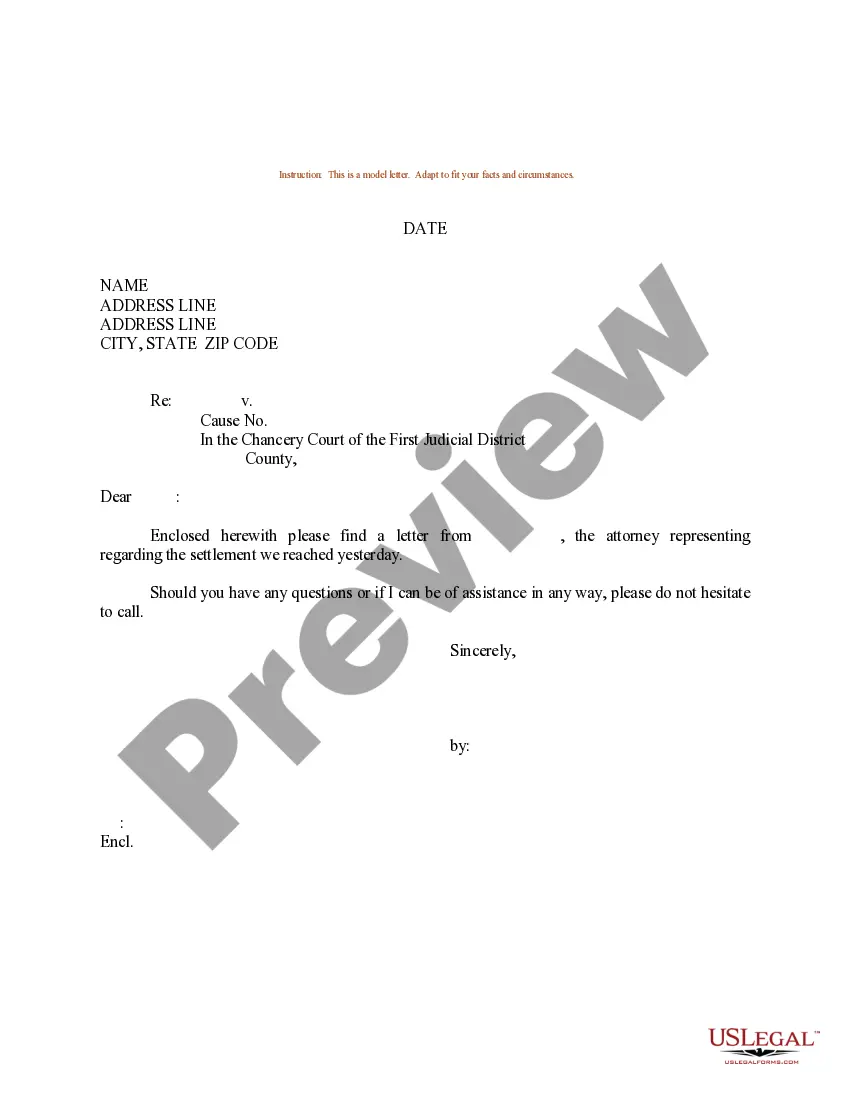
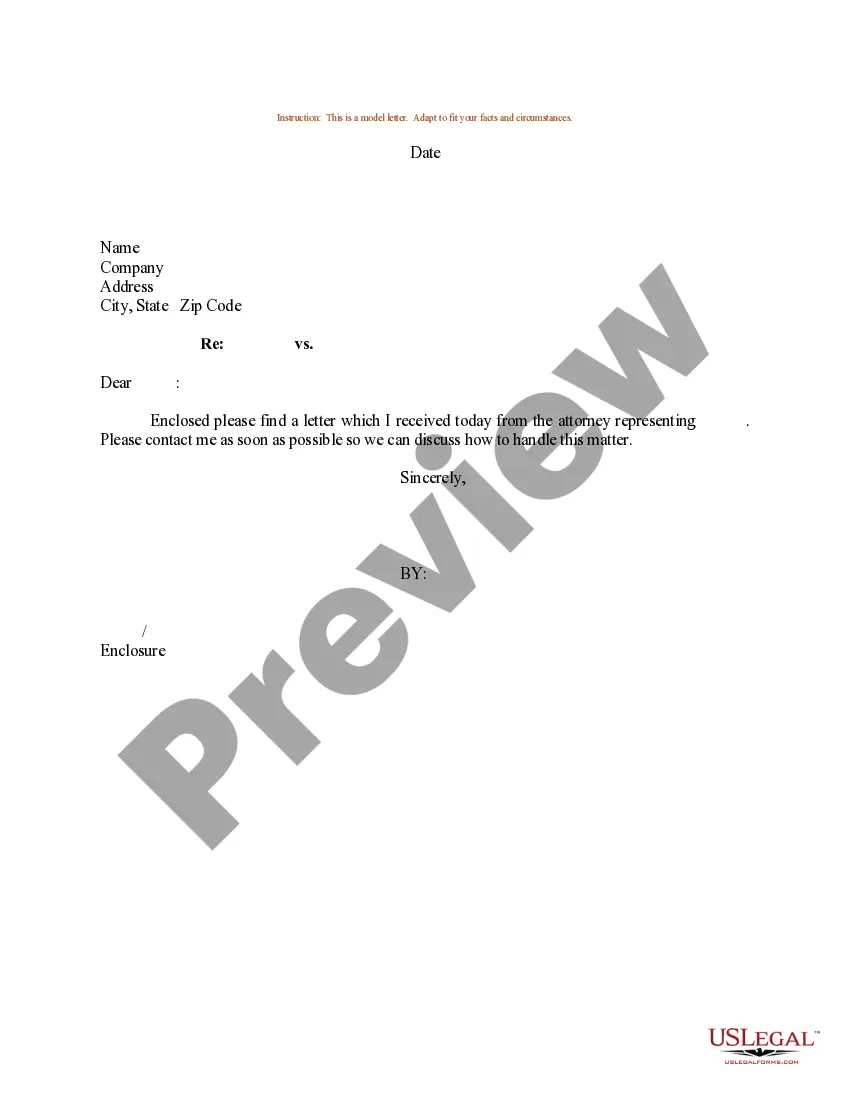
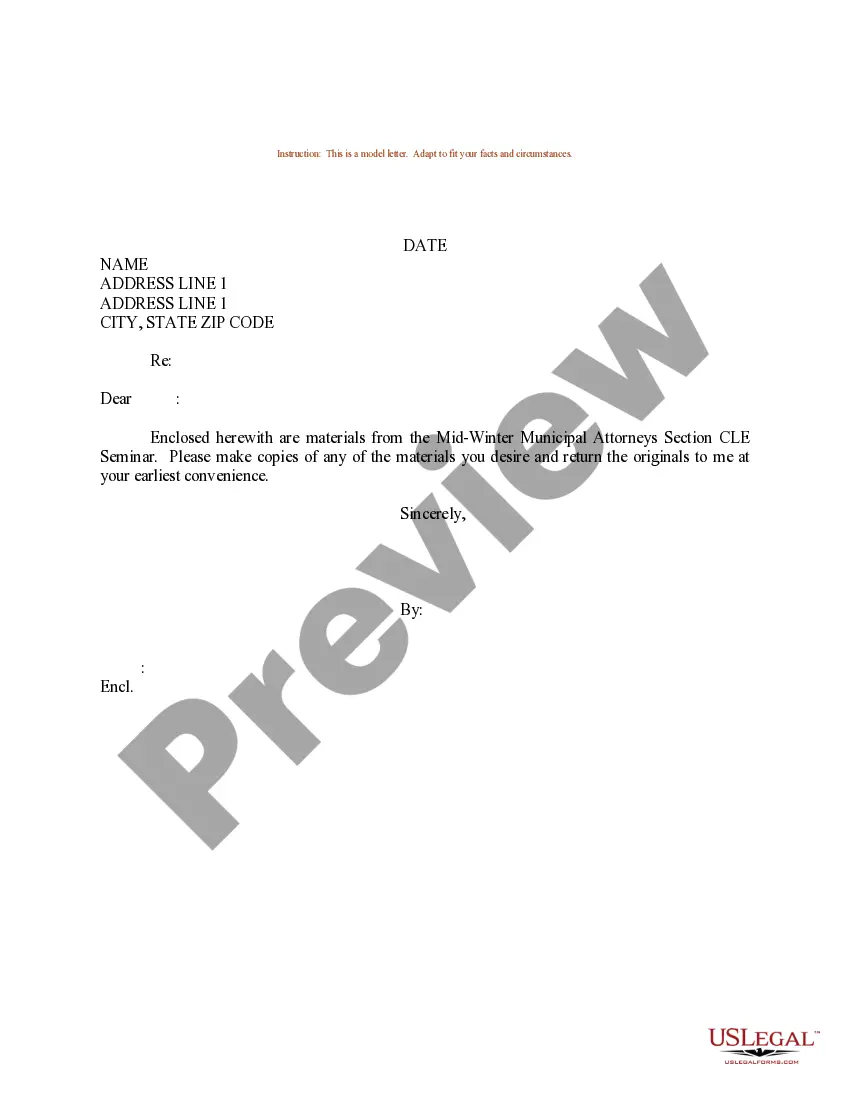
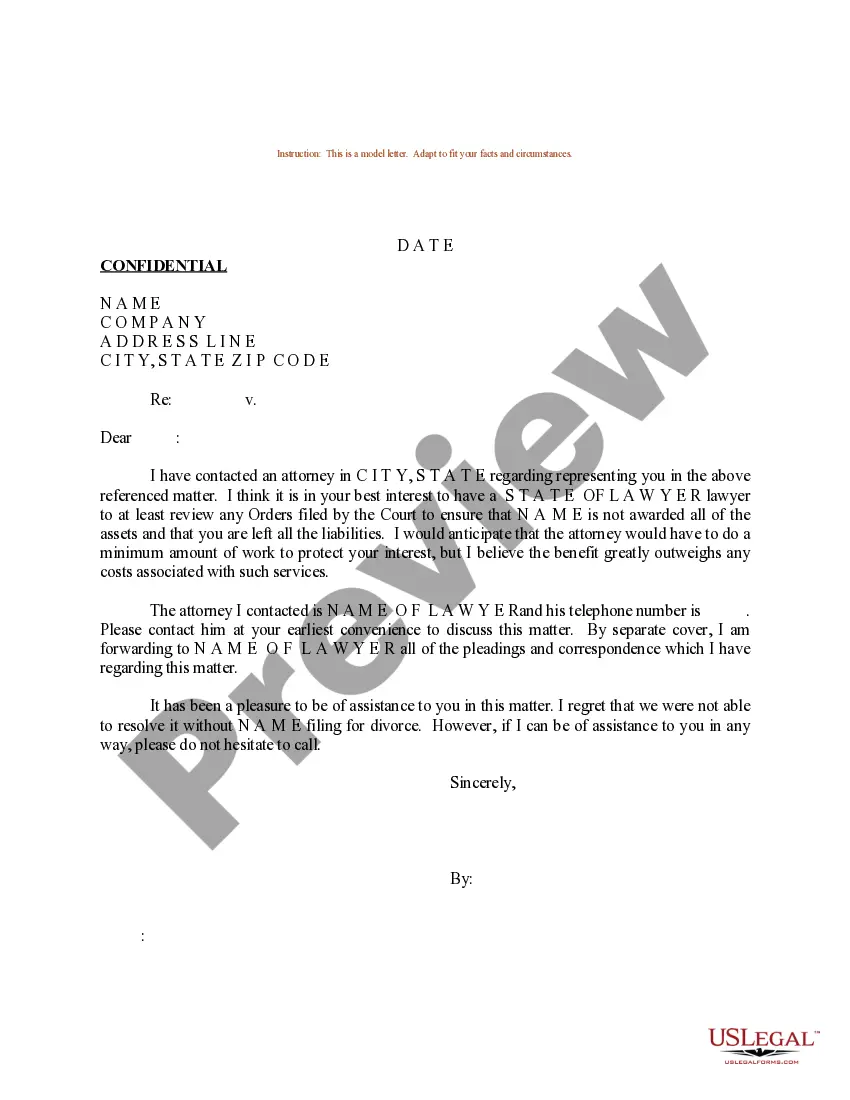
Get your form ready online
Our built-in tools help you complete, sign, share, and store your documents in one place.
Make edits, fill in missing information, and update formatting in US Legal Forms—just like you would in MS Word.
Download a copy, print it, send it by email, or mail it via USPS—whatever works best for your next step.
Sign and collect signatures with our SignNow integration. Send to multiple recipients, set reminders, and more. Go Premium to unlock E-Sign.
If this form requires notarization, complete it online through a secure video call—no need to meet a notary in person or wait for an appointment.
We protect your documents and personal data by following strict security and privacy standards.

Make edits, fill in missing information, and update formatting in US Legal Forms—just like you would in MS Word.

Download a copy, print it, send it by email, or mail it via USPS—whatever works best for your next step.

Sign and collect signatures with our SignNow integration. Send to multiple recipients, set reminders, and more. Go Premium to unlock E-Sign.

If this form requires notarization, complete it online through a secure video call—no need to meet a notary in person or wait for an appointment.

We protect your documents and personal data by following strict security and privacy standards.
Looking for another form?




Form popularity
FAQ
Rule 7.3 - Direct Contact with Prospective Clients (a) A lawyer shall not send, or knowingly permit to be sent, on behalf of the lawyer, the lawyer's firm, lawyer's partner, associate or any other lawyer affiliated with the lawyer or the lawyer's firm, a written communication to a prospective client for the purpose of ...
Contractual obligations This includes a duty to act with diligence, due care and skill, and also implies obligations such as confidentiality and honesty, even if they are not specifically set out in the contract. Many ethical issues are likely to stem from advisers' relationships with clients.
Previously, as the only state not to adopt some version of the American Bar Association's Model Rule 8.3, California has now finally joined the rest of the nation. California's new Rule of Professional Conduct 8.3, which goes into effect August 1, 2023, establishes a duty to report the misconduct of other lawyers that ...
Rule 4.1 Truthfulness in Statements to Others (b) fail to disclose a material fact to a third person when disclosure is necessary to avoid assisting a criminal or fraudulent act by a client, unless disclosure is prohibited by Business and Professions Code section 6068, subdivision (e)(1) or rule 1.6.
Attorneys have an ethical obligation to promptly return a former client's papers and property upon a client's request when representation ends. After a brief representation, that duty may sound simple enough.
All fifty states and the District of Columbia have adopted legal ethics rules based at least in part on the MRPC.
The State Bar of California's Committee of Bar Examiners on Friday voted 8-3 to allow bar takers to sit for the exam remotely or in test centers located in other states or countries—provided they take it at the same time as those in California to reduce the risk of cheating.
Although there is apparent widespread misconception, the ABA Model Code of Professional Responsibility, (ABA code) like sister state rules and court opinions, is not binding in California although it may be persuasive in those instances where there is no controlling rule of professional conduct, statute or Court ruling ...
Previously, as the only state not to adopt some version of the American Bar Association's Model Rule 8.3, California has now finally joined the rest of the nation. California's new Rule of Professional Conduct 8.3, which goes into effect August 1, 2023, establishes a duty to report the misconduct of other lawyers that ...
Rule 7.3 - Direct Contact with Prospective Clients (a) A lawyer shall not send, or knowingly permit to be sent, on behalf of the lawyer, the lawyer's firm, lawyer's partner, associate or any other lawyer affiliated with the lawyer or the lawyer's firm, a written communication to a prospective client for the purpose of ...

