California Bar Format In Fulton
Description
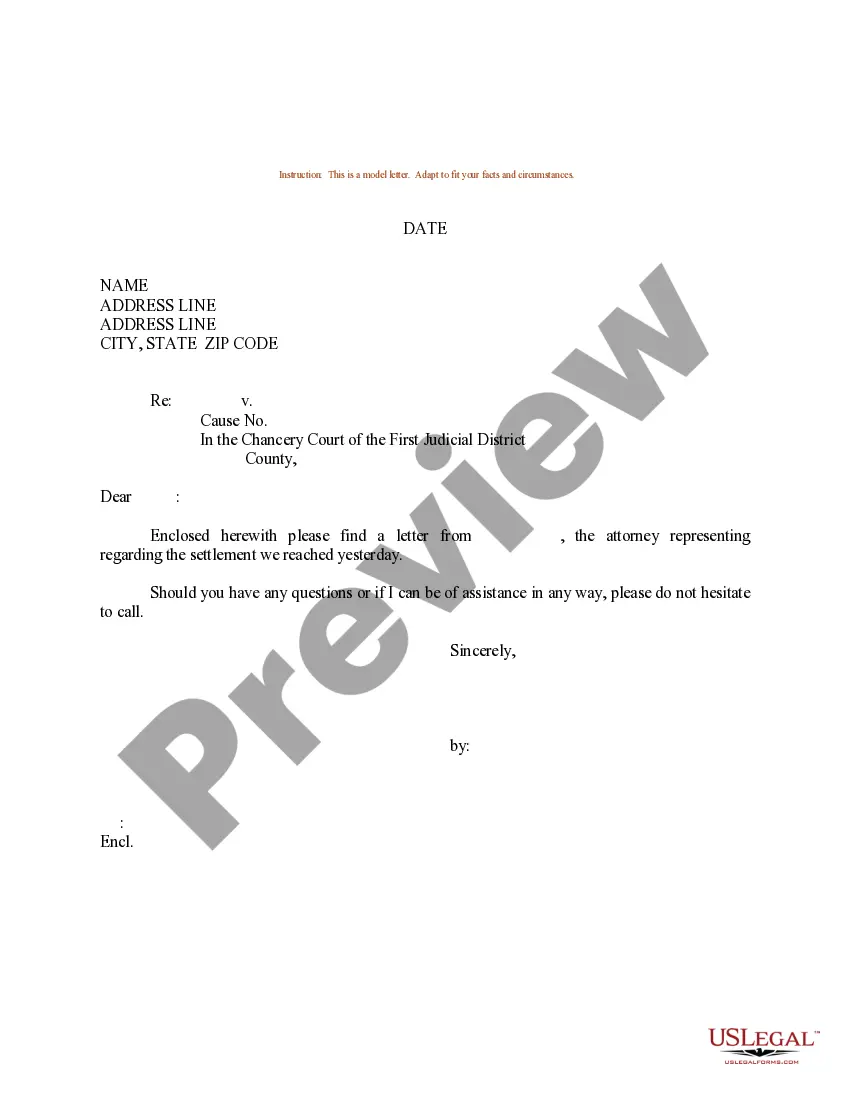
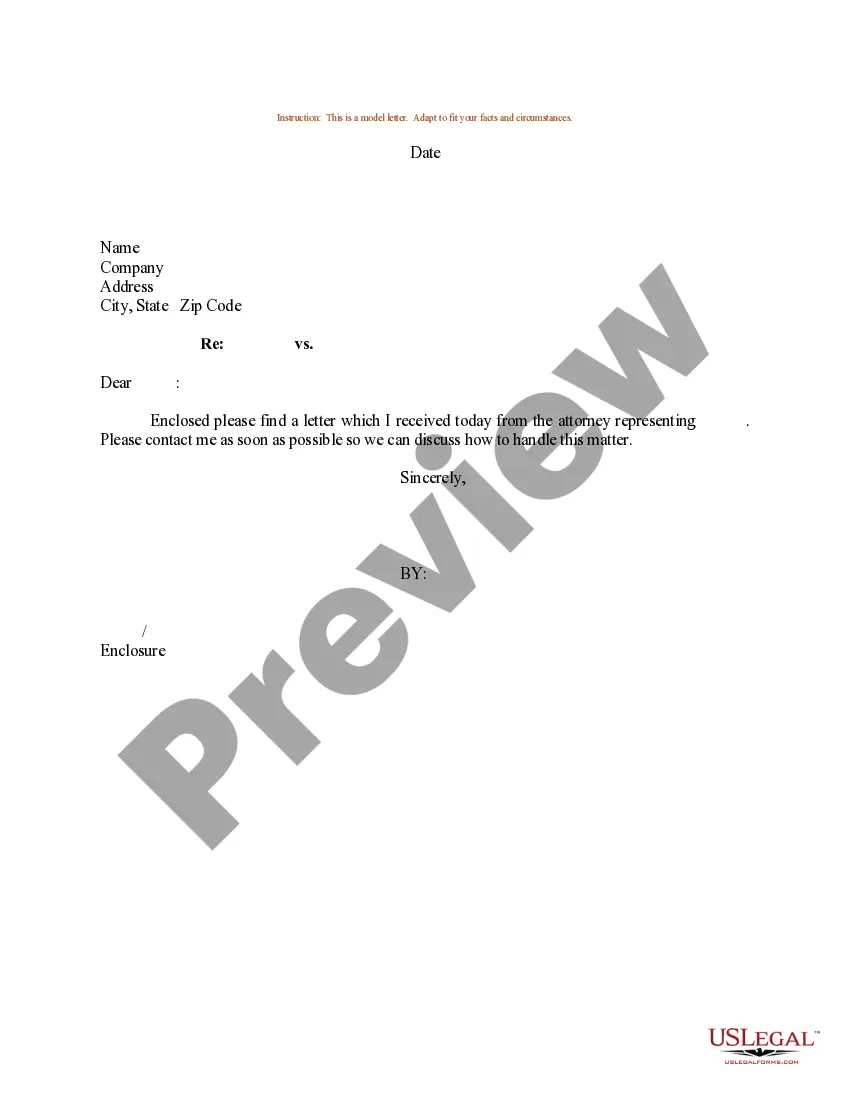
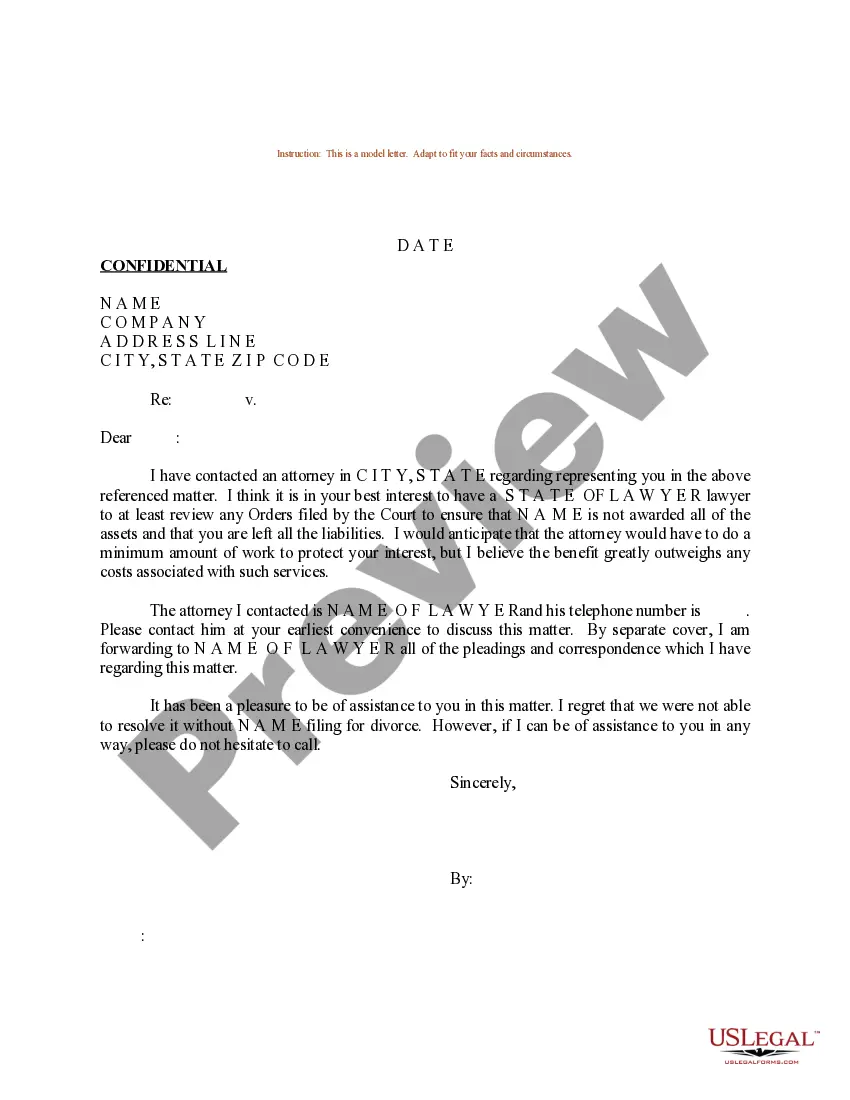
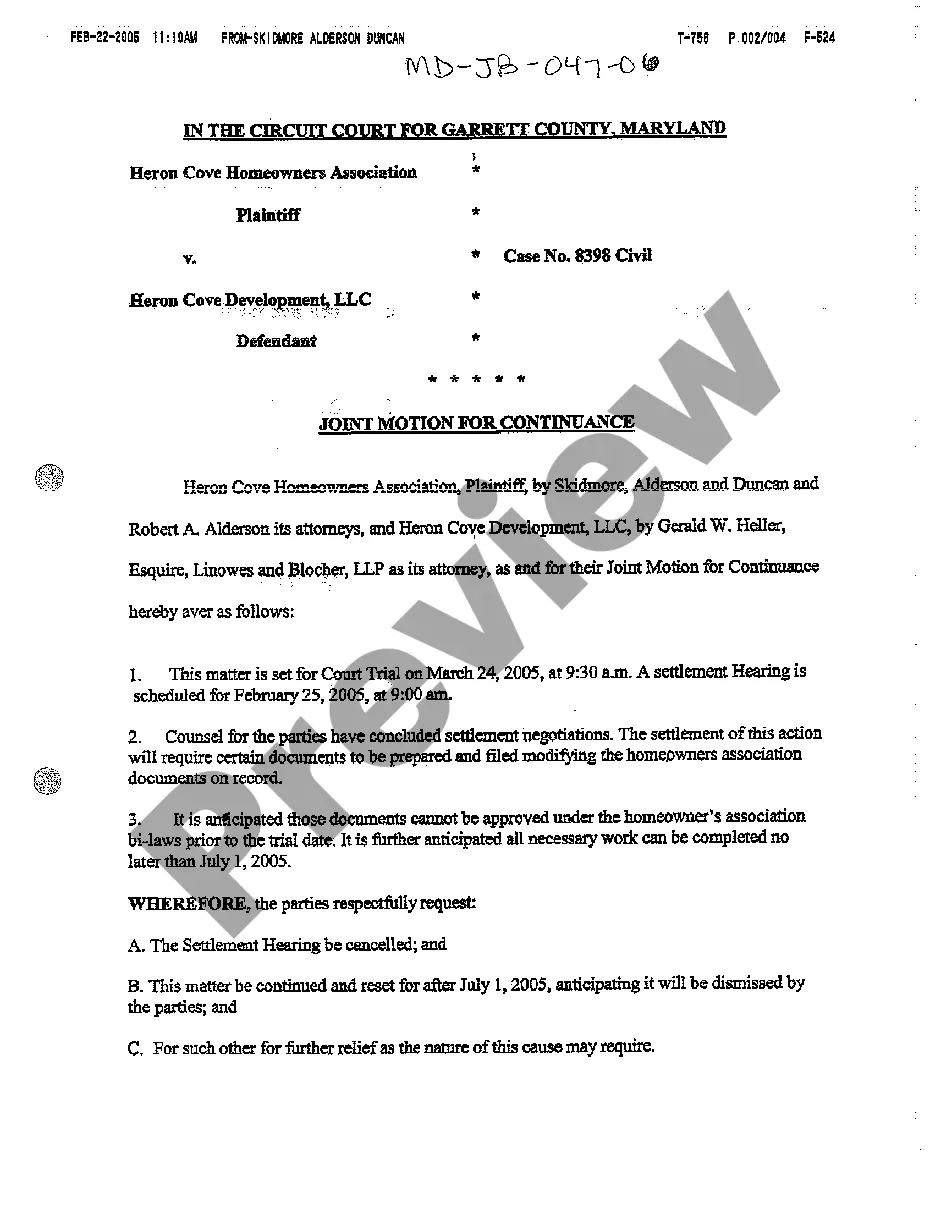
Get your form ready online
Our built-in tools help you complete, sign, share, and store your documents in one place.
Make edits, fill in missing information, and update formatting in US Legal Forms—just like you would in MS Word.
Download a copy, print it, send it by email, or mail it via USPS—whatever works best for your next step.
Sign and collect signatures with our SignNow integration. Send to multiple recipients, set reminders, and more. Go Premium to unlock E-Sign.
If this form requires notarization, complete it online through a secure video call—no need to meet a notary in person or wait for an appointment.
We protect your documents and personal data by following strict security and privacy standards.

Make edits, fill in missing information, and update formatting in US Legal Forms—just like you would in MS Word.

Download a copy, print it, send it by email, or mail it via USPS—whatever works best for your next step.

Sign and collect signatures with our SignNow integration. Send to multiple recipients, set reminders, and more. Go Premium to unlock E-Sign.

If this form requires notarization, complete it online through a secure video call—no need to meet a notary in person or wait for an appointment.

We protect your documents and personal data by following strict security and privacy standards.
Looking for another form?


Form popularity
FAQ
The State Bar of California has already gone ahead with the proposal to establish a state-specific bar test which is expected to be rolled out in 2025. This shift is a departure from the current Uniform Bar Examination (UBE) model and brings guaranteed change that is specific to California's needs.
The California Bar Exam is often discussed in the context of its notorious difficulty and low pass rate. The UBE, on the other hand, is often considered to be a slightly easier test.
California's written portion consists of one 90-minute performance test and five one-hour essays. The Uniform Bar Exam consists of two 90-minute performance tests and six 30-minute essays. The performance tests administered by California and the UBE are not identical, but they are relatively similar.
The following are not UBE jurisdictions: California, Delaware, Florida, Georgia, Hawaii, Mississippi, Nevada, South Dakota, Virginia, Wisconsin, Guam, Northern Mariana Islands, Palau, Louisiana, and Puerto Rico.
The General Bar Exam consists of three parts: five essay questions, the Multistate Bar Exam (MBE), and one performance test (PT). The parts of the exam may not be taken separately, and California does not accept the transfer of MBE scores from other jurisdictions.
The California Bar Exam has three (3) parts given over two (2) days: five (5) essay questions, the Multistate Bar Examination (MBE) and one (1) performance test.
Many students are interested in the California bar exam. California, unlike most US jurisdictions, does not administer the UBE, therefore it is important to understand how the California bar exam differs from the UBE. Like the UBE, the California bar is a two-day exam that is given two times a year.
California Bar Examination All other attorney applicants must take the general bar exam. Please note that the State Bar does not offer reciprocity or accept bar exam scores from another jurisdiction.
Key Changes to the California Bar Exam Transition Away from the MBE: Starting in 2025, California will no longer use the National Conference of Bar Examiners' (NCBE) Multistate Bar Examination (MBE) for its multiple-choice component. Instead, Kaplan will develop new multiple-choice questions specific to California.
The California Bar Examination consists of the General Bar Examination and the Attorneys' Examination. The General Bar Exam consists of three parts: five essay questions, the Multistate Bar Exam (MBE), and one performance test (PT).
