California Bar Foreign Attorney In Franklin
Description
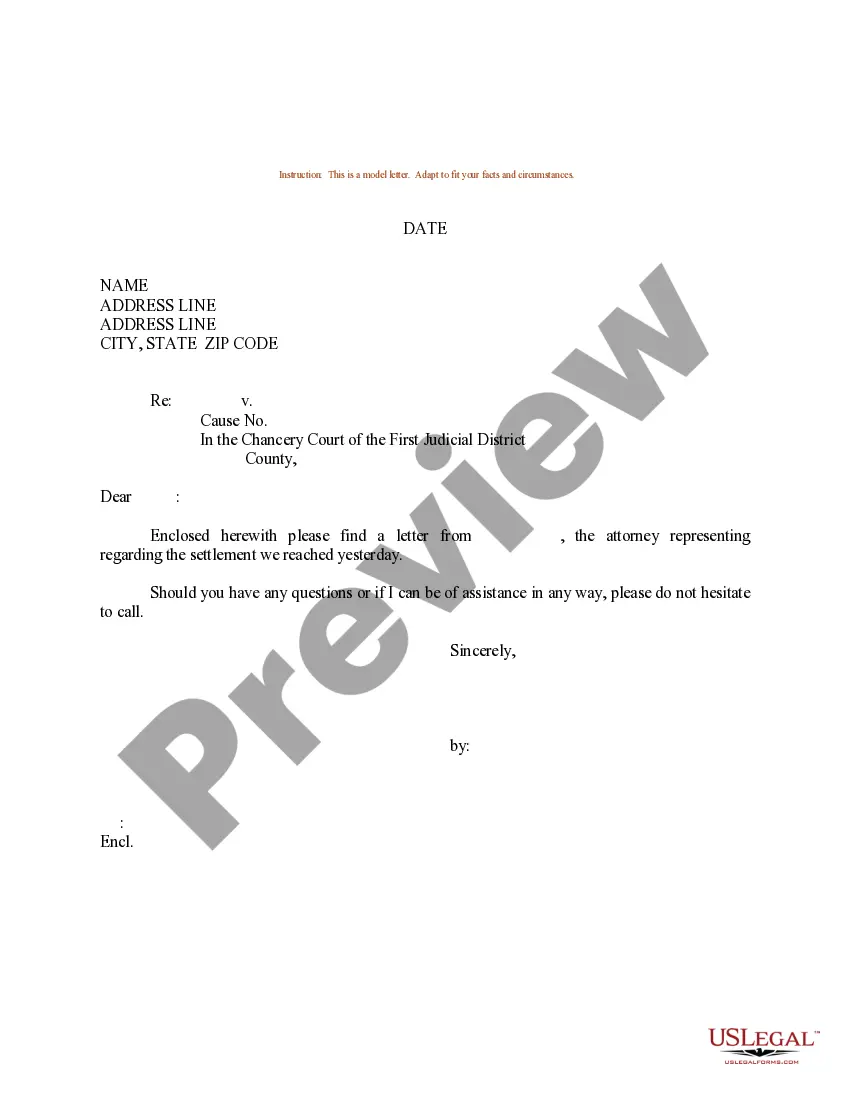
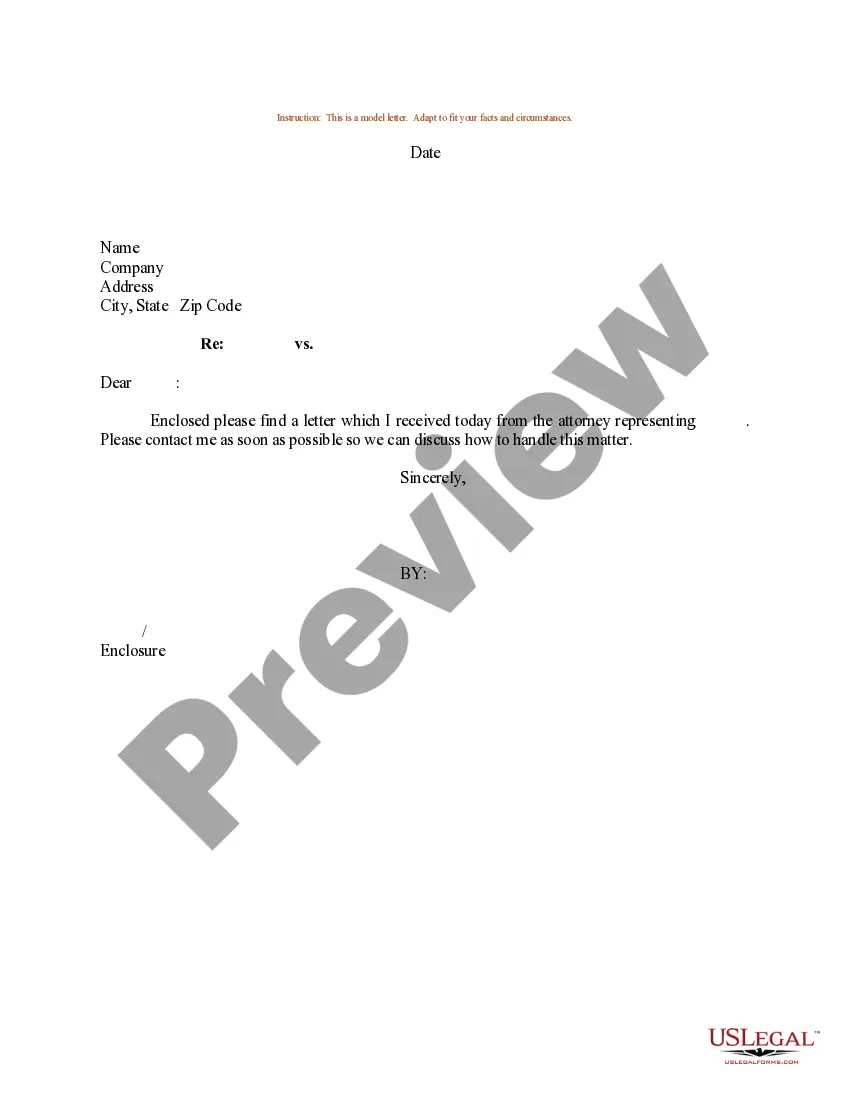
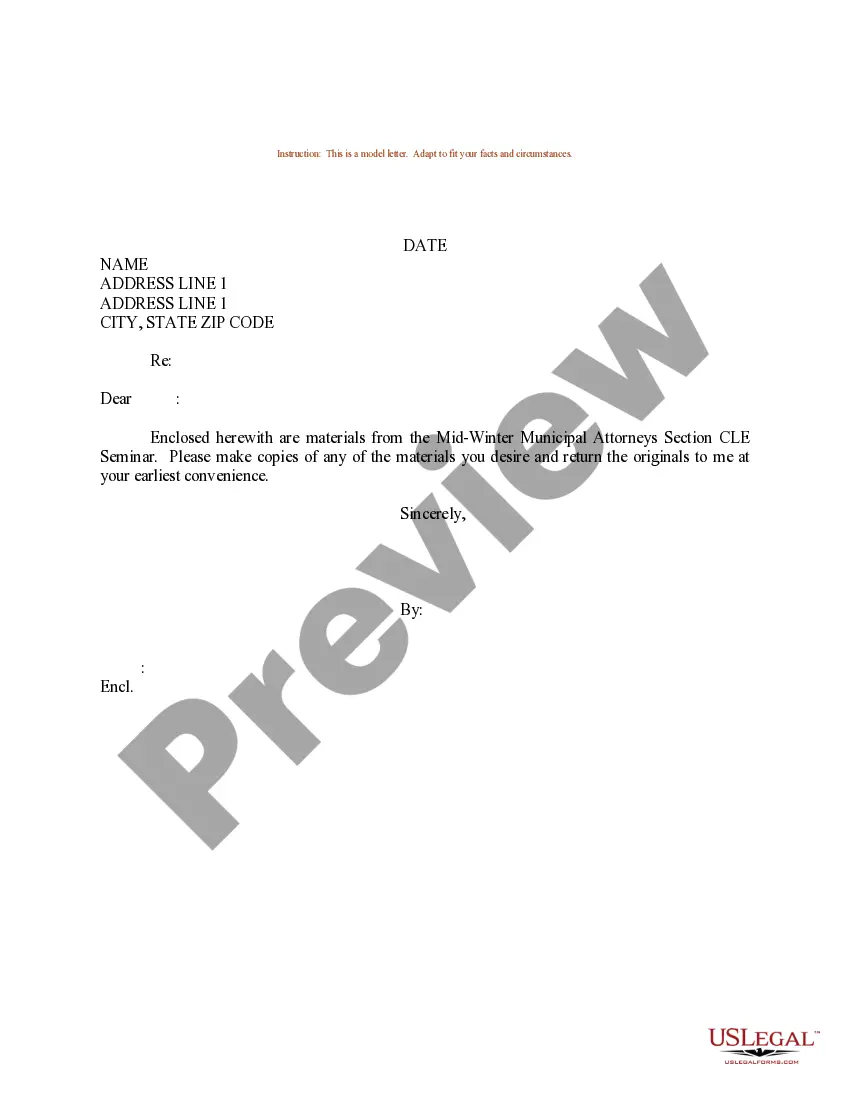
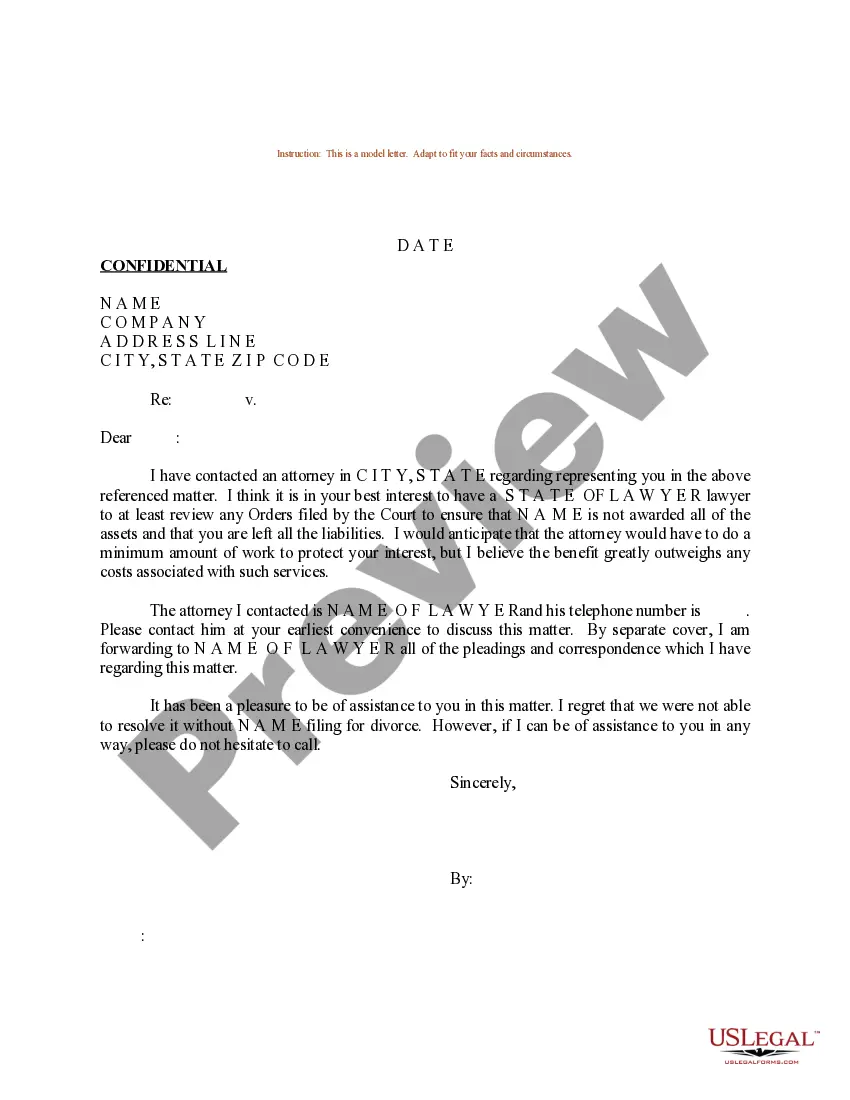
Get your form ready online
Our built-in tools help you complete, sign, share, and store your documents in one place.
Make edits, fill in missing information, and update formatting in US Legal Forms—just like you would in MS Word.
Download a copy, print it, send it by email, or mail it via USPS—whatever works best for your next step.
Sign and collect signatures with our SignNow integration. Send to multiple recipients, set reminders, and more. Go Premium to unlock E-Sign.
If this form requires notarization, complete it online through a secure video call—no need to meet a notary in person or wait for an appointment.
We protect your documents and personal data by following strict security and privacy standards.

Make edits, fill in missing information, and update formatting in US Legal Forms—just like you would in MS Word.

Download a copy, print it, send it by email, or mail it via USPS—whatever works best for your next step.

Sign and collect signatures with our SignNow integration. Send to multiple recipients, set reminders, and more. Go Premium to unlock E-Sign.

If this form requires notarization, complete it online through a secure video call—no need to meet a notary in person or wait for an appointment.

We protect your documents and personal data by following strict security and privacy standards.
Looking for another form?









Form popularity
FAQ
California Reciprocity California doesn't offer reciprocity but offers a shorter bar exam for attorneys who are admitted in other states and who have been in good standing as an attorney in those states for at least four years prior to their application.
Lawyers may remotely practice the law of the jurisdictions in which they are licensed while physically present in a jurisdiction in which they are not admitted if the local jurisdiction has not determined that the conduct is the unlicensed or unauthorized practice of law and if they do not hold themselves out as being ...
In some instances, attorneys who are properly licensed and in good standing in another state are allowed to practice in California. For example, attorneys who practice only federal law, such as immigration, may practice in California but be licensed in another state.
In most cases, your attorney must be admitted to the bar in the state with jurisdiction. Most states have a process for an out of state attorney to be admitted to represent a client for one case only. The Latin phrase “pro hac vice” or “for this occasion only” describes this process.
If you have been fully admitted to the practice of law in any U.S. or foreign jurisdiction, you are qualified to take the California Bar Examination without additional legal education.
The overall pass rate was 53.8%, up 2.3 percentage point from last year's exam. For California ABA-accredited law schools, the pass rate for first time test-takers was 81%, up 5 percentage points from 2023.
Applicants who are already licensed to practice law in another state or jurisdiction must register as an attorney applicant, complete a positive moral character determination and pass the Multistate Professional Responsibility Examination as well as the California Bar Examination.
Some states allow foreign lawyers to apply for bar admission based on years of law practice and/or a qualifying foreign law degree (typically involving legal education in English common law). However, most states require foreign lawyers to obtain an LL. M. degree (or equivalent) from an ABA-accredited law school.
For several reasons, the California bar exam is often considered to be the hardest in the country. California's legal system is known for its complexity. The state has its own set of laws, regulations, and precedents that often differ significantly from federal laws and those of other states.
What states have reciprocity with California? Arizona. Colorado. Delaware. Hawaii. Louisiana. Maine. Maryland. Massachusetts.

