State Bar Attorney Log In In Chicago
Description
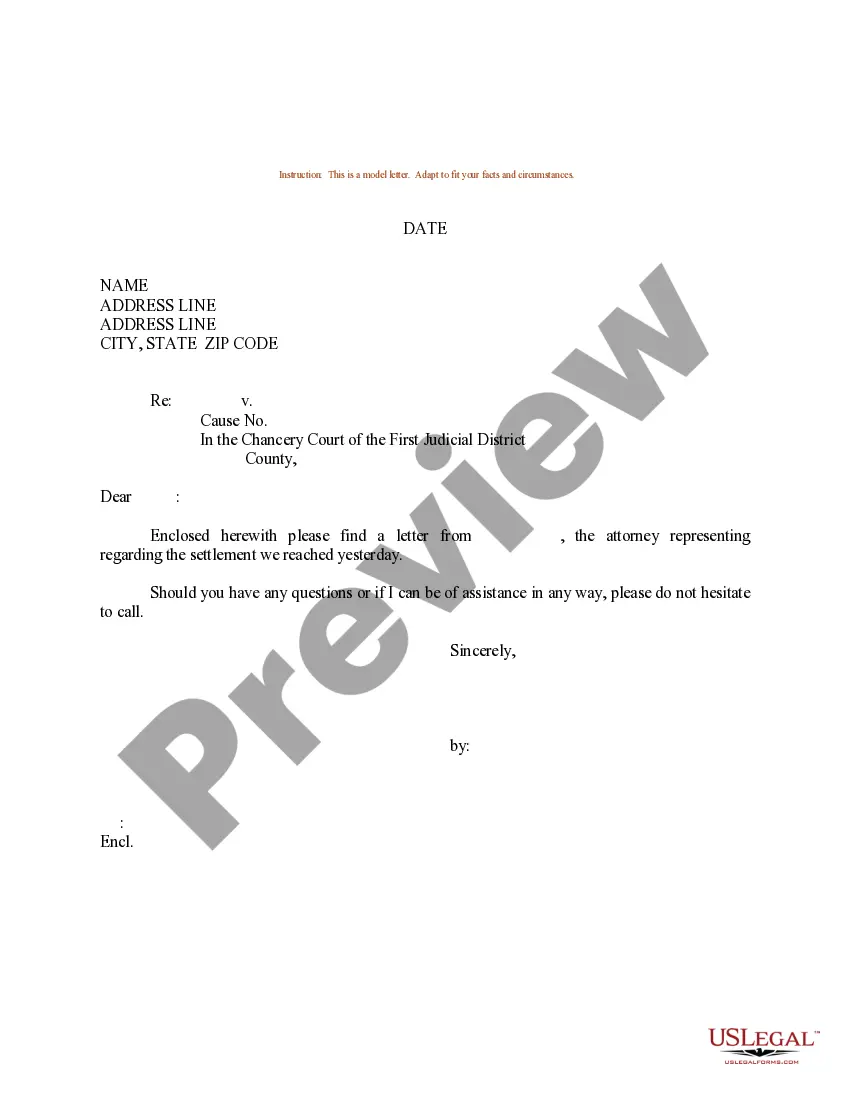
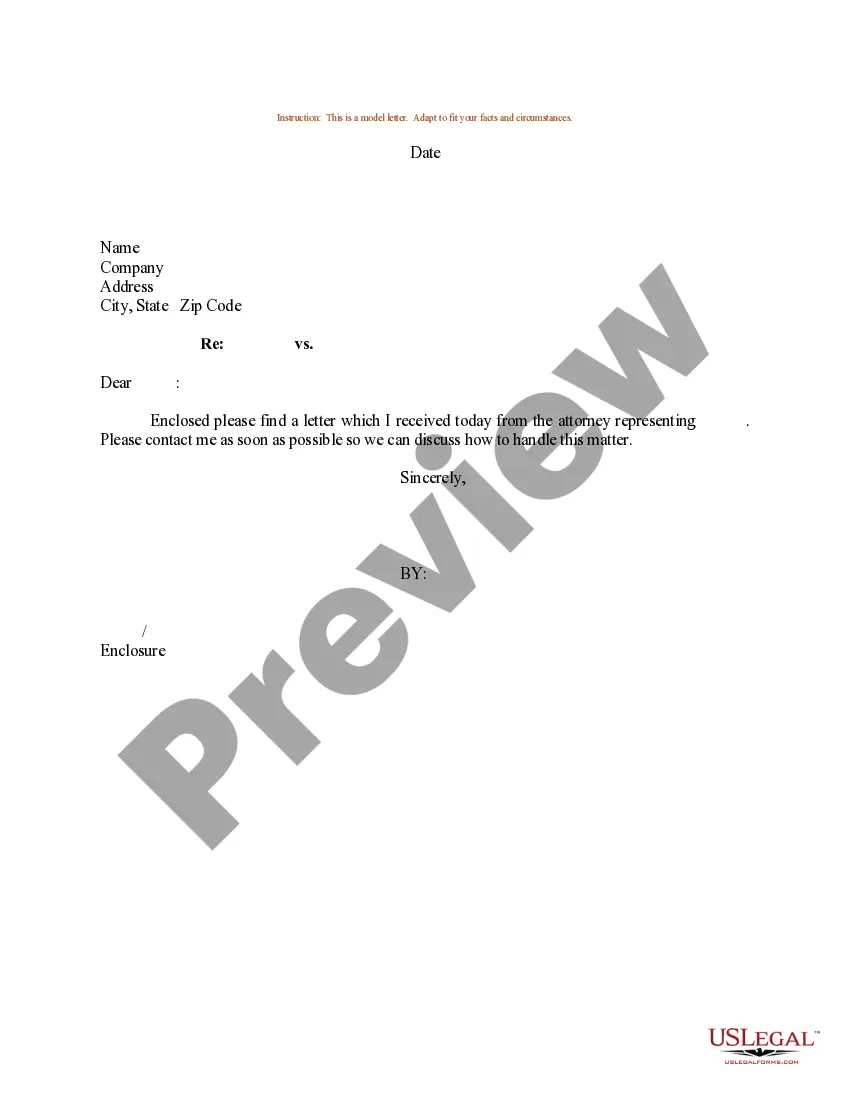
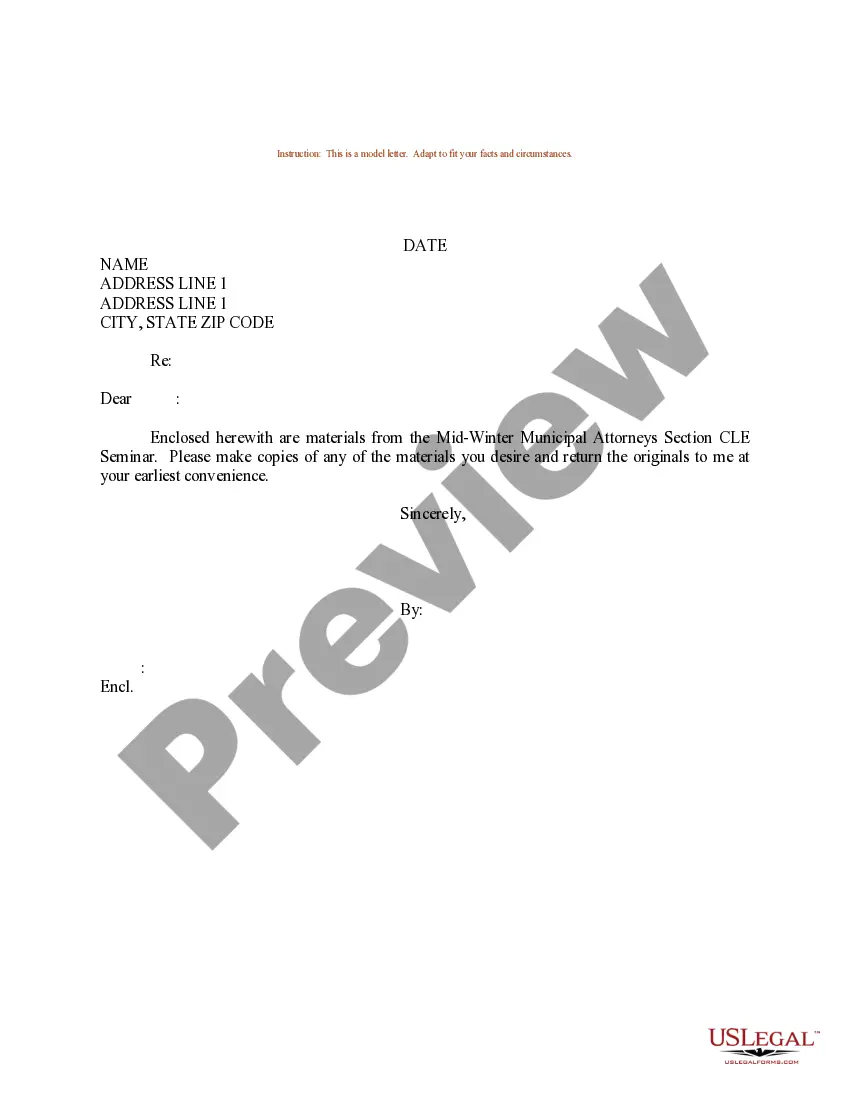
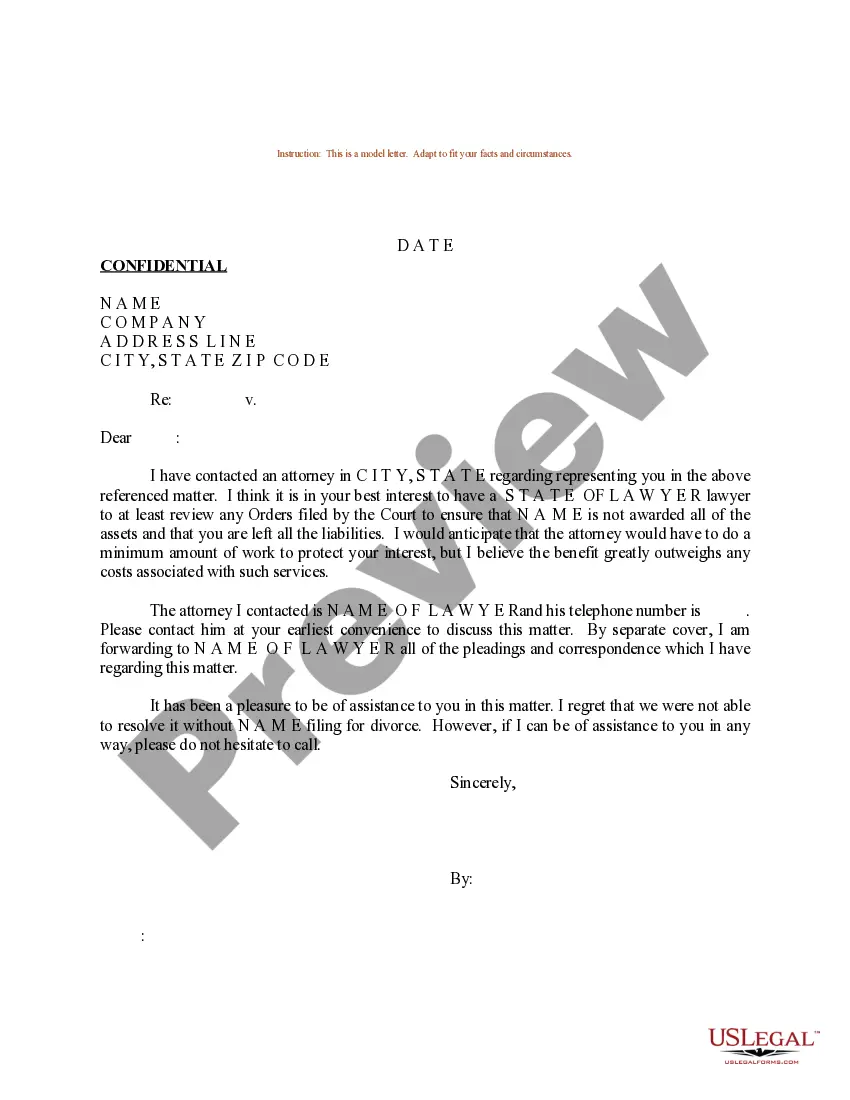
Get your form ready online
Our built-in tools help you complete, sign, share, and store your documents in one place.
Make edits, fill in missing information, and update formatting in US Legal Forms—just like you would in MS Word.
Download a copy, print it, send it by email, or mail it via USPS—whatever works best for your next step.
Sign and collect signatures with our SignNow integration. Send to multiple recipients, set reminders, and more. Go Premium to unlock E-Sign.
If this form requires notarization, complete it online through a secure video call—no need to meet a notary in person or wait for an appointment.
We protect your documents and personal data by following strict security and privacy standards.

Make edits, fill in missing information, and update formatting in US Legal Forms—just like you would in MS Word.

Download a copy, print it, send it by email, or mail it via USPS—whatever works best for your next step.

Sign and collect signatures with our SignNow integration. Send to multiple recipients, set reminders, and more. Go Premium to unlock E-Sign.

If this form requires notarization, complete it online through a secure video call—no need to meet a notary in person or wait for an appointment.

We protect your documents and personal data by following strict security and privacy standards.
Looking for another form?







Form popularity
FAQ
The ABA is a voluntary professional association for lawyers. There is no requirement that lawyers be members of the ABA in order to practice law.
The Illinois State Bar Association is a voluntary bar association and has no statutory or regulatory role relating to the registration or discipline of attorneys in Illinois.
Some examples of Private Membership Associations include: Professional associations, e.g., American Bar Association, American Medical Association. Industry-specific groups, e.g., the National Association of Realtors, .
The Attorney Registration & Disciplinary Commission (ARDC) is an entity established by and reporting to the Illinois Supreme Court that maintains administrative responsibility for the registration and discipline of Illinois lawyers.
The sooner they join, the more benefits they will get.” Learning never stops in a legal career. A bar association offers access to opportunities to stay sharp through CLE programs, webinars, and other events. Bar associations often coordinate and host CLE programs on topics in the news or emerging issues.
Use the online platform or call 312-554-2001 for a referral. Illinois State Bar Association LawyerFinder - Referral services connecting people with lawyers throughout Illinois who charges fees for their services after a $25 initial consultation. Use the online platform or call 1-800-922-8757 for a referral.
The Attorney Registration and Disciplinary Commission (ARDC) operates under the authority of the Illinois Supreme Court, which has sole authority to regulate the admission and discipline of lawyers in Illinois.
Unlike some state bar associations, in which membership is mandatory, ISBA membership is not required of lawyers licensed to practice in Illinois and ISBA membership is completely voluntary.
Filing a Complaint Each state has a bar association that regulates lawyers and their conduct. Any complaints should be addressed to your state's bar association. Most will have a complaint form on their website and guidance on how to fill it out.
Rather, in conjunction with state bar associations, state supreme courts regulate attorneys who are licensed to practice. Typically, individuals must possess a law degree and consequently pass a state-level bar exam to obtain a license to practice law.

