Lease Agreement With Landlord In Tarrant
Description

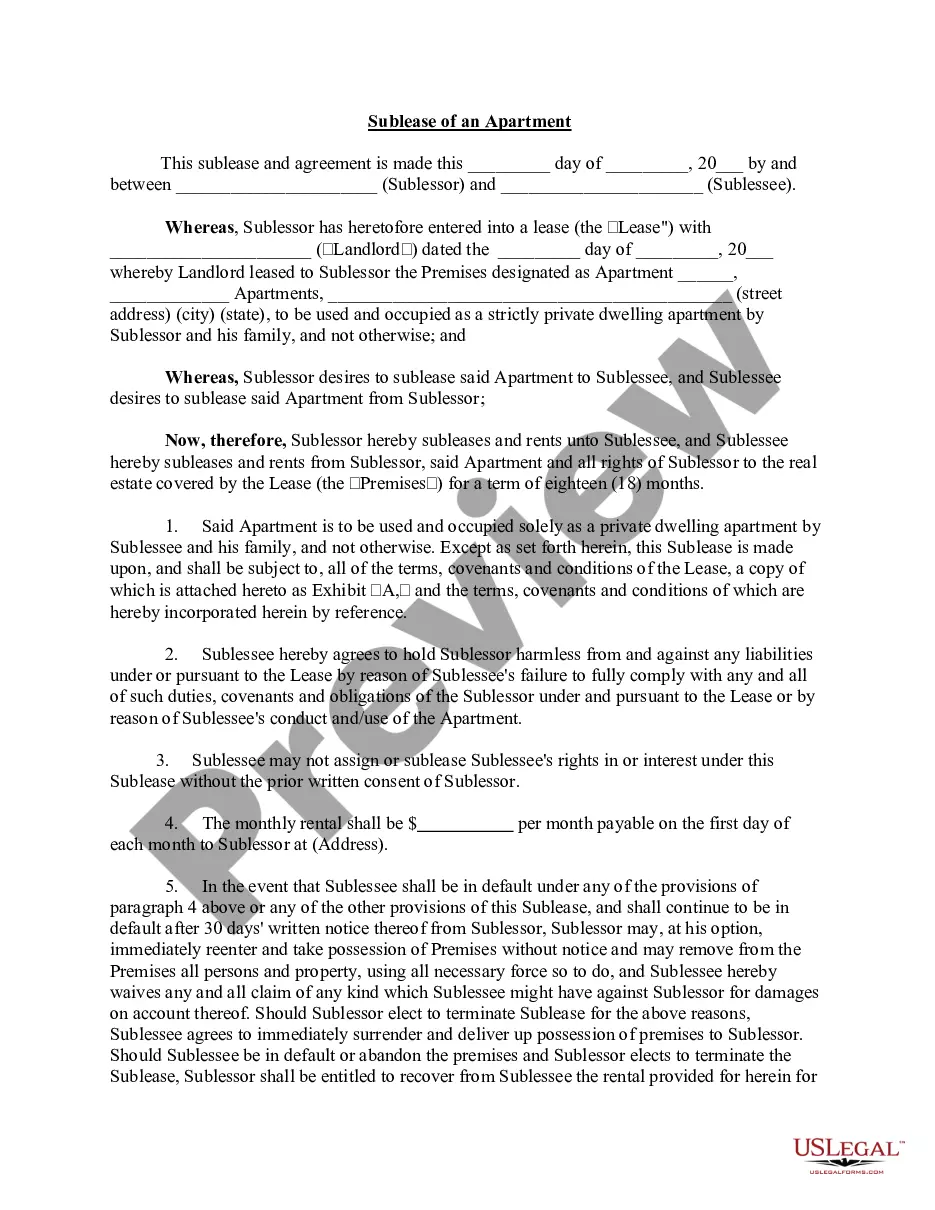
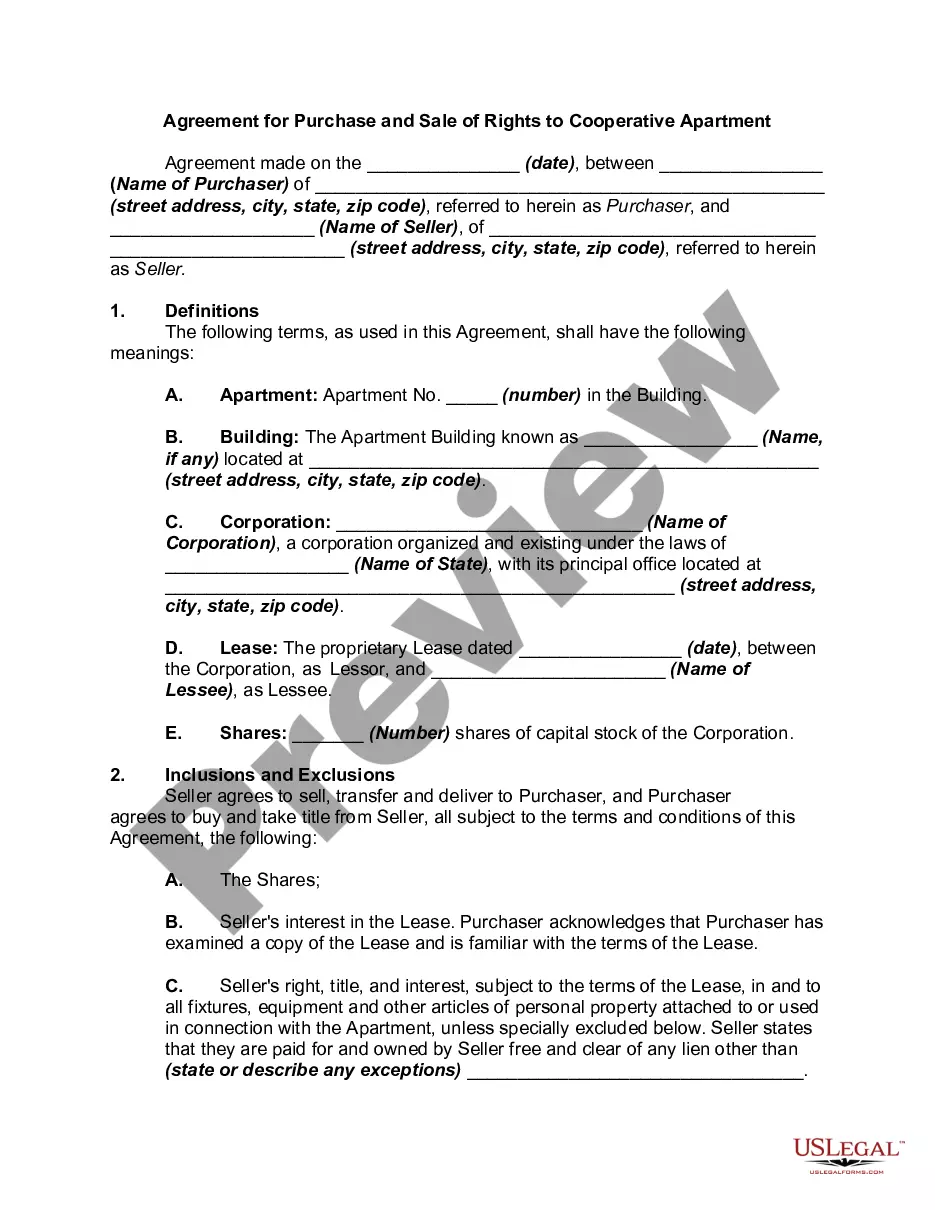
Get your form ready online
Our built-in tools help you complete, sign, share, and store your documents in one place.
Make edits, fill in missing information, and update formatting in US Legal Forms—just like you would in MS Word.
Download a copy, print it, send it by email, or mail it via USPS—whatever works best for your next step.
Sign and collect signatures with our SignNow integration. Send to multiple recipients, set reminders, and more. Go Premium to unlock E-Sign.
If this form requires notarization, complete it online through a secure video call—no need to meet a notary in person or wait for an appointment.
We protect your documents and personal data by following strict security and privacy standards.

Make edits, fill in missing information, and update formatting in US Legal Forms—just like you would in MS Word.

Download a copy, print it, send it by email, or mail it via USPS—whatever works best for your next step.

Sign and collect signatures with our SignNow integration. Send to multiple recipients, set reminders, and more. Go Premium to unlock E-Sign.

If this form requires notarization, complete it online through a secure video call—no need to meet a notary in person or wait for an appointment.

We protect your documents and personal data by following strict security and privacy standards.
Looking for another form?




Form popularity
FAQ
Lease agreements are a contract. But you don't necessarily need to hire a lawyer to write good lease agreements, you can do it yourself. But you're a first-time landlord or simply don't have the time to write a lease, you can hire a property management company to do it for you.
The rental lease agreement is a formal contract between a tenant and a property owner, or a representative of the owner, like a property manager, outlining the terms and conditions for living at a rental property in exchange for rent. In order for a lease agreement to be valid, both parties must sign the contract.
What Is a Leasing Agent? Leasing agents, on the other hand, work for a property owner or property management company. They still help renters find a home and sign a lease, but they're typically limited to the properties owned by a single owner.
How to write a Texas lease agreement Begin by including the names and contact information of both the landlord and tenant. Describe the rental property, including its address and any unique features. Specify the lease term, including the move-in and move-out dates.
Technically, any attorney can help with lease agreements, whether they're residential or commercial in nature. However, it goes without saying that it's in your best interests to hire a lawyer with experience in the field of real estate law.
A tenant and a landlord each sign a lease agreement detailing their respective responsibilities. When signed, this contract is in its executory stage. Once the obligations of each party are fulfilled by the end of the lease period (unless there is a breach of contract), the contract is fully executed.
Here's a list of standard fields that you should include in your lease agreement: Tenant information. Include each tenant's full name and contact information. Rental property description. Security deposit. Monthly rent amount. Utilities. Lease term. Policies. Late fees.
Landlord-Tenant / Security Deposits: Effective July 1, 2024, a landlord is capped at collecting one month's rent as a security deposit for new tenancies in addition to the first month's rent.
State laws on leases and rental agreements can vary, but a landlord or property management company should provide you with a copy of your signed lease upon request. You should make your request in writing, so you have proof if there is a dispute later.
What is prohibited? Under this law, a landlord may not retaliate by: filing eviction proceedings (unless in certain circumstances listed in Section 92.332, like when a tenant is behind in rent, has intentionally damaged the property, or remains in the property after their lease has ended);
