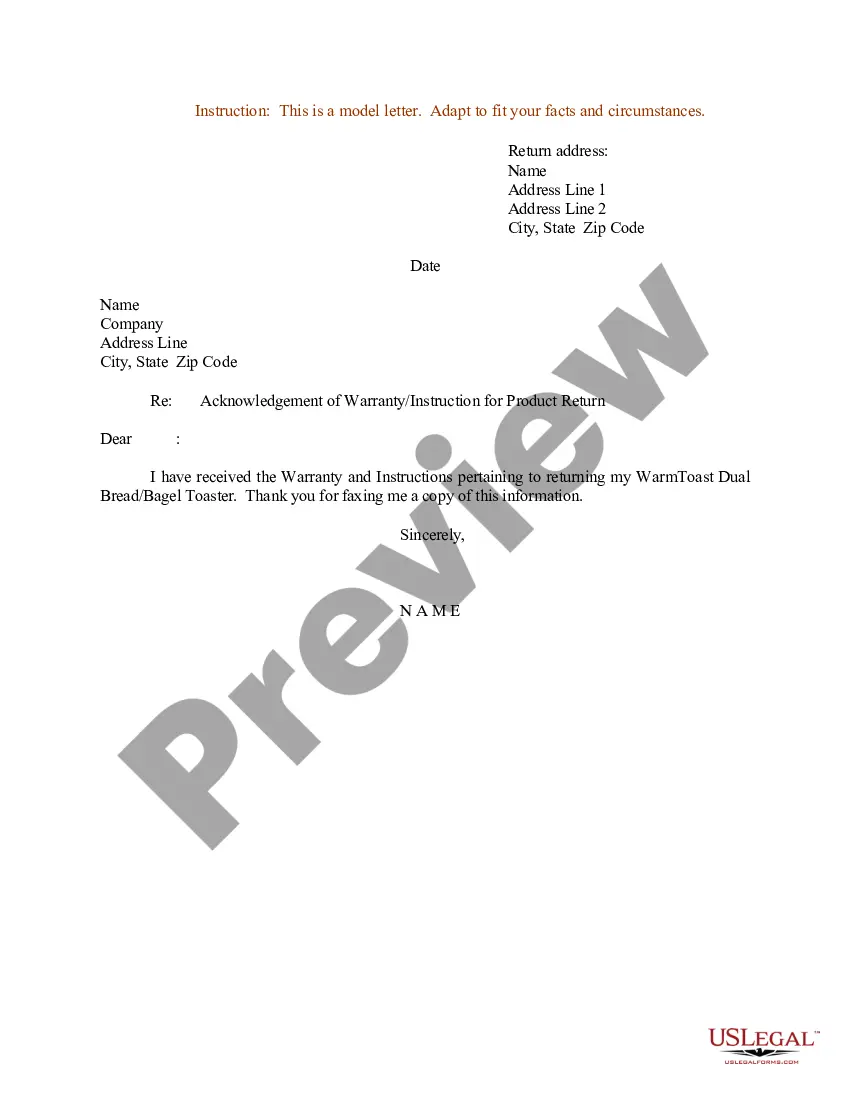
Sublease Agreement Form Bc In Los Angeles
Description

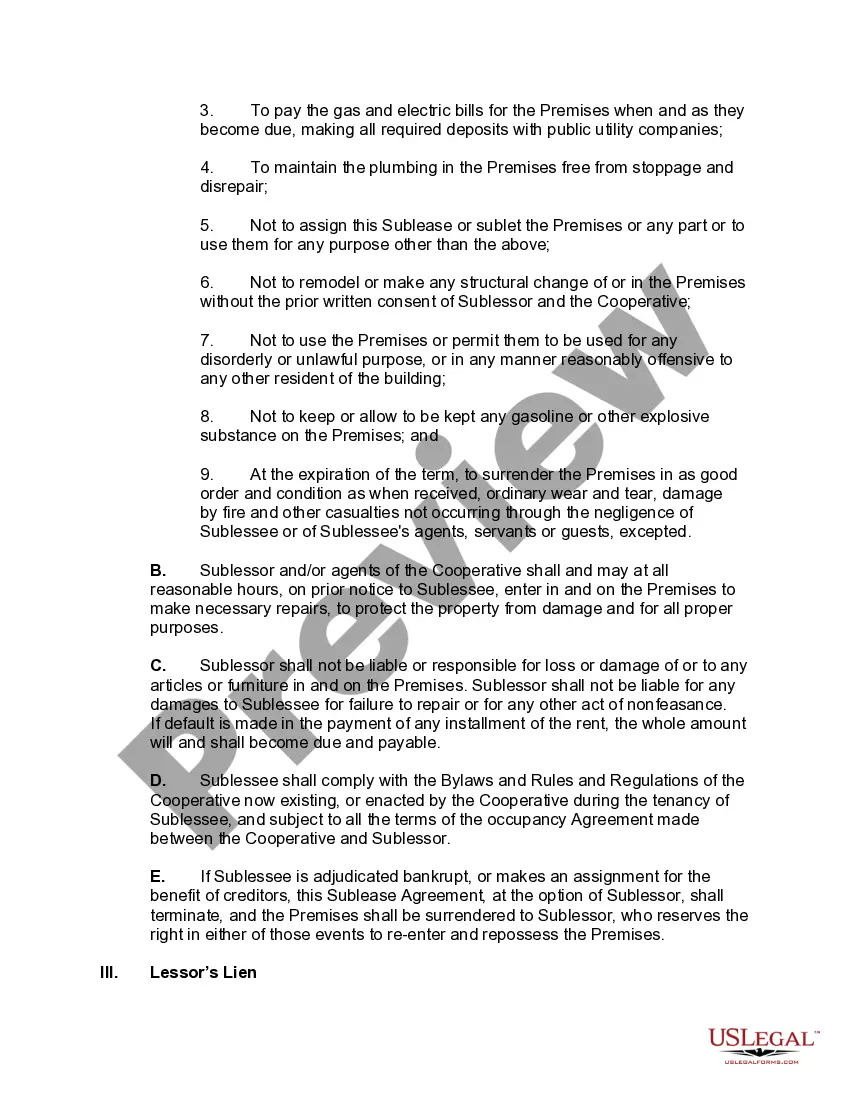
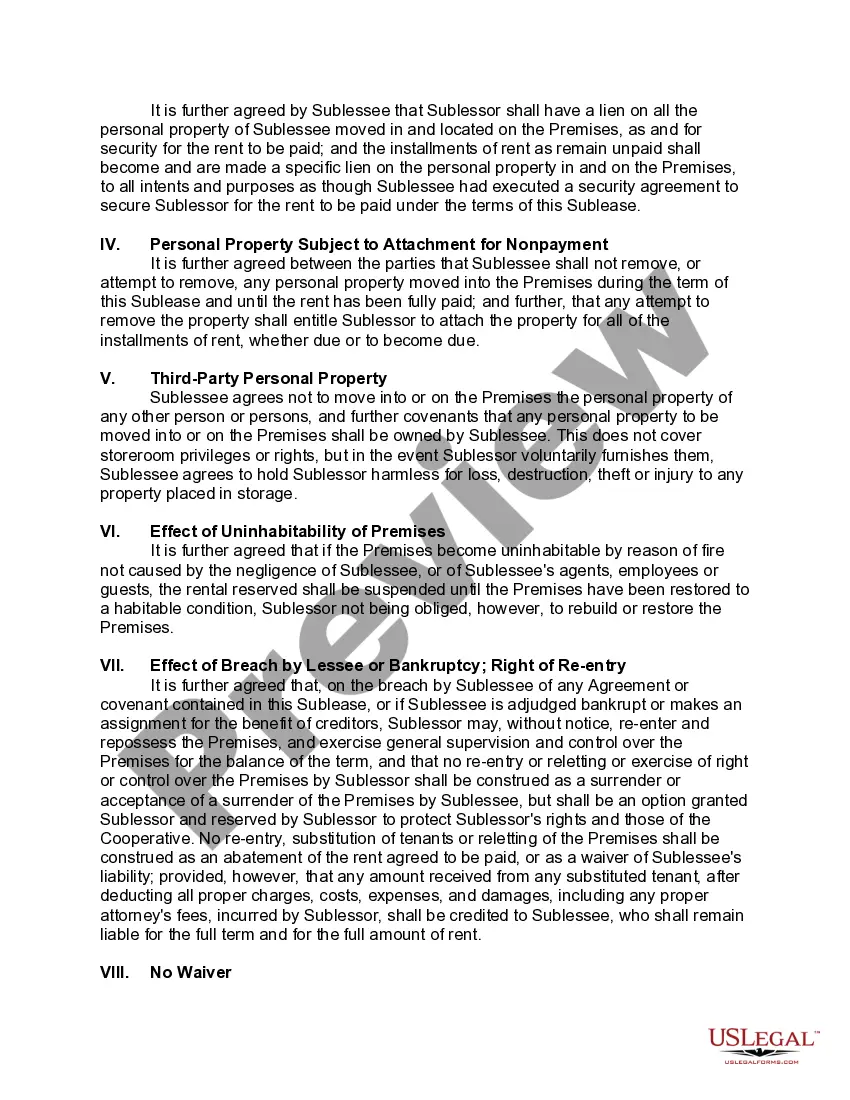
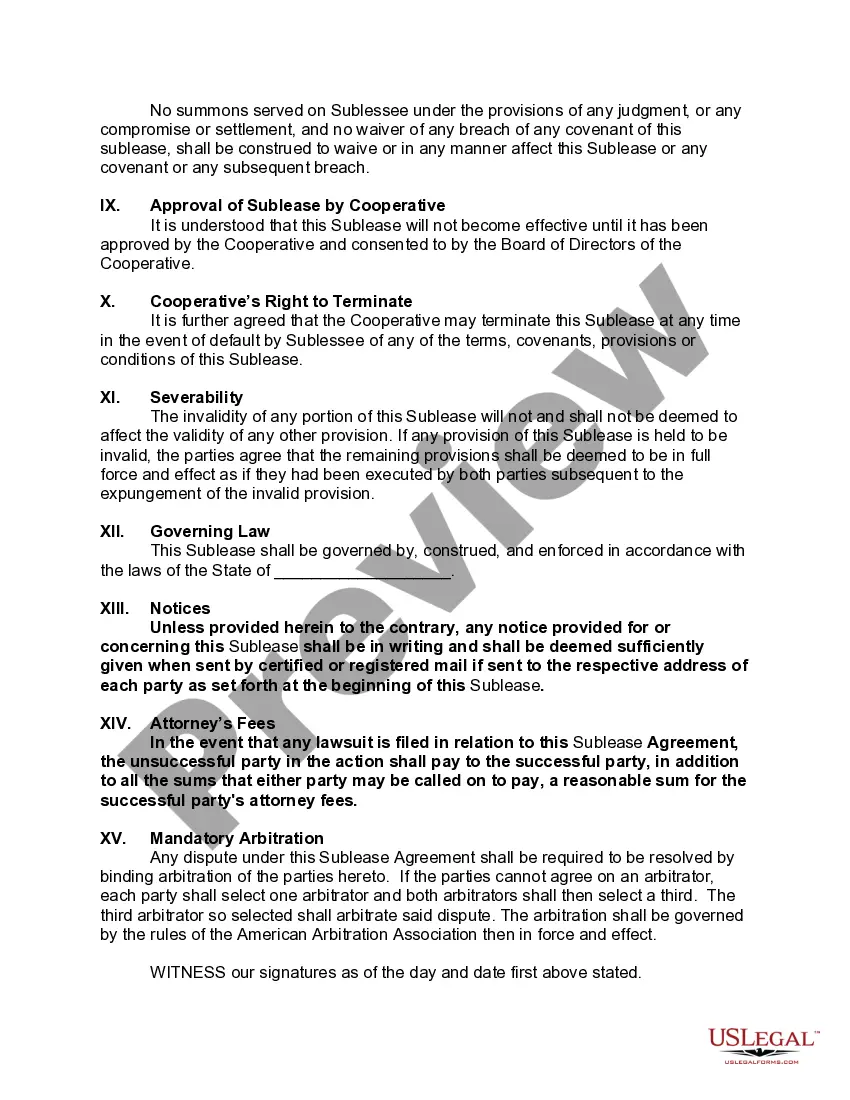

Get your form ready online
Our built-in tools help you complete, sign, share, and store your documents in one place.
Make edits, fill in missing information, and update formatting in US Legal Forms—just like you would in MS Word.
Download a copy, print it, send it by email, or mail it via USPS—whatever works best for your next step.
Sign and collect signatures with our SignNow integration. Send to multiple recipients, set reminders, and more. Go Premium to unlock E-Sign.
If this form requires notarization, complete it online through a secure video call—no need to meet a notary in person or wait for an appointment.
We protect your documents and personal data by following strict security and privacy standards.

Make edits, fill in missing information, and update formatting in US Legal Forms—just like you would in MS Word.

Download a copy, print it, send it by email, or mail it via USPS—whatever works best for your next step.

Sign and collect signatures with our SignNow integration. Send to multiple recipients, set reminders, and more. Go Premium to unlock E-Sign.

If this form requires notarization, complete it online through a secure video call—no need to meet a notary in person or wait for an appointment.

We protect your documents and personal data by following strict security and privacy standards.
Looking for another form?










Form popularity
FAQ
In cities like Los Angeles, subletting is generally allowed if not expressly forbidden by lease terms. Tenants should seek landlord approval before subletting. In some cases, local regulations may favor tenant subletting rights. Information on local subletting laws can be helpful for further understanding.
Your Step-by-Step Guide to Subletting in California Read Your Lease Carefully. Obtain Pre-Approval to Sublet. Find and Screen a Subletter. Send a Written Request for Approval. Wait Patiently (but Not Too Patiently). Collect and Store Security Deposit and Rent. Enjoy Your Freedom:
Subletting regulations in California primarily revolve around lease agreements. If your lease doesn't explicitly prohibit sublets, you generally have the right to sublet. However, landlords retain the authority to reject proposed subtenants based on reasonable objections.
California law requires tenants to seek explicit, written permission from their landlords to sublet if it is not already allowed in the lease. Landlords have the right to approve or deny these requests unless prohibited by a local ordinance.
Subleasing is legal in California, but the landlord must give the initial renter approval before subletting the property. A sublease is required when the original tenant wants to lease a sizable piece of the property.
How to Write One Identify all parties to the contract. Define the lease term. Identify the terms and rent amount. Address any other financial responsibilities. Discuss the terms of the security deposit. List any other restrictions. Date and sign the agreement. Attach a copy of the original lease.
Get a Landlord's Approval Formal request: Prepare a formal request to sublet your apartment. Include your reasons for subletting, the duration of the sublease, and information about your proposed subtenant. Meeting: If your landlord expresses interest in your request, schedule a meeting to discuss the details.
No tenant may sublet an apartment without the written consent of the landlord. If you did not consent to the sublease then it is not valid or enforceable. Your remedy is to terminate your tenant's lease, which will also terminate any subleases.
How to Write One Identify all parties to the contract. Define the lease term. Identify the terms and rent amount. Address any other financial responsibilities. Discuss the terms of the security deposit. List any other restrictions. Date and sign the agreement. Attach a copy of the original lease.
Lessee shall not assign this Lease or sublet any portion of the Premises without prior written consent of the Lessor, which shall not be unreasonably withheld. Any such assignment or subletting without consent shall be void and, at the option of the Lessor, may terminate this Lease.