Aoa Forms Rental Agreement With Insurance In Kings
Description

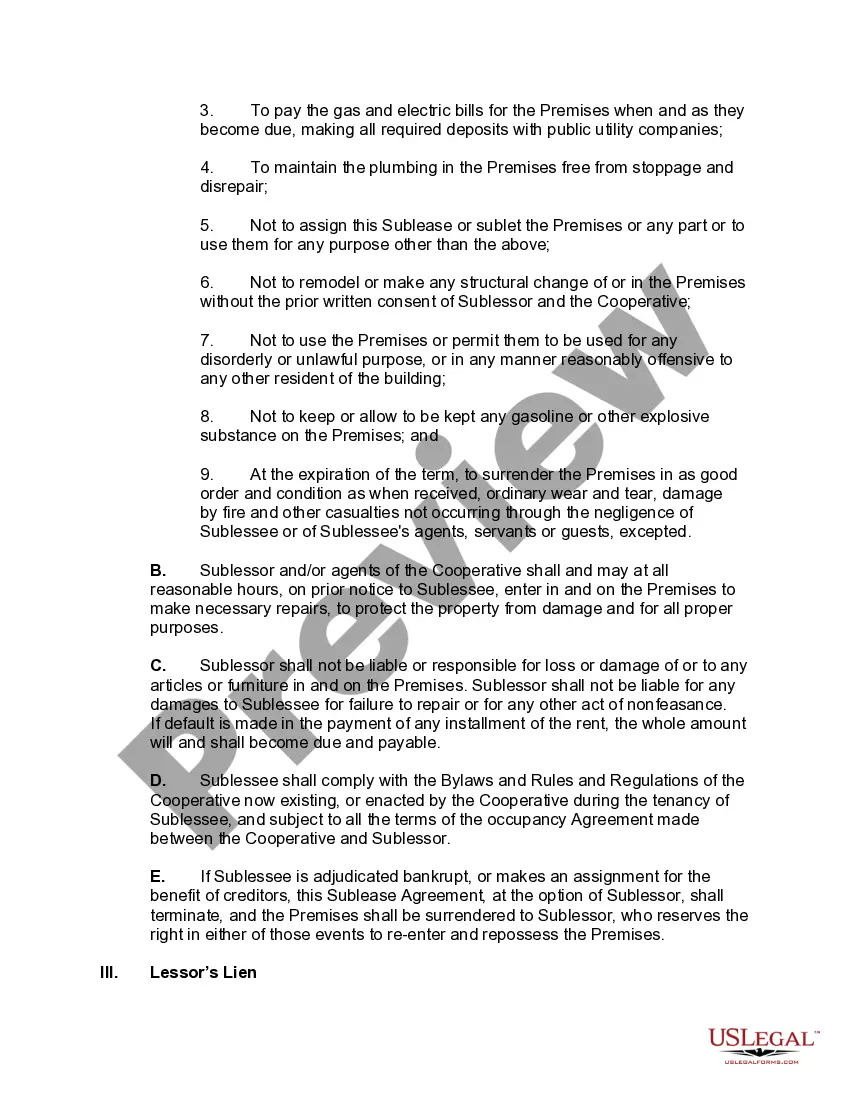
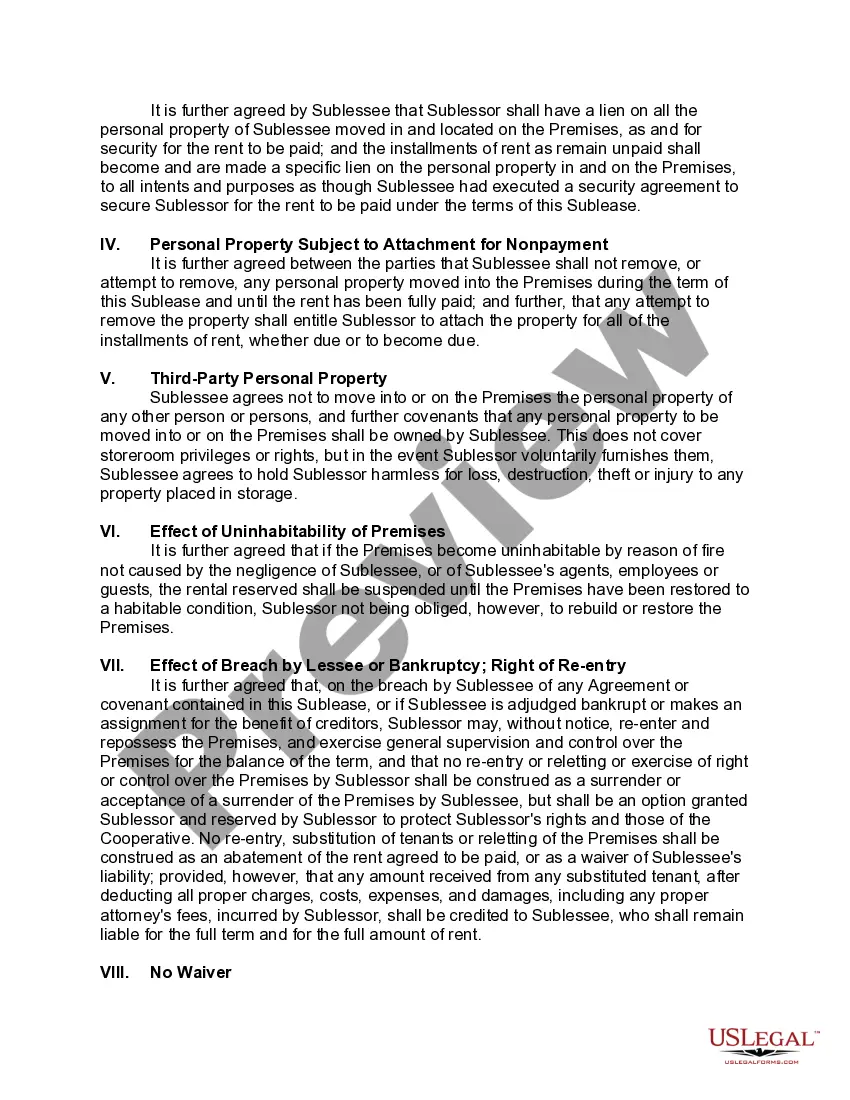
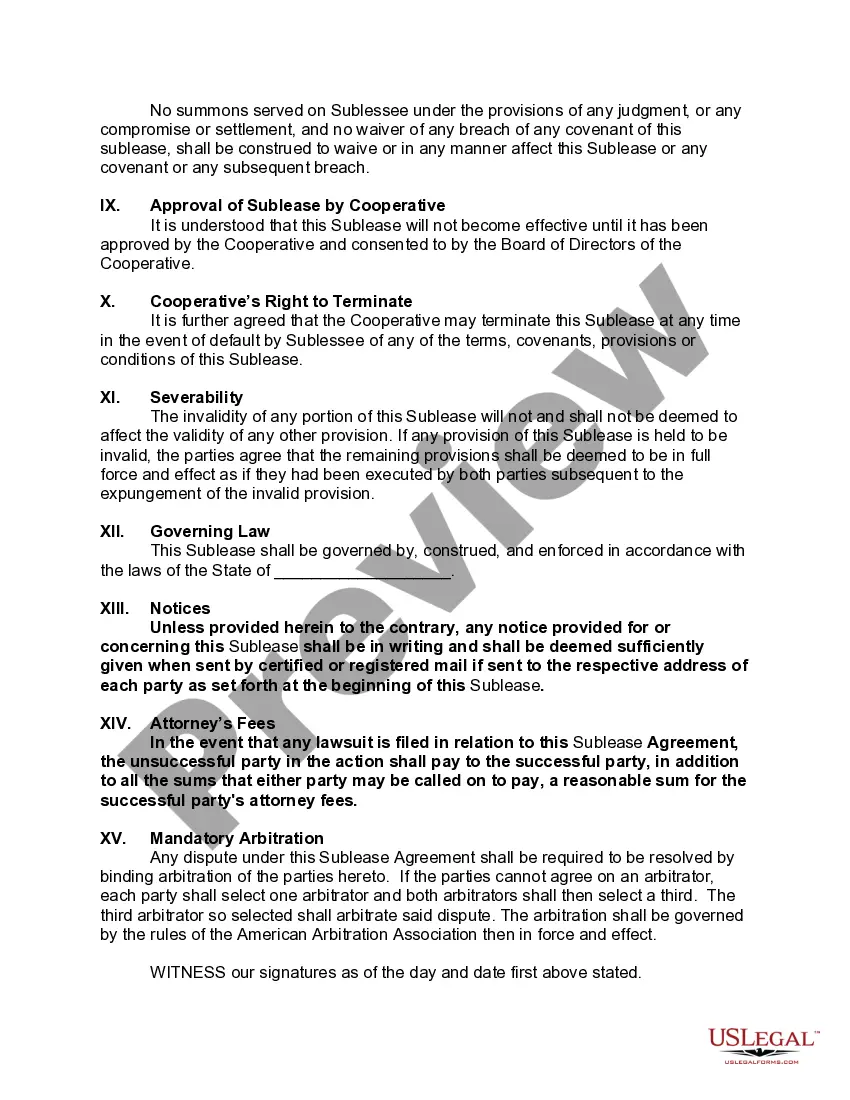
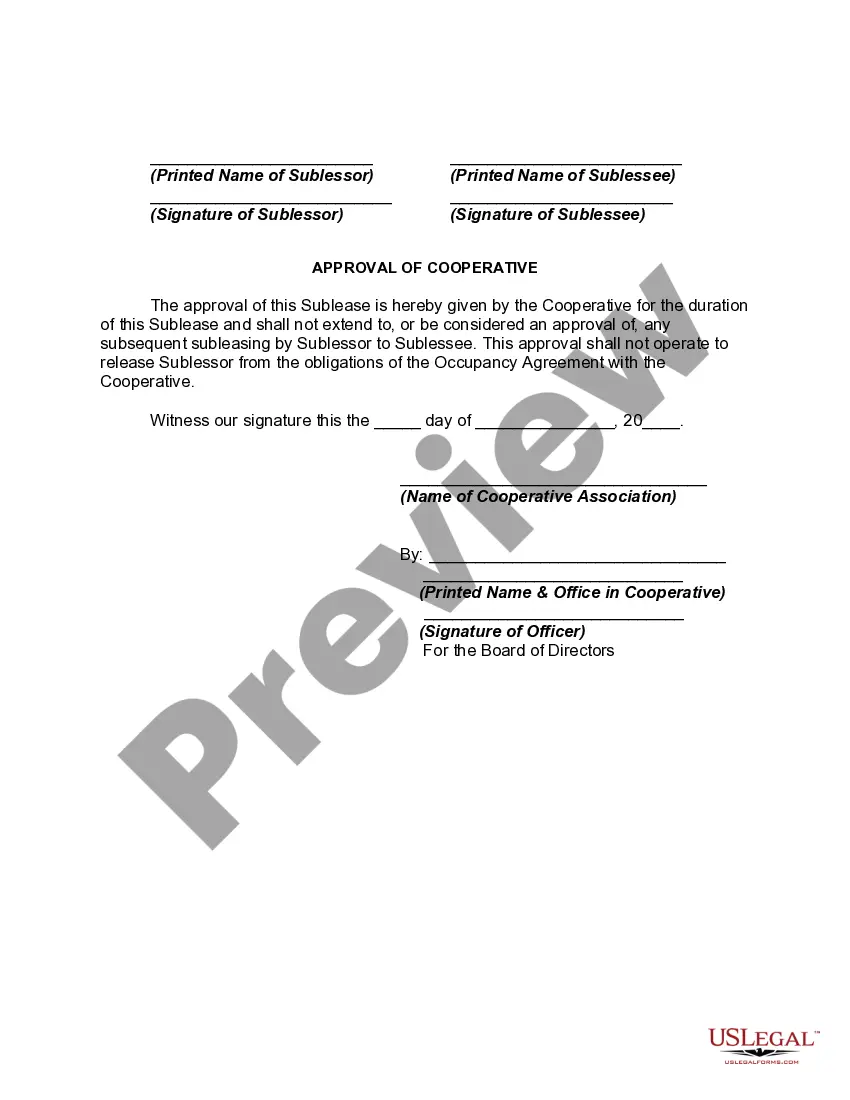

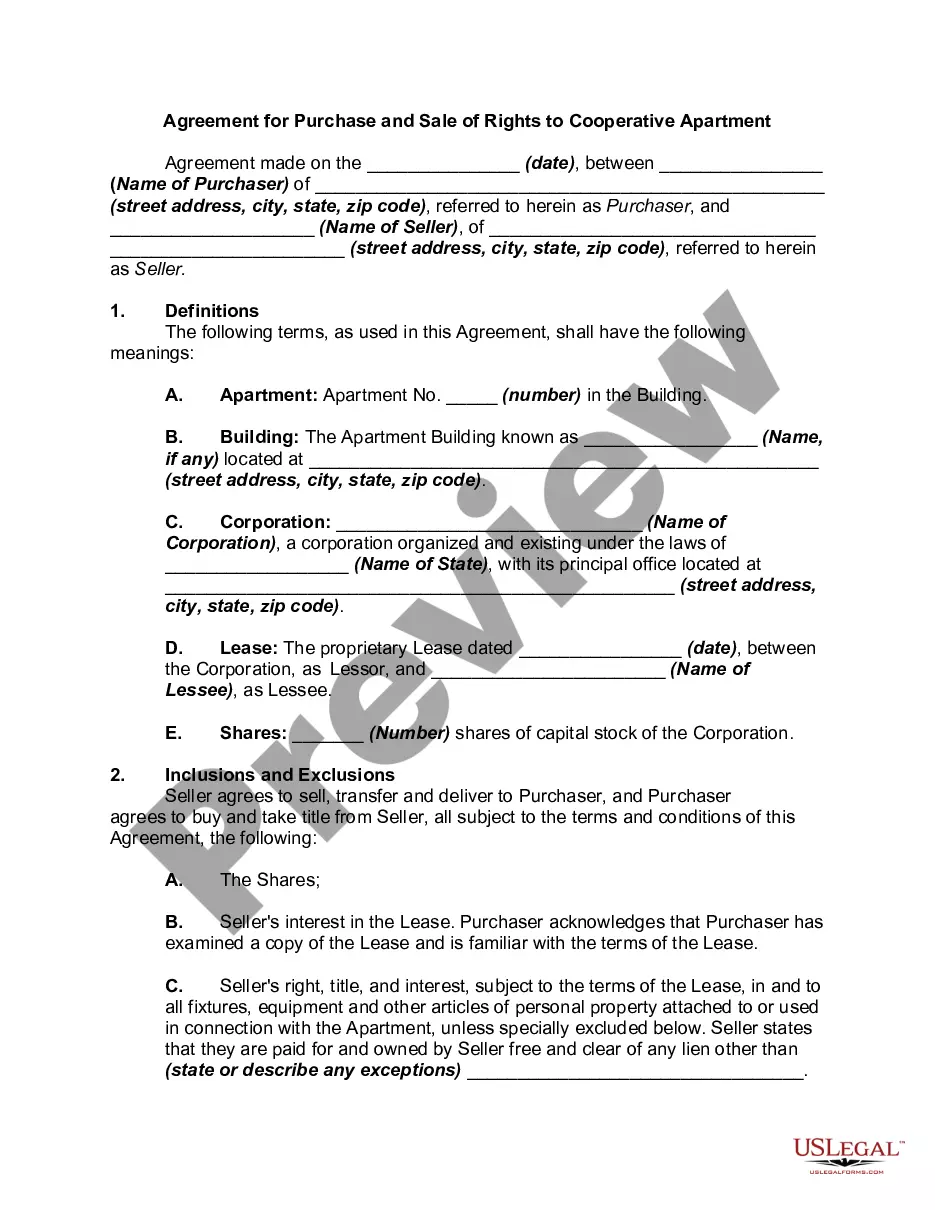
Get your form ready online
Our built-in tools help you complete, sign, share, and store your documents in one place.
Make edits, fill in missing information, and update formatting in US Legal Forms—just like you would in MS Word.
Download a copy, print it, send it by email, or mail it via USPS—whatever works best for your next step.
Sign and collect signatures with our SignNow integration. Send to multiple recipients, set reminders, and more. Go Premium to unlock E-Sign.
If this form requires notarization, complete it online through a secure video call—no need to meet a notary in person or wait for an appointment.
We protect your documents and personal data by following strict security and privacy standards.

Make edits, fill in missing information, and update formatting in US Legal Forms—just like you would in MS Word.

Download a copy, print it, send it by email, or mail it via USPS—whatever works best for your next step.

Sign and collect signatures with our SignNow integration. Send to multiple recipients, set reminders, and more. Go Premium to unlock E-Sign.

If this form requires notarization, complete it online through a secure video call—no need to meet a notary in person or wait for an appointment.

We protect your documents and personal data by following strict security and privacy standards.
Looking for another form?








Form popularity
FAQ
What are the most important steps for drafting a commercial lease agreement? Identify the parties and the property. Determine the rent and the term. Negotiate the improvements and the maintenance. Allocate the taxes and the insurance. Include the clauses and the contingencies. Review and sign the agreement.
The agreement should include the following: Full and correct names. Your company should be listed as the lessor and your customer as the lessee. List the rented-out equipment. Rental duration terms. Rental rate. Late charges. Security deposit. Equipment usage guidelines. Repair and replacement.
It is possible to draft your own lease agreement, but you are leaving yourself open to issues.
At the very least, a commercial lease should identify the parties to the lease, state who is the landlord and who is the tenant, give the address of the property, and include the amount of the rent.
A change of terms would require the approval of both parties (landlord and tenant). Some leases do contain a clause allowing the landlord to change the terms, but these are usually not true leases. If your agreement has a similar clause than either party may change the terms by giving notice.
What are the most important steps for drafting a commercial lease agreement? Identify the parties and the property. Determine the rent and the term. Negotiate the improvements and the maintenance. Allocate the taxes and the insurance. Include the clauses and the contingencies. Review and sign the agreement.
Once you've written out all the terms of your contract you can put it into a contract form by either using an online template or contacting a real estate attorney to help you draft the contract. A real estate attorney is the safe choice to make sure your contract follows local laws and will be legally binding.
There are no legal differences between typed and handwritten agreements when it comes to enforceability. When most people think of a contract, a formally typed, the professional contract usually comes to mind. Nonetheless, a handwritten contract can be as valid as one that's typed.
Any written or verbal agreement between two or more parties can be legally enforced in court. However, absent a legally binding document, accurately determining an oral agreement's terms could be challenging, especially if the parties' recollections or interpretations diverge significantly over time.
