Cooperative Agreement With In Florida
Description


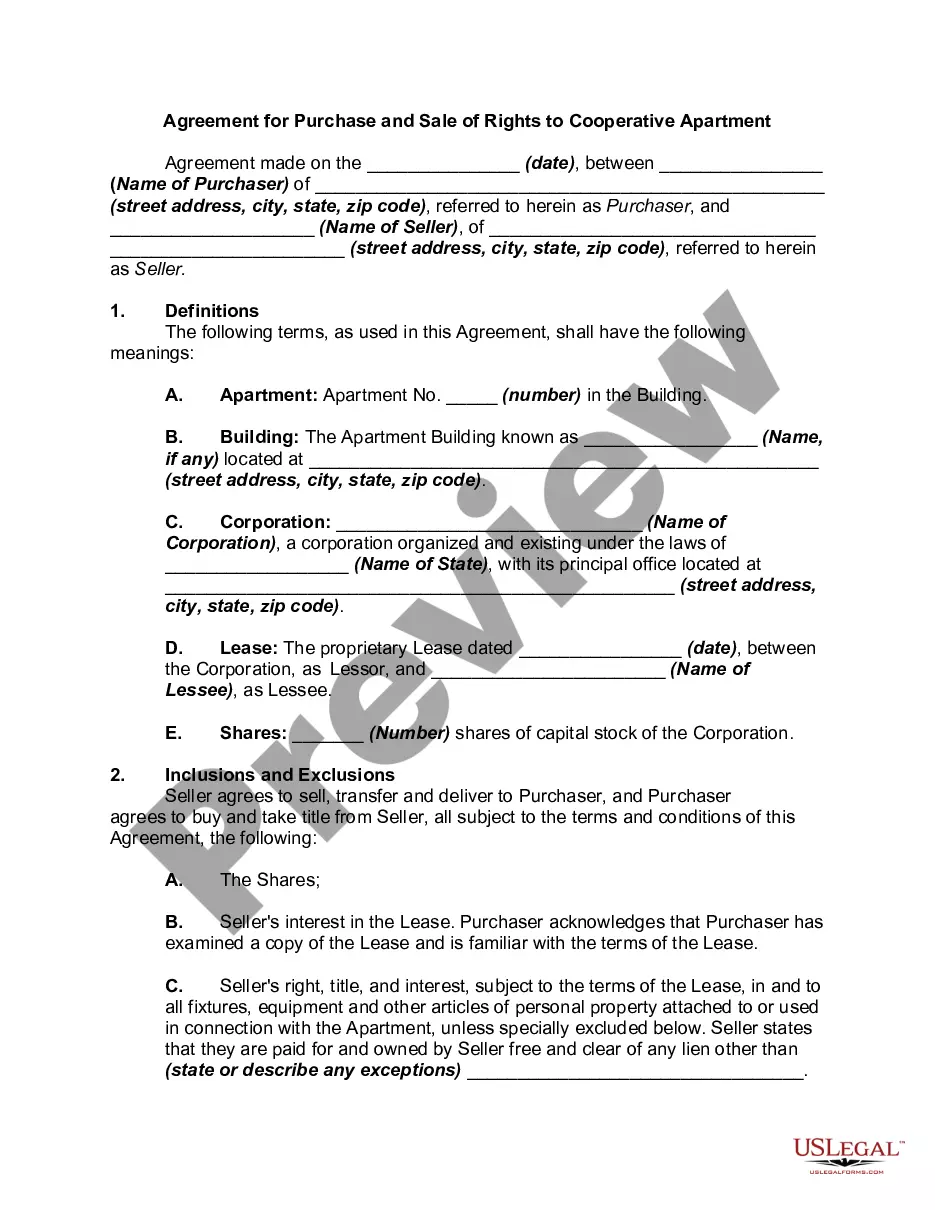
Get your form ready online
Our built-in tools help you complete, sign, share, and store your documents in one place.
Make edits, fill in missing information, and update formatting in US Legal Forms—just like you would in MS Word.
Download a copy, print it, send it by email, or mail it via USPS—whatever works best for your next step.
Sign and collect signatures with our SignNow integration. Send to multiple recipients, set reminders, and more. Go Premium to unlock E-Sign.
If this form requires notarization, complete it online through a secure video call—no need to meet a notary in person or wait for an appointment.
We protect your documents and personal data by following strict security and privacy standards.

Make edits, fill in missing information, and update formatting in US Legal Forms—just like you would in MS Word.

Download a copy, print it, send it by email, or mail it via USPS—whatever works best for your next step.

Sign and collect signatures with our SignNow integration. Send to multiple recipients, set reminders, and more. Go Premium to unlock E-Sign.

If this form requires notarization, complete it online through a secure video call—no need to meet a notary in person or wait for an appointment.

We protect your documents and personal data by following strict security and privacy standards.
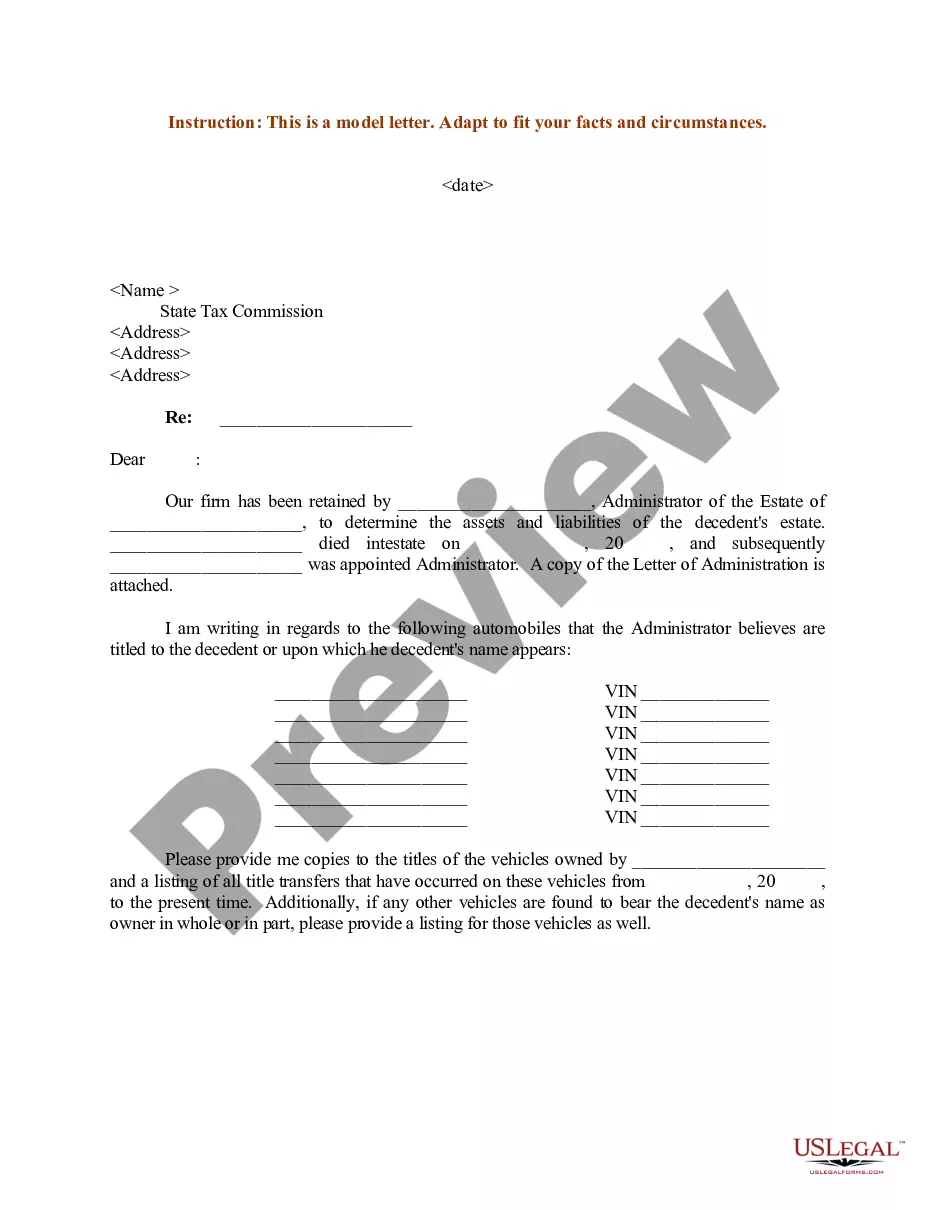
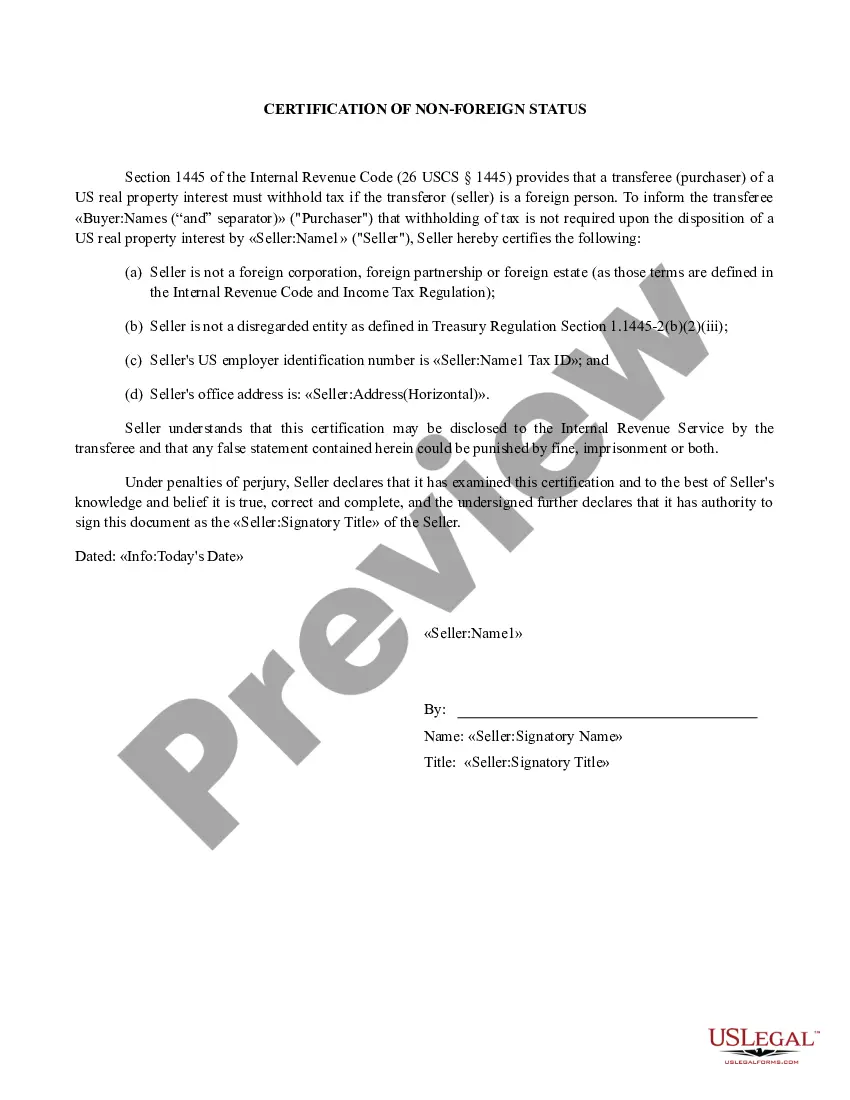
Looking for another form?







Form popularity
FAQ
Because no legal entity is created, generally one party cannot bind the other unless the agreement specifies otherwise.
Chapter 719 of the Florida Statutes governs cooperatives or "co-ops" in Florida. Cooperatives are a unique form of home ownership, different from condominiums, where individuals buy shares in a corporation that owns or controls the property, and they then lease their units from that corporation.
The Cooperation Agreement collects the following in one agreement which is the same across customers, consultancies and independent consultants: Terms of use of the Marketplace. General terms for assignments. Practical guidelines and duties while in an assignment (for example related to invoicing), and.
A binding, legally enforceable contract can be in writing or oral. Oral contracts are agreements that have been spoken, but not written. Depending on the nature of the transaction, certain types of contracts in Florida are required by law to be in writing in order to be enforceable.
Cooperation Agreements. Introduction. A Cooperation Agreement is a contract by which two or more parties commit to work together in one or more areas of business activity, usually regarding a specific product or business service.
Cooperation agreements define the legal basis for working with our partners. In a global framework, no organization can act efficiently alone. Cooperation is needed with other relevant institutions that are capable of providing additional assistance or knowledge.
For local and state contracts, register with Florida's Department of Management Services. For federal contracts, obtain a Unique Entity ID and register on the System for Award Management (SAM) website. Identify Suitable Opportunities: Stay updated on available opportunities through various platforms.
Florida Patient Brokering Act – § 817.505, Fla. – This is a state statute that prohibits compensated patient referrals and imposes criminal penalties for the same. A violation of the Act is a first-degree felony and it carries a mandatory $500,000 penalty.
(1) The driver of a vehicle shall not back the same unless such movement can be made with safety and without interfering with other traffic. (2) The driver of a vehicle shall not back the same upon any shoulder or roadway of any limited access facility.
