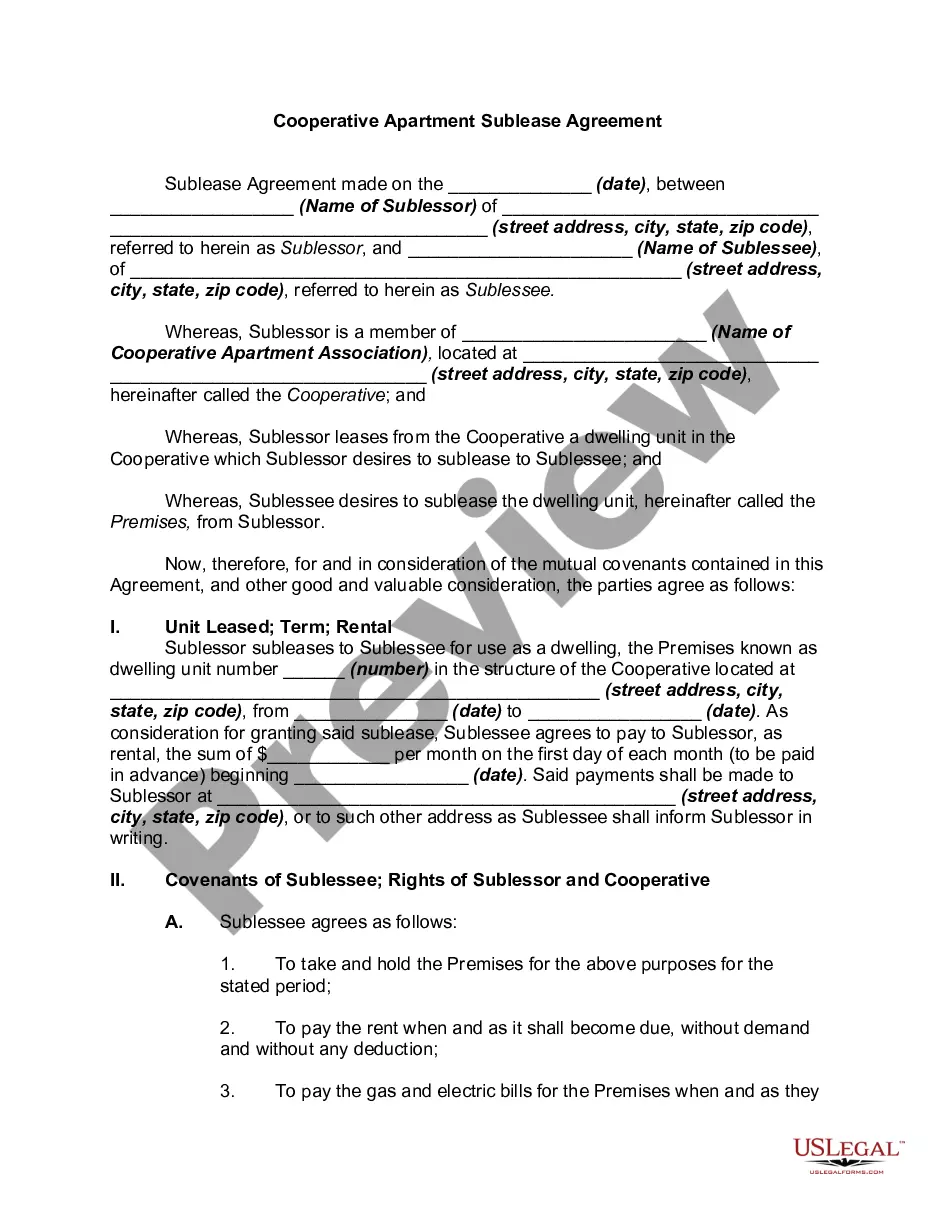
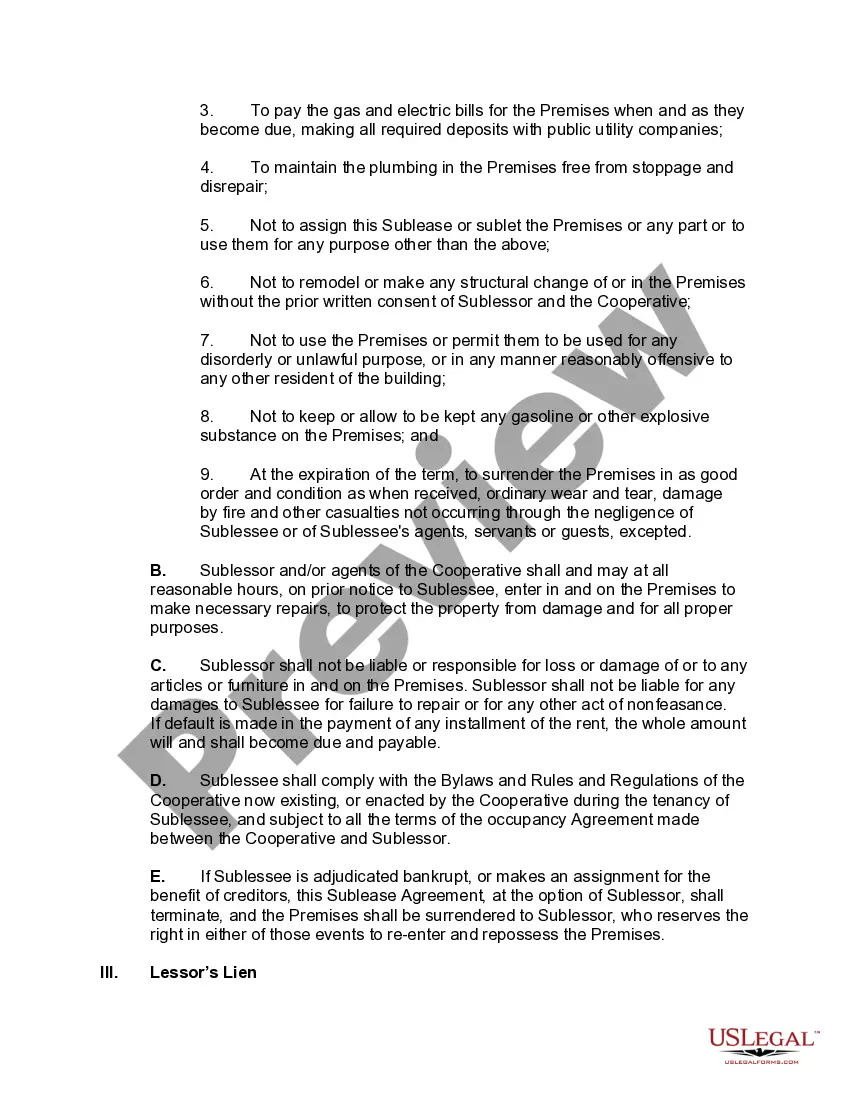
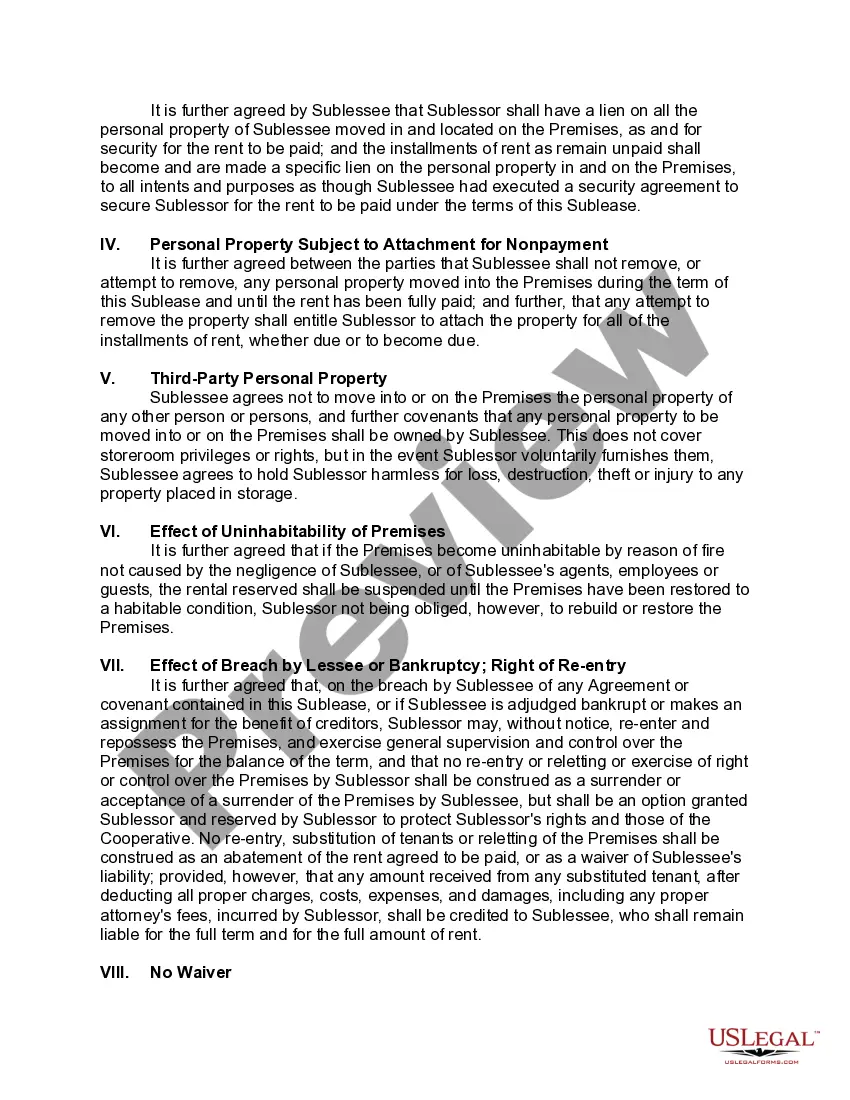
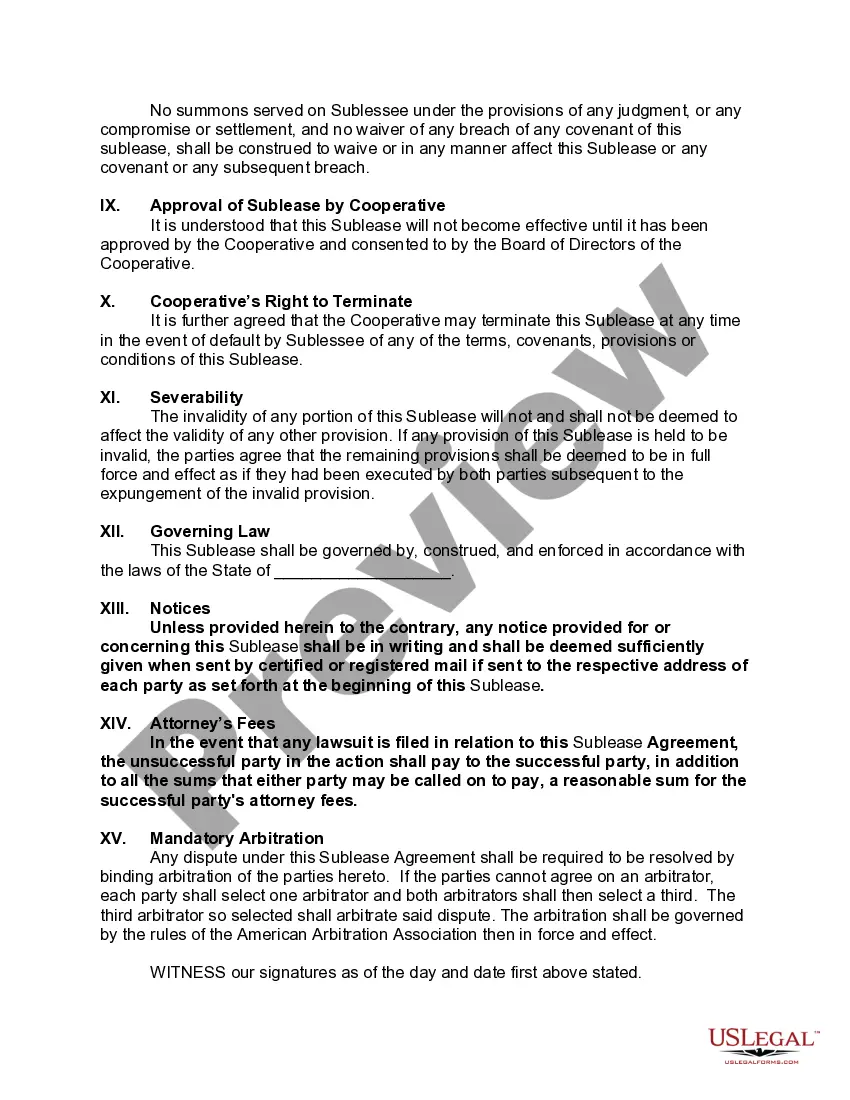
Cooperative Agreement With In Dallas
Description

Get your form ready online
Our built-in tools help you complete, sign, share, and store your documents in one place.
Make edits, fill in missing information, and update formatting in US Legal Forms—just like you would in MS Word.
Download a copy, print it, send it by email, or mail it via USPS—whatever works best for your next step.
Sign and collect signatures with our SignNow integration. Send to multiple recipients, set reminders, and more. Go Premium to unlock E-Sign.
If this form requires notarization, complete it online through a secure video call—no need to meet a notary in person or wait for an appointment.
We protect your documents and personal data by following strict security and privacy standards.

Make edits, fill in missing information, and update formatting in US Legal Forms—just like you would in MS Word.

Download a copy, print it, send it by email, or mail it via USPS—whatever works best for your next step.

Sign and collect signatures with our SignNow integration. Send to multiple recipients, set reminders, and more. Go Premium to unlock E-Sign.

If this form requires notarization, complete it online through a secure video call—no need to meet a notary in person or wait for an appointment.

We protect your documents and personal data by following strict security and privacy standards.
Looking for another form?







Form popularity
FAQ
A cooperative brokerage agreement is a type of contract that involves the listing broker and selling broker, and potentially a title company. In this case, the two brokers are splitting the commission from a property they both worked to sell.
A cooperating broker agreement is an agreement frequently used in the real estate industry. A cooperating broker is a broker who is not the listing broker. However, the cooperating broker finds a buyer for the listed property.
A cooperating broker agreement is an agreement frequently used in the real estate industry. A cooperating broker is a broker who is not the listing broker. However, the cooperating broker finds a buyer for the listed property.
Two or more organizations combine their requirements and solicit bids or offers for goods or services. One or more organizations represent their requirements and include an option for other organizations to “ride” or “bridge” the contract as awarded.
They can be apartment buildings, duplexes, townhomes and other traditional residential structures – but they operate under different rules. Co-ops are generally considered more affordable housing in major cities. However, their governing boards and bylaws typically place many restrictions on co-op owners' rights.
Cooperatives are business organizations owned and controlled by the patrons of the business, their primary aim being service to patrons and not profit to stockholders.
By definition, a co-op, or a “cooperative home,” is usually a multi-family piece of real estate in which a business holds the title to the property. The residents gain equity in the building by buying shares in that business. Co-op residents own a share of the property but not the deed to the property itself.
