Lease Agreement With Roommate In Broward
Description
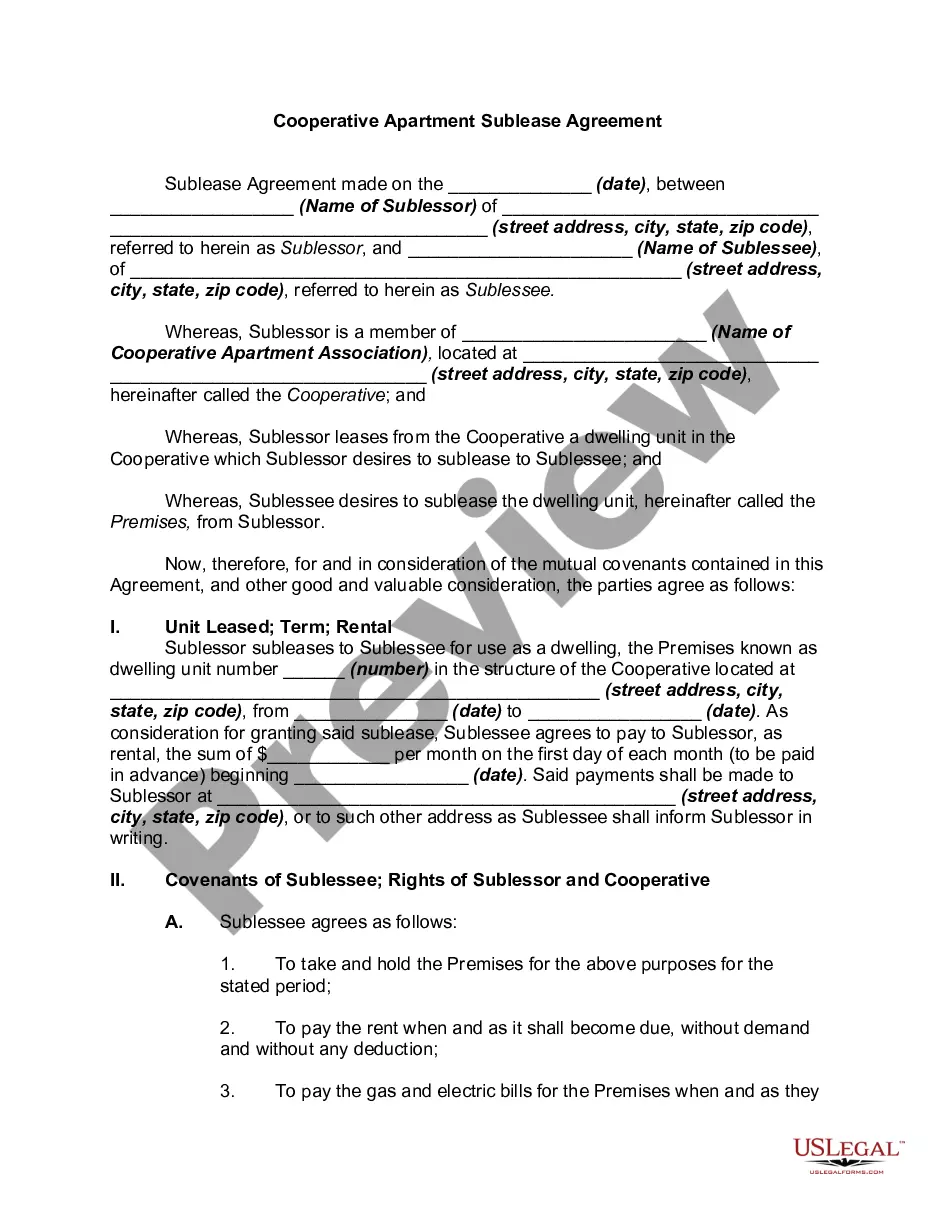
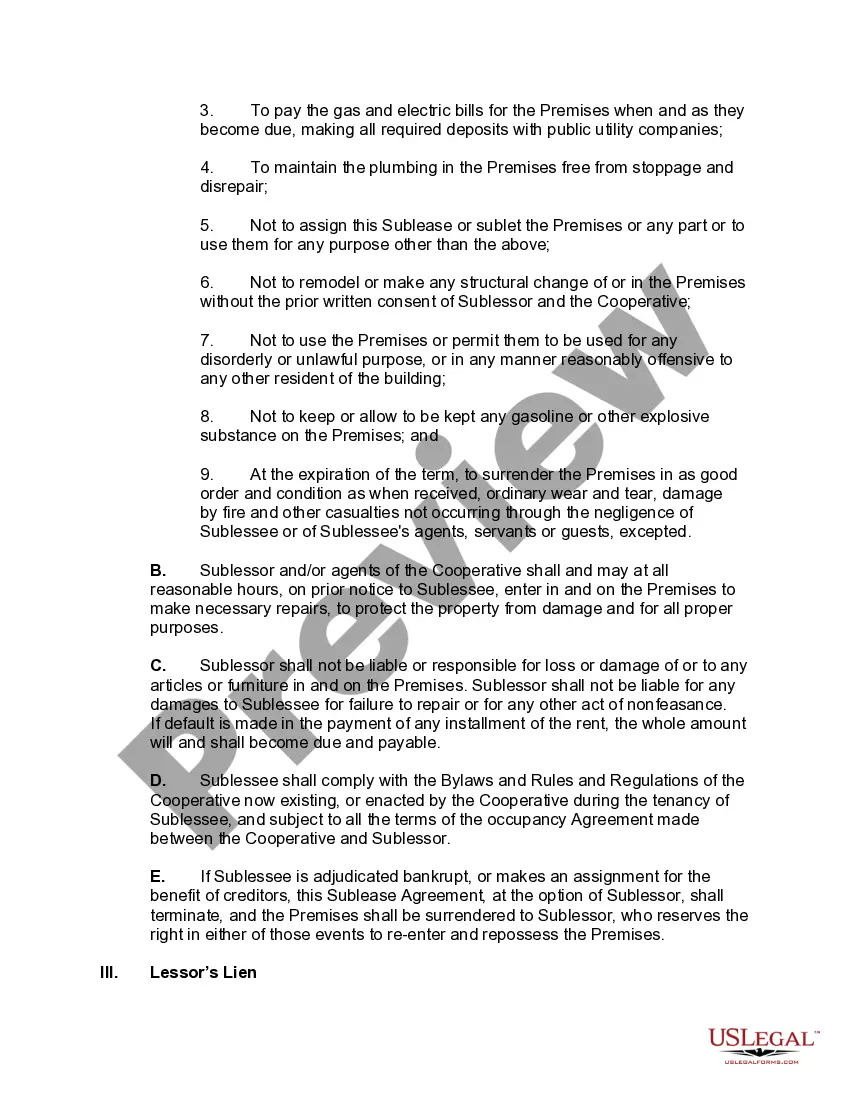
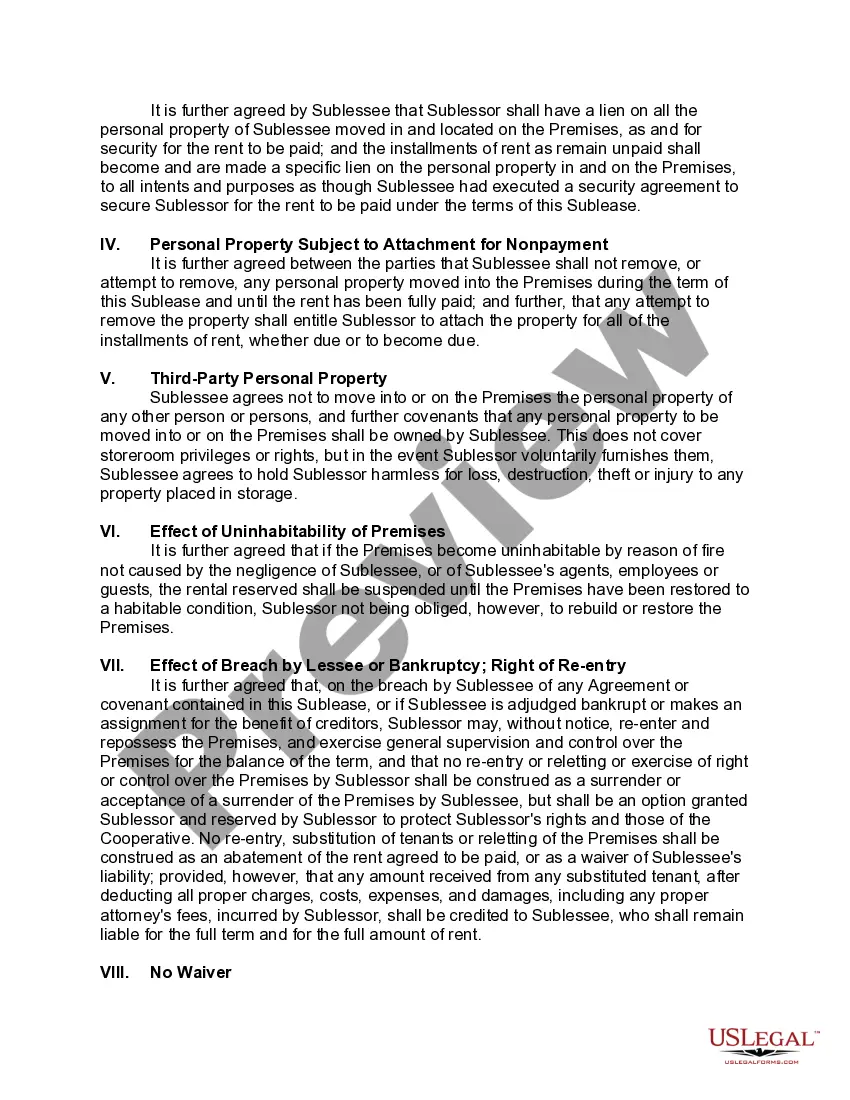
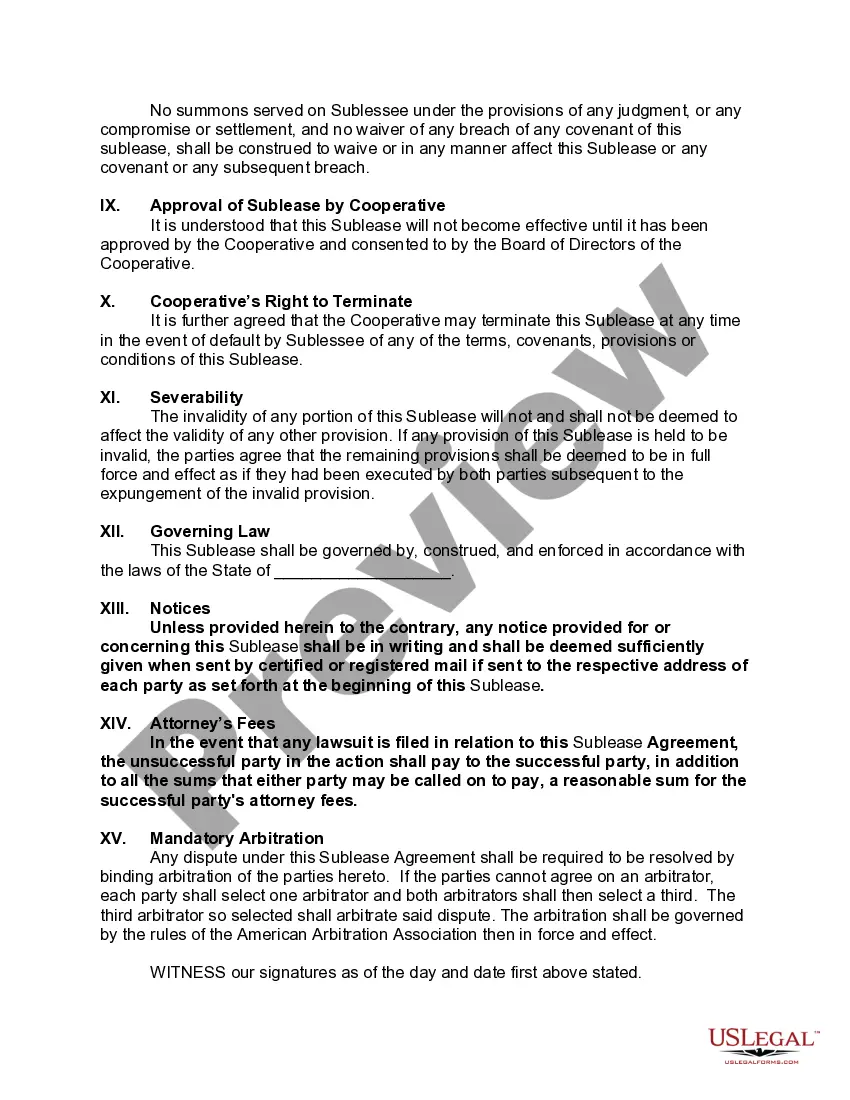
Get your form ready online
Our built-in tools help you complete, sign, share, and store your documents in one place.
Make edits, fill in missing information, and update formatting in US Legal Forms—just like you would in MS Word.
Download a copy, print it, send it by email, or mail it via USPS—whatever works best for your next step.
Sign and collect signatures with our SignNow integration. Send to multiple recipients, set reminders, and more. Go Premium to unlock E-Sign.
If this form requires notarization, complete it online through a secure video call—no need to meet a notary in person or wait for an appointment.
We protect your documents and personal data by following strict security and privacy standards.

Make edits, fill in missing information, and update formatting in US Legal Forms—just like you would in MS Word.

Download a copy, print it, send it by email, or mail it via USPS—whatever works best for your next step.

Sign and collect signatures with our SignNow integration. Send to multiple recipients, set reminders, and more. Go Premium to unlock E-Sign.

If this form requires notarization, complete it online through a secure video call—no need to meet a notary in person or wait for an appointment.

We protect your documents and personal data by following strict security and privacy standards.
Looking for another form?
Form popularity
FAQ
What do I include in a Roommate Agreement? Information about the property, roommates, and original lease. Term or length of the agreement. Rent responsibilities. Security deposit details. Responsibilities for utilities and household costs. House rules, roommate duties, and restrictions. Rules for termination of tenancy.
Here are 16 steps on how to make a lease agreement: Include the contact information of both parties. Include property details. Outline property utilities and services. Define the lease term. Disclose the monthly rent amount and due date. Detail the penalties and late fees. Describe any additional or services fees.
That is entirely up to the landlord whether they want all adults listed on the lease, or whether they allow someone to simply be an occupant.
It is possible to draft your own lease agreement, but you are leaving yourself open to issues.
The roommate agreement is between roommates and doesn't involve the landlord, while a lease is between one or more roommates and the landlord. Roommate agreements are essential in situations where your roommate decides to move out while the lease is in effect.
Landlords usually ask each roommate to sign the lease unless they are a subtenant or an occupant. However, only the tenants on the lease are liable for any damages to the suite. Allowing roommates to stay on the property without the landlord's permission could also be grounds for eviction.
Yes, when signed, it becomes a legally binding agreement between roommates.
The roommate agreement is between roommates and doesn't involve the landlord, while a lease is between one or more roommates and the landlord. Roommate agreements are essential in situations where your roommate decides to move out while the lease is in effect.
That is entirely up to the landlord whether they want all adults listed on the lease, or whether they allow someone to simply be an occupant.
Standard roommate agreements are legally binding, and you can tailor them to your specific situation. Their contents can include: Names of both tenants. Specify whether you're co-tenants on the lease, or whether you're the primary tenant and the other is a roommate.