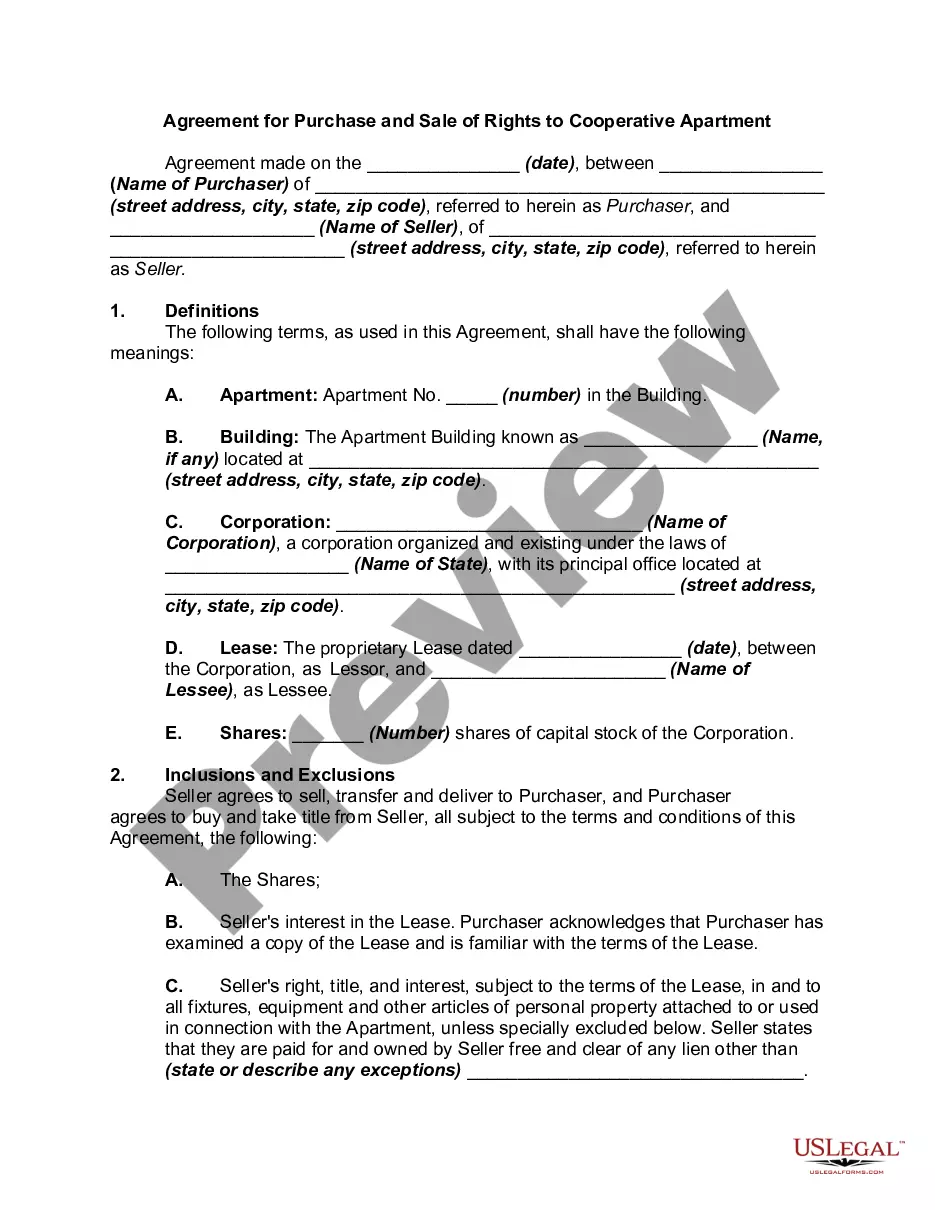
Cooperative Agreement Form Real Estate In Bronx
Description

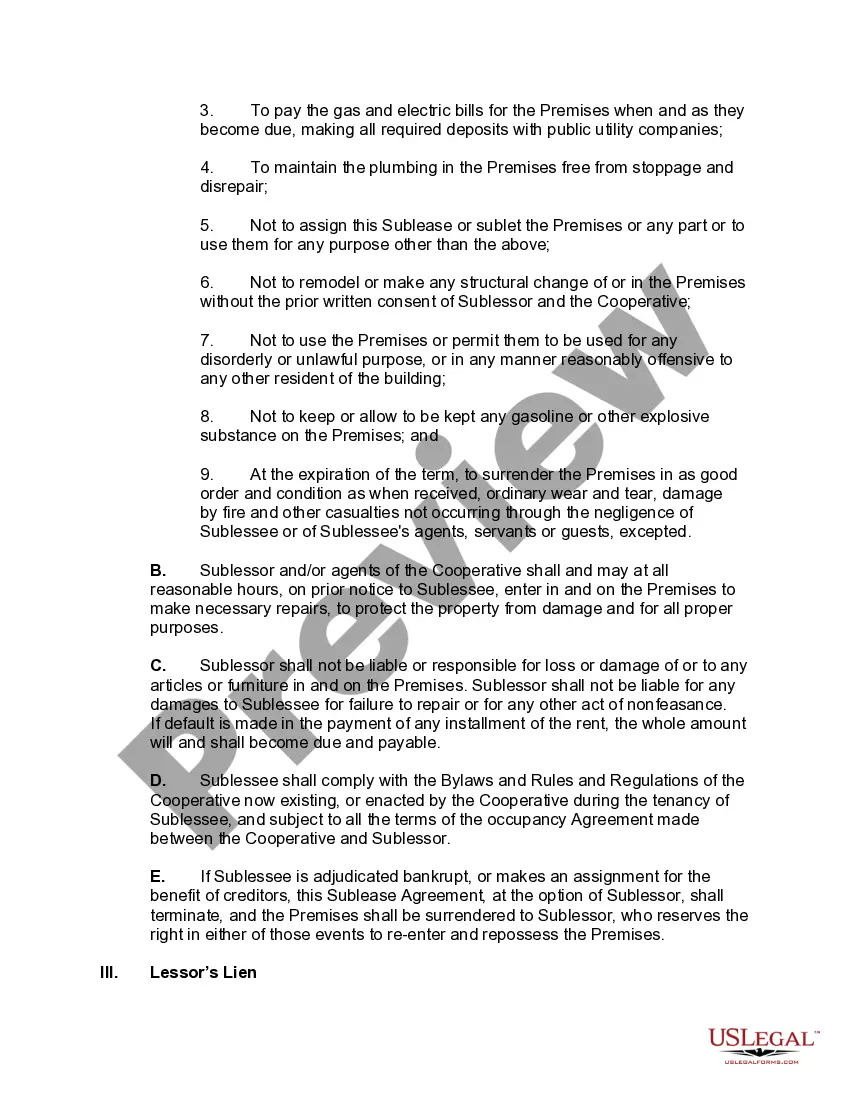
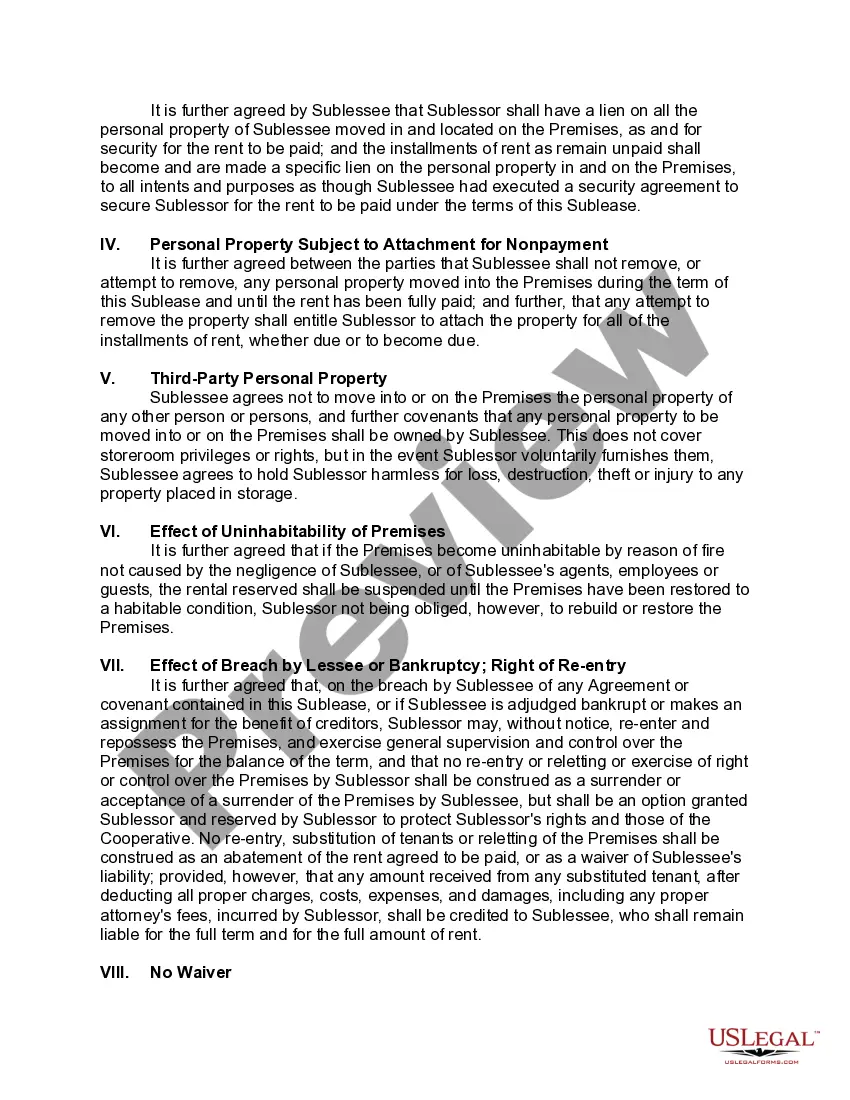
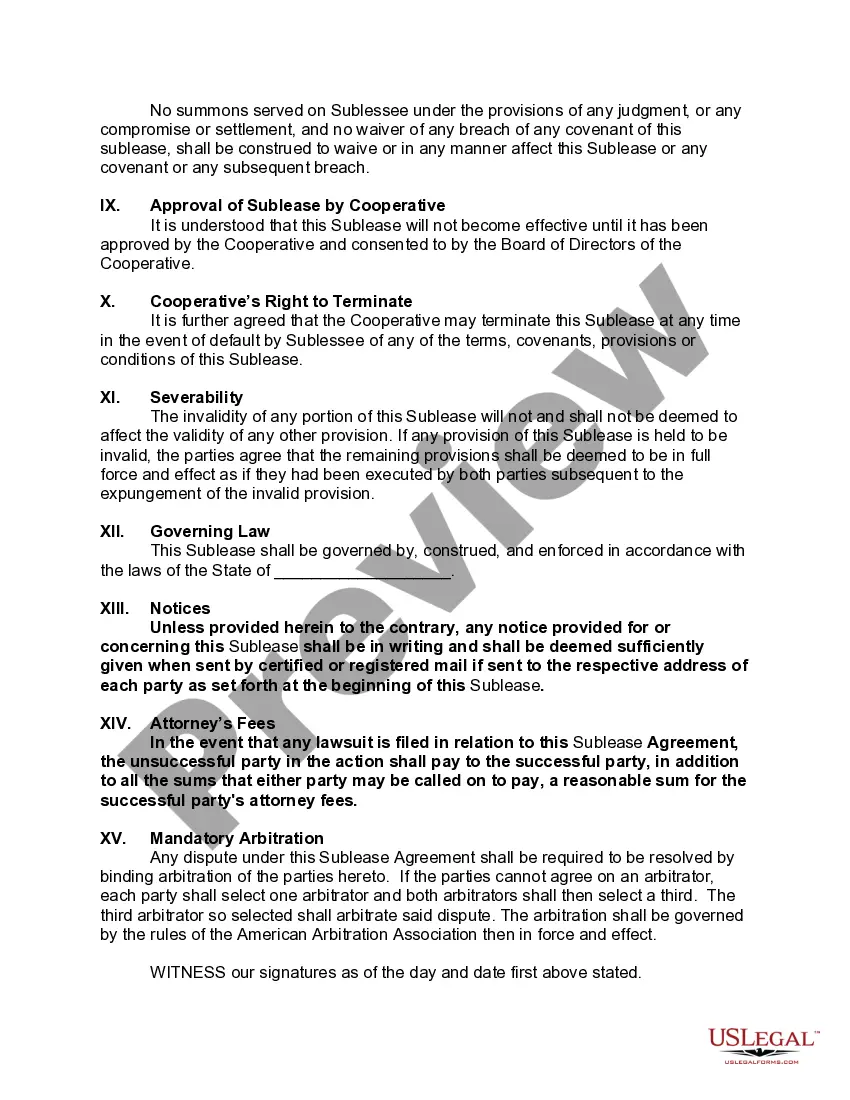
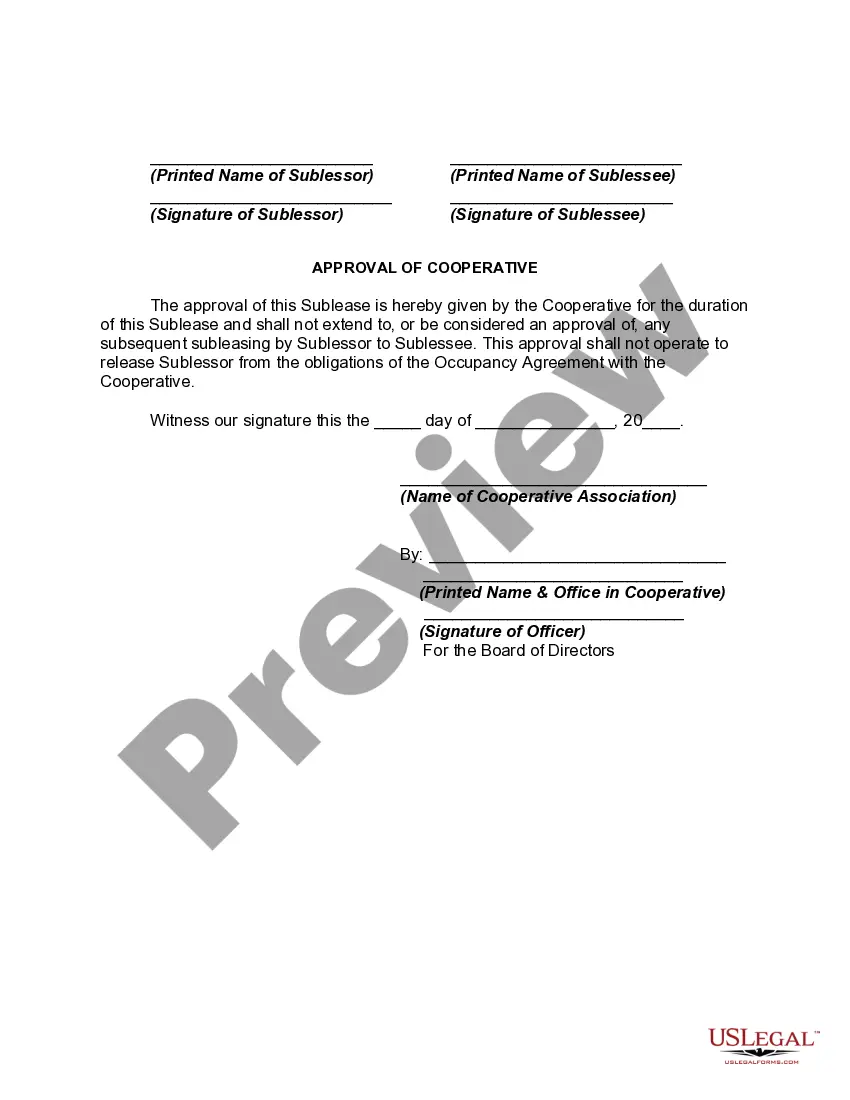

Get your form ready online
Our built-in tools help you complete, sign, share, and store your documents in one place.
Make edits, fill in missing information, and update formatting in US Legal Forms—just like you would in MS Word.
Download a copy, print it, send it by email, or mail it via USPS—whatever works best for your next step.
Sign and collect signatures with our SignNow integration. Send to multiple recipients, set reminders, and more. Go Premium to unlock E-Sign.
If this form requires notarization, complete it online through a secure video call—no need to meet a notary in person or wait for an appointment.
We protect your documents and personal data by following strict security and privacy standards.

Make edits, fill in missing information, and update formatting in US Legal Forms—just like you would in MS Word.

Download a copy, print it, send it by email, or mail it via USPS—whatever works best for your next step.

Sign and collect signatures with our SignNow integration. Send to multiple recipients, set reminders, and more. Go Premium to unlock E-Sign.

If this form requires notarization, complete it online through a secure video call—no need to meet a notary in person or wait for an appointment.

We protect your documents and personal data by following strict security and privacy standards.
Looking for another form?



Form popularity
FAQ
A cooperating broker agreement is an agreement frequently used in the real estate industry. A cooperating broker is a broker who is not the listing broker. However, the cooperating broker finds a buyer for the listed property.
What is a co-op in New York City? Co-op is short for “cooperative.” When you buy a co-op apartment, you are actually buying shares in a corporation that owns the building. That might sound strange given a co-op listing advertises a specific apartment but technically, the buyer is purchasing shares.
General answer: Your question asks, generally, why co-ops in New York are relatively inexpensive. If you mean why they're less expensive than condos, or owning a house outright, the answer is that co-ops by their very nature transfer certain property rights from you (the owner) to the co-op (your neighbors).
"Co-ops are a smart choice for those who value stability and want to plant roots in a building. Simply ask yourself, 'Am I in it for the long haul? ' Co-ops are much less transient than condos, so they're a great place to live if you want to get to know your neighbors.
In a cooperative (co-op), a purchaser buys shares in a corporation. Those shares are allocated to a specific apartment. Ownership of the shares entitles the purchaser to a long-term proprietary lease for the apartment.
It varies depending on the building and location, but it generally takes around two to three months to buy a NYC co-op apartment. Co-ops in Manhattan are usually stricter when it comes to their requirements while buying a co-op in another borough will likely mean a shorter time frame.
Cons In some areas, the monthly fees associated with co-op ownership can be more expensive than renting. Living in a co-op means following the bylaws set and enforced by your board of directors. You must undergo and pass the approval process with the board of directors.
"Co-ops are a smart choice for those who value stability and want to plant roots in a building. Simply ask yourself, 'Am I in it for the long haul? ' Co-ops are much less transient than condos, so they're a great place to live if you want to get to know your neighbors.
