Angel Term Form For Llc In San Antonio
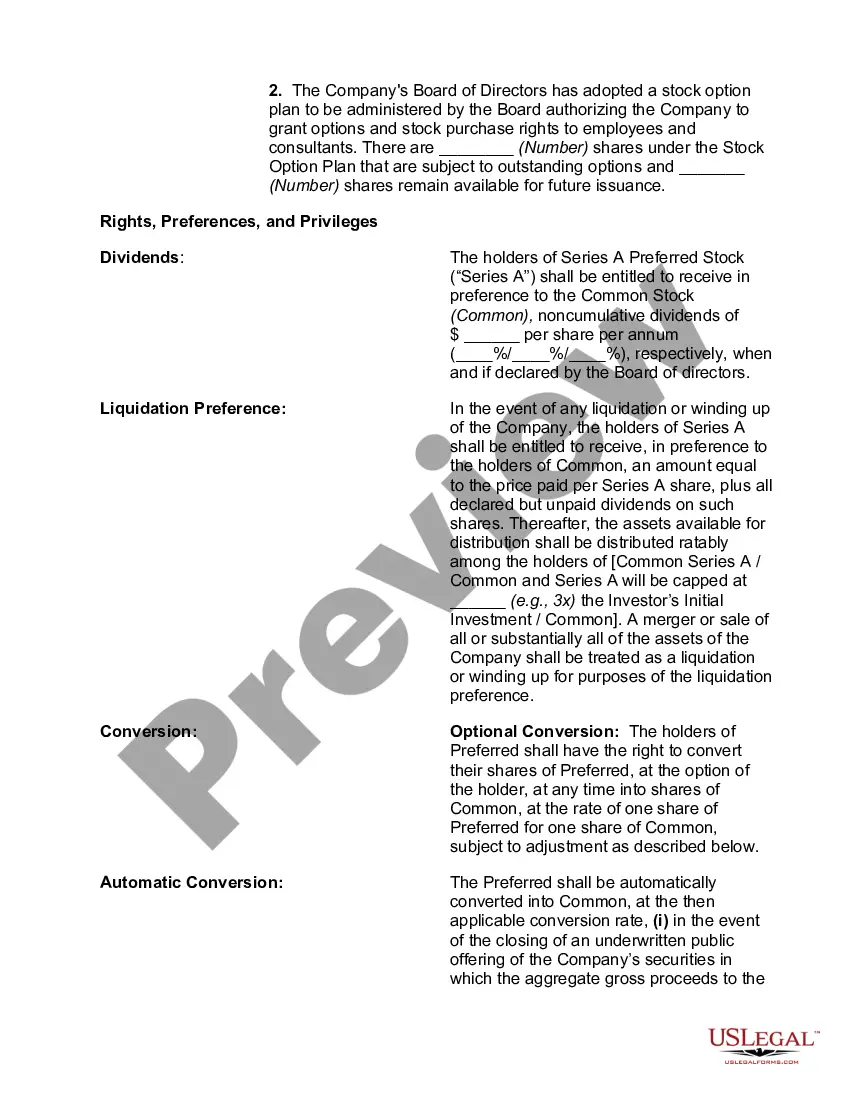
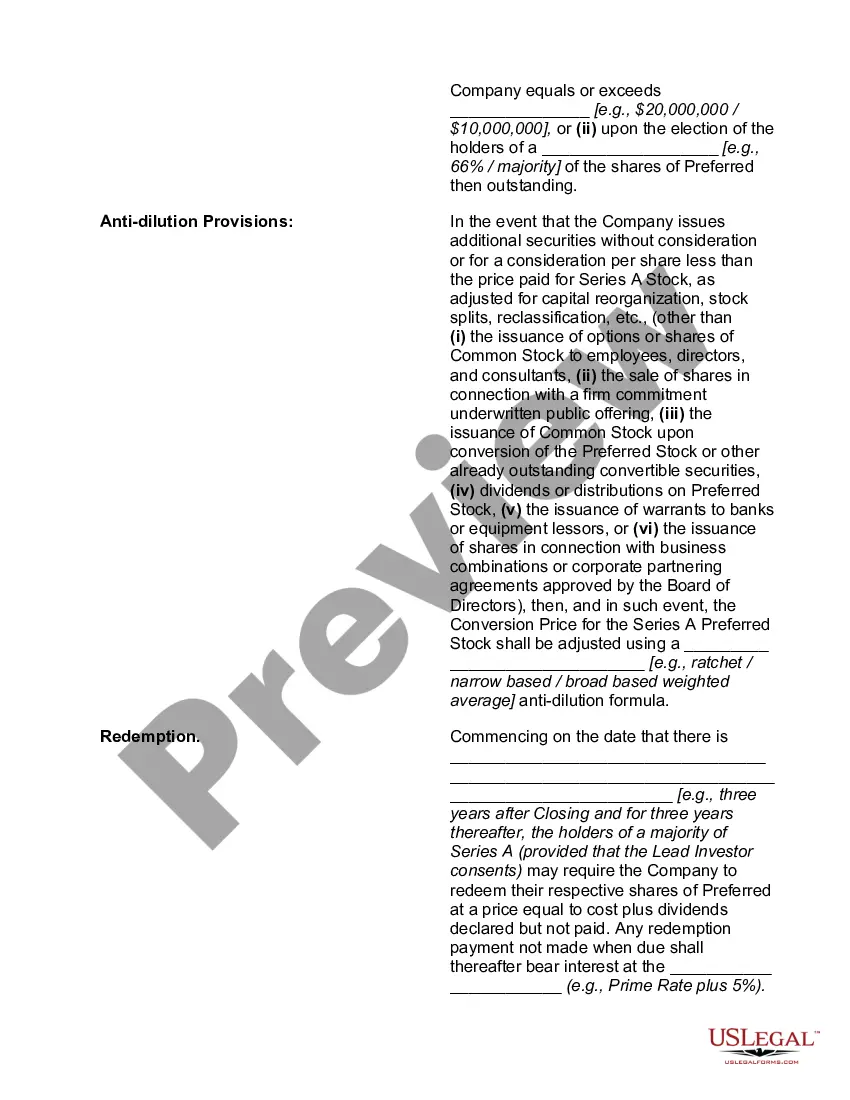
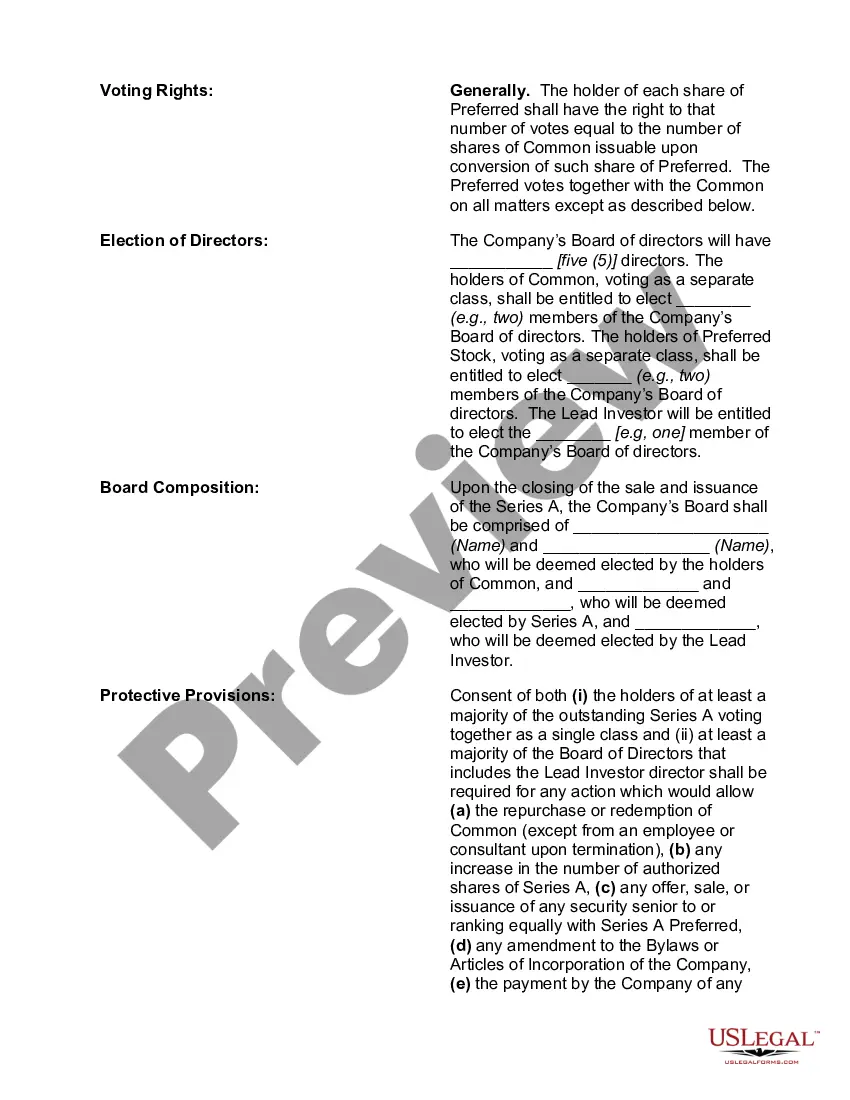
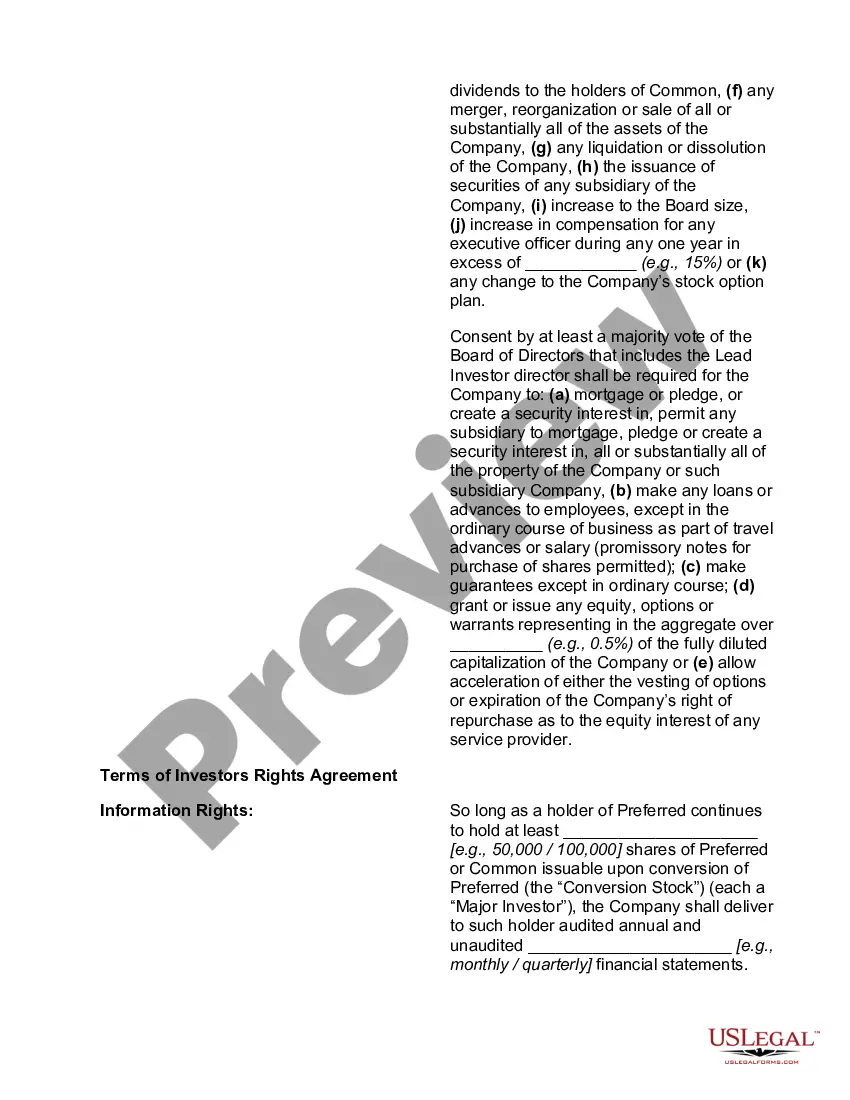
Description

Get your form ready online
Our built-in tools help you complete, sign, share, and store your documents in one place.
Make edits, fill in missing information, and update formatting in US Legal Forms—just like you would in MS Word.
Download a copy, print it, send it by email, or mail it via USPS—whatever works best for your next step.
Sign and collect signatures with our SignNow integration. Send to multiple recipients, set reminders, and more. Go Premium to unlock E-Sign.
If this form requires notarization, complete it online through a secure video call—no need to meet a notary in person or wait for an appointment.
We protect your documents and personal data by following strict security and privacy standards.

Make edits, fill in missing information, and update formatting in US Legal Forms—just like you would in MS Word.

Download a copy, print it, send it by email, or mail it via USPS—whatever works best for your next step.

Sign and collect signatures with our SignNow integration. Send to multiple recipients, set reminders, and more. Go Premium to unlock E-Sign.

If this form requires notarization, complete it online through a secure video call—no need to meet a notary in person or wait for an appointment.

We protect your documents and personal data by following strict security and privacy standards.
Looking for another form?






Form popularity
FAQ
How to start an LLC in Texas Step 1: Name Your LLC. The first step to starting an LLC in Texas is to name your LLC. Step 2: Registered Agent. The state of Texas has two requirements for registered agents. Step 3: Get an EIN. Step 4: Operating Agreement. Step 5: File a Certificate of Formation. Step 6: Annual Reports.
The Certificate of Dissolution puts all on notice that the LLC has elected to wind up the business of the LLC and is in the process of paying liabilities and distributing assets. In order to terminate the LLC, the LLC also must file a Certificate of Cancellation (Form LLC-4/7).
Written by Zachary Copp, Esq. It can be beneficial to hire an experienced attorney to ensure proper LLC formation and compliance with relevant laws, however, a lawyer is not required to draft or submit Texas LLC formation paperwork.
LLCs must list the name and address of a registered agent with a physical address (no post office boxes) in Texas. The registered agent must be available during normal business hours to accept important legal and tax documents for the business.
Benefits of Starting an LLC in Texas There are quite a few benefits to forming a Texas LLC. Whether you're seeking a lower tax burden, access to business capital, or personal asset protection, a limited liability company might be a good fit for your needs.
How to Get a Certificate of Formation Go to your Secretary of State page to find out filing requirements. Gather all the information you need to complete the Certificate of Formation document. Complete the Certificate of Formation application. Follow up on filing with the state government.
What are the Steps to Starting an LLC in Texas? Step 1: Name Your Texas LLC. Step 2: Designate a Registered Agent. Step 3: File Articles of Organization (or similar document) ... Step 4: Receive a Certificate From the State. Step 5: Create an Operating Agreement. Step 6: Get an Employer Identification Number.
Texas LLCs taxed as S-corp Both LLCs and corporations can elect S-corp tax classification by filing Form 8832 with the IRS. S-corps are considered pass-through entities, like default status LLCs, meaning the profits and losses are passed onto the members or shareholders.
