Notice Of Discovery \u0026amp; Specific Demand For Information In Santa Clara
Description



Form popularity
FAQ
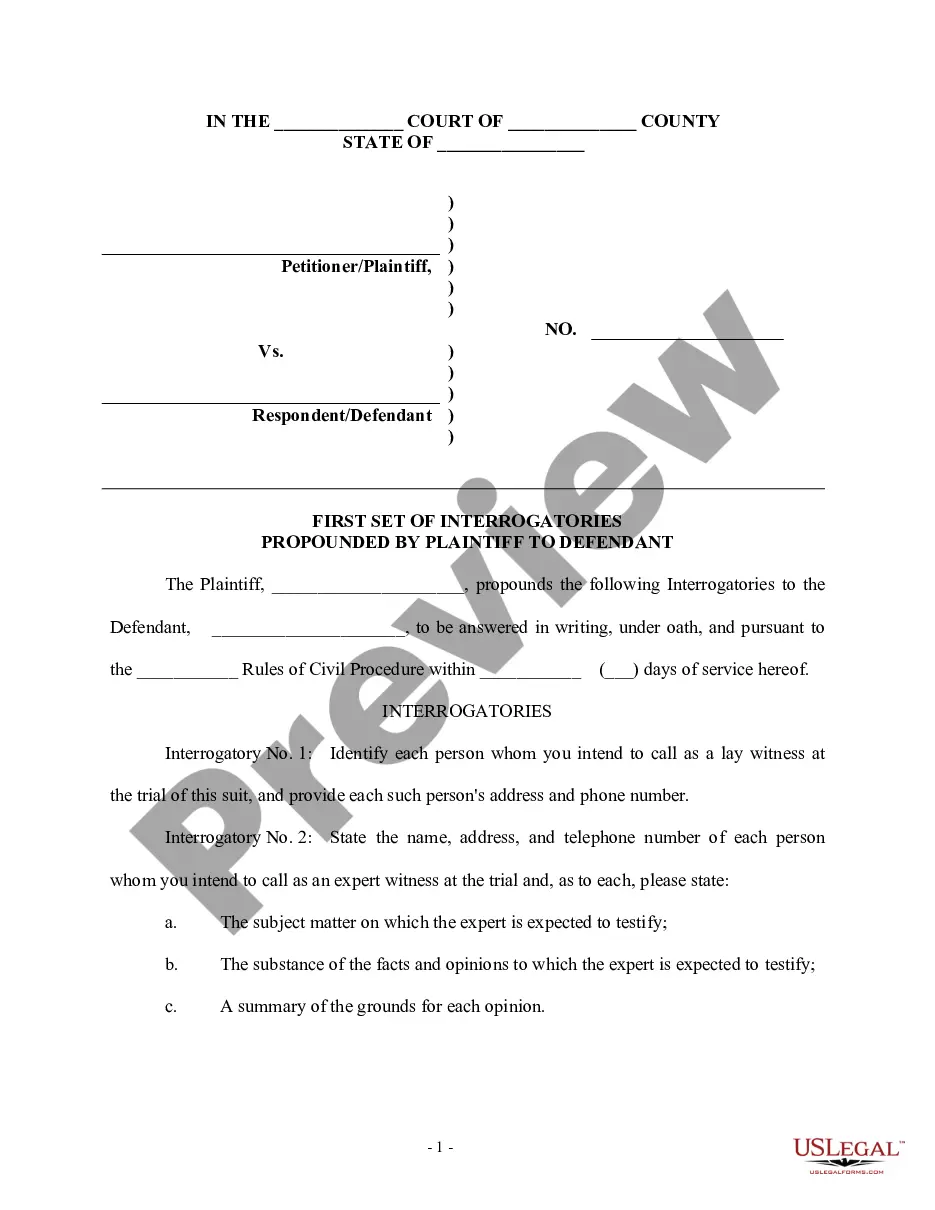
A party or other person may serve documents electronically directly, by an agent, or through a designated electronic filing service provider.
You can use Proof of Service by First Class Mail (form POS-030). It helps if you fill in the top part of the form with the case and court information. Your server can then fill in the information about how, when, and where they served the papers. Your server must then sign the form.
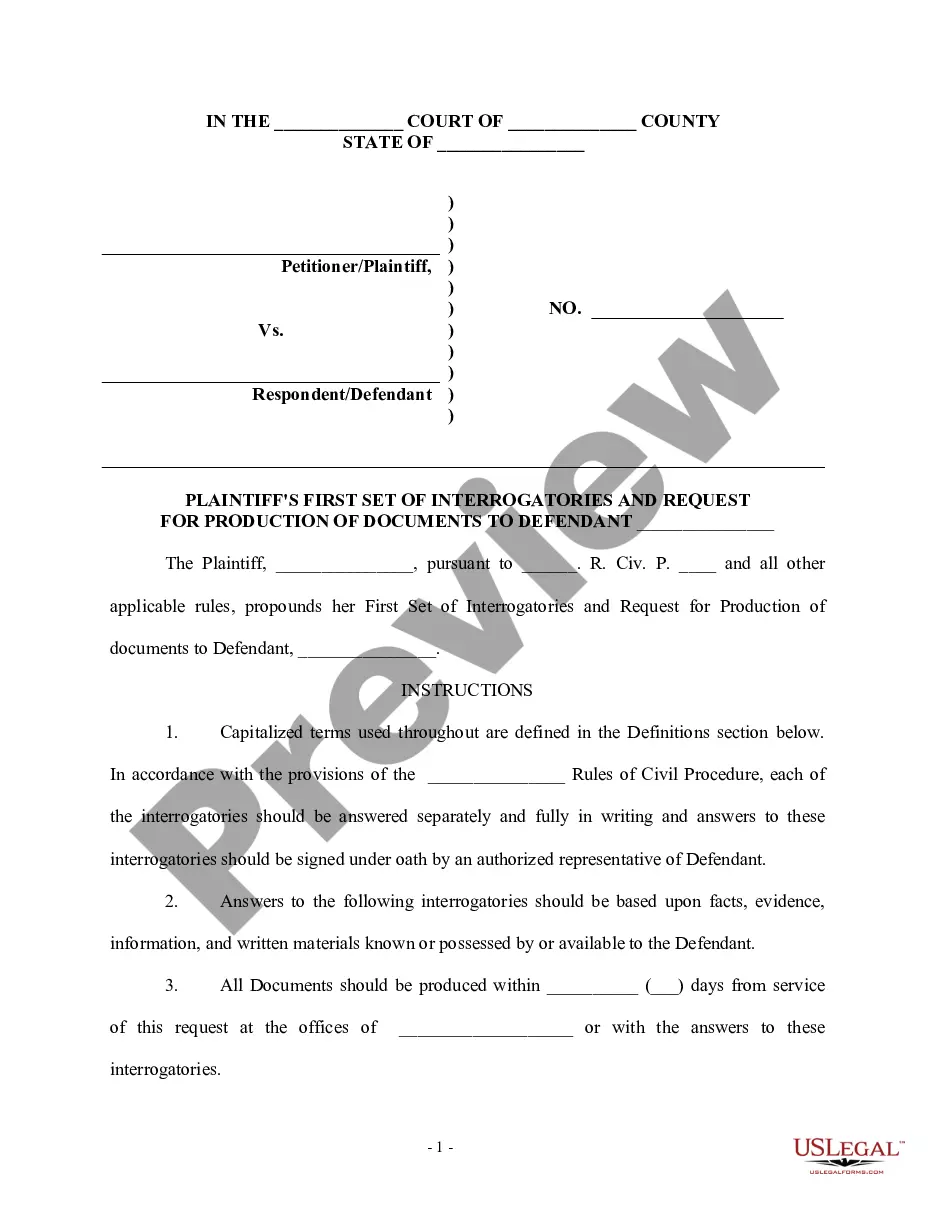
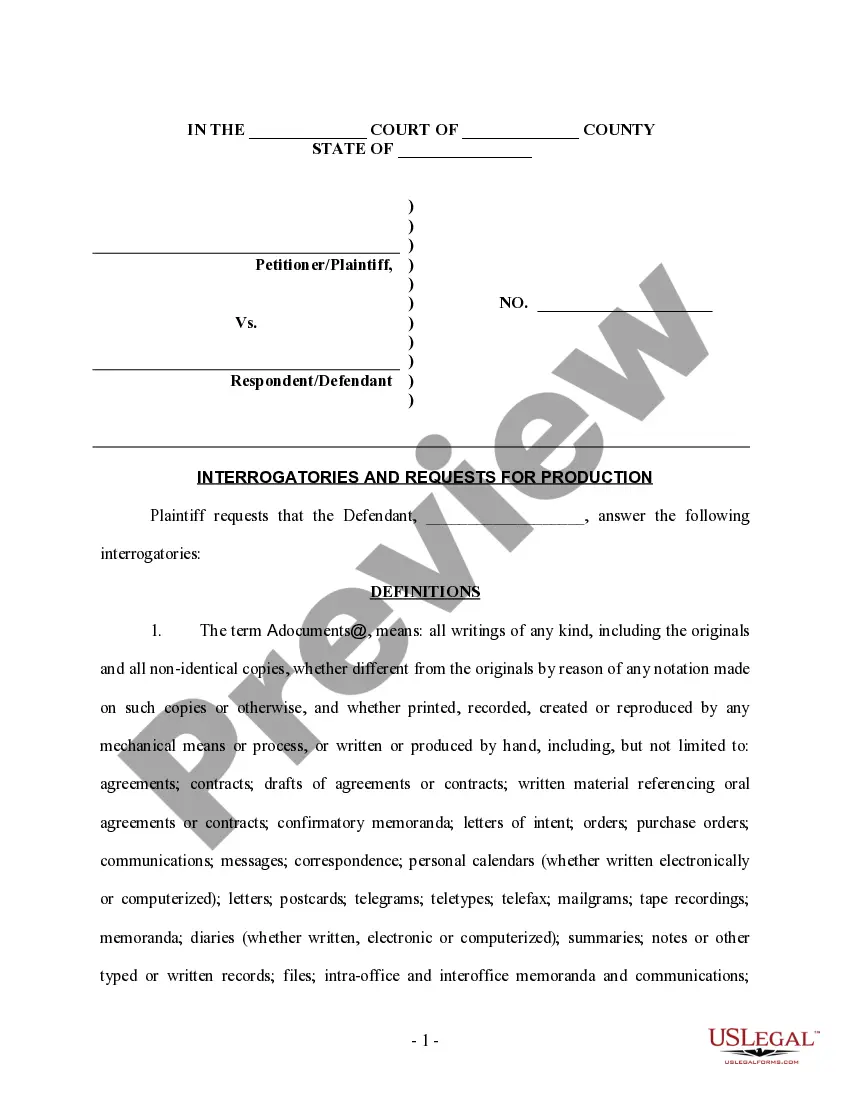
Steps Of The Discovery Process. There are four key actions in the discovery process which include interrogatories, request for documents, request for admissions, and depositions.
Timeframe for discovery If you are the plaintiff, you can begin discovery 10 days after you serve the first papers in the case or anytime after the defendant files a response. If you are the defendant, you may begin discovery as soon as the case is filed.
How Long Does it Take to Get Discovery in a Criminal Case? Generally, the prosecution must provide discovery within a set period after the defense's formal request, often ranging from a few weeks to several months.
Parties usually send their discovery requests and responses to the other party electronically, by email. But, parties may also send or respond to discovery requests by U.S. mail or a parcel service. Discovery requests and responses should not be sent to the Administrative Judge, except to support a motion.
This means the other side in your case wants to get information from you. This is a legal process called conducting discovery.
Discovery generally begins after the defendant files an answer, the parties hold a discovery planning conference, and the judge issues a scheduling order. The discovery process is designed to go forward between the parties with minimal court involvement.
In the United States, there are five basic forms of discovery: depositions, interrogatories, requests for production of documents (or permission to inspect), physical and mental examinations, and requests for admission.
Write out each fact you wish the other party to admit is true. When writing these facts, be as clear and concise as possible. Each request must be for a single fact; do not include multiple facts, compound questions, or subparts.