Angel Invest Form Without Being Accredited In Fulton
Description

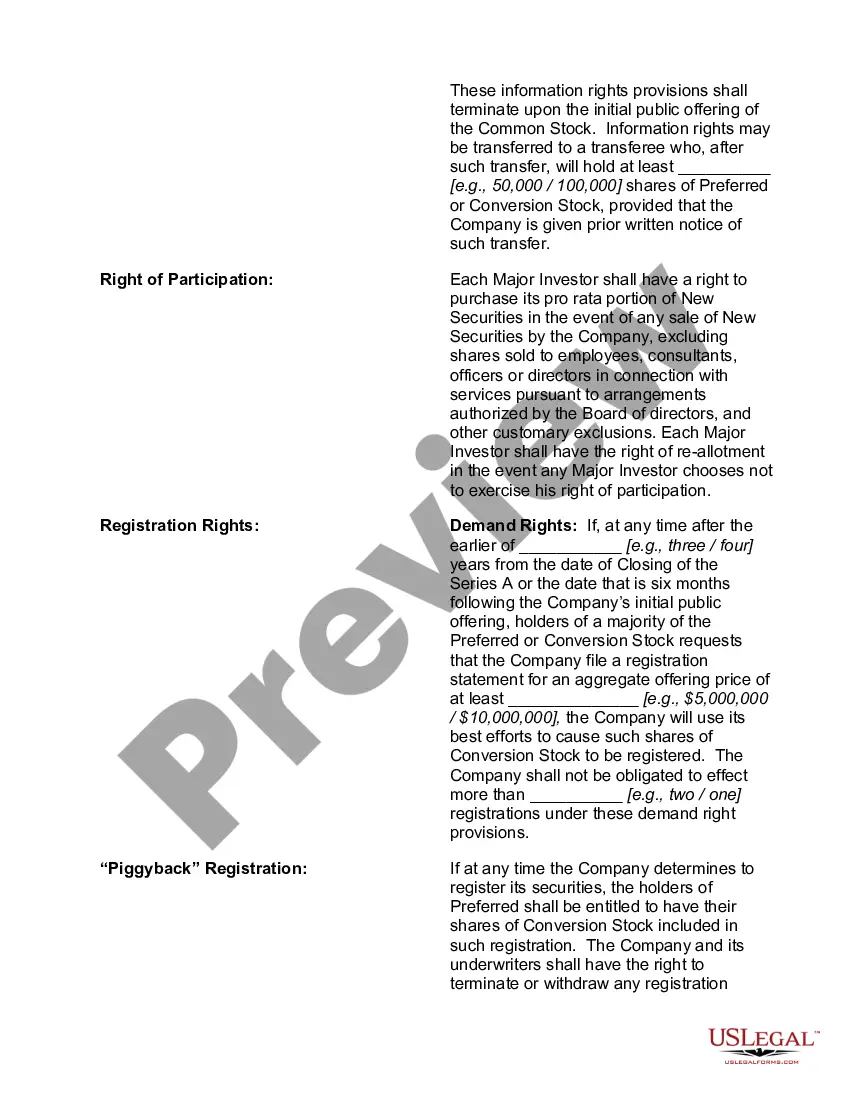
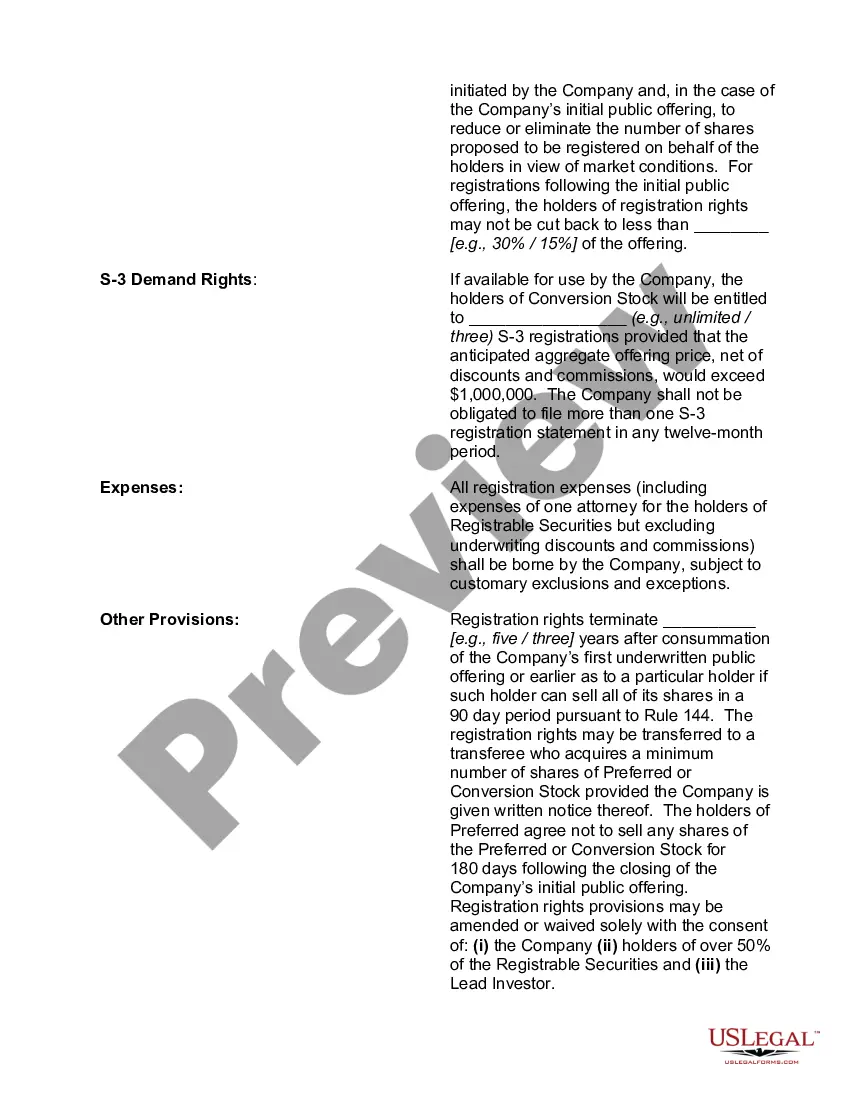

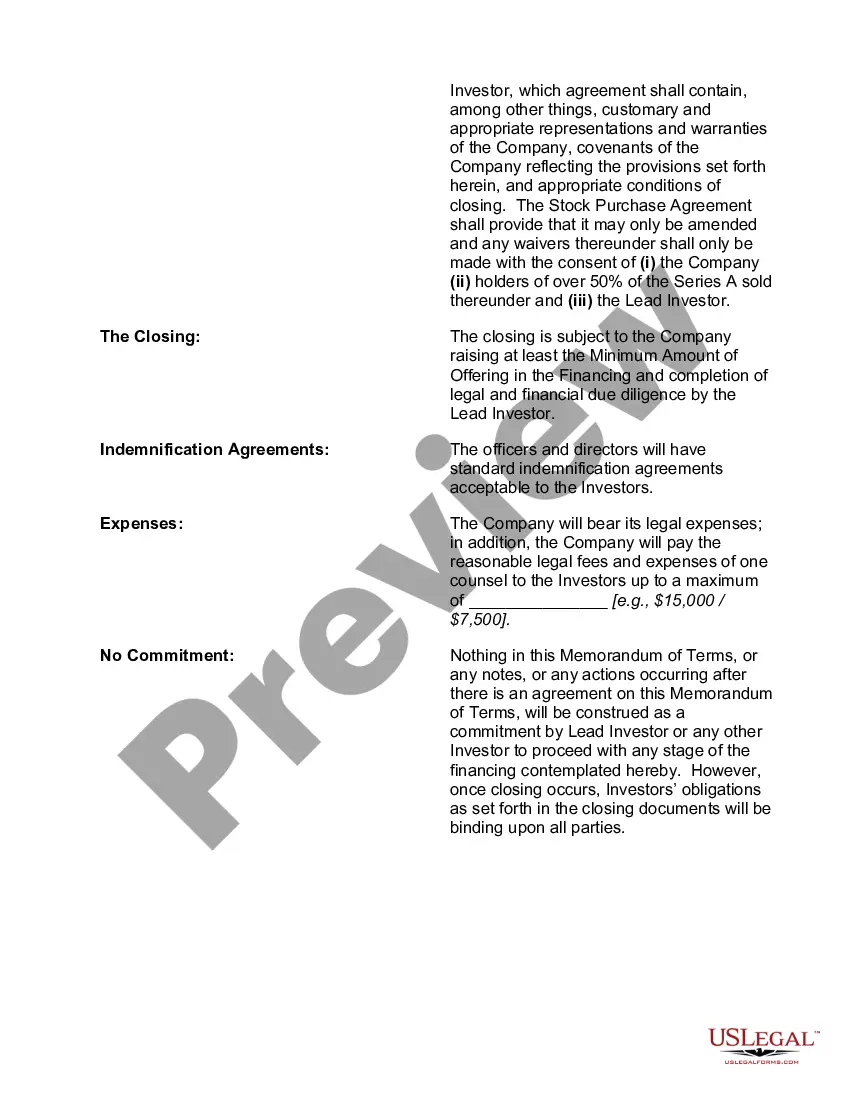
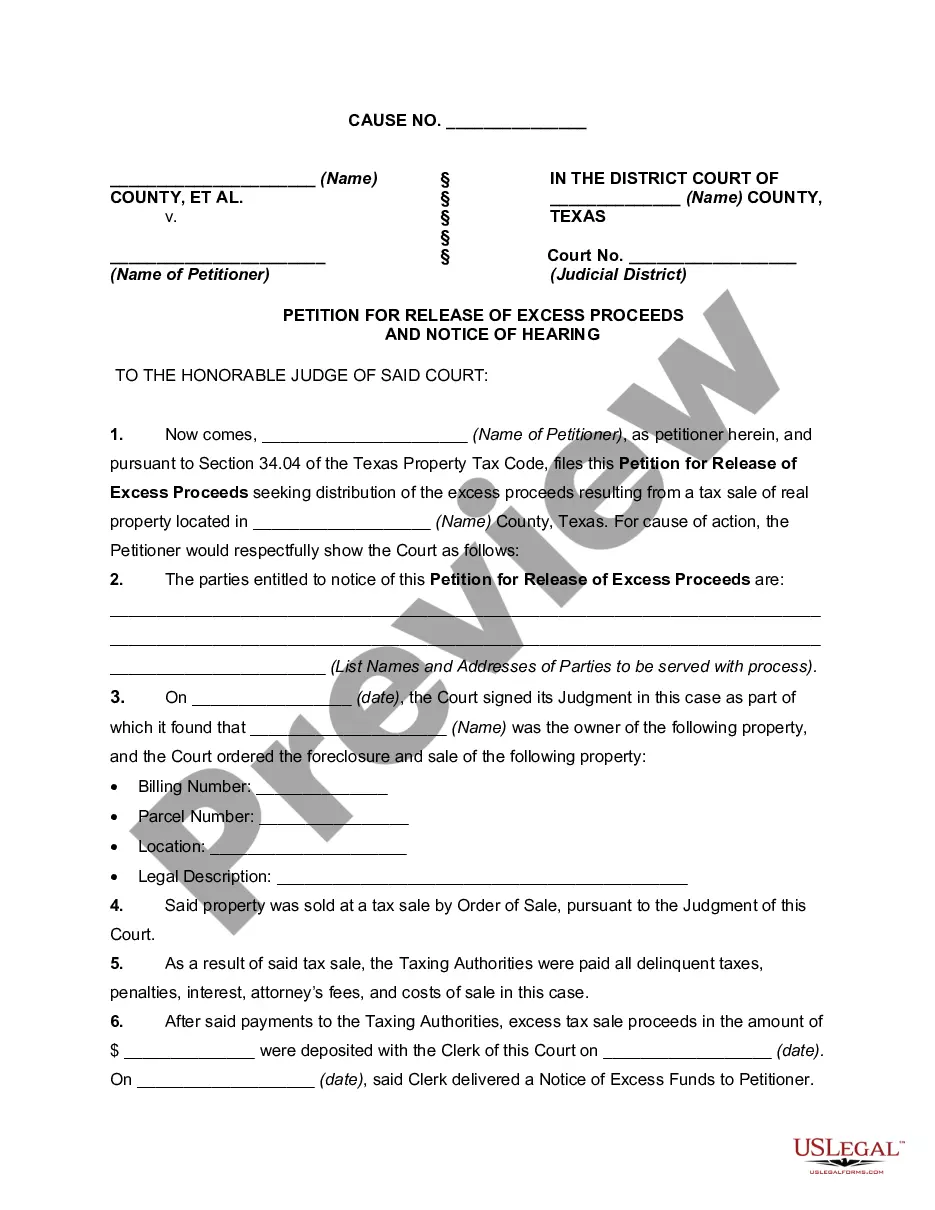
Get your form ready online
Our built-in tools help you complete, sign, share, and store your documents in one place.
Make edits, fill in missing information, and update formatting in US Legal Forms—just like you would in MS Word.
Download a copy, print it, send it by email, or mail it via USPS—whatever works best for your next step.
Sign and collect signatures with our SignNow integration. Send to multiple recipients, set reminders, and more. Go Premium to unlock E-Sign.
If this form requires notarization, complete it online through a secure video call—no need to meet a notary in person or wait for an appointment.
We protect your documents and personal data by following strict security and privacy standards.

Make edits, fill in missing information, and update formatting in US Legal Forms—just like you would in MS Word.

Download a copy, print it, send it by email, or mail it via USPS—whatever works best for your next step.

Sign and collect signatures with our SignNow integration. Send to multiple recipients, set reminders, and more. Go Premium to unlock E-Sign.

If this form requires notarization, complete it online through a secure video call—no need to meet a notary in person or wait for an appointment.

We protect your documents and personal data by following strict security and privacy standards.
Looking for another form?








Form popularity
FAQ
Regulation D and SAFE Notes Rule 506(b) allows issuers to raise an unlimited amount of capital from accredited investors (and up to 35 non-accredited, sophisticated investors) without public solicitation or advertising. Issuers must provide detailed disclosure documents to non-accredited investors.
There is no course or requirement to become an angel investor. Many Angel investors are accredited investors, but ing to the SEC, angel investors do not have to be accredited.
Both accredited and non-accredited investors can invest in a public REIT or PNLR. For a private REIT, investors must be accredited. Investors can also invest in public non-listed REITs through an online real estate investment platform, such as 1031 Crowdfunding.
Regulation Crowdfunding (Title III) Title III of the JOBS Act of 2012 introduced Regulation Crowdfunding, allowing private companies to raise capital from a wide range of investors, including non-accredited individuals. This legislative change democratized early-stage investment opportunities to middle-class investors.
Securities may not be sold to more than 35 non-accredited investors (all non-accredited investors, either alone or with a purchaser representative, must meet the legal standard of having sufficient knowledge and experience in financial and business matters to be capable of evaluating the merits and risks of the ...
Non-accredited investors face some restrictions designed to protect them from high-risk investments. These include: Investment Limits: Under Regulation Crowdfunding (Reg CF), non-accredited investors can invest a maximum of: 5% of the lesser of their annual income or net worth if either is below $107,000.
Being a non-accredited investor does not mean that the individual cannot invest; however, investment opportunities for them are different from accredited investors. The options available for non-accredited investors include certain types of bonds, real estate, equities, and other securities.
accredited investor, therefore, is anyone making less than $200,000 annually (less than $300,000 including a spouse) that also has a total net worth of less than $1 million when their primary residence is excluded.
