Partnering Angel Investor For Restaurant In Florida
Description

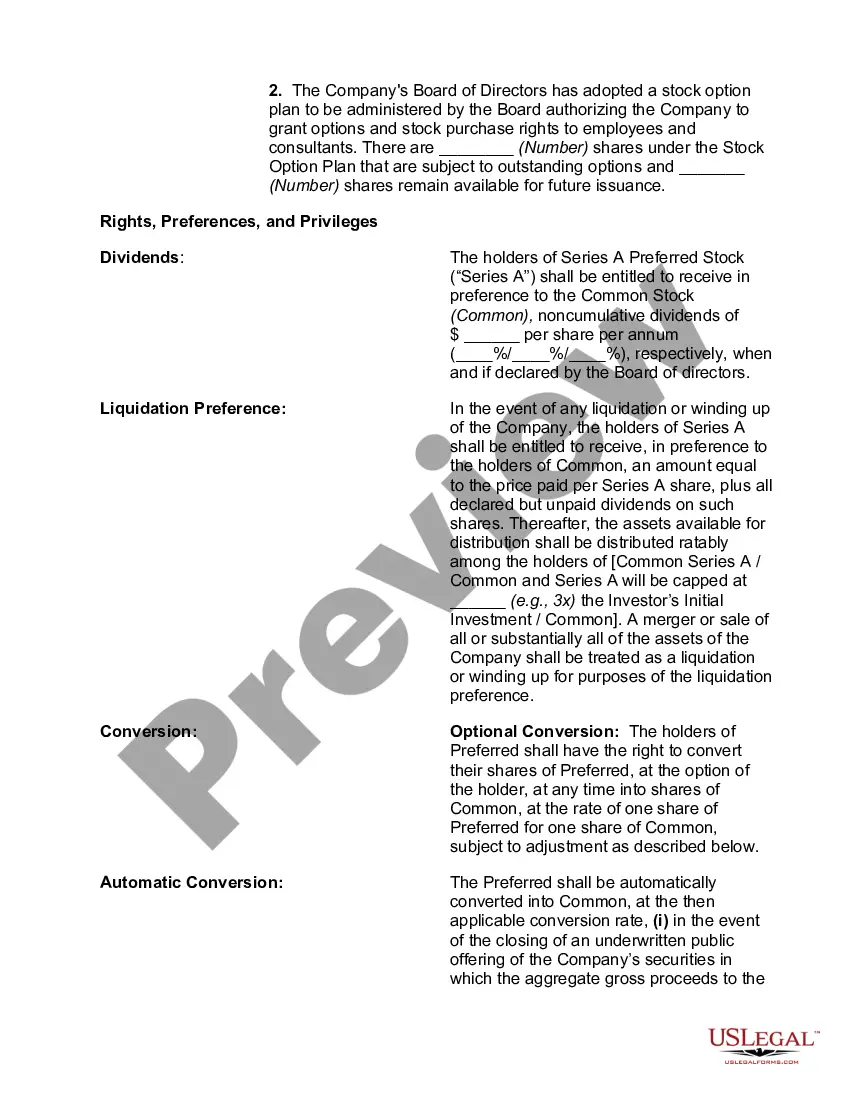
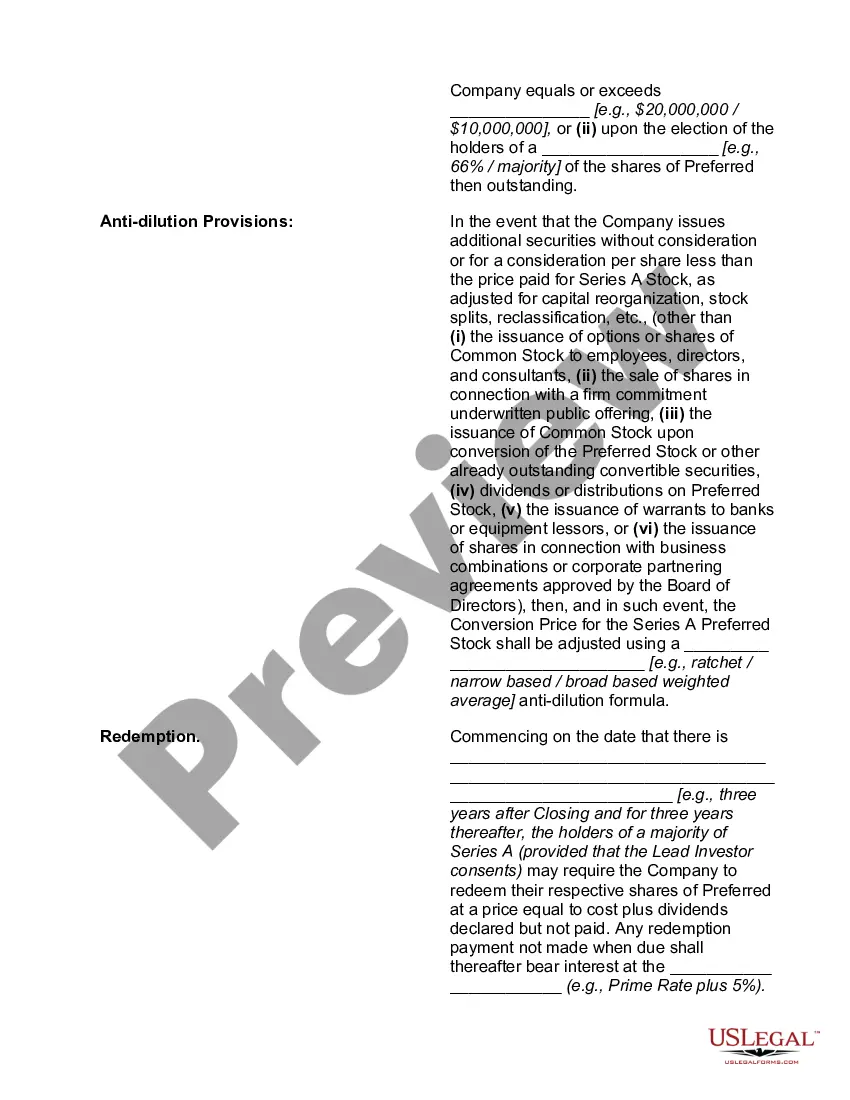
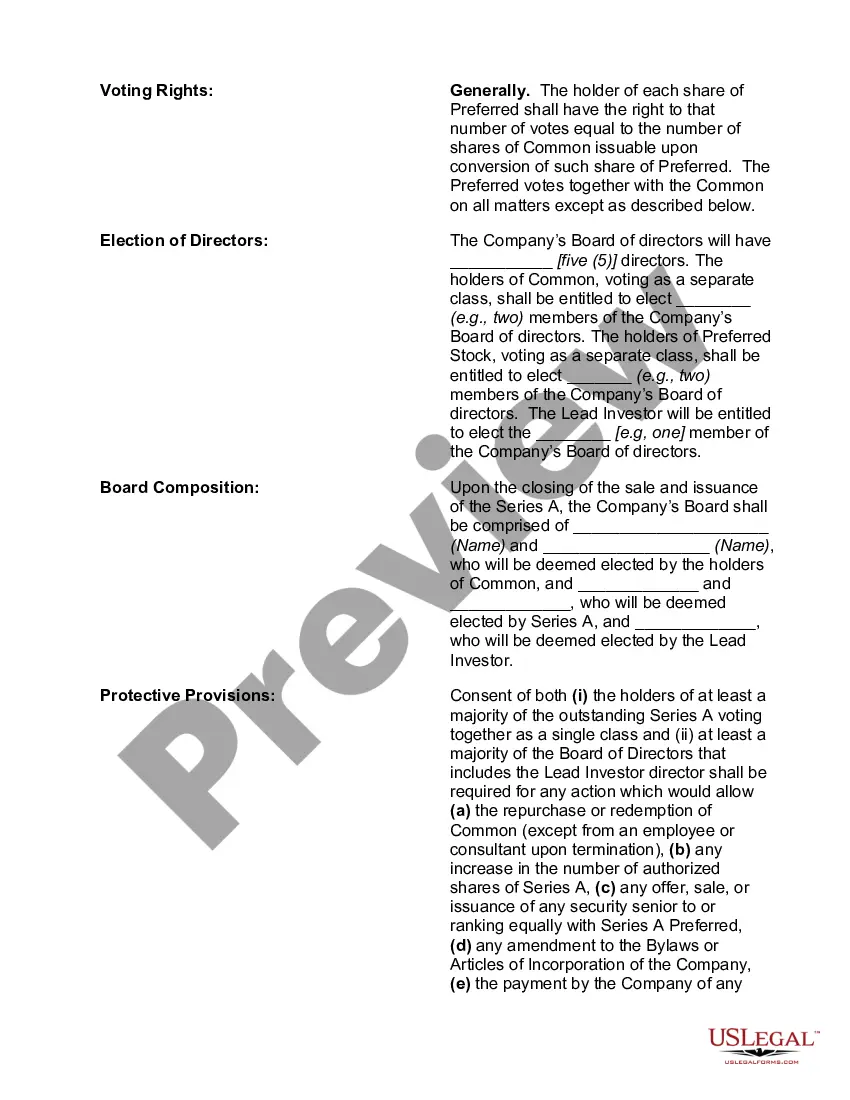
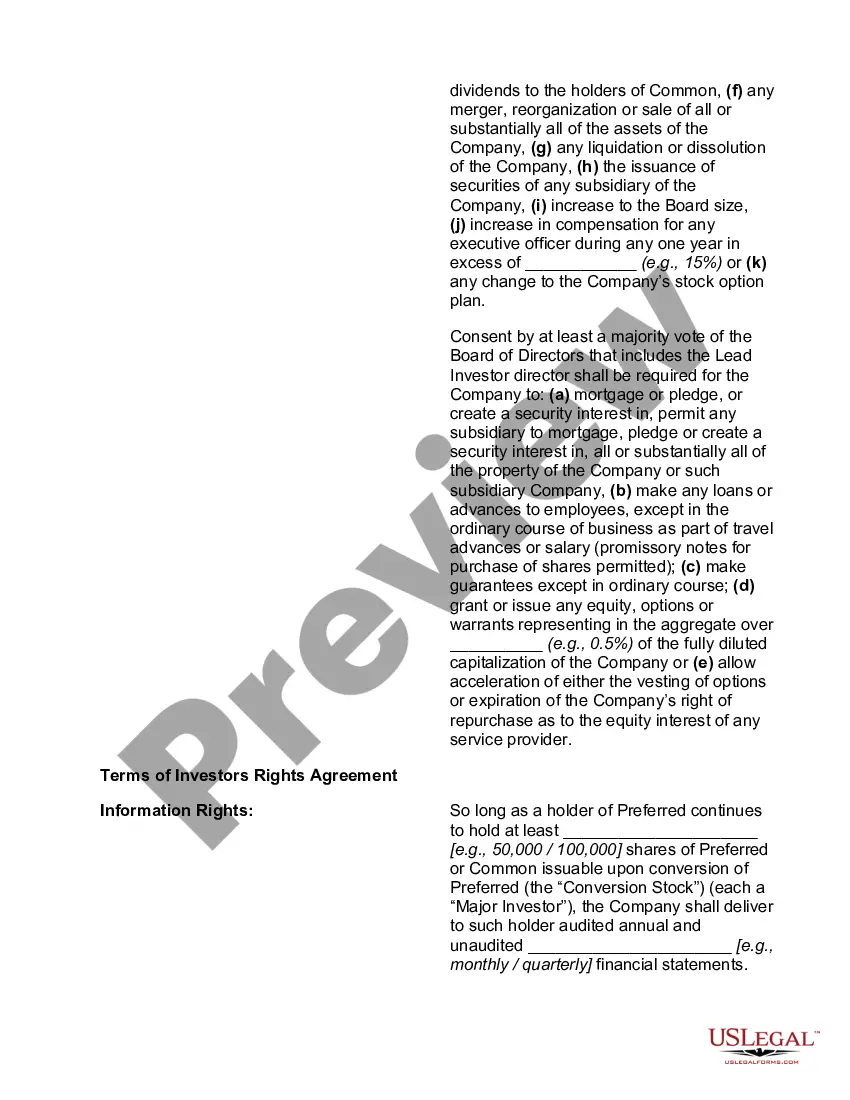
Get your form ready online
Our built-in tools help you complete, sign, share, and store your documents in one place.
Make edits, fill in missing information, and update formatting in US Legal Forms—just like you would in MS Word.
Download a copy, print it, send it by email, or mail it via USPS—whatever works best for your next step.
Sign and collect signatures with our SignNow integration. Send to multiple recipients, set reminders, and more. Go Premium to unlock E-Sign.
If this form requires notarization, complete it online through a secure video call—no need to meet a notary in person or wait for an appointment.
We protect your documents and personal data by following strict security and privacy standards.

Make edits, fill in missing information, and update formatting in US Legal Forms—just like you would in MS Word.

Download a copy, print it, send it by email, or mail it via USPS—whatever works best for your next step.

Sign and collect signatures with our SignNow integration. Send to multiple recipients, set reminders, and more. Go Premium to unlock E-Sign.

If this form requires notarization, complete it online through a secure video call—no need to meet a notary in person or wait for an appointment.

We protect your documents and personal data by following strict security and privacy standards.
Looking for another form?







Form popularity
FAQ
There are pros and cons to working with restaurant investors, so it's crucial to weigh both before making a decision. Get Active in the Food & Beverage Community. Create a Compelling Pitch Deck. Write a Business Plan. Leverage Your Personal Network. Work With an Incubator. Engage a Social Media Following. Run a Pop-up.
Angel investors typically seek a 10%-30% equity stake in a company. This percentage is negotiated based on your startup's valuation, the funding amount and the perceived risk. It's essential to strike a balance that reflects your company's current value and future potential.
The first thing you'll want to do before making any investment is do your research, diligently. Spend a few weeks (or even months) getting a deeper understanding of the broader food service landscape, your customer target, latest trends, and competitors, and start writing a business plan for your investors.
A lot of advisors would argue that for those starting out, the general guiding principle is that you should think about giving away somewhere between 10-20% of equity.
It's typically between around 10% and 25% but it can be as much as 40% or more. Angel investment is most suitable if your business has growth potential, and you're willing to give up part ownership in return for investment.
How to pitch angel investors Understand your business and market. Know your business, your market, and how they intersect—in as much detail as possible. Craft your pitch. When crafting your pitch for angel investors, balance brevity with information richness. Showcase your financials. Highlight your team. Know your ask.
Understanding the financial health of a restaurant is crucial for any investor. This includes information about the restaurant's revenue, profit margins, operating costs, and debt levels.
Angel investors typically invest between $25,000 and $100,000 in a project. On the other hand, seed firms usually invest a larger amount, typically between $250,000 and $1 million.
How to find investors: 8 options for funding. Friends and family. Many investors come with strings attached: interest rates, partial ownership, or even a role as a board member. Equity financing. Venture capitalists. Angel investors. Incubator. Accelerator programs. Crowdfunding platforms. Traditional business loans.
