Appointment Resolutions Within 30 Days In Wake
Description
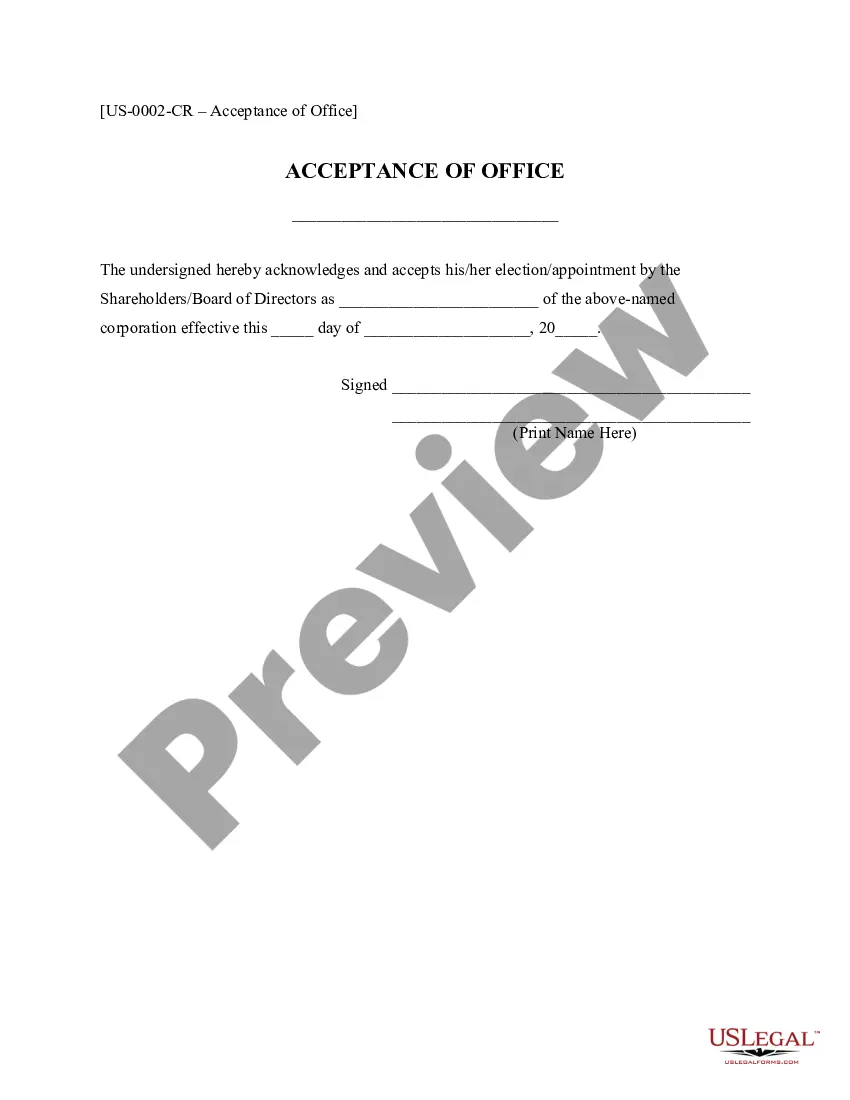

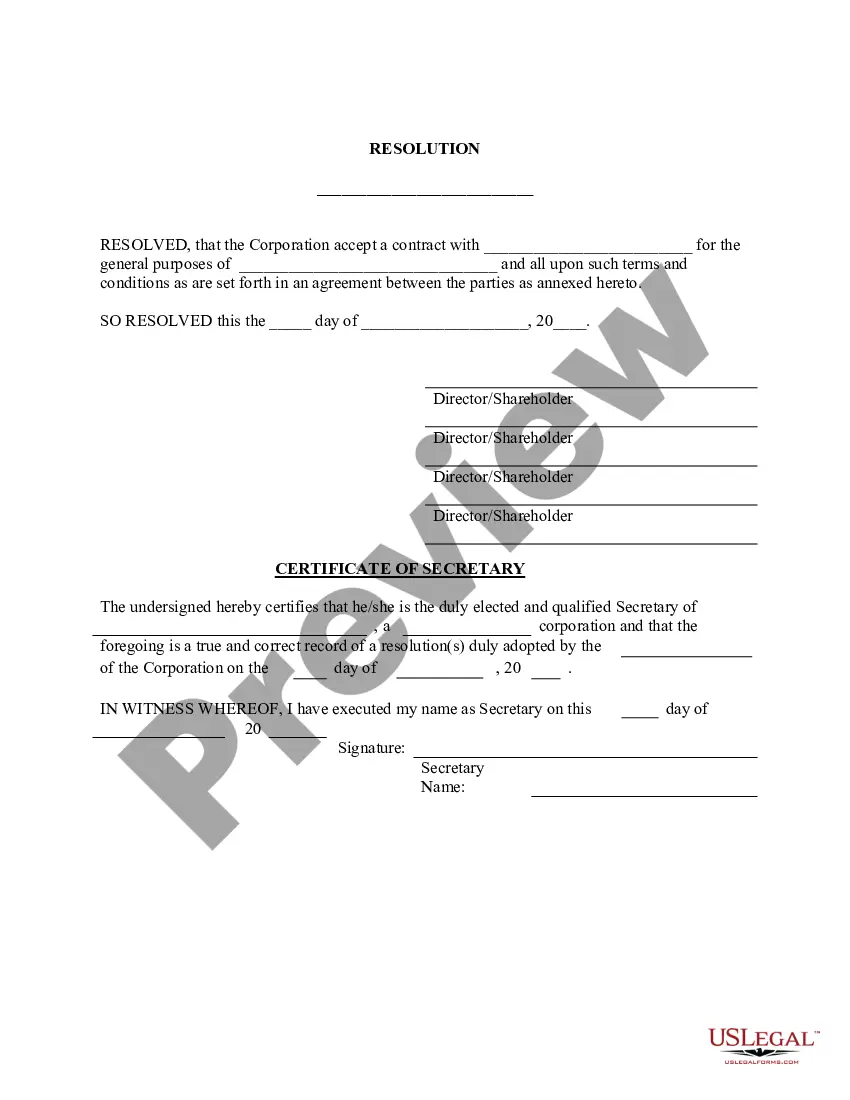
Get your form ready online
Our built-in tools help you complete, sign, share, and store your documents in one place.
Make edits, fill in missing information, and update formatting in US Legal Forms—just like you would in MS Word.
Download a copy, print it, send it by email, or mail it via USPS—whatever works best for your next step.
Sign and collect signatures with our SignNow integration. Send to multiple recipients, set reminders, and more. Go Premium to unlock E-Sign.
If this form requires notarization, complete it online through a secure video call—no need to meet a notary in person or wait for an appointment.
We protect your documents and personal data by following strict security and privacy standards.

Make edits, fill in missing information, and update formatting in US Legal Forms—just like you would in MS Word.

Download a copy, print it, send it by email, or mail it via USPS—whatever works best for your next step.

Sign and collect signatures with our SignNow integration. Send to multiple recipients, set reminders, and more. Go Premium to unlock E-Sign.

If this form requires notarization, complete it online through a secure video call—no need to meet a notary in person or wait for an appointment.

We protect your documents and personal data by following strict security and privacy standards.
Looking for another form?










Form popularity
FAQ
A special resolution is a method of passing a company decision that requires at least 75% of the votes cast by shareholders to be in favour of it. The more 'ordinary' company decisions require an ordinary resolution to be passed.
A special resolution is only for exceptional cases. These include when the company wants to change its name, windup, change its constitution or when outlining the powers and responsibilities of an appointed liquidator. The Corporations Act 2001 (Cth) outlines the process for special resolutions.
Under the law, the deadline for passing a written resolution is 28 days from the date the resolution is circulated amongst the shareholders.
Examples of matters that can be dealt with by an ordinary resolution include the approval of annual financial statements, the appointment of auditors, and the declaration of dividends. On the other hand, a special resolution is a resolution that requires a higher majority vote, typically 75% or more, to be passed.
Such notice is required to be sent by members to the company not earlier than three months but at least 14 days before the date of the meeting at which the resolution is to be moved. Such period shall exclude the day on which the notice is given and the day of the meeting.
“RESOLVED THAT pursuant to the provisions of section 161(4) of the Companies Act, 2013, read with Articles of Association of the Company, Mr. _______ be and is hereby appointed as Director of the Company in order to fill the casual vacancy caused by the death/removal/resignation of Mr. _______, Director of the Company.
7 steps for writing a resolution Put the date and resolution number at the top. Give the resolution a title that relates to the decision. Use formal language. Continue writing out each critical statement. Wrap up the heart of the resolution in the last statement.
Special Resolution Example 2 Example: There are 60 lots and 31 lot owners attend, in person or by proxy or via remote communication (31 is the minimum required for a quorum). and: 25% of 60 = 15 thus: for the resolution to pass, only 15 votes may be cast against it.
The Companies Act, 2013 Where, by any provision contained in this Act or in the articles of a company, special notice is required of any resolution, notice of the intention to move such resolution shall be given to the company by such number of members holding not less than one per cent.
Every state now leaves that up to the provisions of your own constitution - unless you're putting up any of those special resolutions, in which case you have to give 21 days' notice (in all states).

