Appointment Acceptance Letter Format In Utah
Description
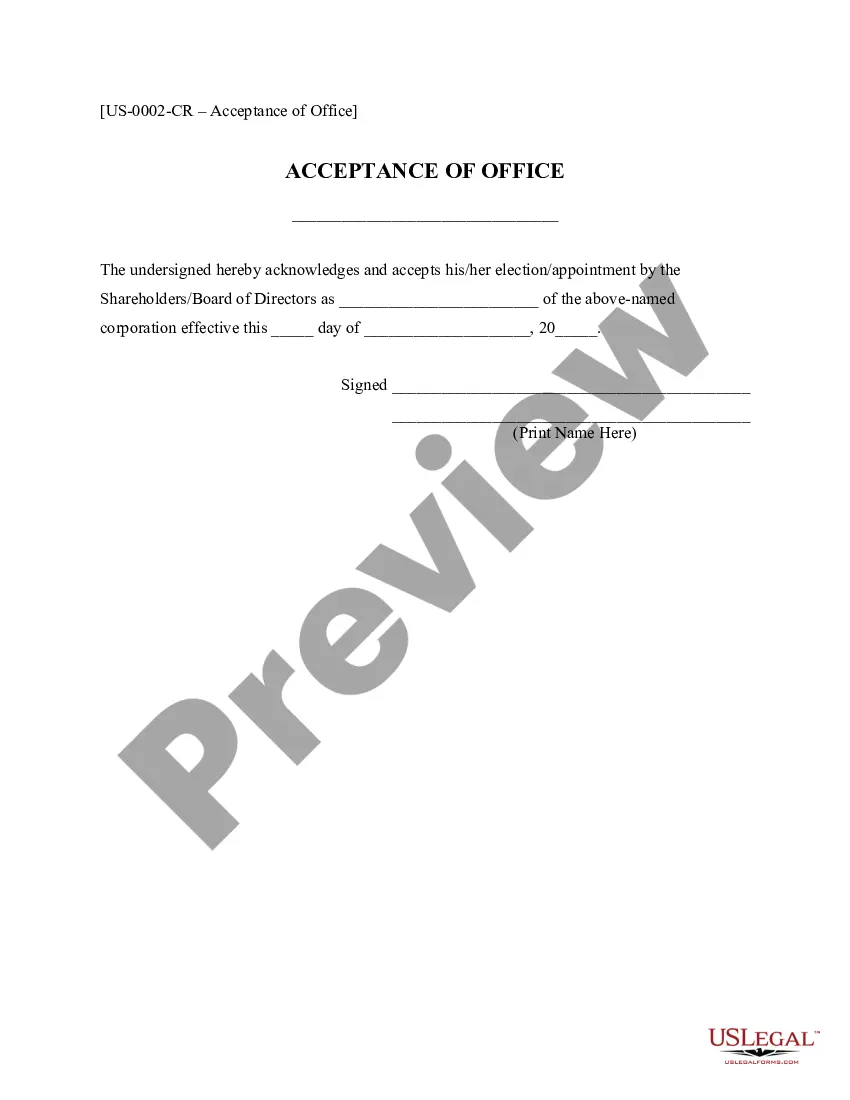

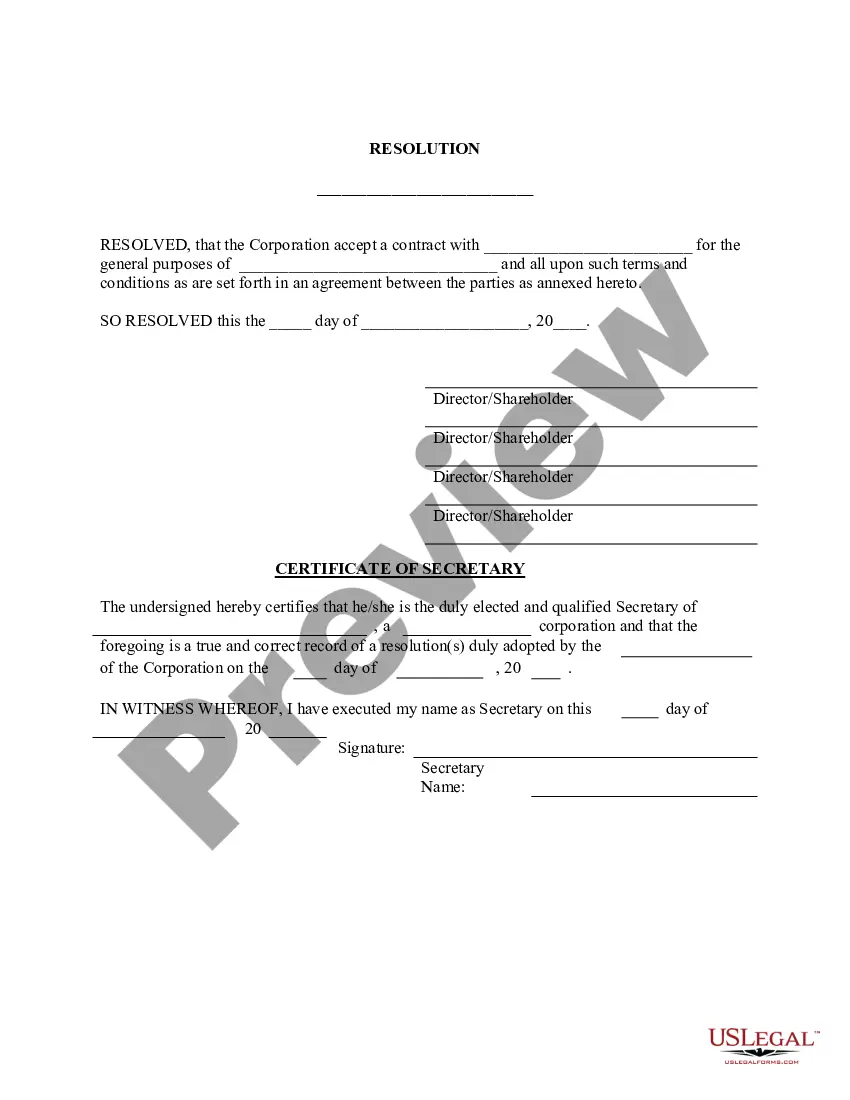
Get your form ready online
Our built-in tools help you complete, sign, share, and store your documents in one place.
Make edits, fill in missing information, and update formatting in US Legal Forms—just like you would in MS Word.
Download a copy, print it, send it by email, or mail it via USPS—whatever works best for your next step.
Sign and collect signatures with our SignNow integration. Send to multiple recipients, set reminders, and more. Go Premium to unlock E-Sign.
If this form requires notarization, complete it online through a secure video call—no need to meet a notary in person or wait for an appointment.
We protect your documents and personal data by following strict security and privacy standards.

Make edits, fill in missing information, and update formatting in US Legal Forms—just like you would in MS Word.

Download a copy, print it, send it by email, or mail it via USPS—whatever works best for your next step.

Sign and collect signatures with our SignNow integration. Send to multiple recipients, set reminders, and more. Go Premium to unlock E-Sign.

If this form requires notarization, complete it online through a secure video call—no need to meet a notary in person or wait for an appointment.

We protect your documents and personal data by following strict security and privacy standards.
Looking for another form?

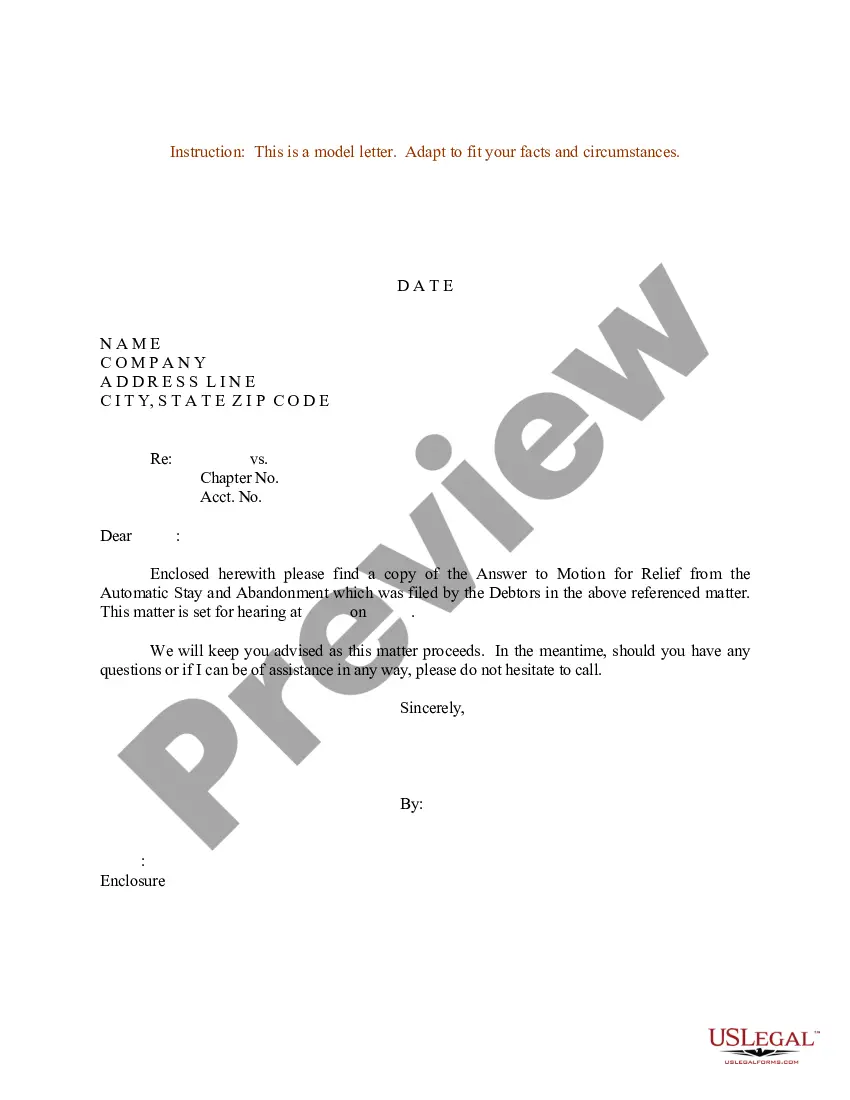

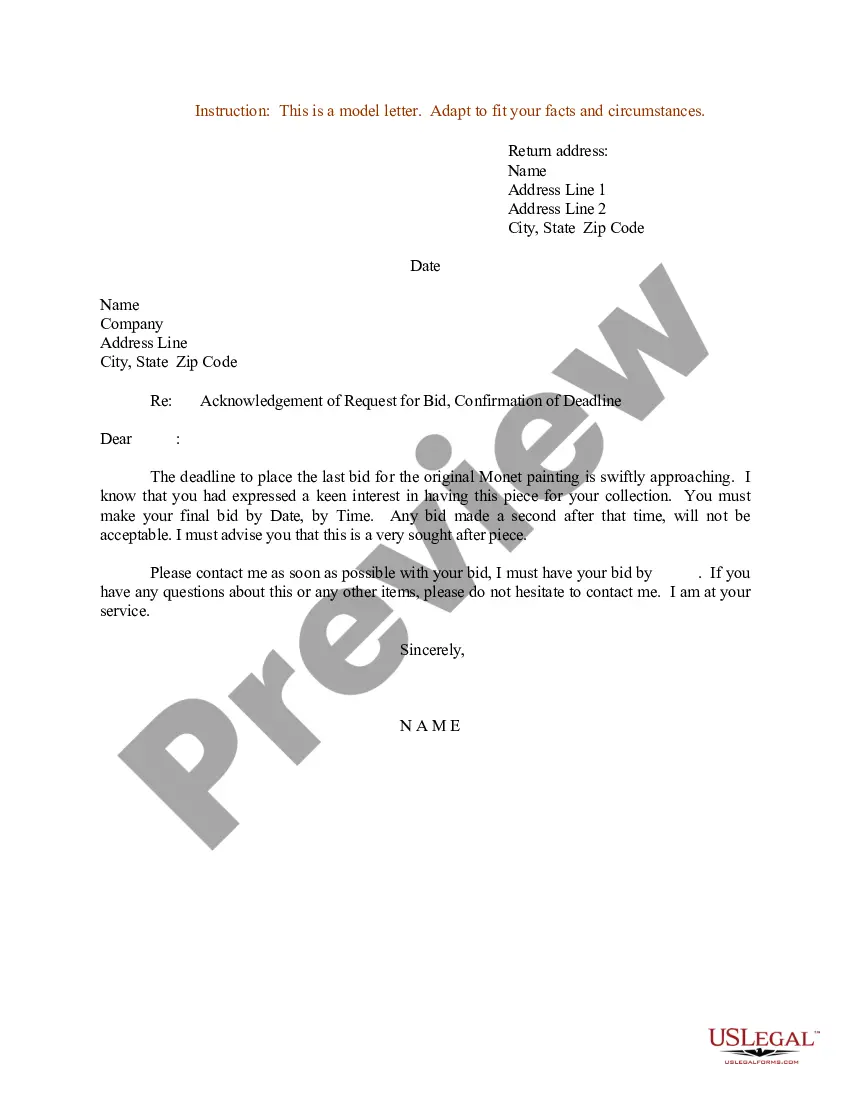



Form popularity
FAQ
Ward: A ward is a child who is placed in the legal custody of the State or other agency, institution, or entity, consistent with applicable Federal, State, or local law.
Guardianship is a legal process that allows someone (usually a family member) to ask the court to find that a person age 18 or older is unable (incompetent) to manage his/her affairs effectively because of a disability.
A ward of the state is a person under the care of the state through an appointed guardian. The guardian is responsible for major medical, financial, and other decisions with input from the ward ing to the ward's ability.
Some states use “ward of the state” synonymously with “ward of the court”, usually referring to a foster child in the custody of a public child welfare agency. In other states, however, “ward of the state” refers to individuals who are or were incarcerated. Incarceration does not make one independent.
Ward: A ward is a child who is placed in the legal custody of the State or other agency, institution, or entity, consistent with applicable Federal, State, or local law.
When a ward of the state passes away, the financial responsibility for burial expenses generally falls on the state or governing locality. This is because wards of the state typically have no other means or estate to cover these costs.
