Appointment Resolutions Within 24 Hours In Pennsylvania
Description
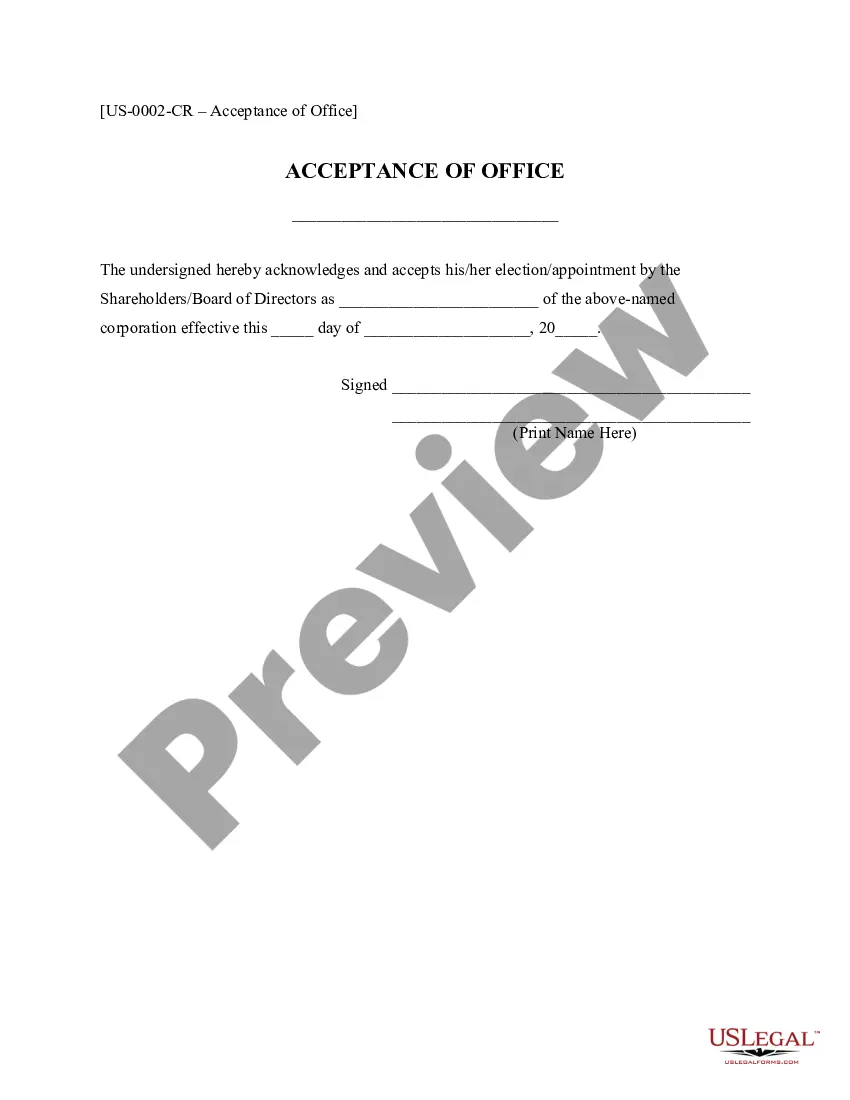
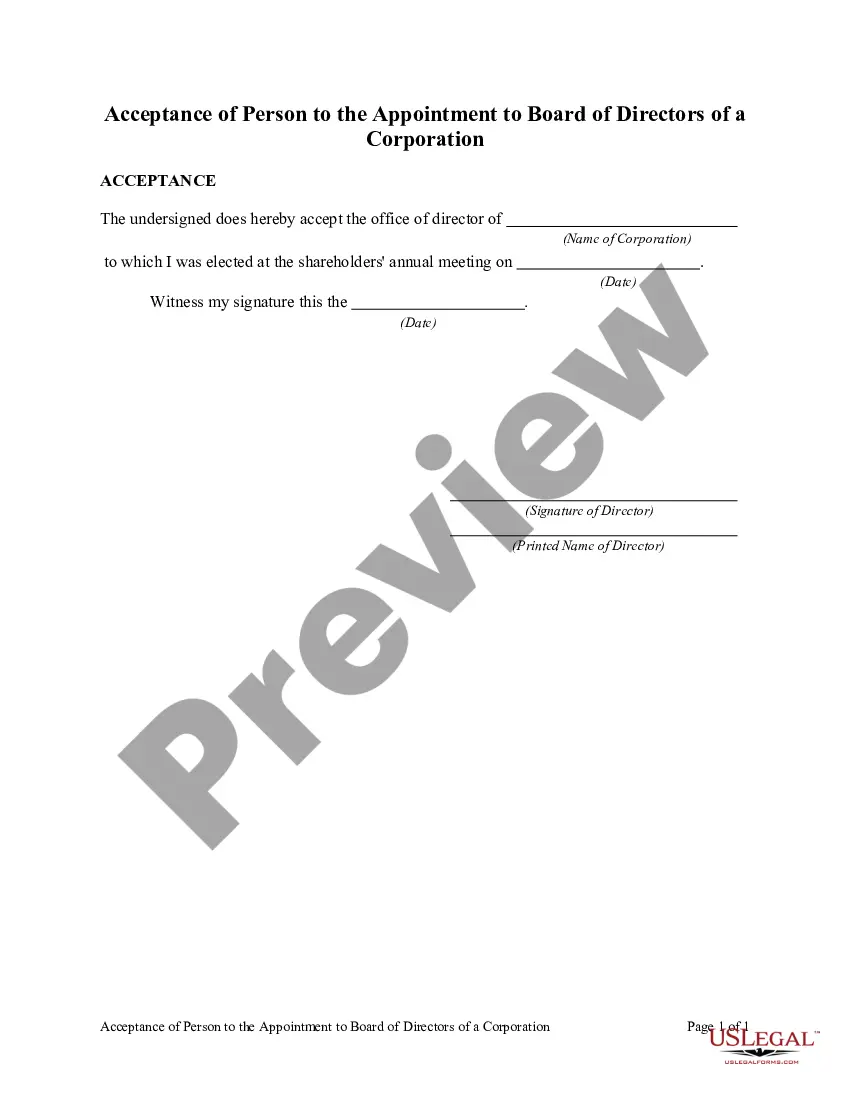
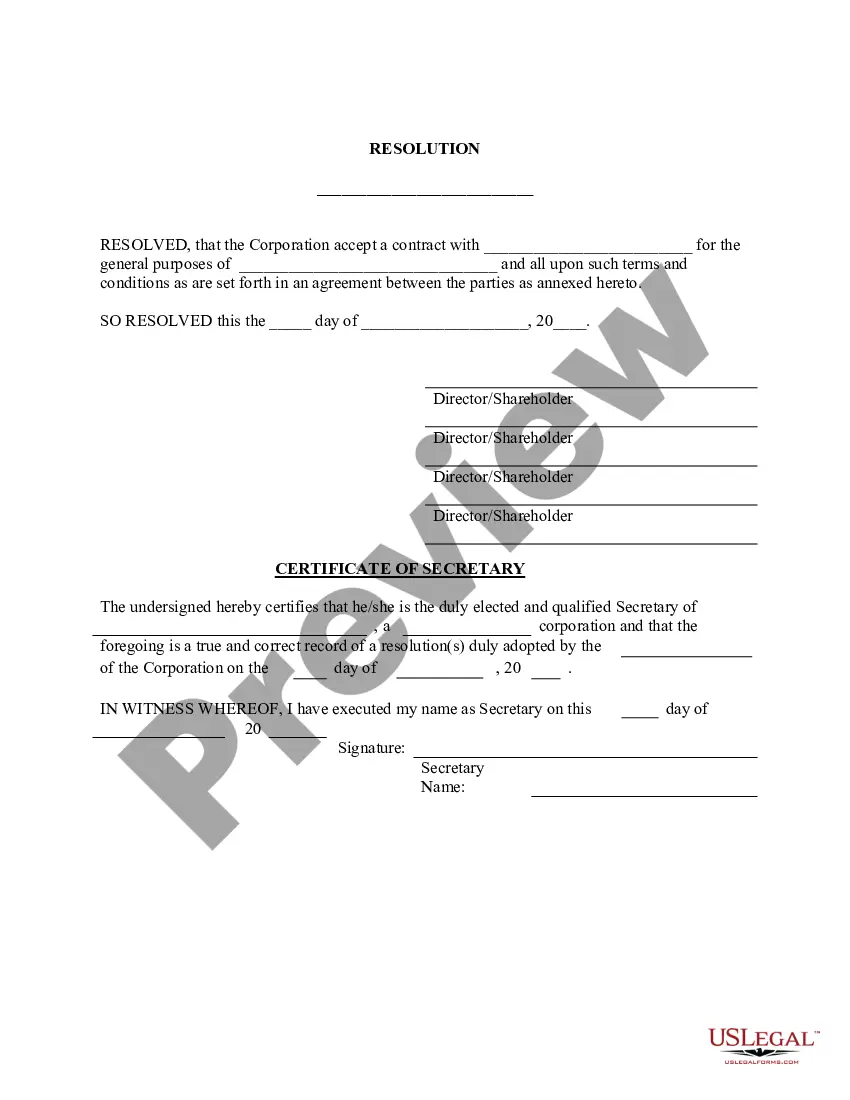
Get your form ready online
Our built-in tools help you complete, sign, share, and store your documents in one place.
Make edits, fill in missing information, and update formatting in US Legal Forms—just like you would in MS Word.
Download a copy, print it, send it by email, or mail it via USPS—whatever works best for your next step.
Sign and collect signatures with our SignNow integration. Send to multiple recipients, set reminders, and more. Go Premium to unlock E-Sign.
If this form requires notarization, complete it online through a secure video call—no need to meet a notary in person or wait for an appointment.
We protect your documents and personal data by following strict security and privacy standards.

Make edits, fill in missing information, and update formatting in US Legal Forms—just like you would in MS Word.

Download a copy, print it, send it by email, or mail it via USPS—whatever works best for your next step.

Sign and collect signatures with our SignNow integration. Send to multiple recipients, set reminders, and more. Go Premium to unlock E-Sign.

If this form requires notarization, complete it online through a secure video call—no need to meet a notary in person or wait for an appointment.

We protect your documents and personal data by following strict security and privacy standards.
Looking for another form?









Form popularity
FAQ
The Pennsylvania Sunshine Act, 65 Pa. C.S. §§ 701-716, requires agencies to deliberate and take official action on agency business in an open and public meeting. It requires that meetings have prior notice, and that the public can attend, participate, and comment before an agency takes that official action.
(a) Answers to complaints shall be filed with the Board within 30 days after the date of service of the complaint, unless for cause the Board, with or without motion, prescribes a different time. An answer will not be required in less than 10 days after date of service.
Pennsylvania's Wiretap Law makes it illegal to record private conversations - which can include conversations in public places - without the consent of all parties to the conversation.
Which agencies are subject to the Sunshine Act? The Act applies only to: (1) federal agencies headed by collegial bodies—i.e., boards, councils, and commissions—a majority of whose members are presidentially appointed and Senate confirmed; and (2) any subdivision of such an agency authorized to act on its behalf.
An ordinance is a local law of general or permanent nature. An ordinance stays on the books until it is amended or repealed by another ordinance enacted by a later board or council. A resolution is an official statement of the will of the governing body.
The Pennsylvania Sunshine Act, 65 Pa. C.S. §§ 701-716, requires agencies to deliberate and take official action on agency business in an open and public meeting. It requires that meetings have prior notice, and that the public can attend, participate, and comment before an agency takes that official action.
Examples of exemptions include circumstances in which information disclosed will reveal trade secrets or when the content of a meeting is likely to lead to accusations of criminal behavior, constitute an unwarranted invasion of personal privacy, or endanger the safety of law enforcement personnel.
Sunshine laws are regulations requiring public disclosure of government agency meetings and records. Sunshine laws require specific businesses and government agencies to maintain transparency and disclose their activities to the public.
No bill shall be passed containing more than one subject, which shall be clearly expressed in its title, except a general appropriation bill or a bill codifying or compiling the law or a part thereof.

