Appointment Resolutions Within 24 Hours In Florida
Description
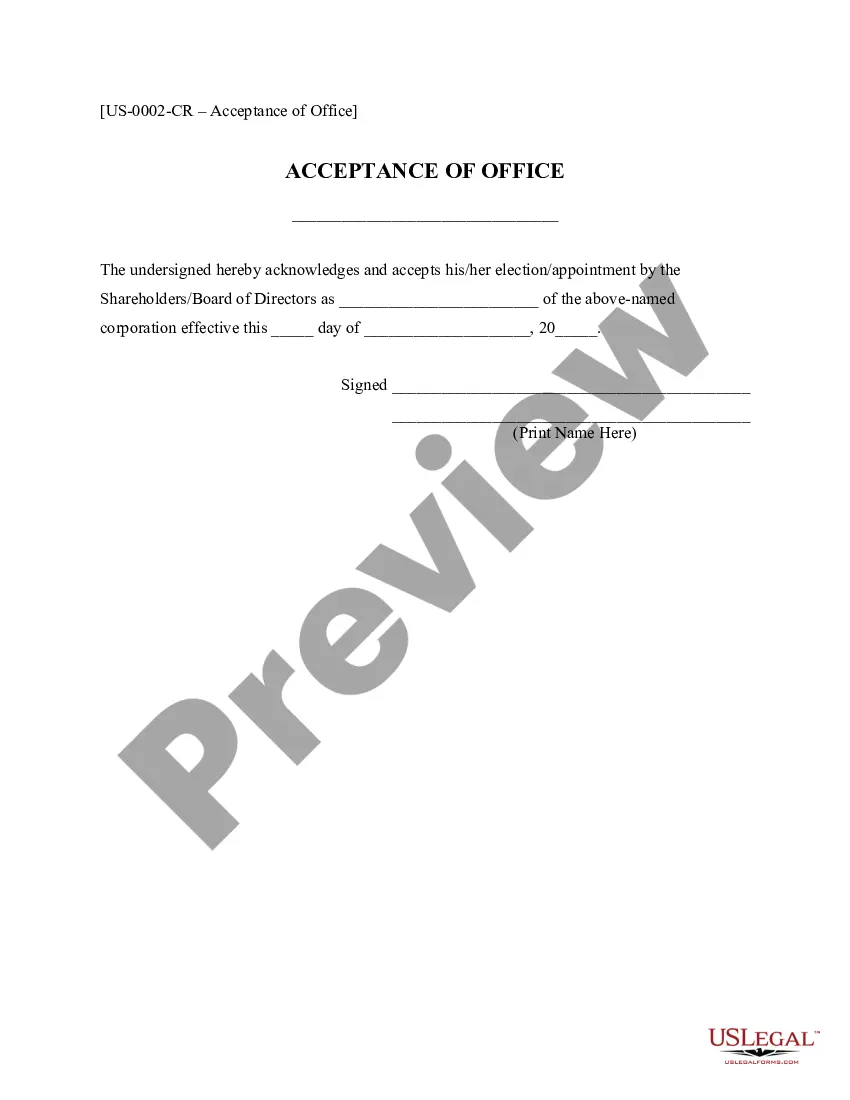

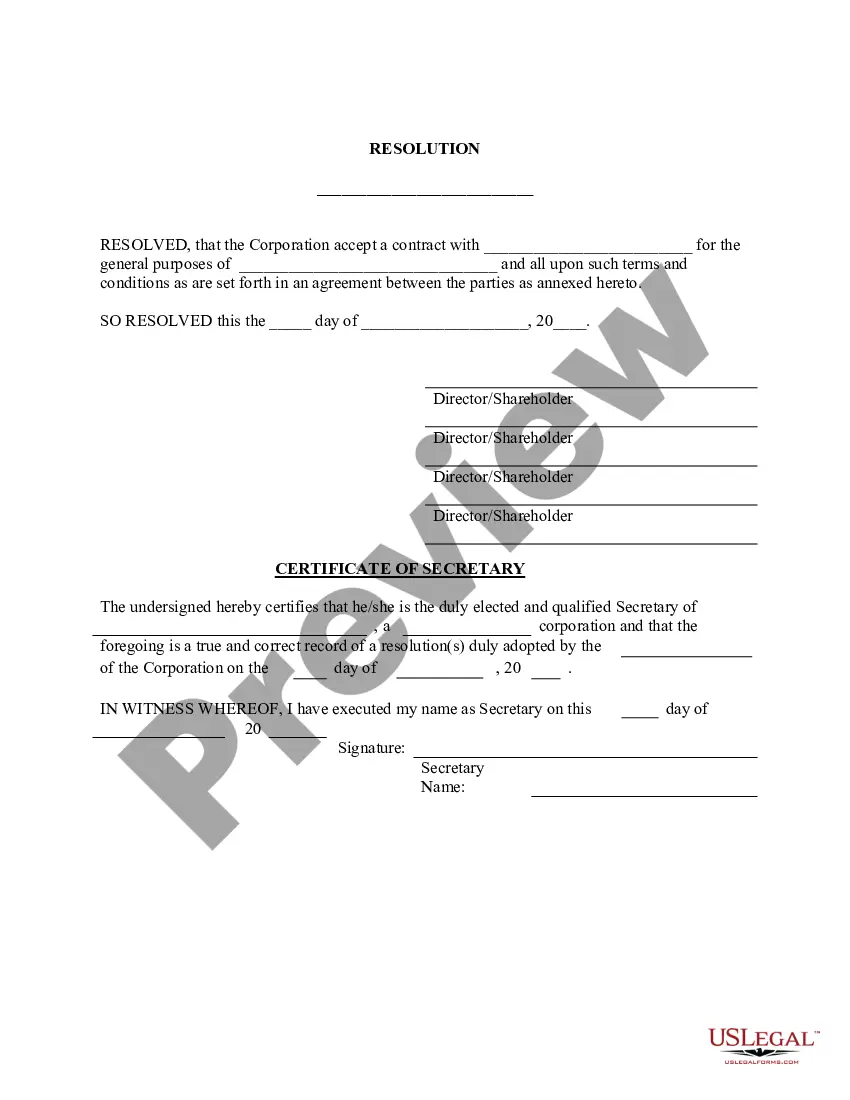
Get your form ready online
Our built-in tools help you complete, sign, share, and store your documents in one place.
Make edits, fill in missing information, and update formatting in US Legal Forms—just like you would in MS Word.
Download a copy, print it, send it by email, or mail it via USPS—whatever works best for your next step.
Sign and collect signatures with our SignNow integration. Send to multiple recipients, set reminders, and more. Go Premium to unlock E-Sign.
If this form requires notarization, complete it online through a secure video call—no need to meet a notary in person or wait for an appointment.
We protect your documents and personal data by following strict security and privacy standards.

Make edits, fill in missing information, and update formatting in US Legal Forms—just like you would in MS Word.

Download a copy, print it, send it by email, or mail it via USPS—whatever works best for your next step.

Sign and collect signatures with our SignNow integration. Send to multiple recipients, set reminders, and more. Go Premium to unlock E-Sign.

If this form requires notarization, complete it online through a secure video call—no need to meet a notary in person or wait for an appointment.

We protect your documents and personal data by following strict security and privacy standards.
Looking for another form?









Form popularity
FAQ
(1) All initial appointments shall be submitted to the department on a monthly basis no later than 45 days after the date of appointment and become effective on the date requested on the appointment form.
(a) The insurer shall give the first-named insured at least 45 days' advance written notice of the renewal premium. (b) The insurer shall give the first-named insured written notice of nonrenewal, cancellation, or termination at least 120 days before the effective date of the nonrenewal, cancellation, or termination.
(1) Unless a different time is prescribed in a statute of Florida, a defendant must serve an answer within 20 days after service of original process and the initial pleading on the defendant, or not later than the date fixed in a notice by publication.
Correct Answer: 90 days notice must typically be provided by an insurer before terminating the appointment of an independent agent. This ensures that the agent has adequate time to prepare for the termination and to manage their subsequent affairs.
Code § 5200(a)(8).) Board meeting minutes, minutes proposed for adoption (“draft minutes”), or a summary of the minutes, of any board meeting (other than executive session) must be made available to the association's members within thirty (30) days following the board meeting. (Civ.
B. To appoint a producer as its agent, the appointing insurer shall file, in a format approved by the insurance commissioner, a notice of appointment within fifteen (15) days from the date the agency contract is executed or the first insurance application is submitted.
Florida Rule of Civil Procedure 1.38,0 Failure to Make Discovery, Sanctions, informs in which court to enforce a litigator's discovery right, what orders to seek from the trial court, and sanctions that may eventually be available.
(c) Adding Parties. Parties may be added once as a matter of course within the same time that pleadings can be so amended under rule 1.190(a). If amendment by leave of court or stipulation of the parties is permitted, parties may be added in the amended pleading without further order of court.
On failure of a party to attend a conference, the court may dismiss the action, strike the pleadings, limit proof or witnesses, or take any other appropriate action. Any documents that the court requires for any conference must be specified in the order.
Persons having claims against the plaintiff may be joined as defendants and required to interplead when their claims are such that the plaintiff is or may be exposed to double or multiple liability.

