I Debt With You In Santa Clara
Description
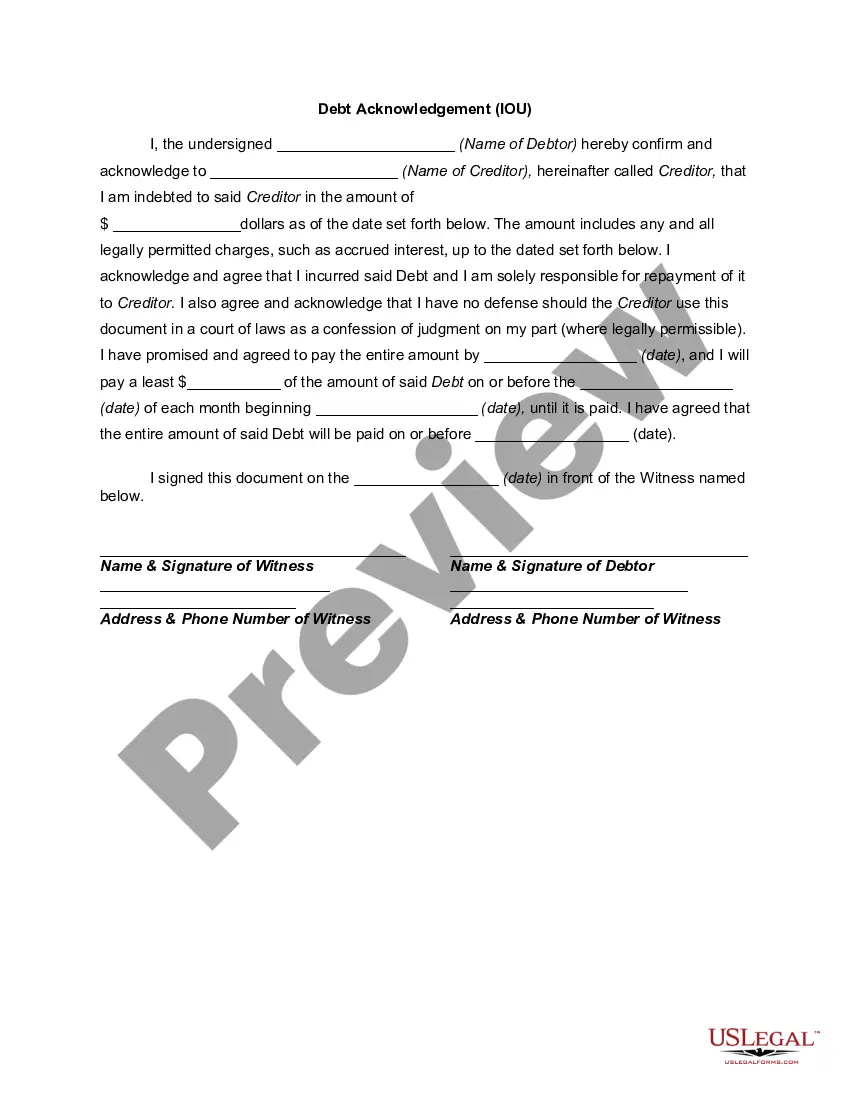
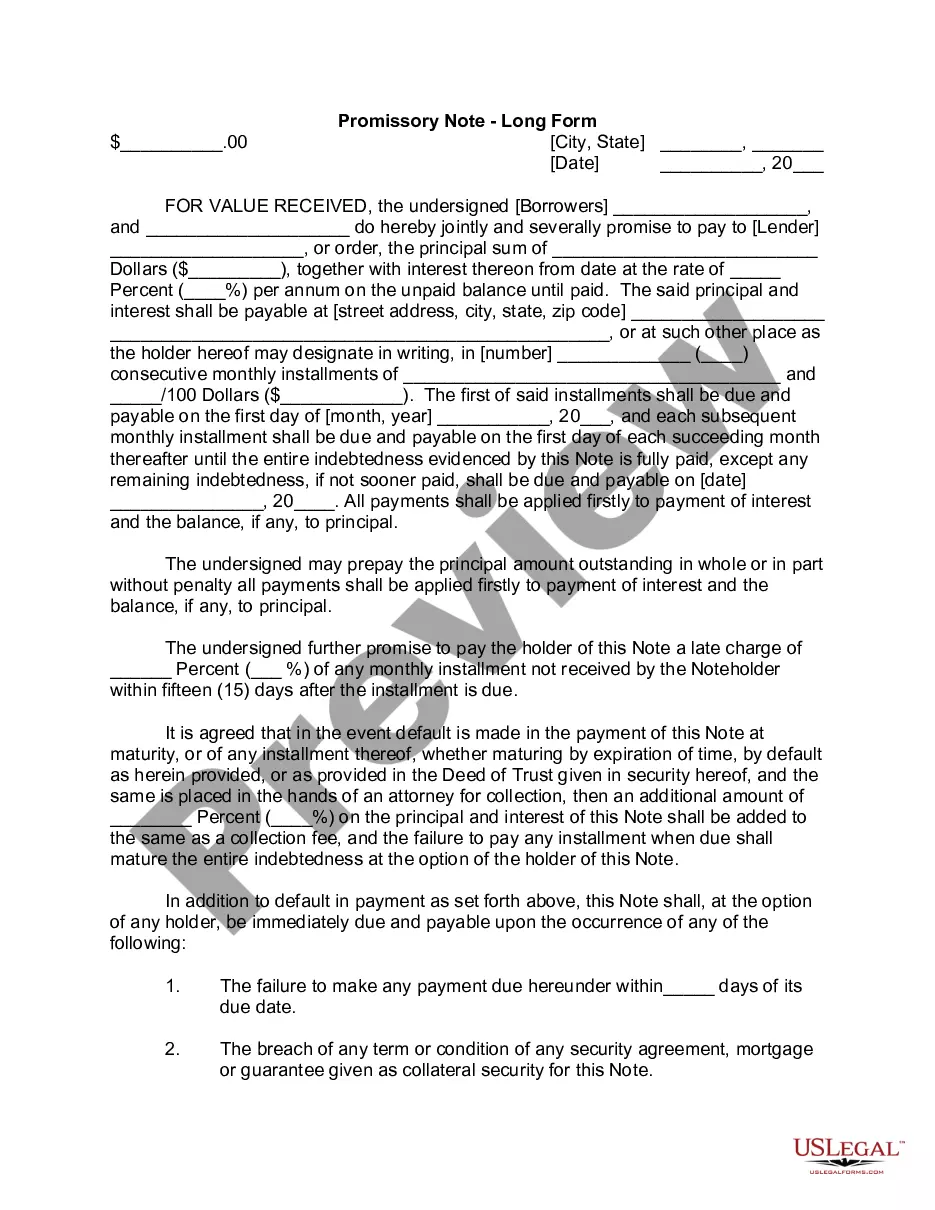
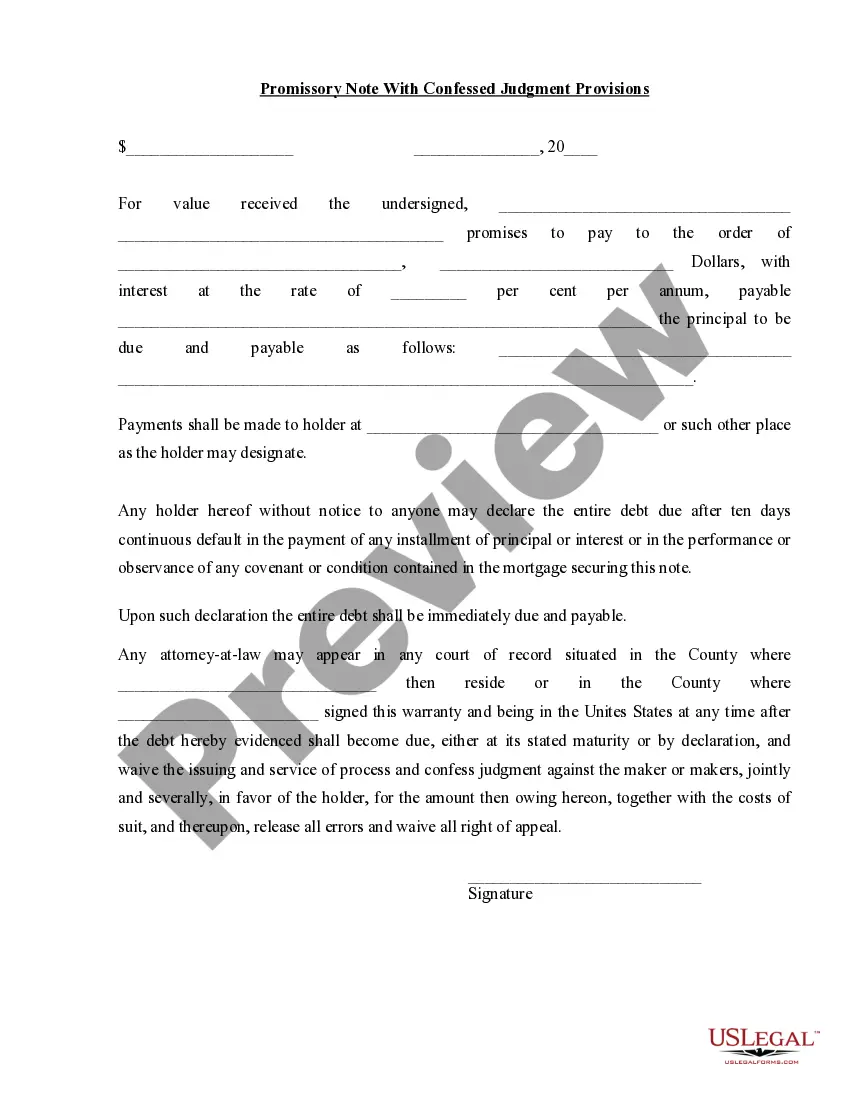
Get your form ready online
Our built-in tools help you complete, sign, share, and store your documents in one place.
Make edits, fill in missing information, and update formatting in US Legal Forms—just like you would in MS Word.
Download a copy, print it, send it by email, or mail it via USPS—whatever works best for your next step.
Sign and collect signatures with our SignNow integration. Send to multiple recipients, set reminders, and more. Go Premium to unlock E-Sign.
If this form requires notarization, complete it online through a secure video call—no need to meet a notary in person or wait for an appointment.
We protect your documents and personal data by following strict security and privacy standards.

Make edits, fill in missing information, and update formatting in US Legal Forms—just like you would in MS Word.

Download a copy, print it, send it by email, or mail it via USPS—whatever works best for your next step.

Sign and collect signatures with our SignNow integration. Send to multiple recipients, set reminders, and more. Go Premium to unlock E-Sign.

If this form requires notarization, complete it online through a secure video call—no need to meet a notary in person or wait for an appointment.

We protect your documents and personal data by following strict security and privacy standards.
Looking for another form?










Form popularity
FAQ
The bottom line. While debt collectors may not automatically sue over a $3,000 credit card debt, they have the right to pursue legal action if they believe it's a viable option.
These scammers can be very convincing, which is why you need to spot the signs of a debt collection: They Ask for Info They Should Already Have. They Won't Share Their Info with You. They Threaten or Lie to You. They Insist You Pay Right Now. They Ask You to Pay by Untraceable Methods.
However, when contacting people who aren't you, debt collectors are limited in what they're able to say. Debt collectors can contact you through phone, email, or text messages.
Make sure the debt is valid, and that it's yours If you think the debt collector is in error, dispute it. Debt collectors are obligated to send you something called a “validation notice” within five days of contact you, which tells you the amount you may owe, the name of the creditor, and how to dispute the debt.
Thanks to some recent changes, debt collectors are very much allowed to contact you by text message. Text messages, along with emailing and direct messages on social media, are allowed as part of a 2021 update to the Fair Debt Collection Practices Act (FDCPA).
You have two tools you can use to dispute a debt: first, a debt validation letter the debt collector is required to send you, outlining the debt and your rights around disputing it; then, a debt verification letter. You can submit a written request to get more information and temporarily halt collection efforts.
Debt collectors may send you notices or letters, but the envelopes cannot contain information about your debt or any information that is intended to embarrass you. You may ask a debt collector to contact you only by mail, or through your attorney, or set other limitations.
Here's a step-by-step guide that outlines the actions a business should take before moving forward with a collection agency. Contact the Debtor. Send a Demand Letter. Consider Negotiation. Hire a Collection Agency. Provide Documentation. Monitor Progress. Consider Legal Action.
Debt Settlement Assess Financial Situation. Stop Using your Credit Cards. Negotiate with Creditors. Reach Settlement Agreements. Make Settlement Payments. Monitor Credit Reports. Rebuild Credit. Balance Transfer Credit Cards.
More than seven times within seven consecutive calendar days “call frequency prong”; or. Within a period of seven consecutive calendar days after having had a telephone conversation with the person in connection with the collection of such debt “conversation frequency prong”.

