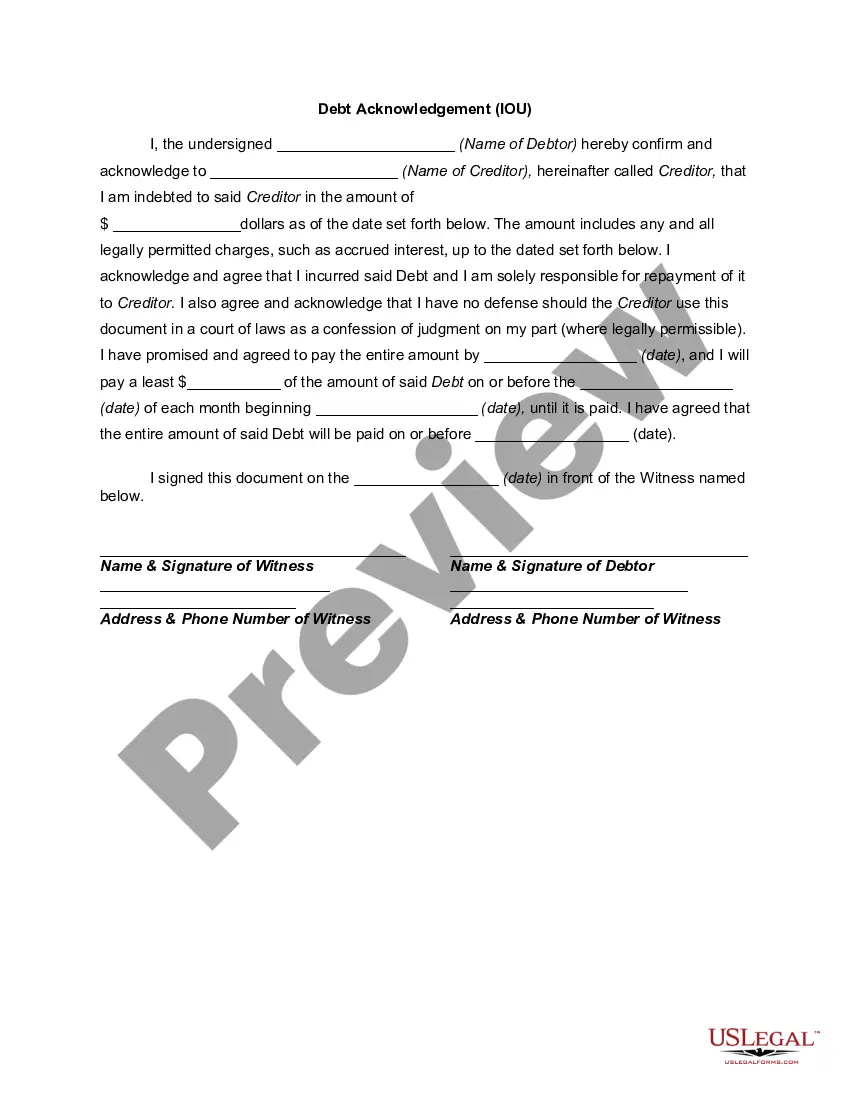
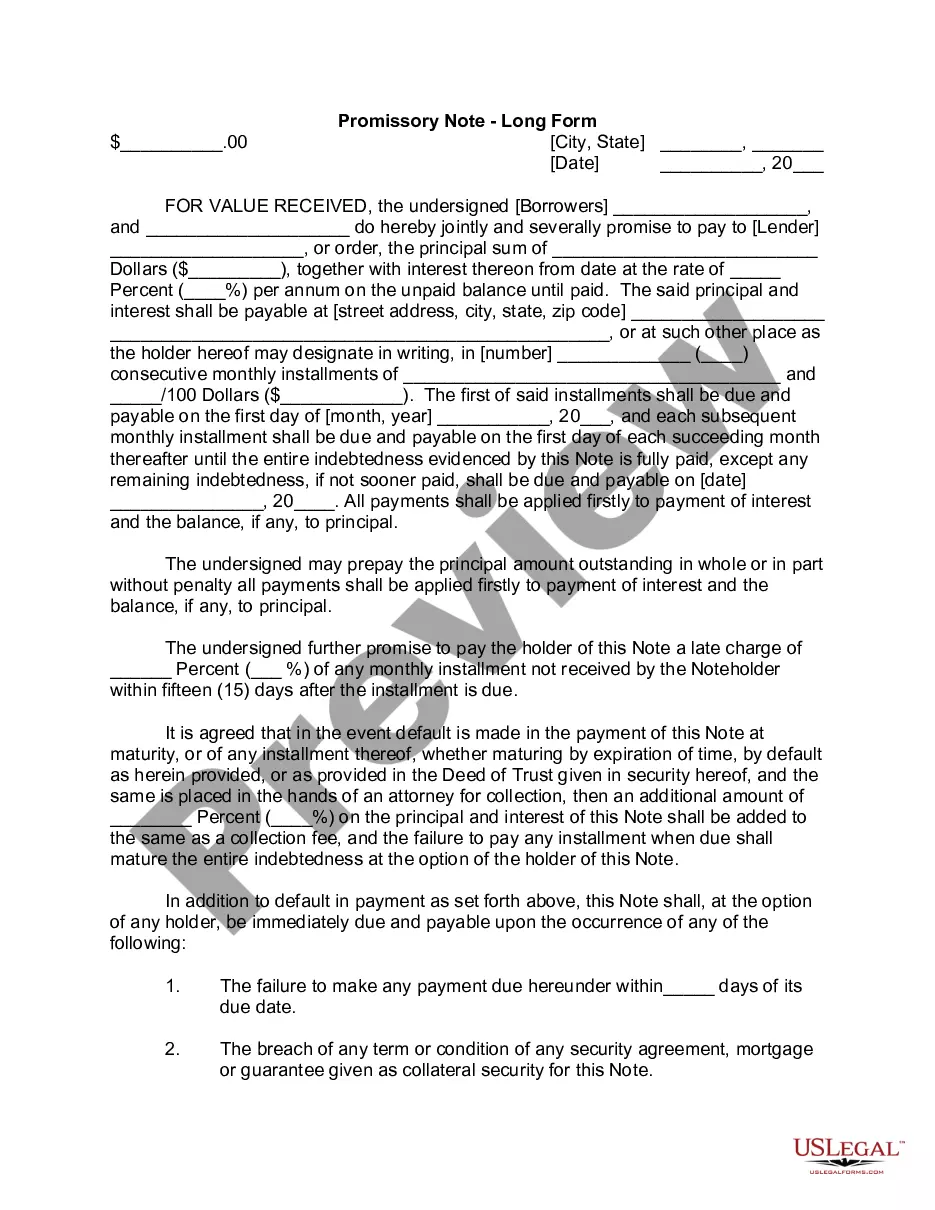
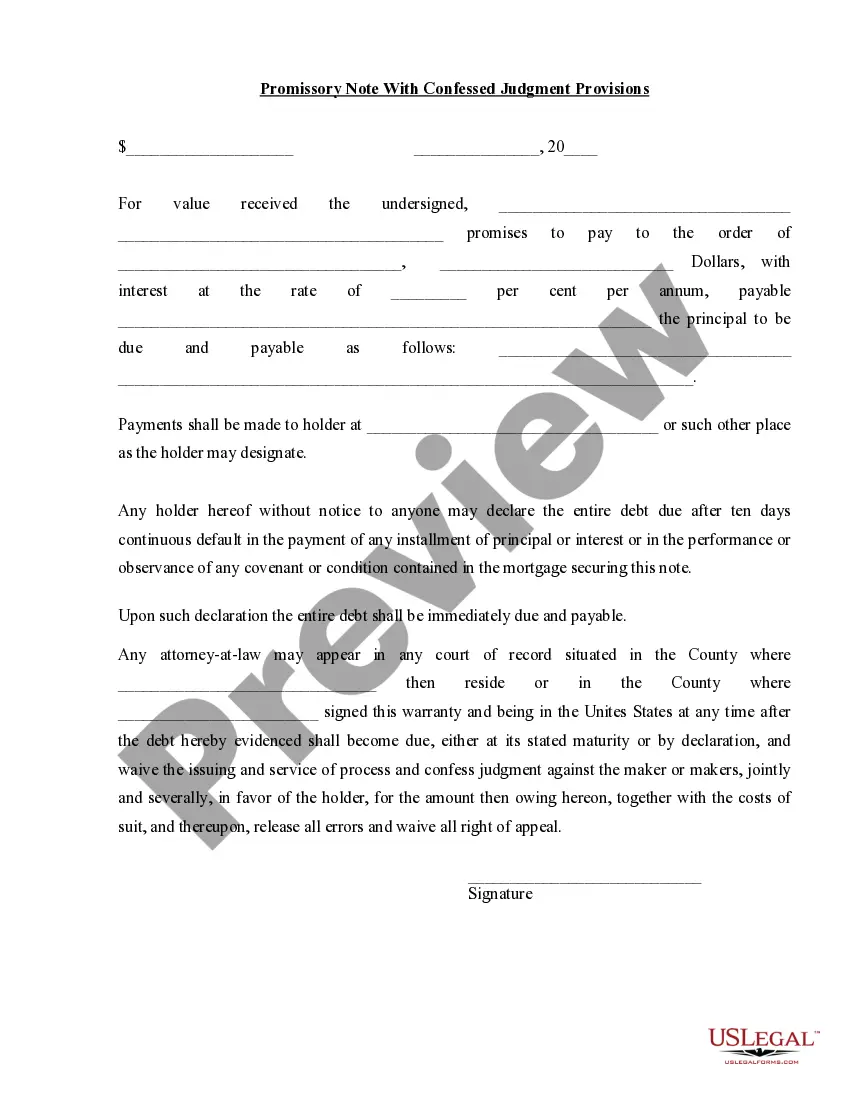
I Debt To You In Santa Clara
Description
Get your form ready online
Our built-in tools help you complete, sign, share, and store your documents in one place.
Make edits, fill in missing information, and update formatting in US Legal Forms—just like you would in MS Word.
Download a copy, print it, send it by email, or mail it via USPS—whatever works best for your next step.
Sign and collect signatures with our SignNow integration. Send to multiple recipients, set reminders, and more. Go Premium to unlock E-Sign.
If this form requires notarization, complete it online through a secure video call—no need to meet a notary in person or wait for an appointment.
We protect your documents and personal data by following strict security and privacy standards.

Make edits, fill in missing information, and update formatting in US Legal Forms—just like you would in MS Word.

Download a copy, print it, send it by email, or mail it via USPS—whatever works best for your next step.

Sign and collect signatures with our SignNow integration. Send to multiple recipients, set reminders, and more. Go Premium to unlock E-Sign.

If this form requires notarization, complete it online through a secure video call—no need to meet a notary in person or wait for an appointment.

We protect your documents and personal data by following strict security and privacy standards.
Looking for another form?









Form popularity
FAQ
Contact the court where you were convicted You should try to provide your case number, however you may be able to locate your case using your name, birth date, and/or other personal information. If you have any court papers from your case, they will list your case number and the county you were convicted in.
If you get a summons notifying you that a debt collector is suing you, don't ignore it. If you do, the collector may be able to get a default judgment against you (that is, the court enters judgment in the collector's favor because you didn't respond to defend yourself) and garnish your wages and bank account.
More than seven times within seven consecutive calendar days “call frequency prong”; or. Within a period of seven consecutive calendar days after having had a telephone conversation with the person in connection with the collection of such debt “conversation frequency prong”.
Here's a step-by-step guide that outlines the actions a business should take before moving forward with a collection agency. Contact the Debtor. Send a Demand Letter. Consider Negotiation. Hire a Collection Agency. Provide Documentation. Monitor Progress. Consider Legal Action.
There are a couple ways to find out who owns unpaid debts in collections. The simplest way is to check your credit reports. Within your reports, you'll find information on your unpaid accounts along with the name and contact information for the company who owns them.
If you have a debt that gets sent to collections, you may be confused about who you owe. To find out which collection agency you owe, you can contact the original creditor or check your credit report. If a collection agency has been in contact with you, ask them to verify the debt.
A debt collector must send you an initial letter within five days of contacting you to tell you the amount of the debt you owe, the name of the creditor to whom you owe the debt, your rights to dispute the debt and how to request verification of the debt.
List all your known property and debt. This can be used as an attachment to Declaration of Disclosure (form FL-140) or you may use Property Declaration (form FL-160) instead.
The FL-142 Schedule of Assets and Debts form is used during divorce proceedings in California to list all known community and separate assets and debts, providing a detailed account of the financial situation for equitable distribution.
I, Your Full Name, son/daughter of Father's Name, residing at Your Complete Address, hereby authorize Authorized Person's Full Name, son/daughter of Their Father's Name, holding Aadhaar Card Number X X X and residing at Their Complete Address, to act as my authorized representative for the ...

