I Debt With You In San Antonio
Description
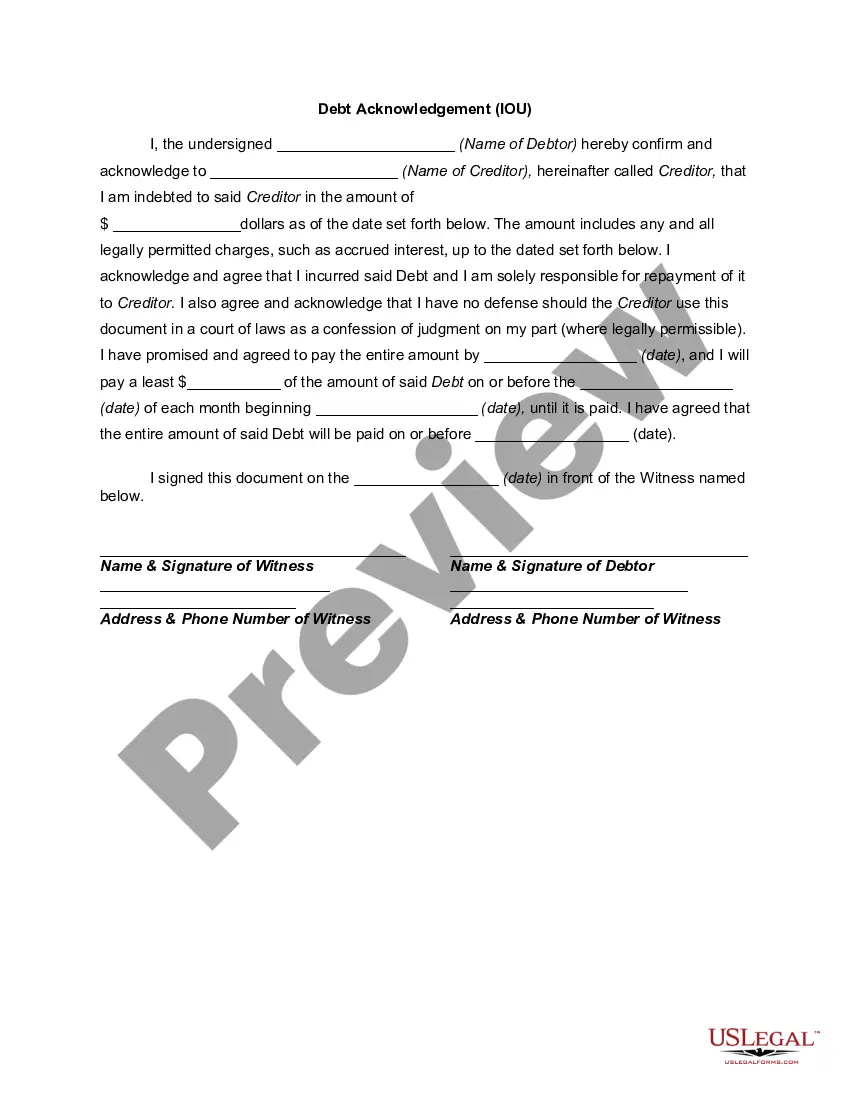
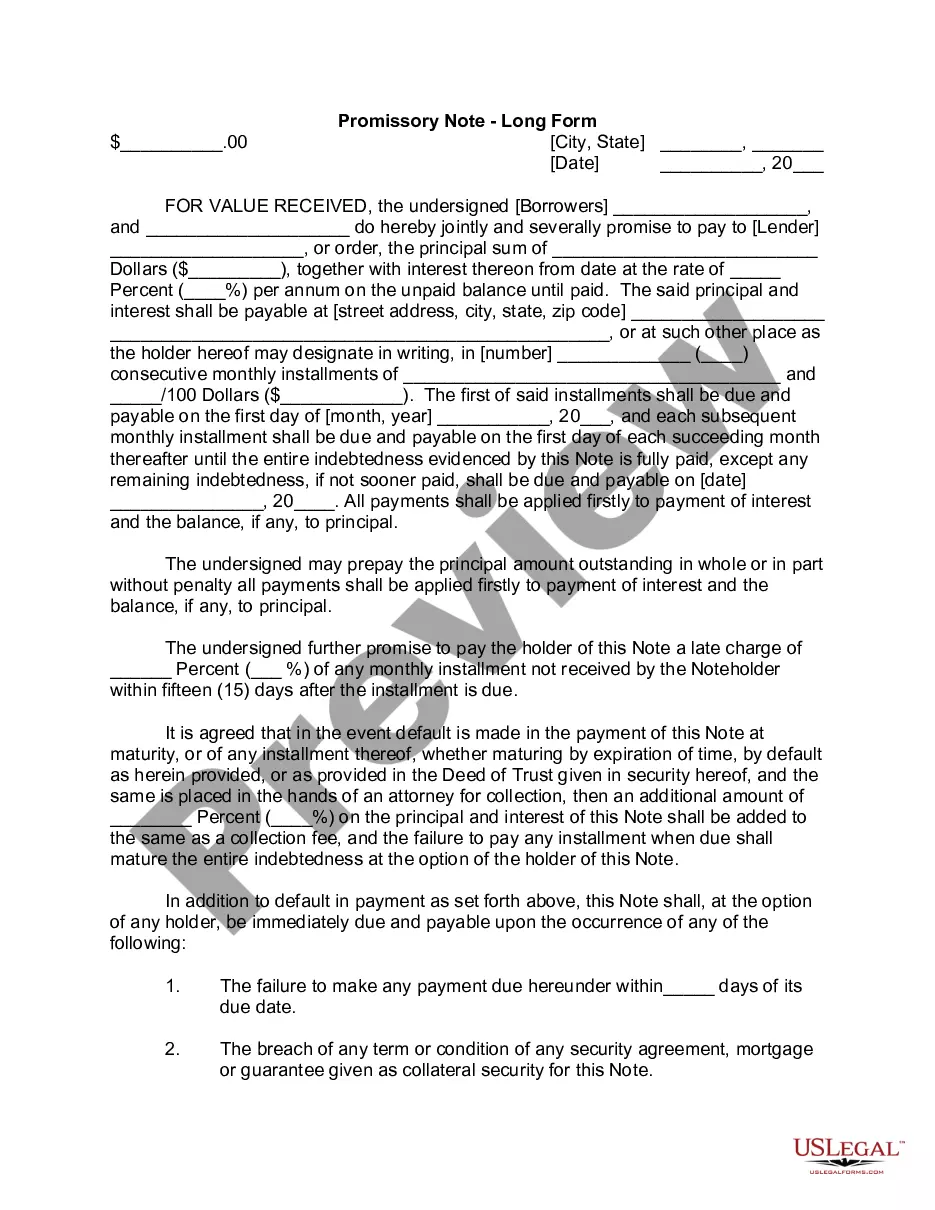
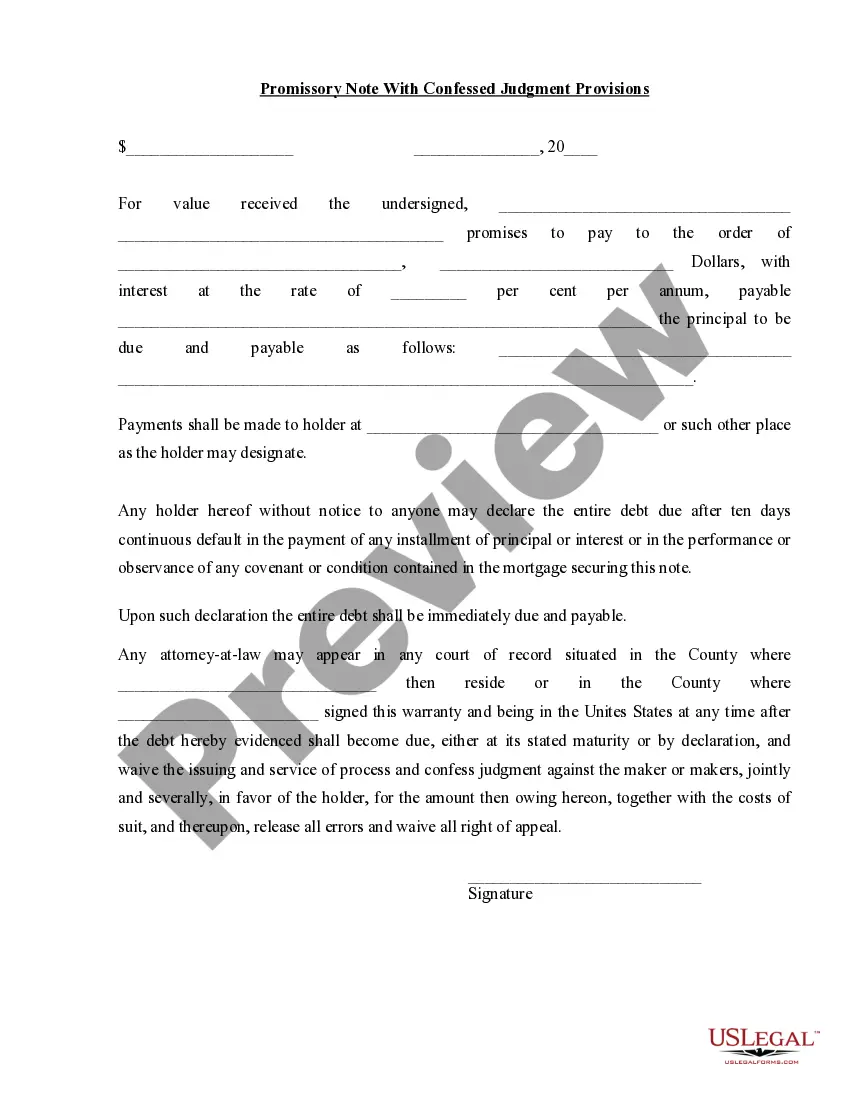
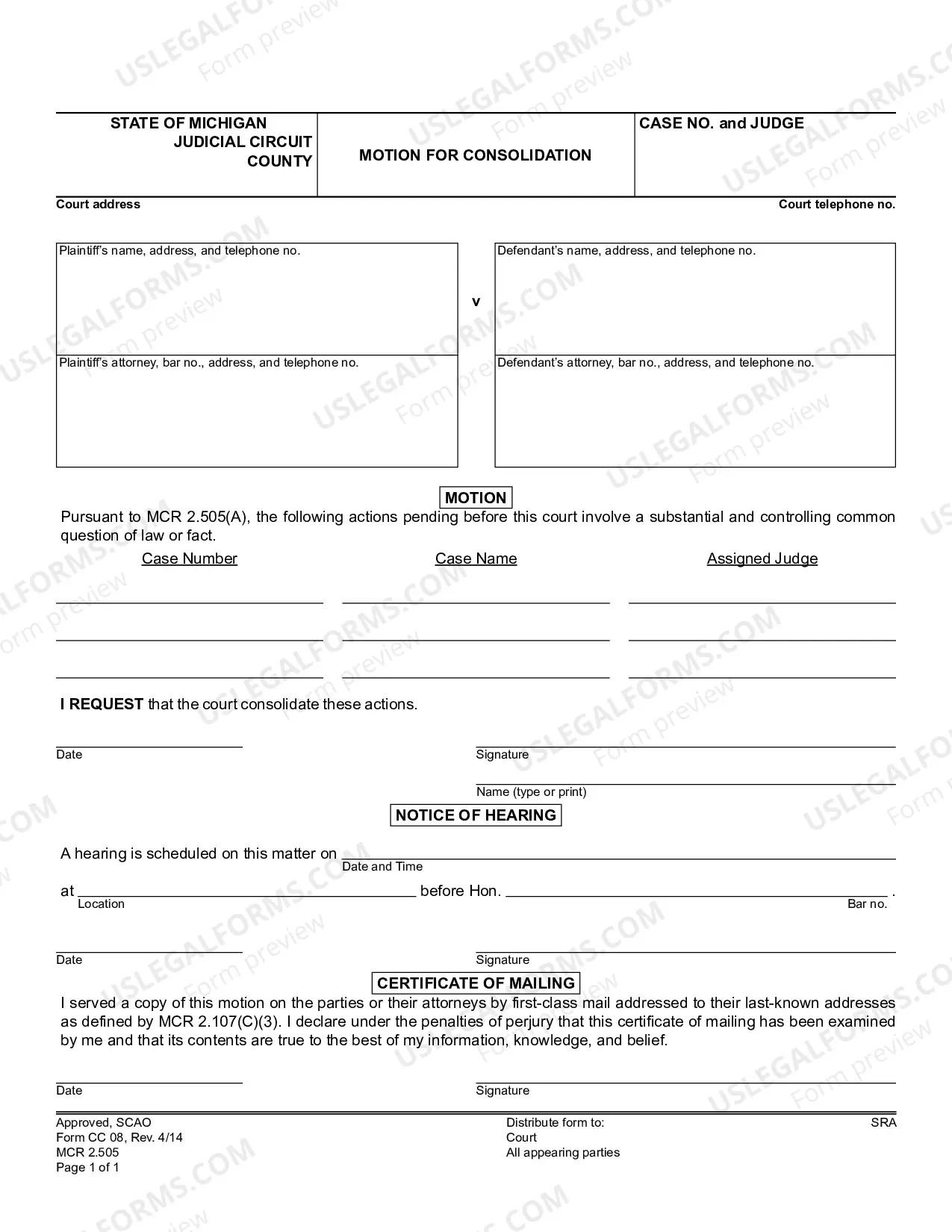
Get your form ready online
Our built-in tools help you complete, sign, share, and store your documents in one place.
Make edits, fill in missing information, and update formatting in US Legal Forms—just like you would in MS Word.
Download a copy, print it, send it by email, or mail it via USPS—whatever works best for your next step.
Sign and collect signatures with our SignNow integration. Send to multiple recipients, set reminders, and more. Go Premium to unlock E-Sign.
If this form requires notarization, complete it online through a secure video call—no need to meet a notary in person or wait for an appointment.
We protect your documents and personal data by following strict security and privacy standards.

Make edits, fill in missing information, and update formatting in US Legal Forms—just like you would in MS Word.

Download a copy, print it, send it by email, or mail it via USPS—whatever works best for your next step.

Sign and collect signatures with our SignNow integration. Send to multiple recipients, set reminders, and more. Go Premium to unlock E-Sign.

If this form requires notarization, complete it online through a secure video call—no need to meet a notary in person or wait for an appointment.

We protect your documents and personal data by following strict security and privacy standards.
Looking for another form?









Form popularity
FAQ
In person by affixing the notice to the inside of the main entry door. By regular mail, certified mail, or registered mail, with return receipt.
To file an eviction, please contact a Justice of the Peace office. The Justice of the Peace hours of operation are Monday through Friday from am to pm. Evictions must be filed in the precinct of the occupied property. Confirm Precinct location here.
Timeframes in the Eviction Process Step 1: Written Notice to Vacate. Unless the lease agreement says otherwise, the landlord must give the tenant at least 3 days to move out. Step 2: Filing of Eviction Suit. Step 3: Judgment. Step 4 (optional): Appeal. Step 5: Writ of Possession.
In Texas, the small claims limit is set at $20,000, which is the maximum amount you can sue for.
The Civil Division also enforces levies and conducts Constable's sales to aid in the collection of monetary judgments on Writs. The most common civil action taken in the Justice of the Peace Courts is evictions. This action can either evict a tenant from a rental property or gain possession of owned property.
An eviction is a lawsuit filed by a landlord to remove tenants and their belongings from the landlord's property. In Texas, an eviction is also called a “forcible entry and detainer,” and a landlord cannot remove a tenant from the property without filing such a case.
Once you have been served with the citation, you have 14 days to file an answer, which is your response to your lawsuit. You must give your answer to the court and also send it to the plaintiff. After you answer, the court will set your case either for trial, or for a pre-trial hearing.
If you do it right, debt consolidation might slightly decrease your score temporarily. The drop will come from a hard inquiry that appears on your credit reports every time you apply for credit. But, ing to Experian, the decrease is normally less than 5 points and your score should rebound within a few months.
How Do You Fill Out an Answer Form? Step 1: Deny or Verify the Pleas From the Complaint. Step 2: Raise Your Defenses and Counterclaims. Step 3: Sign the Unsworn Declaration. Step 4: Fill Out the Certificate of Service. Step 5: File Your Forms With the Justice Court Clerk Within 14 Days.
On a separate page or pages, write a short and plain statement of the answer to the allegations in the complaint. Number the paragraphs. The answer should correspond to each paragraph in the complaint, with paragraph 1 of the answer corresponding to paragraph 1 of the complaint, etc.

