You And I With Chords In Riverside
Description
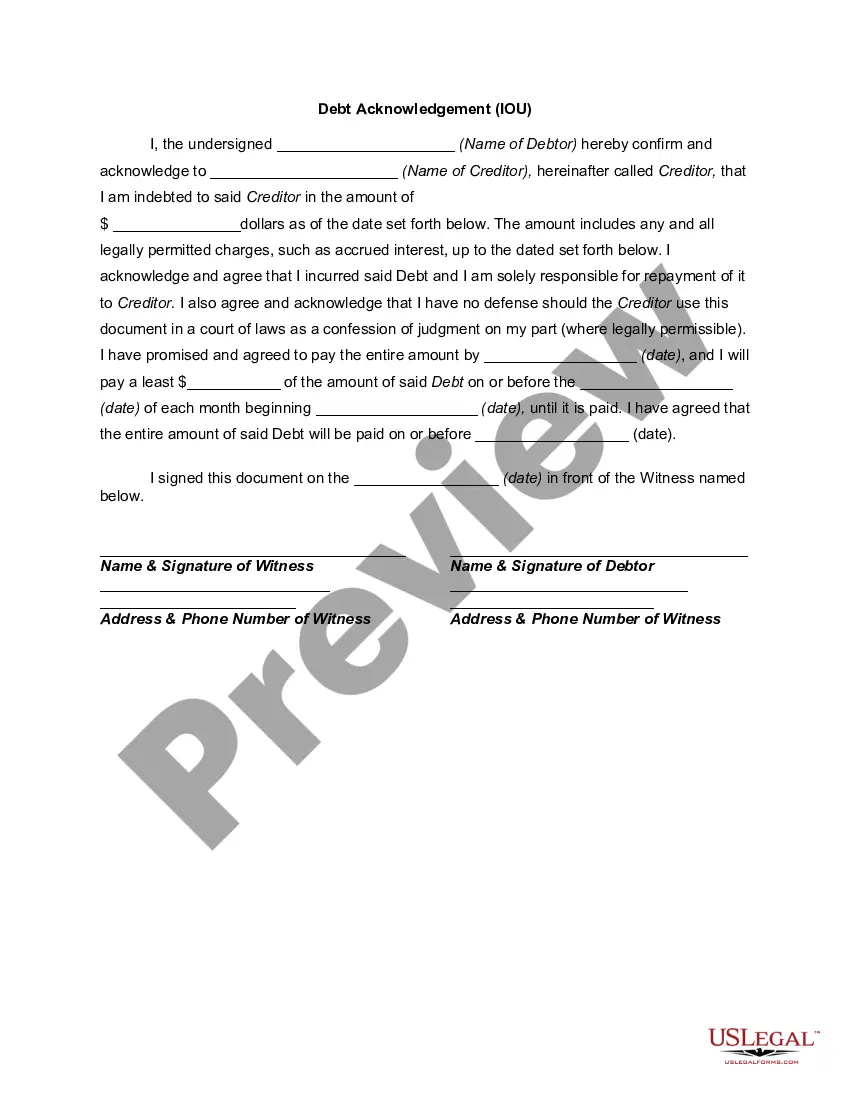
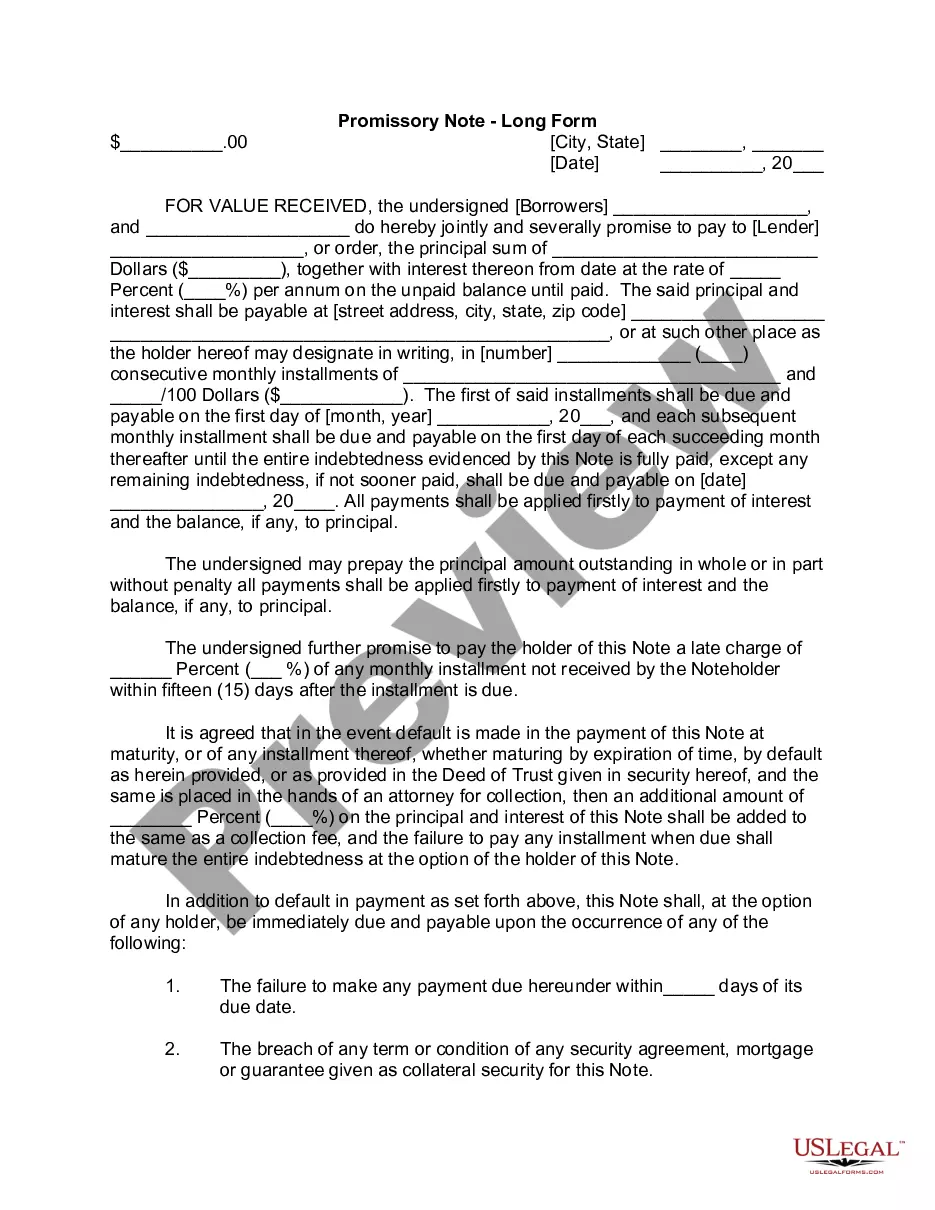
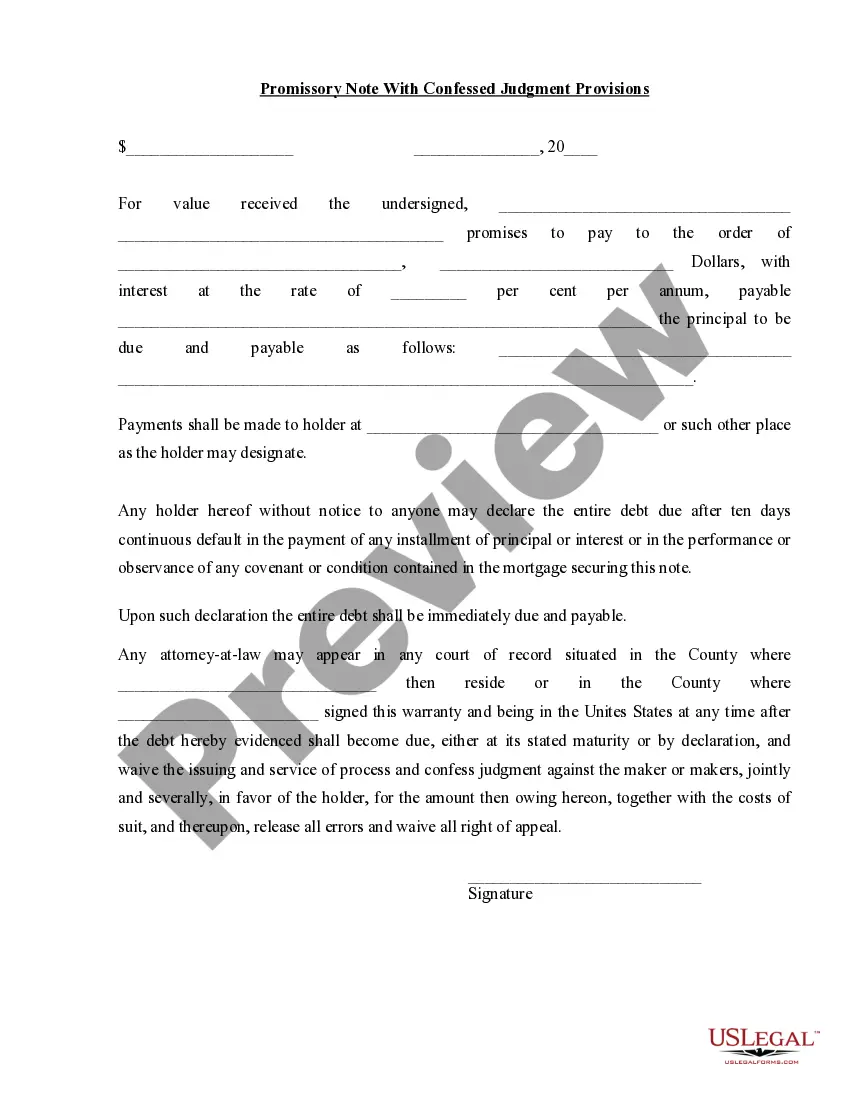
Get your form ready online
Our built-in tools help you complete, sign, share, and store your documents in one place.
Make edits, fill in missing information, and update formatting in US Legal Forms—just like you would in MS Word.
Download a copy, print it, send it by email, or mail it via USPS—whatever works best for your next step.
Sign and collect signatures with our SignNow integration. Send to multiple recipients, set reminders, and more. Go Premium to unlock E-Sign.
If this form requires notarization, complete it online through a secure video call—no need to meet a notary in person or wait for an appointment.
We protect your documents and personal data by following strict security and privacy standards.

Make edits, fill in missing information, and update formatting in US Legal Forms—just like you would in MS Word.

Download a copy, print it, send it by email, or mail it via USPS—whatever works best for your next step.

Sign and collect signatures with our SignNow integration. Send to multiple recipients, set reminders, and more. Go Premium to unlock E-Sign.

If this form requires notarization, complete it online through a secure video call—no need to meet a notary in person or wait for an appointment.

We protect your documents and personal data by following strict security and privacy standards.
Looking for another form?










Form popularity
FAQ
With Chord ai, improve your playing skills and train your ear with numerous features tailored to every level of musician. - State-of-the-art chord recognition: Chord ai recognizes common chords such as major, minor, augmented, diminished, 7th, M7th, sus2 and sus4 chords.
Start slow – Practice playing the chord changes correctly and smoothly without pausing or hesitating. You can practice this without a metronome at first. Use a metronome – Set a metronome to a slow tempo and practice the chord changes in time with the beat. Gradually increase the tempo as you improve.
Chord ai is the perfect tool for playing and learning any song.
Ukulele. This uh this song has only a few chords. It's in the key of c. So you have the c. Chord.MoreUkulele. This uh this song has only a few chords. It's in the key of c. So you have the c. Chord.
Chord ai utilizes deep learning algorithms to analyze the audio input and detect the chords, beats, and lyrics. Here are some of the main technical capabilities: Chord Recognition - Identifies major, minor, diminished, augmented chords and more with high accuracy.
The five chord is Major. The six chord is minor. And then the seventh chord is a little bit weird.MoreThe five chord is Major. The six chord is minor. And then the seventh chord is a little bit weird. And different and we don't use it that often but it is a diminished chord.
The I, IV, and V chords are the three most used chords in each major key. Aloud you would call them, “The one, four, and five chords.” The I chord is built on the first note of the key. The IV chord is built on the fourth note of the key.
The scale determines which chords are in the key, and you can determine which chords are in the scale by making triads of the notes. In other words, for every note in the scale, add the third and fifth notes after it, and you will have your chords.
How to Arrange Chords Like a Pro Musician Determine the key and scale. Before you can arrange chords, you need to know the key and scale of the song. Create a chord progression. Vary the chord progression. Use different voicing. Consider the melody. Use bridges and choruses.
Chord 1 – written as i or I – is simply the root note of your song. So if it's A Minor, i = A Minor. The chord that is iv – or fourth away – to A Minor is D Minor.

