You And I With Chords In Phoenix
Description
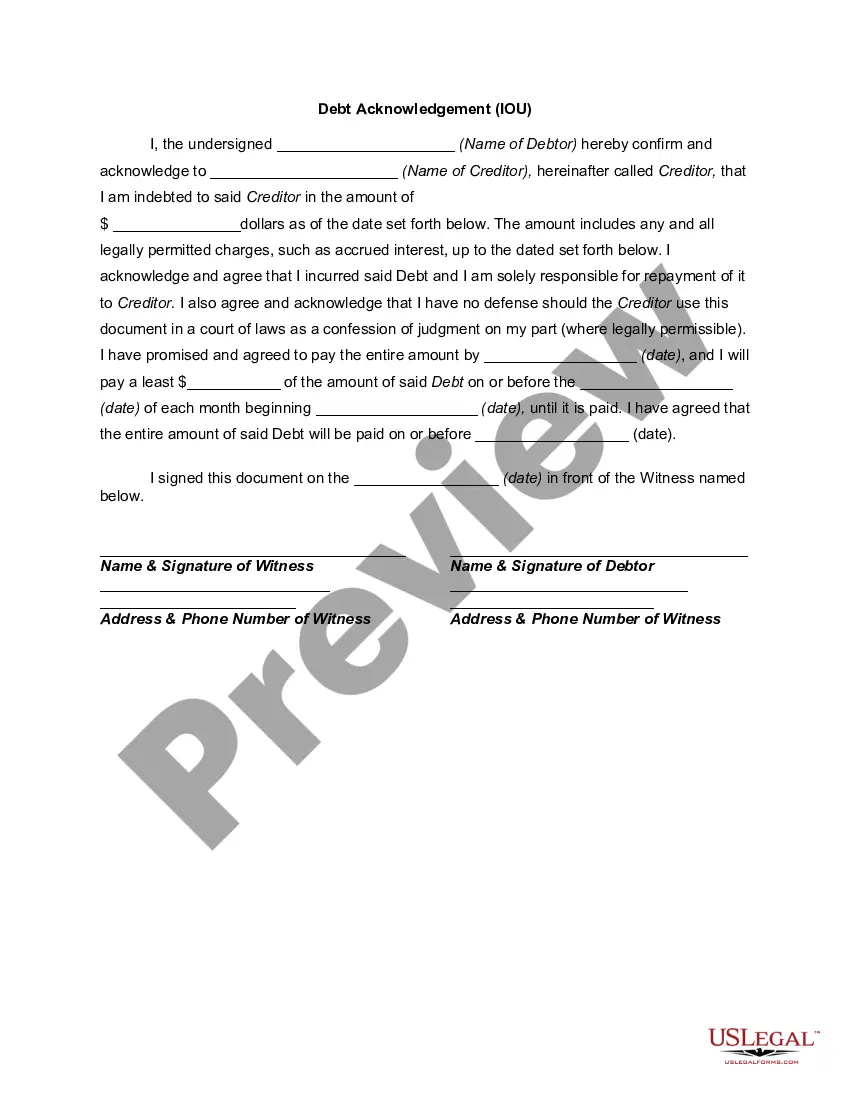
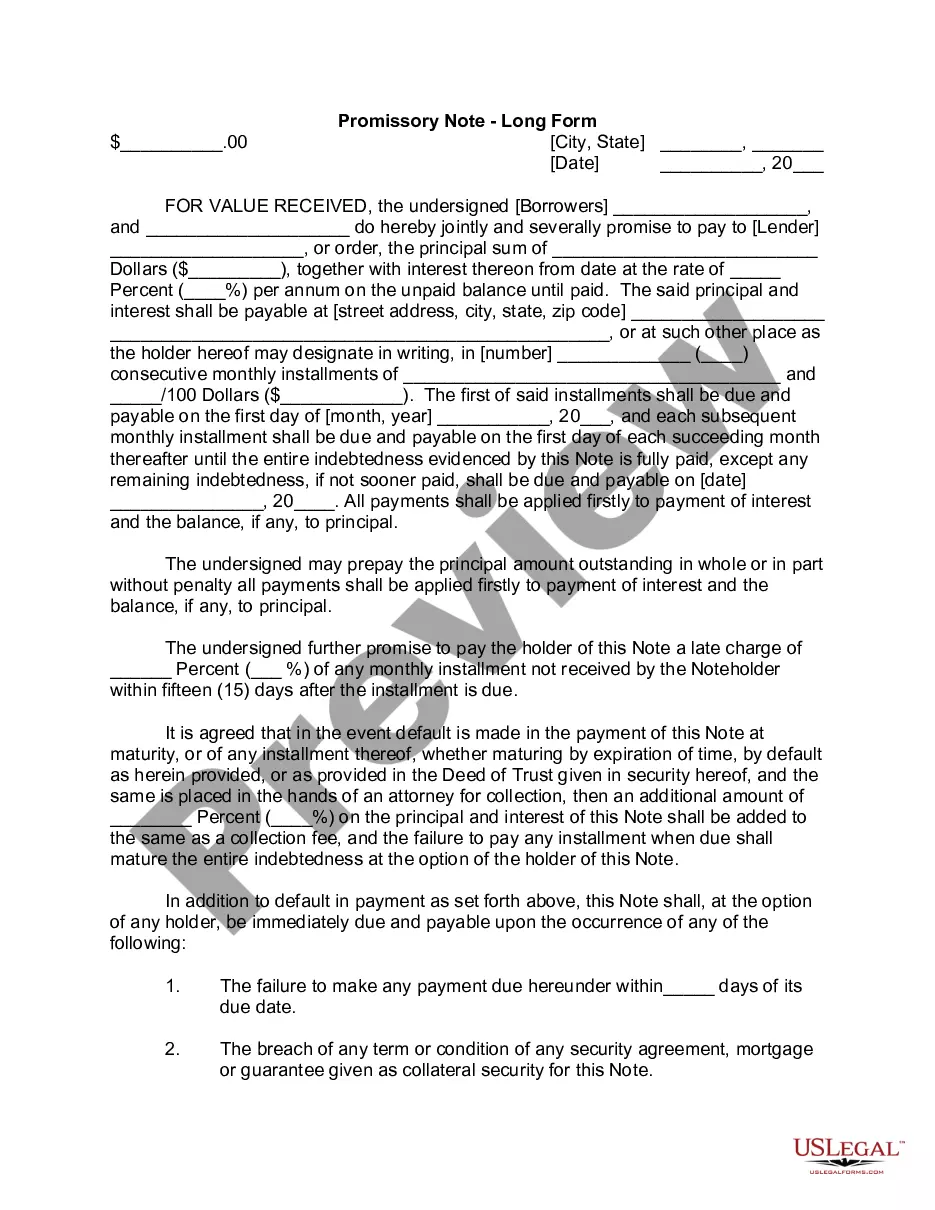
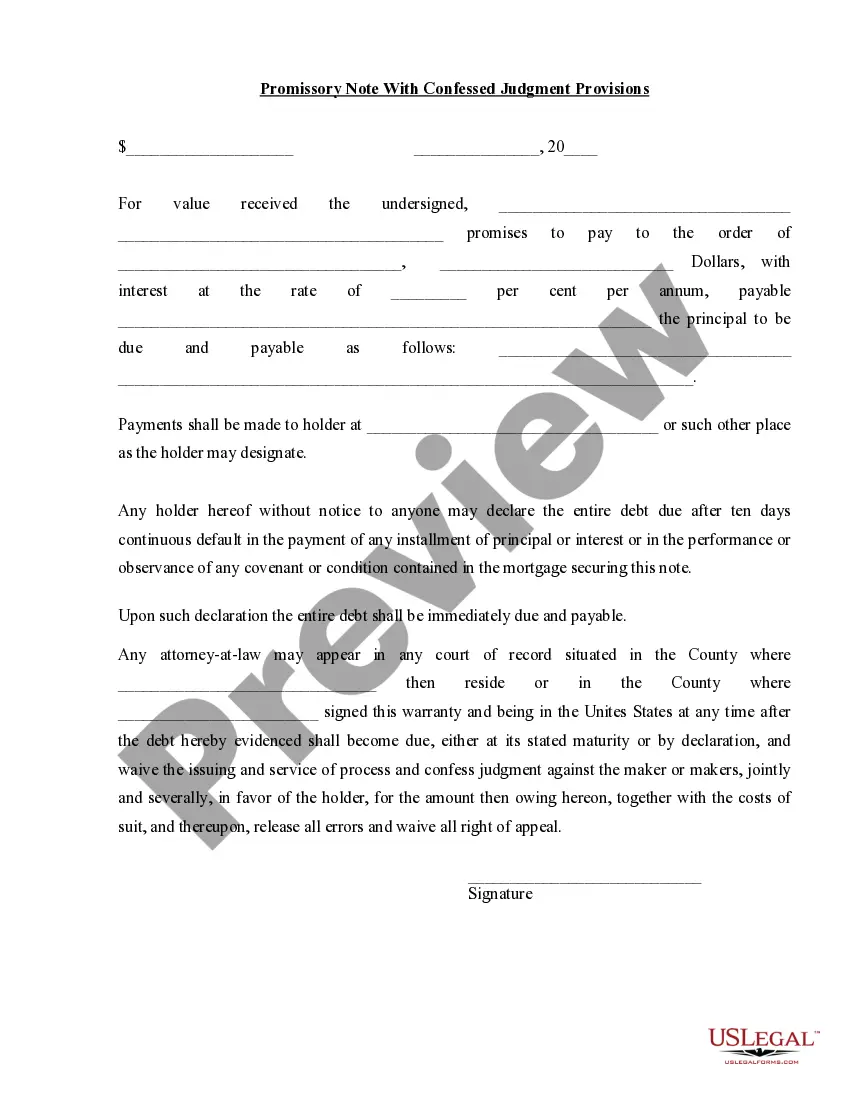
Get your form ready online
Our built-in tools help you complete, sign, share, and store your documents in one place.
Make edits, fill in missing information, and update formatting in US Legal Forms—just like you would in MS Word.
Download a copy, print it, send it by email, or mail it via USPS—whatever works best for your next step.
Sign and collect signatures with our SignNow integration. Send to multiple recipients, set reminders, and more. Go Premium to unlock E-Sign.
If this form requires notarization, complete it online through a secure video call—no need to meet a notary in person or wait for an appointment.
We protect your documents and personal data by following strict security and privacy standards.

Make edits, fill in missing information, and update formatting in US Legal Forms—just like you would in MS Word.

Download a copy, print it, send it by email, or mail it via USPS—whatever works best for your next step.

Sign and collect signatures with our SignNow integration. Send to multiple recipients, set reminders, and more. Go Premium to unlock E-Sign.

If this form requires notarization, complete it online through a secure video call—no need to meet a notary in person or wait for an appointment.

We protect your documents and personal data by following strict security and privacy standards.
Looking for another form?

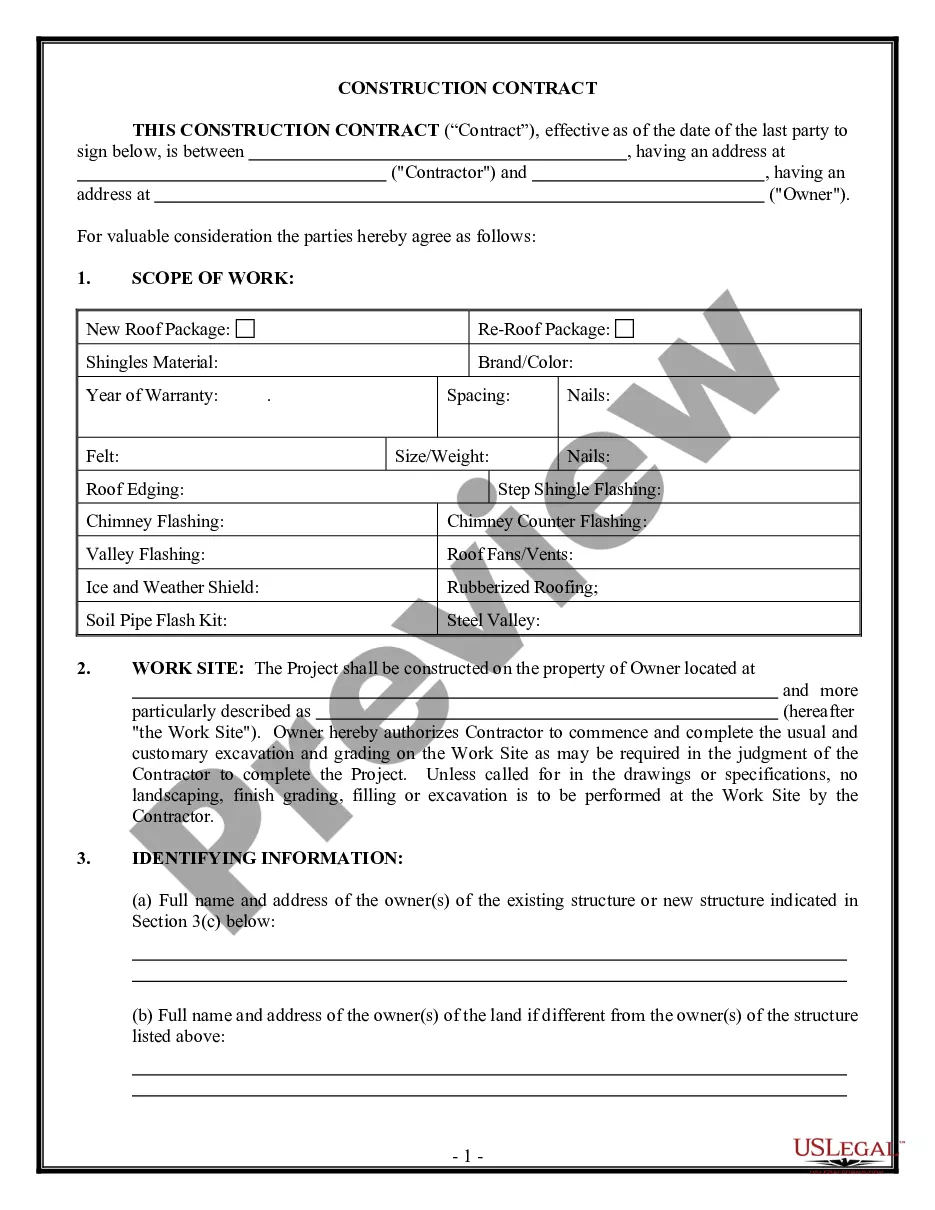






Form popularity
FAQ
Just The Way You Are is written in the key of D Major. ing to the Theorytab database, it is the 2nd most popular key among Major keys and the 2nd most popular among all keys.
What is the 1 3 5 rule for chords? The '135 rule' is that basic minor, major, diminished, and augmented chords must be created using a root, 3rd, and 5th. These intervals refer to notes picked from the major scale and are used to create each chord.
The I–V–vi–IV progression is a common chord progression popular across several genres of music. It uses the I, V, vi, and IV chords of a musical scale. For example, in the key of C major, this progression would be C–G–Am–F.
And then you have two choices. Here. I Like A over B. So just an a major chord. On top of B. YouMoreAnd then you have two choices. Here. I Like A over B. So just an a major chord. On top of B. You could also do B7. Like this which is a and D sharp or E flat above B in the left.
And then goes to f. Major. And back to c. Major. Now if f major is too difficult for you right nowMoreAnd then goes to f. Major. And back to c. Major. Now if f major is too difficult for you right now what you can do is play what is called an f major seventh. So go from c to a minor. Seven.
The scale determines which chords are in the key, and you can determine which chords are in the scale by making triads of the notes. In other words, for every note in the scale, add the third and fifth notes after it, and you will have your chords.
And you want to keep the second and first strings open as well. So that's b sus4. Those are ourMoreAnd you want to keep the second and first strings open as well. So that's b sus4. Those are our three chords a sus2 e major and b sus. Four. So that's the main chord progression.
The 4 piano chords that unlock hundreds of popular songs are C major (C-E-G), G major (G-B-D), F major (F-A-C), and A minor (A-C-E). These chords form the foundation of many songs because they are the I, V, IV, and vi chords in the key of C major.
The main power chords are typically those based on the root notes of E, A, D, G, and sometimes B and F. They can be moved all over the fretboard, so once you've got the shape down, you can play them anywhere!
The famous four chords used in many pop song progressions are the I, V, vi and IV chords of a major key. The roman numerals represent the numbers of the major scale we begin a chord from (1, 5, 6, 4) so in C major this would be C, G, Amin, F or in G major it would be G, D, Emin, C.

