I Debt To You In Orange
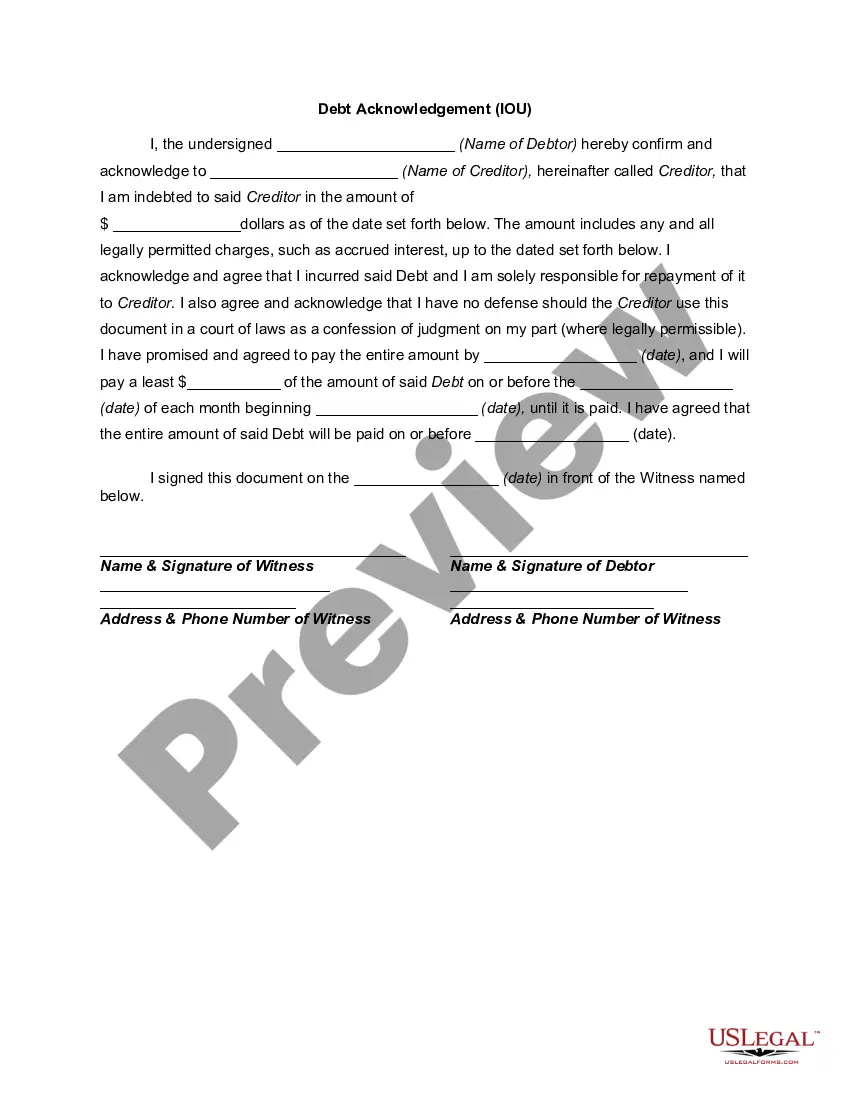
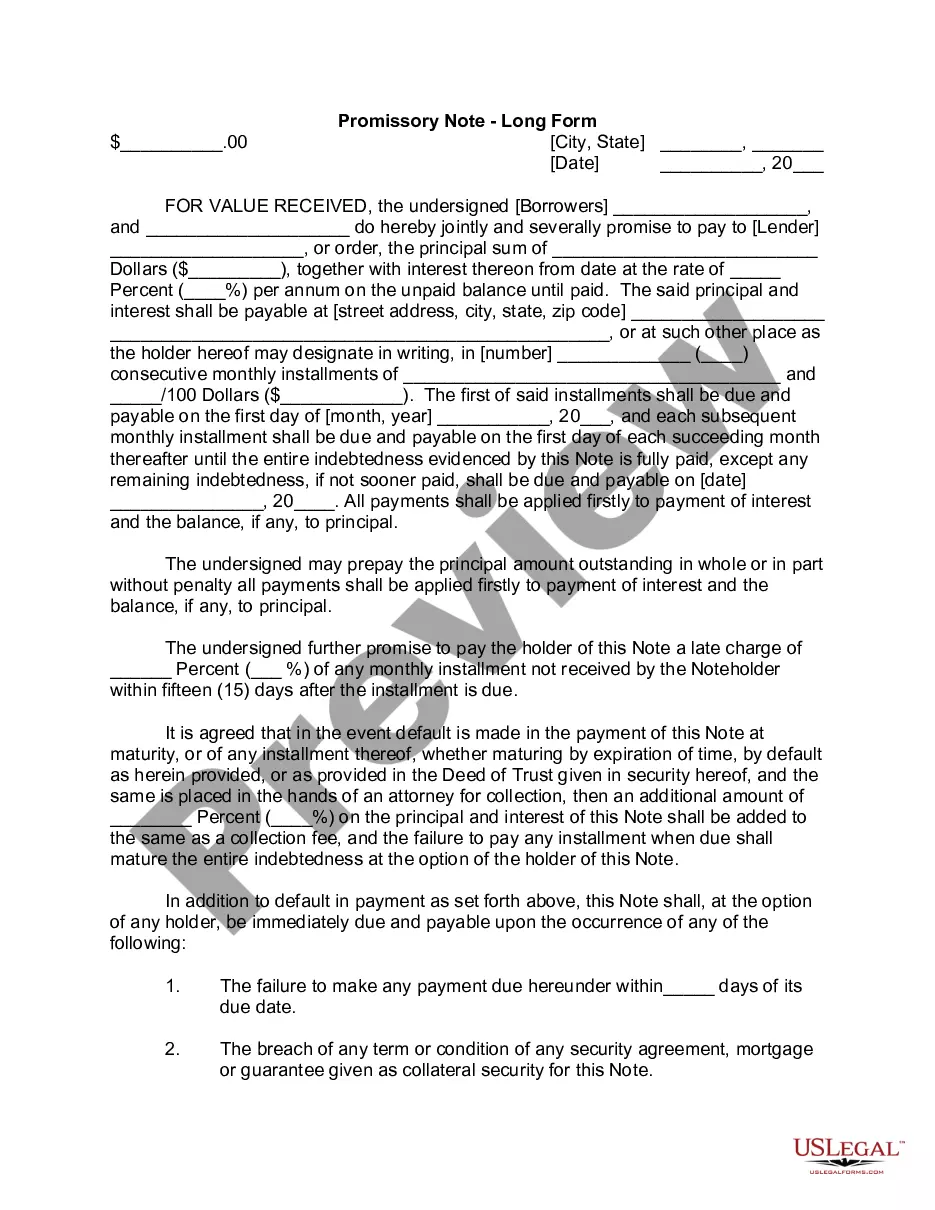
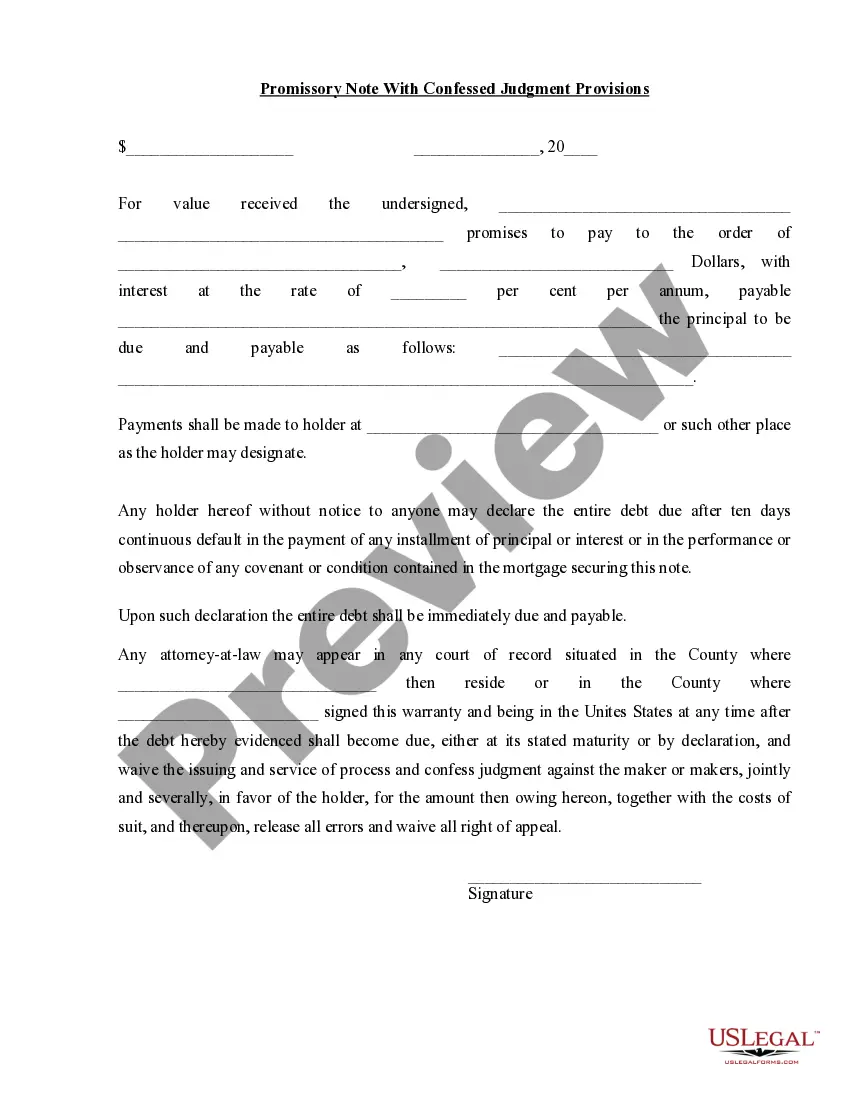
Description
Get your form ready online
Our built-in tools help you complete, sign, share, and store your documents in one place.
Make edits, fill in missing information, and update formatting in US Legal Forms—just like you would in MS Word.
Download a copy, print it, send it by email, or mail it via USPS—whatever works best for your next step.
Sign and collect signatures with our SignNow integration. Send to multiple recipients, set reminders, and more. Go Premium to unlock E-Sign.
If this form requires notarization, complete it online through a secure video call—no need to meet a notary in person or wait for an appointment.
We protect your documents and personal data by following strict security and privacy standards.

Make edits, fill in missing information, and update formatting in US Legal Forms—just like you would in MS Word.

Download a copy, print it, send it by email, or mail it via USPS—whatever works best for your next step.

Sign and collect signatures with our SignNow integration. Send to multiple recipients, set reminders, and more. Go Premium to unlock E-Sign.

If this form requires notarization, complete it online through a secure video call—no need to meet a notary in person or wait for an appointment.

We protect your documents and personal data by following strict security and privacy standards.
Looking for another form?





Form popularity
FAQ
What to Include in a Debt Verification Letter Details about the original creditor. The original loan agreement that proves your obligation to repay. Documentation showing the age of the debt and the original delinquency date. A comprehensive itemization including dates for added fees and interest.
Which debt solutions write off debts? Bankruptcy: Writes off unsecured debts if you cannot repay them. Any assets like a house or car may be sold. Debt relief order (DRO): Writes off debts if you have a relatively low level of debt. Must also have few assets. Individual voluntary arrangement (IVA): A formal agreement.
Most states or jurisdictions have statutes of limitations between three and six years for debts, but some may be longer. This may also vary depending, for instance, on the: Type of debt.
How To Fill In A Proof Of Debt Form Box 1 – This is your business name. Box 2 – This is your business address. Box 3 – This is the total amount you are owed. Box 4 – List any supporting documents you have. Box 5 – List any un-capitalised interest on the claim.
Under the Fair Credit Reporting Act (FCRA), most negative information, including unpaid credit card debt, must be removed from your credit report after seven years. This seven-year period typically begins 180 days after the account first becomes delinquent.
Specifically, the rule states that a debt collector cannot: Make more than seven calls within a seven-day period to a consumer regarding a specific debt. Call a consumer within seven days after having a telephone conversation about that debt.
The phrase in question is: “Please cease and desist all calls and contact with me, immediately.” These 11 words, when used correctly, can provide significant protection against aggressive debt collection practices.
Here's a step-by-step guide that outlines the actions a business should take before moving forward with a collection agency. Contact the Debtor. Send a Demand Letter. Consider Negotiation. Hire a Collection Agency. Provide Documentation. Monitor Progress. Consider Legal Action.
Americans in debt are likely to end up in court Consumer debt cases are among the most common civil case types in U.S. state courts: A recent analysis of these cases found that at least 2.5 million debt collection lawsuits were filed in 2022.
Yes it does actually work. Collectors rarely actually validate the debt because most of the debts in fact are not valid. Some just back off because receiving a well worded debt validation letter means you have consulted the FDCPA (or at least a good debt/credit forum) and know what you're doing.

